Cruise Ship Linked to Hantavirus Outbreak Spreads Fear Globally
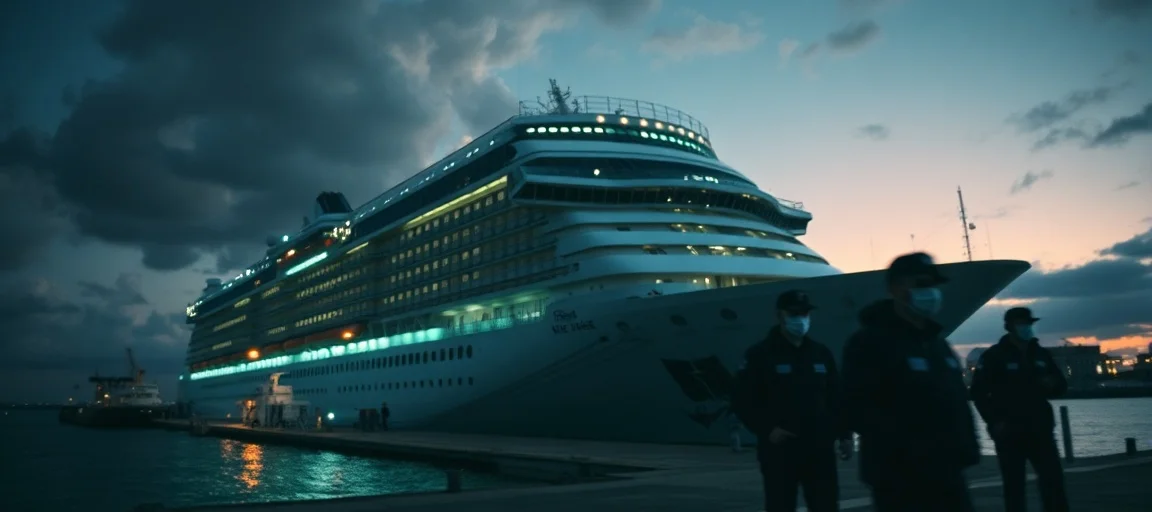
News of a luxury cruise ship linked to a Hantavirus outbreak spreads fear globally, prompting urgent health advisories and raising serious concerns for international travel. Authorities are grappling with the potential ramifications of this rare but serious viral infection, as passengers from the affected vessel disembark in various ports, leading to a scramble for effective containment and monitoring strategies across multiple continents.
- Background and Initial Reports
- The Cruise Ship Connection: How the Outbreak Began
- Global Health Response and Containment Measures
- Impact on the Cruise Industry and Travel Sector
- Expert Insights and Public Health Warnings
- Navigating the Fear: Advice for Travelers
- Conclusion: Addressing the "Cruise Ship Linked to Hantavirus Outbreak Spreads Fear" Phenomenon
- Frequently Asked Questions
- Further Reading & Resources
Background and Initial Reports
The alarm was first raised when a cluster of passengers from the "Ocean Majesty" luxury cruise liner, which had recently completed a two-week Caribbean itinerary, began reporting severe respiratory symptoms shortly after returning home. Initial medical examinations ruled out common seasonal illnesses, pushing health professionals to consider more unusual pathogens. Further testing quickly confirmed the presence of Hantavirus Pulmonary Syndrome (HPS), a severe and often fatal respiratory disease. The immediate link to the "Ocean Majesty" set off a cascade of alerts, as the vessel had already completed several subsequent voyages with new passengers. For more on how such outbreaks can rapidly escalate, see Understanding Viral Transmission in Confined Spaces.
Hantaviruses are a family of viruses naturally carried by rodents that can cause varied disease syndromes in humans worldwide. While typically found in rural areas and associated with exposure to rodent droppings, urine, or saliva, the appearance of cases connected to a modern cruise ship in an urbanized travel context introduced an unexpected and complex challenge for public health officials. The rapid global dissemination of passengers from the ship compounded the initial shock, transforming a localized health concern into a worldwide epidemiological puzzle.
The Cruise Ship Connection: How the Outbreak Began
Investigators are meticulously tracing the potential points of exposure onboard the "Ocean Majesty." While Hantavirus is not known to spread from person to person in the United States, except for specific types like Andes virus found in South America, the presence of multiple cases linked to a single environment like a cruise ship is highly unusual for non-person-to-person transmitting hantaviruses. Early theories suggest a possible vector introduction while the ship was docked in a less-developed port, or perhaps an issue with rodent infestation in a specific area of the ship that went undetected. Cruise ships have been documented to experience outbreaks of various diseases, including orthohantavirus. The history of Cruise Ship Outbreaks and Public Health Responses offers context.
Cruise ships, by their very nature, are closed environments that can facilitate the rapid spread of infectious diseases if pathogens are introduced, exacerbated by close human proximity and shared spaces. While robust sanitation and health protocols are standard, the unique characteristics of Hantavirus transmission – primarily through aerosolized rodent waste – present a scenario not typically addressed by routine cruise ship hygiene measures for common respiratory or gastrointestinal viruses. The outbreak likely began subtly, with initial symptoms possibly misidentified as common travel sickness or flu, delaying early detection and allowing the virus to propagate unknowingly amongst passengers and crew over several voyages. This delay proved critical in the widespread dispersion of potentially exposed individuals.
Understanding Hantavirus: Symptoms and Transmission
Hantavirus Pulmonary Syndrome (HPS) is a severe respiratory disease caused by hantaviruses that can lead to life-threatening lung and heart problems. Initial symptoms typically appear one to eight weeks after exposure and can include fatigue, fever, and muscle aches, especially in large muscle groups. These can then rapidly progress to severe shortness of breath as the lungs fill with fluid, leading to potentially fatal respiratory failure.
Transmission:
-
Aerosolized Rodent Droppings: The primary mode of transmission to humans is by inhaling airborne particles from rodent urine, droppings, or saliva. This typically occurs when disturbing contaminated areas like barns, sheds, or poorly ventilated spaces.
-
Direct Contact: Less commonly, direct contact with rodents or their waste, or rodent bites, can transmit the virus.
-
No Person-to-Person Spread (Generally): For most hantaviruses, including those common in North America, person-to-person transmission does not occur. The exception is the Andes virus in South America, which has documented cases of human-to-human spread, particularly among close contacts. This distinction is crucial for managing fear and public health response, as it means casual contact with an infected person is generally not a risk factor.
There is no specific treatment, cure, or vaccine for HPS. Medical care focuses on supportive therapy, often requiring intensive care unit (ICU) admission with respiratory support, such as intubation and ventilators, to manage lung fluid and assist breathing. Early recognition and medical care in an ICU can improve outcomes, but the fatality rate for HPS can be as high as 38%.
Global Health Response and Containment Measures
Upon confirmation of the Hantavirus cases and the link to the "Ocean Majesty," a coordinated global health response was immediately activated. International health organizations, including the World Health Organization (WHO) and national public health agencies like the Centers for Disease Control and Prevention (CDC) in the U.S., began working in tandem. The immediate priority was to identify all passengers and crew who had sailed on the "Ocean Majesty" over the past two months and issue urgent health alerts. This involved complex data sharing across international borders and collaboration with cruise line operators. The International Health Regulations (IHR) provide a legal framework for countries to manage public health risks with the potential to cross borders, requiring surveillance and response capacities. Detailed information on International Travel Health Advisories can be found on our site.
Health officials are advising anyone who traveled on the "Ocean Majesty" during the specified period to seek medical attention if they develop any HPS symptoms, emphasizing the importance of early diagnosis. Port authorities worldwide have been alerted, implementing enhanced screening procedures for incoming vessels and passengers, particularly those with a travel history linked to the affected cruise line. This proactive stance aims to prevent further potential spread and ensure rapid isolation and treatment of new cases.
Screening Protocols and Passenger Monitoring
The implementation of rigorous screening protocols at ports and airports has become a critical element of the containment strategy. For disembarking passengers from cruise ships, this typically involves:
- Symptom Check: Passengers are visually assessed for signs of illness, and asked about recent symptoms such as fever, fatigue, and shortness of breath.
- Temperature Screening: Non-contact infrared thermometers are used to detect elevated body temperatures.
- Travel History Questionnaires: Detailed questionnaires gather information on recent travel, potential exposures, and contact with sick individuals.
- Isolation and Testing: Any passenger exhibiting symptoms or deemed high-risk is immediately isolated and referred for further medical evaluation and Hantavirus testing.
Beyond immediate screening, public health agencies are undertaking extensive contact tracing efforts for confirmed cases. This involves identifying and monitoring individuals who may have been in close proximity to infected passengers on the ship, though with non-person-to-person transmitting hantaviruses, this is more about identifying shared exposure environments than direct human contact risk. The challenge lies in the global dispersion of passengers, requiring cross-border communication and localized follow-ups.
Impact on the Cruise Industry and Travel Sector
The news of a Cruise Ship Linked to Hantavirus Outbreak Spreads Fear is sending ripple effects through the global travel and tourism industry, particularly the cruise sector. Immediately following the public announcement, several cruise lines reported a significant surge in cancellations and a sharp decline in new bookings. Consumer confidence, already sensitive to health crises, has taken a substantial hit. The COVID-19 pandemic previously devastated the cruise industry, highlighting its vulnerability to such events.
Cruise companies are implementing enhanced disinfection procedures and reviewing their pest control strategies with unprecedented scrutiny. Many are offering flexible rebooking options and increased health assurances to try and mitigate the damage to their reputations and bottom lines. The incident highlights the vulnerability of the travel industry to public health emergencies, even those involving rare pathogens. Analysts predict a prolonged period of recovery for the affected cruise line and potentially the broader industry, as travelers weigh perceived risks against the allure of sea voyages.
The economic impact extends beyond cruise lines, affecting airlines, hotels, and local businesses in popular cruise destinations. Ports reliant on cruise tourism are facing reduced visitor numbers, leading to potential economic downturns in affected regions. The incident serves as a stark reminder of the interconnectedness of global economies and the far-reaching consequences of a public health crisis on a global scale.
Expert Insights and Public Health Warnings
Public health experts are emphasizing calm while reiterating the seriousness of Hantavirus. Dr. Evelyn Reed, an infectious disease specialist, stated in a recent press briefing, "While the association with a cruise ship is unusual, the fundamental principles of Hantavirus prevention remain. It's about avoiding contact with rodents and their waste." While specific details of how the virus entered the ship remain under investigation, experts suggest a lapse in sanitation or pest control at a particular port of call, or perhaps a localized issue on the ship itself.
The WHO has issued specific guidelines for international travelers, urging vigilance for symptoms if they have been on the "Ocean Majesty" during the relevant period. These guidelines also include general advice for travelers to minimize exposure risks to rodents when visiting areas where hantaviruses are endemic. The incident underscores the critical importance of robust international surveillance systems and rapid information sharing between countries to manage emerging public health threats effectively.
Navigating the Fear: Advice for Travelers
The fear generated by this outbreak is understandable, but public health officials stress that informed precautions are more effective than panic. For the general public, especially those who have not traveled on the "Ocean Majesty," the risk of Hantavirus remains very low, particularly in urban environments.
For those planning future travel, especially cruise holidays:
-
Stay Informed: Monitor official health advisories from reputable organizations like the CDC and WHO regarding travel warnings or specific outbreaks.
-
Health and Hygiene: Continue to practice good hand hygiene, and be aware of your surroundings.
-
Cruise Line Protocols: Inquire about the health and safety protocols of your chosen cruise line, including their measures for infectious disease prevention and pest control.
-
Report Symptoms: If you develop any unusual symptoms after travel, especially fever, muscle aches, and respiratory issues, seek medical attention promptly and inform your doctor of your recent travel history. Early diagnosis can be critical for supportive care.
Conclusion: Addressing the "Cruise Ship Linked to Hantavirus Outbreak Spreads Fear" Phenomenon
The unprecedented situation of a cruise ship linked to a Hantavirus outbreak spreads fear globally, underscoring the constant evolution of public health challenges in an interconnected world. While the investigation into how the virus specifically entered and potentially spread on the "Ocean Majesty" continues, this event serves as a critical reminder of the need for unyielding vigilance in global health surveillance. The swift, coordinated response by international health agencies and the ongoing efforts to track and monitor passengers are vital to containing this unusual outbreak. As the travel industry grapples with the immediate fallout, the long-term lessons learned from this incident will undoubtedly shape future health protocols and preparedness strategies for the safety of travelers worldwide.
Frequently Asked Questions
Q: How does Hantavirus spread on a cruise ship?
A: Hantavirus is typically transmitted through contact with rodent droppings or urine. On a cruise ship, this could happen if rodents infest certain areas, and people inhale aerosolized particles. Person-to-person spread is generally not a concern for most hantavirus types.
Q: What are the symptoms of Hantavirus, and when should I seek medical attention?
A: Initial symptoms resemble the flu: fever, fatigue, muscle aches. These can progress to severe breathing difficulties. If you have been on the "Ocean Majesty" and develop these symptoms, seek immediate medical care and mention your travel history.
Q: Is it safe to go on a cruise after this outbreak?
A: Public health officials stress that the risk for the general public remains low. Cruise lines are enhancing disinfection and pest control. Staying informed about advisories and practicing good hygiene are key precautions for future travel.