Thousands Protest Toxic Waste in Croatia, Demand Action After Gospic Scandal
In a powerful display of public outrage, thousands of Croatians recently converged on Zagreb, demanding swift government action following the Gospic toxic waste scandal, an environmental crisis of unprecedented scale. The central issue sparking this massive demonstration revolves around the discovery of tens of thousands of tonnes of illegally dumped toxic waste, primarily in the picturesque Lika region near the town of Gospic. This widespread public outcry, reflected in the compelling keyword "Thousands Protest Toxic Waste in Croatia, Demand Action," highlights deep-seated concerns over public health, ecological devastation, and perceived governmental inaction in the face of organized environmental crime. Citizens are calling for immediate and decisive measures to remediate contaminated sites and prevent future illicit dumping.
- Mass Mobilization: A Nation Demands Accountability
- Environmental and Health Catastrophe Unfolding
- The Public's Demands: Thousands Protest Toxic Waste in Croatia, Demand Action
- Government Response and Public Skepticism
- Broader Context: Croatia's Waste Management Challenges
- Expert Opinions and Future Outlook
- Conclusion: The Imperative for Immediate and Decisive Action
- Frequently Asked Questions
- Further Reading & Resources
Mass Mobilization: A Nation Demands Accountability
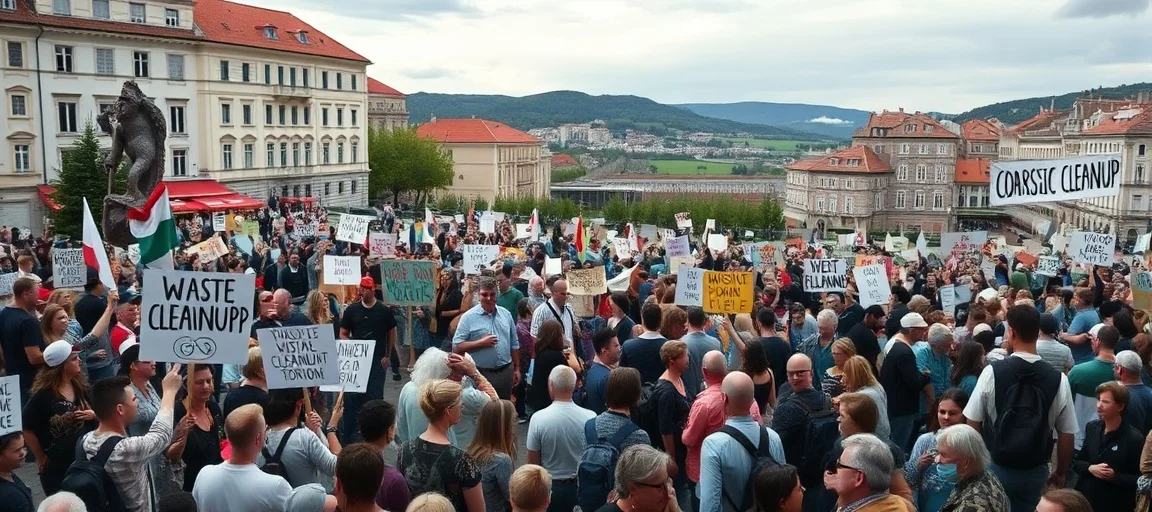
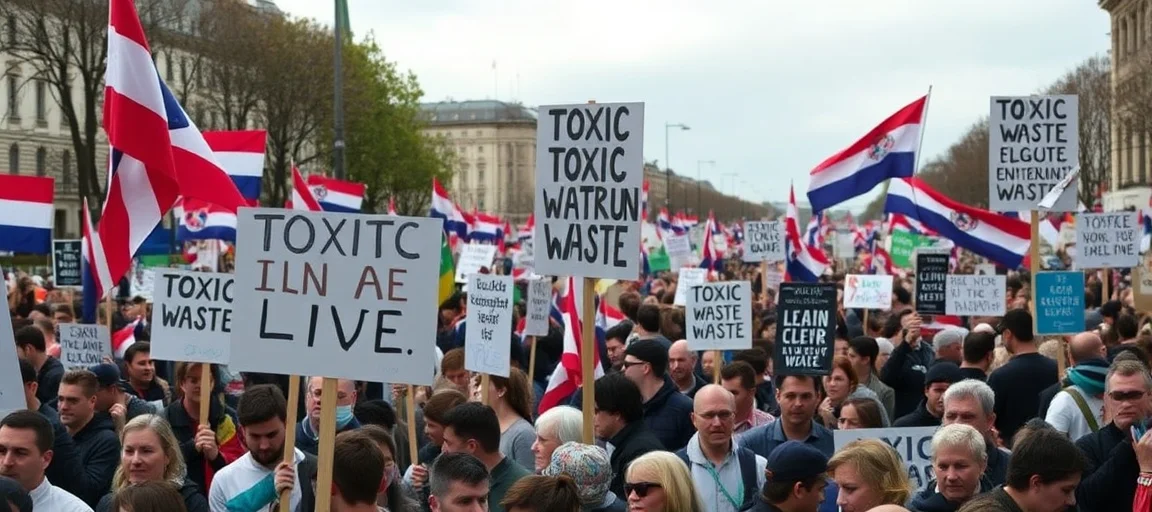
On Saturday, September 5, 2026, Zagreb's central squares witnessed one of Croatia's largest protests in years. Organized by community groups like "Gospic Is Our Home" and under the rallying cry "Walk for Lika, Walk for Croatia," the demonstration brought together diverse segments of society, from local residents directly affected by the Gospic waste scandal to environmental activists, trade unions, and even opposition lawmakers. Protesters carried national flags and banners bearing messages such as "When if not now" and "The lungs of Croatia have trouble breathing," underscoring the gravity of the situation and the urgent need for action. The sheer scale of the protest, drawing "tens of thousands" of people, sent an unequivocal message to Prime Minister Andrej Plenkovic's conservative government: environmental protection cannot be delayed.
The Genesis of the Gospic Waste Scandal
The illegal waste scandal that triggered such widespread indignation first came to light in February 2025. A joint operation by Croatian police and Europol, the European Union's law enforcement agency, led to the arrest of 13 individuals suspected of orchestrating a large-scale scheme to illegally import and dispose of hazardous waste. Investigators revealed that the suspects had allegedly reaped more than $4 million in illegal profits from this illicit operation. The waste, comprising electronic equipment, plastics, construction materials, and medical waste, was reportedly brought in from other EU nations, including Italy, Slovenia, and Germany, and then either buried or dumped at various locations across Croatia, with the largest concentration found near Gospic in the Lika region. Reports suggest that citizens and activists had been raising alarms about suspicious trucking activities near the Gospic sites as early as 2023.
Environmental and Health Catastrophe Unfolding
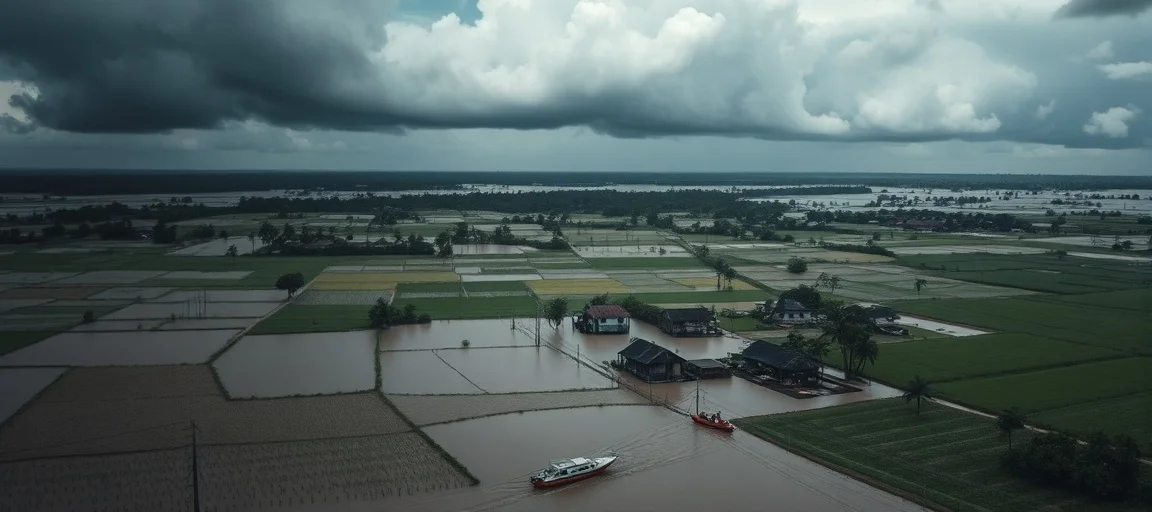
The discovery of up to 40,000 tonnes of illegally buried and dumped waste has ignited profound fears regarding its long-term environmental and public health consequences. An expert analysis commissioned by Croatia's anti-corruption agency, USKOK, published in August 2026, confirmed severe contamination. The report detailed elevated levels of metals like copper and lead in the soil around the Gospic site, with copper concentrations nearly 100 times the permitted level and lead exceeding the legal limit by tenfold.
Even more alarmingly, the analysis detected PFAS compounds, commonly known as "forever chemicals" due to their persistence in the environment, in groundwater downstream from the illegal landfill. These chemicals were found at concentrations twice the Croatian and European threshold for water intended for human consumption. While authorities claim the affected groundwater is not part of the public drinking water supply, the presence of such dangerous contaminants raises serious concerns.
Threats to Lika's Pristine Ecosystem
The Lika region is renowned for its stunning natural beauty, characterized by pristine forests, rivers, and proximity to national parks, including the famous Plitvice Lakes. Environmental experts have voiced grave warnings that the region's porous karst terrain and river systems could act as conduits, eventually carrying pollutants from the Gospic site towards the Adriatic Sea. Such an event would pose an existential threat to Croatia's vital tourism industry, which heavily relies on the unspoiled beauty of its coastline. Protesters emphasized this danger with banners declaring "Ecocide equals slow genocide."
Beyond Gospic, other communities in Croatia have also faced direct health threats from inadequate waste management. For instance, the case of Phaten Plastic Recycling in Vrginmost has been highlighted, where residents and workers reportedly face serious health risks from plastic waste and toxic byproducts, including concerns about infertility, spontaneous abortions, and cancer. These incidents underscore a broader pattern of environmental neglect with severe human consequences.
The Public's Demands: Thousands Protest Toxic Waste in Croatia, Demand Action
The protestors at the Zagreb rally presented a clear and urgent set of demands to the Croatian government. They insisted on a comprehensive cleanup plan for the contaminated sites, complete with binding deadlines, to be presented within 20 days. Furthermore, they demanded the complete removal of all buried waste within three months.
Key Demands from the Thousands Protesting Toxic Waste in Croatia
The "Gospic Is Our Home" initiative and other civic groups outlined several critical objectives:
- Immediate and Comprehensive Remediation: A demand for a clear, time-bound plan to fully clean up the polluted sites, with a specific focus on the Gospic area.
- Ban on Waste Imports: Protesters are calling for an immediate prohibition on the import of waste from other European Union countries, arguing that Croatia should not become a dumping ground.
- Accountability: A strong insistence on holding all individuals and entities responsible for the illegal dumping and subsequent cover-up accountable, both politically and criminally.
- Independent Monitoring: Calls for long-term environmental monitoring programs, conducted by independent experts, to assess ongoing risks and ensure the efficacy of cleanup efforts.
- Inclusion in Waste Management Plans: The Rakitovac municipal landfill, believed to be part of the wider problem, should be properly integrated into Croatia's national waste management strategy.
Vjekoslav Busic, who leads the "Gospic Is Our Home" community group, voiced the frustration of residents who had reported suspected illegal activity since 2023, only to see "not a single kilogram of hazardous waste" removed. Ivan Rittinger, another demonstrator, starkly declared, "This is not a tragedy, this is a crime," suggesting that the illegal activity was planned and profiteers were involved.
Government Response and Public Skepticism
Prime Minister Andrej Plenkovic has publicly acknowledged the issue, visiting the Gospic site and pledging governmental action. He stated that a contractor had been chosen to begin the first phase of waste removal and that the site would be covered by mid-October, with full removal to follow. The government has also announced it is taking full financial responsibility for the environmental cleanup.
However, public trust remains low. Plenkovic has dismissed criticism as attempts by political rivals to exploit the scandal. This stance clashes with the findings of Croatia's anti-corruption agency, USKOK, and the widespread sentiment among protesters that authorities have dragged their feet for months. Katarina Kenda, a mother who joined the march, articulated a common hope: "I want a beautiful, clean and healthy Croatia for my children, that they can drink water from any tap in this country."
Further complicating the government's position, Croatian President Zoran Milanovic has openly criticized the delays, calling for immediate remediation and stating that "The Croatian government can no longer justify itself for a day with procedures and public tenders... because people's health is undoubtedly at risk." The anger surrounding the Gospic case has indeed broadened into a significant challenge to the Plenkovic government, accused by opponents of corruption and covering up the true scale of pollution.
Legislative Changes and Enforcement Efforts
In an apparent effort to address shortcomings in waste management, Croatia recently quadrupled fines for violations of waste management laws in July 2026. The Ministry of Environmental Protection and Green Transition introduced draft amendments to strengthen the government's response to illegal dumping. These amendments include mandatory video surveillance and GPS tracking for waste transport vehicles to prevent illegal dumping. Local authorities have also been granted more specific mechanisms for urgent waste removal and easier cost recovery from polluters. While these measures are a step towards better governance, their effectiveness will be keenly watched by a skeptical public.
Broader Context: Croatia's Waste Management Challenges
The Gospic scandal is not an isolated incident but rather highlights systemic issues within Croatia's waste management sector. Croatia has ambitious targets aligned with the European Union's circular economy goals, aiming to recover 65% of municipal waste through recycling and reuse by 2035, and reduce landfilling to just 10% by the same year. However, the country has historically struggled to meet these targets, with only 24% recycling achieved by 2020.
The European Commission has initiated multiple infringement procedures against Croatia concerning its waste management practices, with 19 legal proceedings directly related to the waste sector. Many non-compliant landfills remain operational, a significant hurdle to achieving environmental standards. The illegal import of waste, as seen in the Gospic case, underscores the vulnerability of Croatia's borders and regulatory systems to organized crime, which Europol has identified as one of Europe's fastest-expanding criminal sectors.
Institutional Gaps and Public Trust
Experts have pointed to institutional weaknesses in Croatia's waste management governance, noting that responsibilities are decentralized, and financial plans are often not aligned with the national waste management strategy. This fragmentation and lack of coherent enforcement create opportunities for illegal activities. The public's distrust is amplified by instances where local administrations have reissued waste management permits to companies implicated in dubious practices, as seen with Tipos resurs in Lika-Senj County. The current crisis is placing broader questions about waste management, environmental monitoring, and institutional responsibility squarely in the national spotlight.
Expert Opinions and Future Outlook
Environmental experts warn that beyond the immediate visible contamination, the long-term effects of PFAS chemicals and heavy metals can be devastating. PFAS, or "forever chemicals," can accumulate in local wildlife and the food chain, posing ongoing health risks for humans and ecosystems. The porous geology of regions like Lika makes the contained management of such pollutants incredibly challenging, increasing the risk of widespread contamination.
The mass protest signifies a turning point for environmental activism in Croatia. Citizens are no longer willing to accept assurances without concrete results. The demand for a swift, transparent, and independently verified cleanup plan reflects a growing public awareness and intolerance for environmental injustice. The outcome of the Gospic scandal will be a critical test of the Croatian government's commitment to environmental protection, public health, and its ability to combat organized crime effectively.
Conclusion: The Imperative for Immediate and Decisive Action
The recent and unprecedented turnout in Zagreb, where Thousands Protest Toxic Waste in Croatia, Demand Action against illegal dumping in Gospic, has cast an undeniable spotlight on a critical environmental and governance crisis. The scale of the illegally buried hazardous waste, coupled with confirmed contamination of soil and groundwater by toxic chemicals, presents a severe threat to public health and Croatia's invaluable natural landscapes. This sustained public pressure signals a demand for genuine political will and transparent, accountable measures to address past negligence and prevent future environmental crimes. The future health of Croatia's citizens and its environment hinges on immediate and decisive action from its government, moving beyond promises to deliver tangible and lasting solutions. The world watches to see if Croatia can clean up this environmental blight and rebuild public trust in its commitment to a sustainable future.
Frequently Asked Questions
Q: What is the Gospic toxic waste scandal?
A: The Gospic toxic waste scandal involves the discovery of tens of thousands of tonnes of illegally dumped hazardous waste near Gospic, Croatia. This waste, including heavy metals and "forever chemicals," was imported from other EU countries, leading to significant environmental and public health concerns.
Q: What are the main demands of the protestors in Croatia?
A: Protesters demand immediate and comprehensive cleanup of contaminated sites, a ban on waste imports, accountability for those involved in illegal dumping, and independent long-term environmental monitoring to prevent future incidents.
Q: What are the environmental and health risks associated with the Gospic waste?
A: The illegally dumped waste contains high levels of heavy metals and PFAS "forever chemicals" that contaminate soil and groundwater. These pose risks of widespread ecological damage, threat to the pristine Lika region and Adriatic Sea, and long-term public health issues.