Colombia Clashes Claim 52 Lives Amid Escalating Guerrilla Conflict
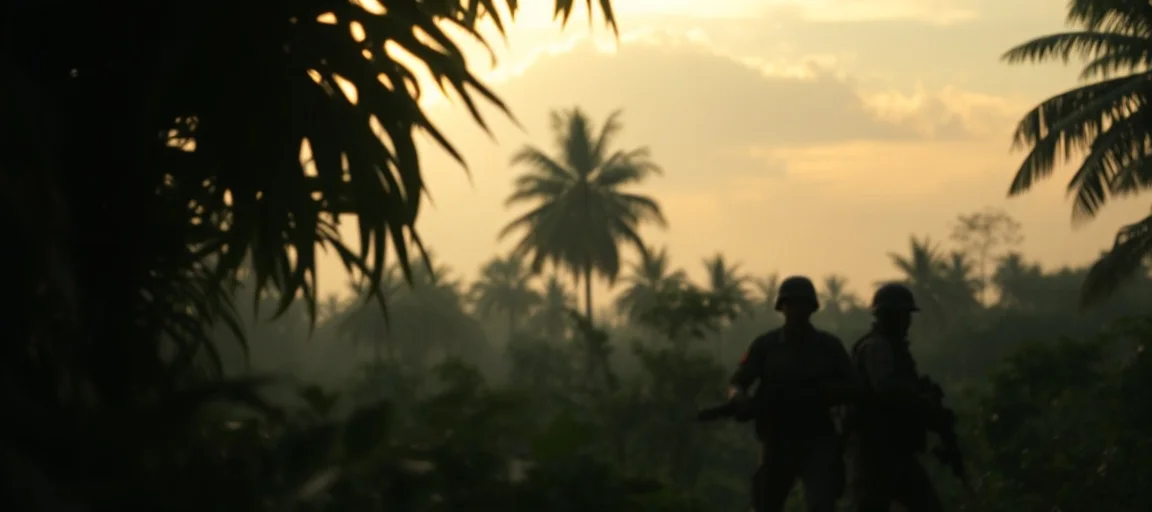
The humanitarian situation in South America has severely deteriorated as the Colombia Clashes Claim 52 Lives, highlighting an escalating guerrilla conflict that continues to plague remote departments. These deadly confrontations, which occurred in the remote southeastern department of Guaviare, involved rival dissident factions of the Revolutionary Armed Forces of Colombia (FARC), highlighting the persistent challenges to peace and stability in the country. The alarming death toll underscores the intense and often violent struggle for territorial control, primarily driven by illicit economies such as cocaine trafficking.
Escalating Tensions: Colombia Clashes Claim 52 Lives
In a stark reminder of Colombia's enduring internal conflicts, at least 52 guerrilla fighters were reported killed in fierce clashes between rival armed groups in the Guaviare department on Thursday, May 28, 2026. This incident marks one of the most violent episodes in recent months, bringing renewed focus on the volatile security situation in strategic regions of the country. The fighting, which erupted in the jungles near the village of Barranco Colorado, involved a dissident faction of the FARC led by Nestor Gregorio Vera, known as "Ivan Mordisco," and another led by Alexander Diaz Mendoza, known as "Calarca Cordoba". Both groups rejected the 2016 peace agreement that led to the demobilization of approximately 13,000 FARC members.
The Roots of Discontent: Territorial Disputes and Illicit Economies
The underlying cause of these fatal clashes is the intense competition for territorial control, particularly in regions vital for cocaine production and trafficking. Guaviare, a department characterized by dense jungle and limited state presence, has long been a strategic corridor for illegal activities, including drug trafficking and illegal mining. The power vacuum left by the original FARC's demobilization has been aggressively filled by various splinter groups and other armed organizations, all vying for control over these lucrative illicit economies. This ongoing struggle fuels a cycle of violence, disproportionately affecting civilian populations and exacerbating humanitarian crises across the country.
The refusal of certain FARC factions to adhere to the 2016 peace accord has created a complex and fragmented landscape of armed groups. While Calarca Cordoba's group has been involved in peace talks with President Gustavo Petro's government, Ivan Mordisco's faction has remained in open conflict with authorities, especially after the suspension of a bilateral ceasefire in 2024. This divergence in approach has only intensified rivalries, leading to direct and often brutal confrontations as seen in Guaviare.
Key Areas of Conflict and Major Incidents
The Guaviare department is not an isolated hotspot; rather, it represents a microcosm of a broader pattern of violence plaguing several regions of Colombia. The clashes near Barranco Colorado were described as the "deadliest fighting in recent months" by one of the involved groups. According to a communiqué from Mendoza's group, approximately 250 fighters from Vera's faction launched a surprise assault on their encampment, leading to a three-hour battle. While the exact figures are difficult to independently verify due to the remote nature of the conflict zone, the claim of "fifty dead on the battlefield" by Calarcá's faction and the overall reported death toll of 52 combatants highlight the severity of the engagement.
Beyond Guaviare, other departments such as Cauca, Valle del Cauca, Nariño, and Norte de Santander also experience persistent violence due to the presence and operations of various armed groups, including the National Liberation Army (ELN), FARC dissidents, and the Gulf Clan. These groups continue to commit severe abuses against civilians, fueled by illegal economies and often operating in areas where state presence is weak. For instance, a bomb attack on a bus in Cauca Department in April 2026 killed twenty people, which authorities blamed on FARC dissidents. The first three months of 2026 alone saw 35 massacres across Colombia, resulting in 133 deaths, marking the most violent quarter in a decade.
Government Response and International Scrutiny
The Colombian government, led by President Gustavo Petro, has acknowledged the fighting in Guaviare. Defence Minister Pedro Sanchez confirmed the deployment of troops to the area to protect civilian populations, although official details on the death toll were not immediately provided. The difficulty in independently verifying casualty figures in such remote and conflict-ridden areas remains a significant challenge for authorities and international observers alike.
Official Statements and Calls for Dialogue
President Petro's administration has pursued a "total peace" strategy aimed at negotiating with and demobilizing remaining armed groups. However, this strategy has yielded mixed results, with violence persisting and, in some areas, escalating. The recent clashes in Guaviare, involving groups that have either rejected peace talks or seen ceasefires suspended, underscore the complexities and fragility of such peace initiatives. The government frequently reiterates its commitment to dialogue, but the persistent actions of armed groups often undermine these efforts.
Allegations of Human Rights Violations
The ongoing conflict and the government's response have consistently drawn international scrutiny, with numerous reports of human rights violations. While the recent clashes in Guaviare primarily involved combatants, broader periods of social unrest in Colombia, such as the 2021 National Strike, saw extensive allegations of excessive force by state security forces. During the 2021 protests, human rights organizations reported numerous civilian deaths, injuries (including severe eye trauma), arbitrary detentions, and instances of sexual violence allegedly committed by police and military personnel.
The UN High Commissioner for Human Rights expressed deep concern over reports of serious human rights violations by state security forces in Colombia during the 2021 protests, verifying 46 deaths and 60 reports of sexual violence. The State Department's 2021 Human Rights Report on Colombia also cited credible reports of arbitrary or unlawful killings by government agents during the protests, linking 25 civilian deaths to police actions. These historical instances create a context of distrust and highlight the critical need for accountability and adherence to international human rights standards during any security operation.
Role of International Organizations
International organizations, including the UN, the Inter-American Commission on Human Rights (IACHR), and various NGOs like Human Rights Watch and Amnesty International, play a crucial role in monitoring the human rights situation in Colombia. They document abuses, advocate for victim's rights, and pressure the government to investigate alleged violations and implement effective protection mechanisms. In 2025, for example, the Office of the UN High Commissioner for Human Rights (OHCHR) received 138 allegations of killings of human rights defenders and social leaders. The International Committee of the Red Cross (ICRC) also reported a significant deterioration in the humanitarian situation in Colombia in the first half of 2025, noting a 145% increase in people wounded or killed by explosive devices compared to the previous year. These organizations provide critical, often independently verified, data that helps to shed light on the true human cost of the conflict.
Impact on Society and Economy
The pervasive violence has profound and multifaceted impacts on Colombian society and its economy. Beyond the immediate casualties, communities in conflict-affected zones endure constant fear, displacement, and a breakdown of social fabric.
Humanitarian Crisis and Civilian Casualties
While the recent Guaviare clashes involved combatants, the broader armed conflict in Colombia continues to result in significant civilian harm. The use of explosive devices by armed groups, for instance, has dramatically increased, with the ICRC reporting 524 people wounded or killed by such devices between January and May 2025, 70% of whom were civilians, including 56 children. This statistic alone illustrates the devastating impact on innocent lives. Furthermore, the Ombudsperson's Office reported 625 cases of child recruitment by armed groups in 2024, an 81% increase from 2023, indicating a horrifying trend where children are drawn into the cycle of violence.
Forced displacement remains a critical issue, with over 64,000 people forced to flee their homes in 2025 due to violence, marking one of the largest mass displacements in decades. Many more experience individual displacement, a less visible but equally serious problem that fragments families and upends lives. These displacements often leave communities vulnerable, lacking access to essential services and support, further deepening humanitarian concerns.
Economic Disruption and Blockades
Conflict and social unrest frequently lead to significant economic disruption. Roadblocks and blockades, often imposed during protests or by armed groups, hinder the movement of goods and people, affecting supply chains and local economies. During the 2021 national strike, for example, extensive roadblocks caused considerable economic losses. The control exerted by armed groups over illicit economies also stifles legitimate economic development, trapping communities in cycles of poverty and dependence on illegal activities. The targeting of infrastructure and businesses during periods of unrest further exacerbates economic instability and discourages investment.
Erosion of Trust in Institutions
Repeated incidents of violence, allegations of human rights abuses, and the perceived inability of the state to protect its citizens erode public trust in government institutions, including the security forces and the justice system. The persistence of armed groups and the ongoing struggle for territorial control despite peace efforts also contribute to a sense of disillusionment among the populace. This erosion of trust can undermine democratic processes and make future peace initiatives even more challenging. As highlighted by reports on police violence during protests, accountability for past abuses and meaningful reforms are essential to rebuild public confidence.
Voices from the Ground: Testimonies and Perspectives
Understanding the multifaceted nature of the conflict requires listening to the diverse voices of those directly affected and involved. The narratives of protesters, security forces, and civil society organizations offer crucial insights into the complexities of Colombia's situation.
Accounts from Protesters
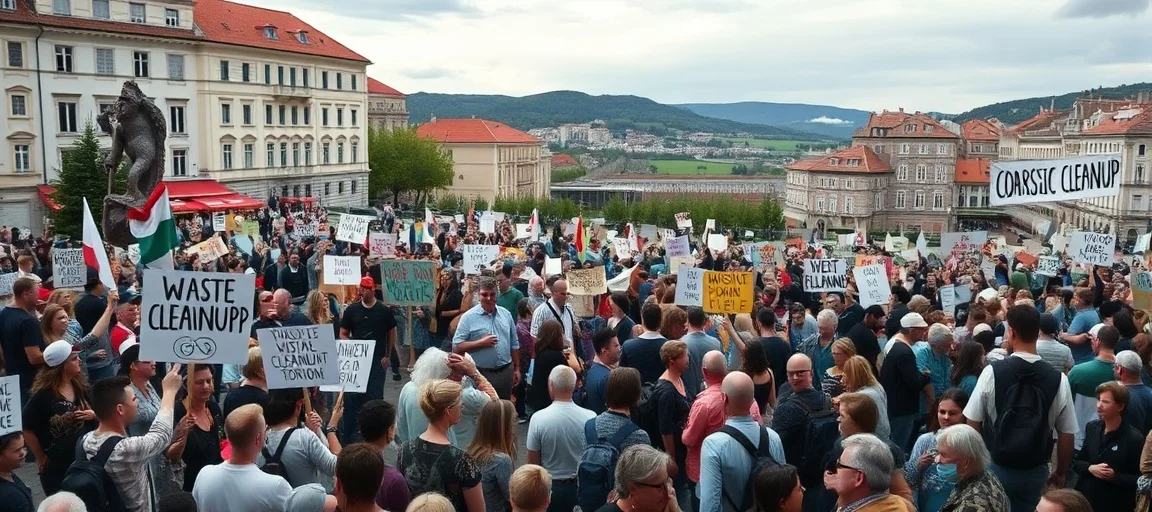
During periods of social unrest, protesters often articulate deep-seated grievances related to inequality, poverty, corruption, and a lack of opportunities. The 2021 National Strike, initially sparked by proposed tax reforms, quickly broadened to encompass demands for social justice, an end to police brutality, and full implementation of the 2016 Peace Agreement. Protesters' testimonies frequently describe disproportionate responses from security forces, arbitrary detentions, and a climate of fear, even during peaceful demonstrations. These accounts highlight a profound sense of disenfranchisement and a desire for fundamental systemic change.
Perspectives from Security Forces
Security forces, including the police and military, often describe their role as maintaining public order and protecting citizens from the threats posed by armed groups and criminal organizations. They operate in highly challenging environments, frequently confronting armed adversaries in remote regions and managing volatile urban protests. While acknowledging reports of abuses, official statements often emphasize the difficulties of distinguishing between peaceful demonstrators and those engaged in violent acts, and the need to restore order. The government has stated its commitment to police reforms focused on enhancing community relations, accountability, and human rights. However, the effectiveness and pace of these reforms remain a subject of debate and scrutiny.
Role of Civil Society
Civil society organizations and human rights defenders are critical actors in Colombia, often serving as intermediaries between communities and the state, and as watchdogs against abuses. They document human rights violations, provide legal and humanitarian assistance to victims, and advocate for peace and justice. However, these activists themselves face significant risks. Colombia is one of the countries with the highest number of human rights defenders killed worldwide, with at least 1,500 killed since 2016. This alarming trend underscores the perilous environment in which civil society operates, yet their persistent efforts are indispensable for accountability and progress towards peace.
Towards Resolution: Challenges and Prospects
The recent deadly clashes in Guaviare, where Colombia Clashes Claim 52 Lives, are a stark reminder that despite years of peace efforts, the nation's path to lasting stability remains fraught with challenges. Addressing the root causes of conflict and fostering a truly inclusive peace will require sustained commitment from all stakeholders.
Demands from the Protesters
Beyond the immediate grievances, many of the demands from social movements and protesters across Colombia center on systemic changes. These include comprehensive land reform, greater investment in rural areas, improved access to education and healthcare, and an end to corruption. There is also a strong call for genuine police reform, including accountability for past abuses and a demilitarization of public order management. Fulfilling these demands is crucial for addressing the underlying inequalities and historical injustices that fuel unrest.
Government's Path Forward
President Petro's "total peace" strategy aims to bring all armed groups to the negotiating table and achieve a lasting resolution to decades of conflict. This involves a multi-pronged approach that includes peace talks with groups like the ELN and dissident FARC factions, alongside efforts to dismantle criminal structures. However, the success of this strategy hinges on its ability to effectively address the economic incentives for illegal activities, provide viable alternatives for former combatants, and ensure robust state presence and justice in remote areas. The government's challenge is to balance dialogue with firm action against groups that continue to engage in violence and human rights abuses.
The Long Road to Reconciliation
Achieving genuine reconciliation in Colombia is a long-term endeavor that extends beyond peace agreements and ceasefires. It requires addressing the trauma of decades of conflict, ensuring justice for victims, and fostering trust between communities, armed groups, and the state. Efforts to implement the 2016 peace accord, particularly its provisions for victims' reparations and rural development, are vital for rebuilding fractured communities and creating conditions for sustainable peace. The international community's continued support for these processes, alongside vigilant monitoring of human rights, will be crucial in Colombia's ongoing journey towards peace and stability.
In conclusion, the tragic incident where Colombia Clashes Claim 52 Lives in the Guaviare department serves as a powerful testament to the ongoing and complex challenges facing the nation. While the immediate focus is on the cessation of hostilities and humanitarian aid, the long-term resolution demands addressing the deep-seated issues of territorial control, illicit economies, social inequality, and the urgent need for comprehensive peacebuilding. The collective efforts of the government, civil society, and international partners are indispensable to navigating this intricate landscape and forging a future of lasting peace for all Colombians.
Frequently Asked Questions
Q: What caused the recent clashes in Colombia?
A: The clashes in Guaviare were caused by intense territorial disputes over drug trafficking routes between rival dissident FARC groups.
Q: Who is Ivan Mordisco in the Colombian conflict?
A: Ivan Mordisco is the leader of a dissident FARC faction that rejected the 2016 peace accord and remains in open conflict.
Q: How has the Colombian government responded to these clashes?
A: President Petro's administration deployed military forces to the region to protect civilians while continuing its total peace strategy.