Brazil Ex-Military Chief Reveals Bolsonaro Coup Details
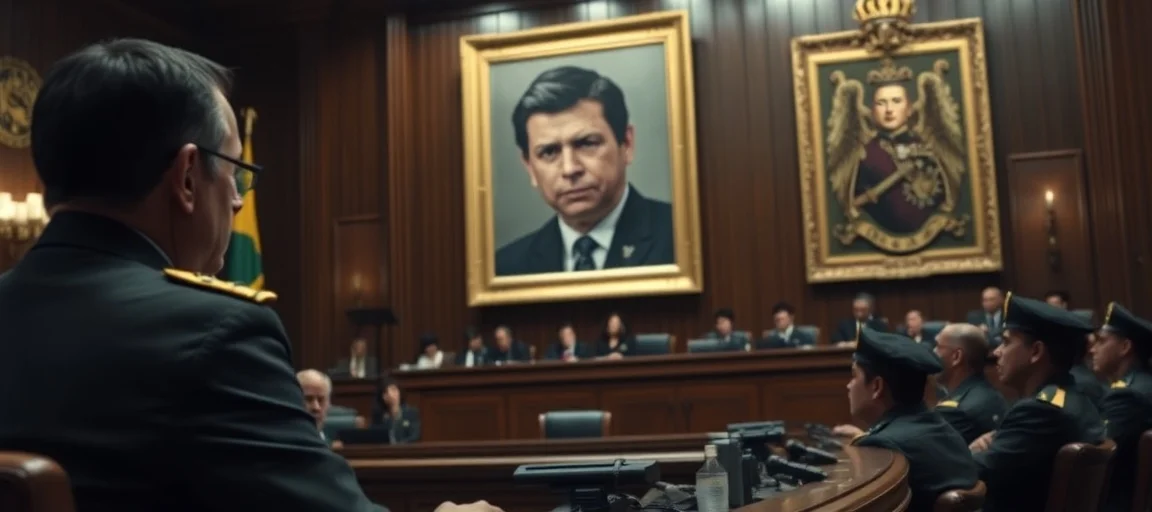
In a significant development that has sent shockwaves through Brazil's political landscape, former Army Commander General Marco Antônio Freire Gomes has reportedly provided crucial testimony to federal police, detailing an alleged plot to prevent the peaceful transfer of power after the 2022 presidential election. These Brazil Ex-Military Chief Reveals Bolsonaro Coup Details shed new light on the extent of the alleged conspiracy, implicating high-ranking officials within the former Bolsonaro administration and raising serious questions about the stability of the nation's democratic institutions. The revelations underscore the deep political divisions that continue to challenge Brazil.
- Allegations Emerge: Ex-Military Chief Reveals Bolsonaro Coup Details
- General Freire Gomes's Testimony: Key Disclosures
- The January 8th, 2023, Insurrection
- Broader Implications of the Brazil Ex-Military Chief Reveals Bolsonaro Coup Details
- Legal and Political Repercussions
- Expert Opinions and Public Reaction
- Conclusion
- Frequently Asked Questions
- Further Reading & Resources
Allegations Emerge: Ex-Military Chief Reveals Bolsonaro Coup Details
The heart of the allegations centers on a purported plan orchestrated by former President Jair Bolsonaro and his allies to contest the results of the 2022 election, which saw Luiz Inácio Lula da Silva emerge victorious. General Freire Gomes's testimony, given as part of a broader investigation by the Federal Supreme Court (STF) into the January 8, 2023, riots and an alleged coup attempt, reportedly outlines meetings and discussions aimed at maintaining Bolsonaro in power. These discussions allegedly involved drafting decrees that would annul the election results, arrest Supreme Court justices, and intervene with the military.
Early Warning Signs and Pre-Election Rhetoric
Long before the 2022 elections, Jair Bolsonaro frequently questioned the integrity of Brazil's electronic voting system, often without presenting concrete evidence. This rhetoric sowed doubt among his supporters and laid the groundwork for potential challenges to any unfavorable election outcome. Critics often viewed these statements as an attempt to delegitimize the democratic process and prepare public opinion for a contested result. The former president's public appearances and social media activity consistently pushed narratives suggesting electoral fraud, despite assurances from electoral authorities about the system's robustness.
The Aftermath of the 2022 Election
Following the October 2022 election, which saw Lula da Silva defeat Bolsonaro, the political tension in Brazil escalated dramatically. Bolsonaro remained largely silent for an extended period, neither conceding defeat nor explicitly recognizing Lula's victory. This silence fueled protests by his supporters, many of whom gathered outside military barracks across the country, calling for military intervention to prevent Lula from taking office. These demonstrations, often blocking roads and engaging in civil unrest, were seen by many as a direct challenge to the democratic outcome and a precursor to the events that would unfold in January 2023.
General Freire Gomes's Testimony: Key Disclosures
General Marco Antônio Freire Gomes, who served as the Army Commander during the critical period surrounding the 2022 election and the January 8th events, reportedly provided a detailed account of internal deliberations and pressures faced by the military leadership. His testimony is considered highly significant because of his direct involvement and access to high-level discussions within the government and armed forces.
Alleged Meetings and Draft Decrees
According to reports, Freire Gomes described meetings where draft decrees proposing extraordinary measures were presented. These decrees allegedly aimed to prevent Lula's inauguration and could be interpreted as an attempt to execute a coup. Specifically, the former commander reportedly detailed discussions about a "state of defense" or "state of siege" decree, which would grant Bolsonaro exceptional powers, including the ability to intervene in the electoral process and potentially detain political adversaries.
Pressure on Military Leadership
Freire Gomes reportedly informed investigators about the immense pressure he and other military leaders faced from Bolsonaro and his close associates to endorse and implement these anti-democratic measures. His testimony suggests that he consistently resisted these efforts, upholding the military's constitutional role and refusing to participate in any actions that would undermine the democratic transition. This resistance, if proven, highlights a crucial internal struggle within the armed forces during a moment of profound national crisis.
Key Figures Implicated
While the full scope of his testimony remains under judicial secrecy, reports indicate that Freire Gomes's account implicates several high-profile figures within the former administration. These reportedly include former President Jair Bolsonaro himself, former Justice Minister Anderson Torres, and other military and civilian advisors who were allegedly involved in crafting or promoting the anti-democratic agenda. The ongoing investigation seeks to ascertain the precise roles and levels of involvement of each individual.
The January 8th, 2023, Insurrection
The culmination of the escalating political tensions and alleged coup plotting manifested dramatically on January 8, 2023. Thousands of Bolsonaro supporters, many of whom had been camping outside army headquarters for weeks, stormed the National Congress, the Supreme Court, and the Presidential Palace in Brasília. This violent insurrection aimed to provoke a military intervention and overturn the election results, echoing similar events seen in other countries.
The Attack on Democratic Institutions
The invaders caused extensive damage to the iconic buildings, destroying artworks, furniture, and historical documents. The coordinated assault on the three branches of government represented an unprecedented attack on Brazil's democratic institutions since the end of military dictatorship in 1985. The images of the ransacked public buildings shocked both Brazilians and the international community, drawing widespread condemnation.
Aftermath and Investigations
In the immediate aftermath, authorities swiftly moved to restore order and launched extensive investigations. Hundreds of individuals involved in the riots were arrested, and inquiries began into those who incited, financed, and facilitated the attacks. The Supreme Court, under Justice Alexandre de Moraes, has been at the forefront of these investigations, issuing numerous arrest warrants and subpoenas for individuals suspected of involvement in the coup attempt. This includes high-profile figures and former government officials, some of whom have already been detained or faced legal restrictions.
Broader Implications of the Brazil Ex-Military Chief Reveals Bolsonaro Coup Details
The revelations from General Freire Gomes's testimony carry profound implications for Brazil's political future, its democratic stability, and the accountability of its former leaders. The ongoing investigations aim not only to prosecute those directly involved in the alleged plot but also to establish a precedent against future attempts to subvert democratic processes.
Strengthening Democratic Institutions
For many, these investigations are crucial for strengthening Brazil's democratic institutions and ensuring that political leaders are held accountable for their actions. The explicit detailing of an alleged plot by a former military commander underscores the fragility of democracy and the constant need for vigilance and adherence to constitutional principles. The judiciary's independent action in pursuing these cases is viewed by many as a vital defense of the rule of law.
The Role of the Military
The testimony also brings into sharp focus the complex role of the military in Brazilian politics. Historically, the armed forces have played a significant role in the country's political upheavals, including a long period of military rule. Freire Gomes's reported resistance to Bolsonaro's alleged plans indicates a division within the military leadership, with some elements upholding their constitutional duty while others may have been more sympathetic to the former president's agenda. The outcome of this investigation could redefine the military's relationship with civilian power.
International Scrutiny
The unfolding events in Brazil have attracted significant international attention. Democracies worldwide are closely monitoring the investigations, recognizing the global implications of attempts to overturn election results. The commitment of Brazilian institutions to prosecute those involved is seen as a test of the country's democratic resilience and its adherence to international democratic norms. Support from international organizations and democratic governments has reinforced the importance of the ongoing legal processes.
Legal and Political Repercussions
The testimony of General Freire Gomes is a critical piece of evidence in the broader investigation, which could lead to severe legal and political repercussions for those implicated. The Federal Supreme Court and federal police are meticulously gathering evidence, including testimonies, digital communications, and financial records, to build comprehensive cases.
Potential Charges
Individuals found to have participated in or incited a coup attempt could face charges ranging from attempted coup d'état and abolition of the democratic rule of law to criminal association and violence against the democratic state. The penalties for such offenses are substantial, reflecting the gravity of undermining constitutional order. The legal process is expected to be lengthy and complex, involving multiple layers of appeals and intricate legal arguments.
Bolsonaro's Legal Standing
Former President Jair Bolsonaro already faces multiple investigations and legal challenges. The Brazil Ex-Military Chief Reveals Bolsonaro Coup Details adds another serious layer to his legal troubles, potentially linking him directly to a plot to prevent the peaceful transfer of power. His political future, including any possibility of running for future office, could be severely impacted by the outcomes of these investigations. The Supreme Court is examining his alleged role in inciting the January 8th riots, and the new testimony further intensifies the scrutiny on his actions.
Impact on Political Parties and Alliances
The ongoing investigations and the revelations emerging from them are also likely to reshape Brazil's political landscape. They could lead to a realignment of political alliances, weaken certain political factions, and influence public trust in political figures and institutions. Parties and politicians associated with the alleged coup attempts may face electoral consequences, while those who defended democracy could gain political capital. The scandal has already created significant rifts within conservative movements in Brazil.
Expert Opinions and Public Reaction
The public reaction to the revelations has been mixed but largely polarized, reflecting the deep divisions within Brazilian society. Experts in law, political science, and military affairs have offered various perspectives on the significance of the testimony and the ongoing investigations.
Legal Scholars Weigh In
Legal scholars emphasize the importance of due process and thorough investigation, stressing that all evidence must be meticulously examined before conclusions are drawn. They point out that proving a direct link between high-level officials and specific coup plots requires substantial and corroborated evidence. However, many also agree that if the allegations are proven, they represent a severe breach of constitutional duty and an attack on democratic norms. The legal precedent set by these cases will be crucial for the future of Brazilian democracy.
Political Analysts' Perspectives
Political analysts suggest that while the testimony is damaging for Bolsonaro and his allies, the ultimate impact will depend on the speed and transparency of the legal process. They note that the ongoing investigations are occurring in a highly charged political environment, and the narratives surrounding them are often shaped by partisan interests. Some analysts also highlight the challenge of bridging the societal divides exacerbated by these events, even as legal accountability is pursued.
Public Sentiment
Public sentiment remains deeply divided. Supporters of Bolsonaro often dismiss the allegations as political persecution, while those who oppose him view the revelations as confirmation of their long-held suspicions about his anti-democratic tendencies. The media's coverage also reflects this polarization, with different outlets emphasizing various aspects of the story. The national conversation is dominated by debates over the legitimacy of the investigations and the future of Brazilian democracy.
Conclusion
The unfolding revelations from Brazil's ex-military chief revealing Bolsonaro coup details mark a critical juncture in the nation's political history. General Freire Gomes's alleged testimony paints a stark picture of the challenges faced by Brazilian democracy in the aftermath of the 2022 elections, detailing immense pressure on the military to subvert the constitutional order. As investigations continue, the emphasis remains on upholding the rule of law and ensuring accountability for all those involved in any alleged plots to undermine the peaceful transfer of power. The ultimate outcome of these processes will undoubtedly have lasting repercussions for Brazil's political landscape and its commitment to democratic principles. The ongoing scrutiny highlights the imperative for robust democratic safeguards and the unwavering defense of institutional integrity against any attempts to destabilize the nation.
Frequently Asked Questions
Q: What are the main allegations made by the former Brazilian Army commander?
A: The former Army Commander, General Marco Antônio Freire Gomes, reportedly testified about an alleged plot by Jair Bolsonaro and allies to annul the 2022 election results, arrest Supreme Court justices, and maintain Bolsonaro in power through military intervention.
Q: What was Jair Bolsonaro's alleged role in the coup plot?
A: Bolsonaro is allegedly implicated in orchestrating the plan, including discussions about drafting decrees to subvert the democratic process and pressuring military leaders to support anti-democratic measures.
Q: What are the potential legal repercussions for those involved?
A: Individuals implicated could face charges like attempted coup d'état, abolition of democratic rule of law, and criminal association, carrying substantial penalties. Investigations are ongoing, and the legal process is expected to be complex.