Vietnam Warns of Global Crises at Asia Security Summit: A Call for Trust
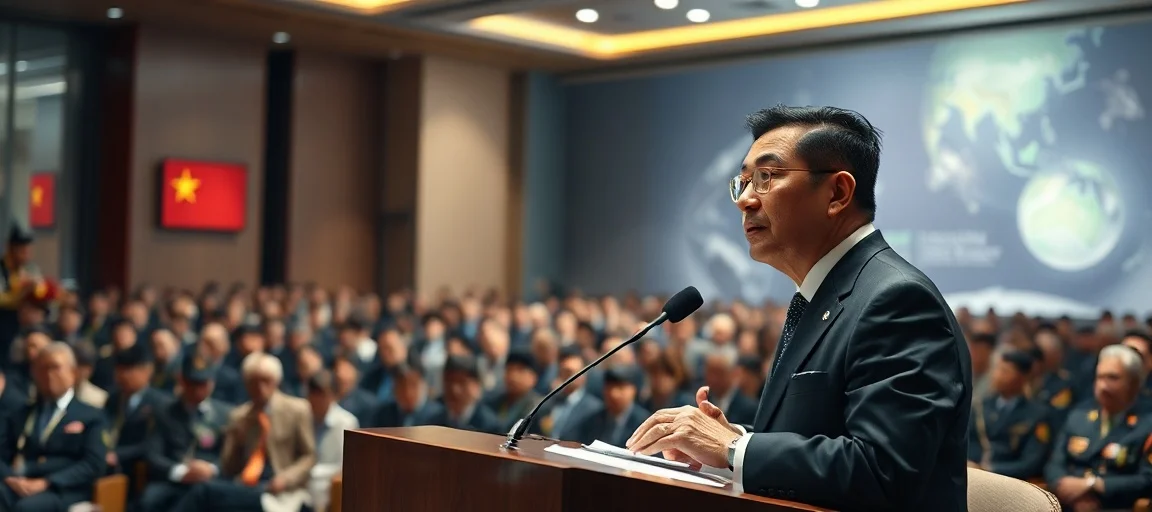
In a pivotal address at Asia's premier defense forum, the Shangri-La Dialogue, Vietnamese President and Communist Party General Secretary To Lam issued a stark warning about the convergence of profound global crises. Delivering the keynote speech on May 29, 2026, President Lam highlighted the urgent need for international cooperation to address the erosion of global order, challenges in development models, and a significant crisis of trust among nations. His compelling message, "Vietnam Warns of Global Crises at Asia Security Summit," resonated deeply with leaders, diplomats, and security officials gathered in Singapore, emphasizing that these foundational instabilities are not insurmountable realities but require collective, proactive solutions.
- Vietnam Warns of Global Crises at Asia Security Summit: An Urgent Call for Action
- Rising Geopolitical Tensions in the Indo-Pacific
- Economic Shocks and Global Interdependence
- Calls for Multilateralism and Cooperation
- International Reactions and Regional Perspectives
- The Road Ahead: Navigating a Complex Global Landscape
- Conclusion
- Frequently Asked Questions
- Further Reading & Resources
Vietnam Warns of Global Crises at Asia Security Summit: An Urgent Call for Action
President To Lam's keynote address at the 23rd Shangri-La Dialogue underscored Vietnam's growing role in global diplomacy and its commitment to fostering stability in an increasingly volatile world. He identified three critical, interconnected crises that threaten international peace and prosperity: the erosion of international rules and law, a crisis in development models, and a pervasive crisis of strategic trust among countries. These warnings from the Vietnamese leader came during his first major foreign policy speech since assuming the presidency and the powerful role of Communist Party chief, marking him as Vietnam's most influential leader in decades.
Understanding the Shangri-La Dialogue
The Shangri-La Dialogue, hosted annually by the International Institute for Strategic Studies (IISS) in Singapore, serves as Asia's foremost defense summit. It convenes defense ministers, military chiefs, intelligence leaders, diplomats, and experts from across the Indo-Pacific and beyond to discuss pressing security challenges facing the region. The forum provides a crucial platform for candid exchanges and efforts to build consensus on complex issues, fostering an environment where nations can air concerns and seek collaborative solutions. President Lam's decision to use this high-profile platform to deliver such a pointed message reflects the gravity with which Vietnam views the current global landscape.
The Context of Geopolitical Volatility
The contemporary geopolitical environment is characterized by a complex interplay of emerging and entrenched challenges. From escalating tensions in various maritime routes to economic uncertainties and the accelerating impacts of climate change, the world faces a multifaceted security paradigm. President Lam emphasized that the Asia-Pacific, while a dynamic center of growth, is simultaneously a "theatre of intense strategic competition" and "fraught with risk at sea". This makes the region both a focal point for global challenges and a potential incubator for innovative solutions. Vietnam's warnings highlighted that merely reacting to crises after they erupt is insufficient; a proactive approach to risk mitigation is imperative.
Rising Geopolitical Tensions in the Indo-Pacific
A significant portion of President Lam's address at the Asia Security Summit implicitly or explicitly touched upon the heightened geopolitical tensions particularly evident in the Indo-Pacific. This region, vital for global trade and security, is a nexus of major power rivalry and territorial disputes, making Vietnam's call for responsible conduct critically important.
South China Sea Disputes
The South China Sea remains one of the most significant flashpoints in the Asia-Pacific. Vietnam, like several other nations in the region, has competing maritime claims with China, leading to periodic confrontations and heightened tensions. These disputes underscore the broader "crisis of international order" that President Lam articulated, where international law and established norms are often challenged. Vietnam consistently advocates for the peaceful settlement of all disputes based on international law, particularly the 1982 UN Convention on the Law of the Sea (UNCLOS). The Vietnamese leader stressed that peace and stability cannot be sustained through power competition alone but must rest on international law, dialogue, and restraint.
Major Power Rivalry and Regional Stability
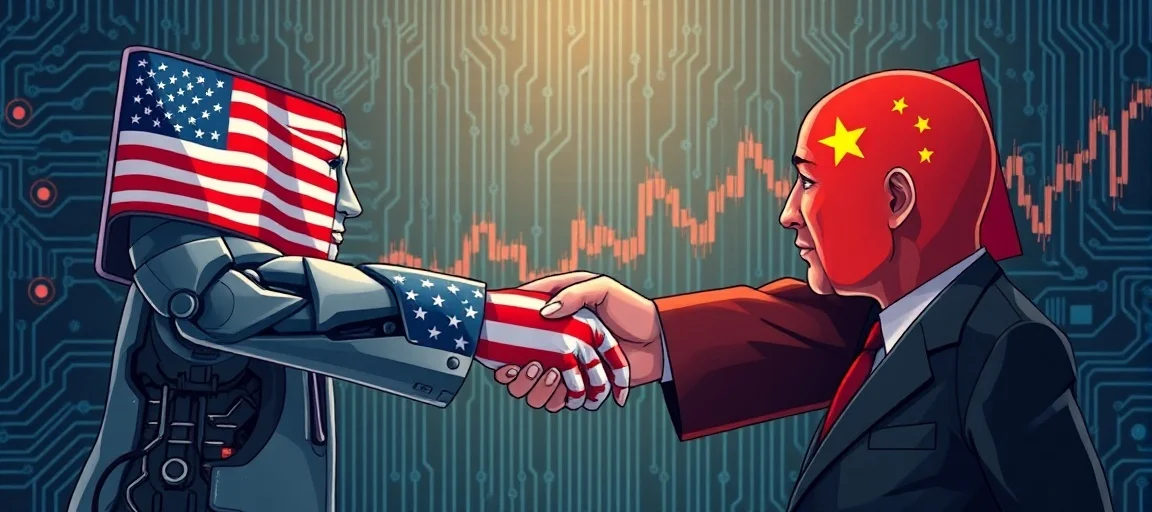
The presence and strategic competition among major global powers, particularly the United States and China, profoundly influence the Indo-Pacific's stability. Vietnam maintains a delicate diplomatic balance, guided by its foreign policy of independence, self-reliance, diversification, and multilateralism, often referred to as its "Four No's" defense policy: no military alliances, no foreign military bases on its soil, no reliance on one country against another, and no use or threat of force in international relations. President Lam reiterated this stance, asserting that the region seeks "responsible commitment" from major powers rather than mere presence or absence, emphasizing that competition must be "bounded by law, guided by transparency, and exercised with restraint". This nuanced approach highlights Vietnam's desire for an inclusive regional architecture that respects the sovereignty of all nations.
Economic Shocks and Global Interdependence
Beyond geopolitical friction, President To Lam extensively addressed the economic dimension of global instability, framing it as a "crisis of development models." This crisis is characterized by slowing global growth, the erosion of globalization, and increasingly vulnerable supply chains. These economic realities directly impact the prosperity and resilience of nations worldwide, with the Asia-Pacific being particularly susceptible due to its deep integration into the global economy.
Supply Chain Vulnerabilities and Inflation
The past few years have exposed significant fragilities within global supply chains, leading to disruptions and inflationary pressures across the globe. President Lam pointed out that the region, while benefiting profoundly from globalization, now "faces mounting pressure from supply chain fragmentation". He also referenced how regional conflicts, such as those in the Middle East affecting the Strait of Hormuz, can rapidly disrupt trade, energy supplies, and logistics worldwide, impacting socioeconomic life. This interconnectedness means that economic shocks in one part of the world can quickly cascade, posing challenges to all nations and necessitating collective strategies for economic resilience. Vietnam, through its "Doi Moi" (renewal) policy and international integration, profoundly understands the value of development and its intertwining with regional peace and stability.
The Impact of Climate Change on Security
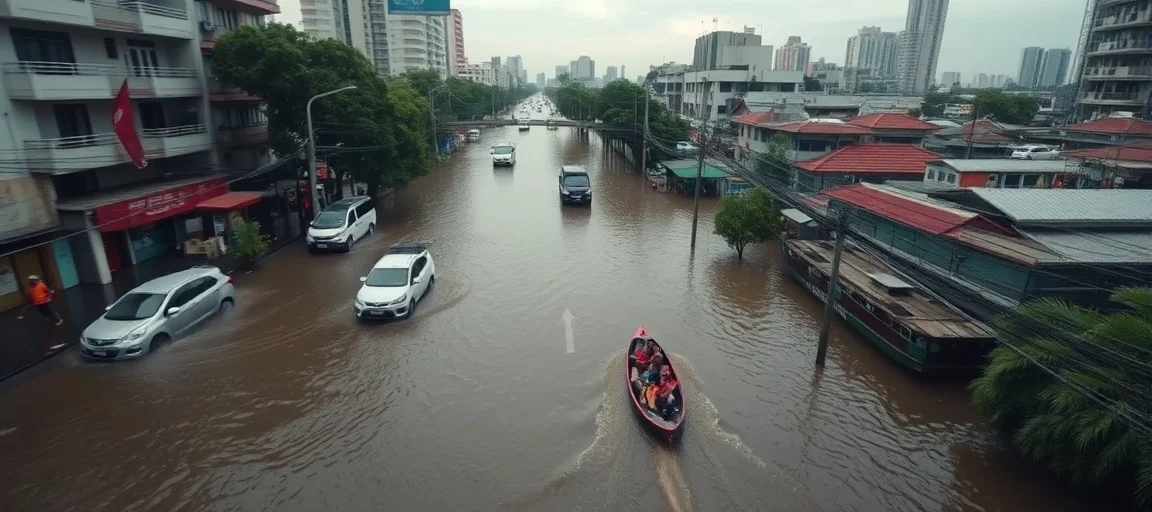
Climate change was identified as another critical component of the development crisis, recognized for its potential to exacerbate existing security threats and create new ones. Environmental degradation, resource scarcity, and extreme weather events can lead to displacement, social unrest, and increased competition for vital resources, thereby affecting national and regional security. President Lam's inclusion of climate change among the top global crises underscores a comprehensive view of security that extends beyond traditional military concerns to encompass environmental and human security aspects. Building societal resilience against such non-traditional threats was explicitly highlighted as crucial for sustainable security.
Calls for Multilateralism and Cooperation
In his address at the Asia Security Summit, President Lam not only identified the pressing global crises but also outlined a clear vision for their resolution, strongly advocating for enhanced multilateralism, dialogue, and practical cooperation. Vietnam's foreign policy is consistently centered on independence, self-reliance, peace, cooperation, and development, alongside diversification and multilateralization of external relations.
Strengthening ASEAN's Role
A cornerstone of Vietnam's proposed solutions is the strengthening of ASEAN's (Association of Southeast Asian Nations) centrality in shaping an open, inclusive, and transparent regional security architecture. President Lam stressed that ASEAN's centrality "is neither taken for granted nor self-sustaining" and requires continuous effort to ensure inclusiveness is matched by effectiveness, dialogue generates action, and consensus enables timely responses to shared challenges. Vietnam has actively championed ASEAN-centric solutions to regional issues, including during its chairmanship in 2020, where it pushed for progress on the Code of Conduct in the South China Sea (CoC). By reinforcing ASEAN, the region can foster greater solidarity and a unified voice in navigating complex geopolitical currents.
Dialogue as a Path to De-escalation
President Lam emphasized dialogue, transparency, and practical cooperation mechanisms as the only means to preserve regional peace and stability. He called for a shift from passive response to proactive shaping, moving from merely reiterating principles to operationalizing mechanisms, and from managing crises after they erupt to mitigating risks before they escalate. This proactive approach includes creating "diverse channels of consultation, more flexible mediation mechanisms, incident contact mechanisms, quasi-formal exchange platforms, and broader confidence-building initiatives linking defense establishments, security agencies, maritime law-enforcement bodies, scholars, businesses and social organizations". The objective is to establish "credible diplomatic off-ramps" to prevent escalation into conflict.
International Reactions and Regional Perspectives
President To Lam's keynote address garnered significant international media attention, with various outlets recognizing its historical significance and Vietnam's increasing diplomatic prominence. His clear articulation of global challenges and proposed solutions resonated with a broad audience of defense ministers, military chiefs, and policymakers. The speech was widely viewed as reflecting Vietnam's proactive and responsible approach toward regional affairs.
The emphasis on reinforcing international law, fostering trust, and promoting dialogue was well-received, particularly amidst ongoing geopolitical competitions. Major powers were urged to pursue "responsible commitment" rather than coercion, a message that underscores a collective desire for a rules-based international order. While nations may have differing perspectives on specific issues, the shared objective of avoiding escalation and ensuring regional stability provides common ground for engagement.
The Road Ahead: Navigating a Complex Global Landscape
The address delivered by President To Lam at the Shangri-La Dialogue serves as a powerful reminder of the intricate and interconnected challenges facing the world today. His warning of a triple crisis – encompassing international order, development models, and strategic trust – calls for a paradigm shift in how nations approach global security. It highlights the necessity of moving beyond traditional defense concerns to embrace a broader understanding of security that includes economic stability, environmental resilience, and human welfare.
Vietnam's call for reinforcing international law, promoting dialogue, and strengthening multilateral institutions like ASEAN offers a pragmatic pathway forward. The nation's foreign policy, characterized by independence, self-reliance, and a commitment to peaceful resolution, positions it as a credible voice for moderation and cooperation in a turbulent world. The future stability and prosperity of the Asia-Pacific, and indeed the world, will depend on the collective willingness of nations to confront these crises squarely and work collaboratively towards a safer, more resilient, and prosperous global environment.
Conclusion
Vietnamese President To Lam’s recent keynote address, delivered at the high-profile Asia Security Summit, delivered a critical assessment of the current global landscape. By pinpointing the converging crises of international order, development, and strategic trust, President Lam articulated a compelling case for urgent, concerted action. His advocacy for strengthening international law, fostering dialogue, and bolstering multilateral platforms like ASEAN provides a constructive framework for navigating geopolitical complexities and economic uncertainties. The message from Vietnam Warns of Global Crises at Asia Security Summit is clear: while challenges are formidable, they are not insurmountable, and a collective commitment to responsible coexistence and cooperation offers the most viable path towards a more stable and prosperous future.
Frequently Asked Questions
Q: What were the three main global crises identified by President Lam at the Asia Security Summit?
A: President To Lam highlighted three critical, interconnected crises: the erosion of international rules and law, a crisis in development models, and a pervasive crisis of strategic trust among countries. He emphasized these instabilities threaten global peace and prosperity.
Q: What is the significance of the Shangri-La Dialogue?
A: The Shangri-La Dialogue is Asia's premier defense summit, hosted annually in Singapore. It serves as a crucial platform for defense ministers, military chiefs, diplomats, and experts to discuss pressing security challenges, foster candid exchanges, and build consensus on complex issues across the Indo-Pacific.
Q: How does Vietnam propose to address these global challenges?
A: Vietnam advocates for enhanced multilateralism, dialogue, and practical cooperation. President Lam urged strengthening ASEAN's centrality, promoting transparency, and creating diverse consultation channels and flexible mediation mechanisms to prevent escalation and build confidence.