US-Iran Tensions Escalate: Trump Warns of 'Big Hit'
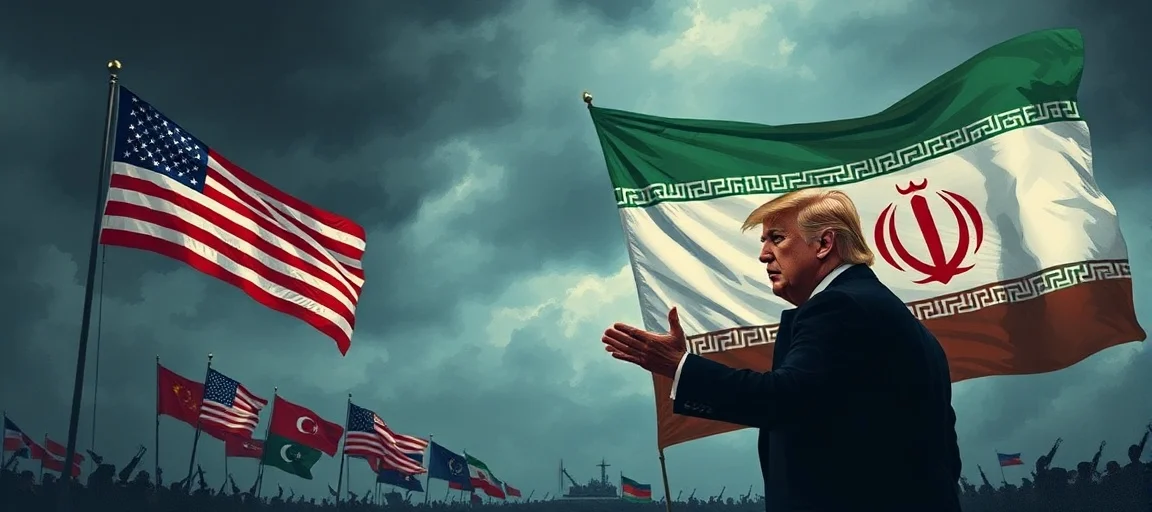
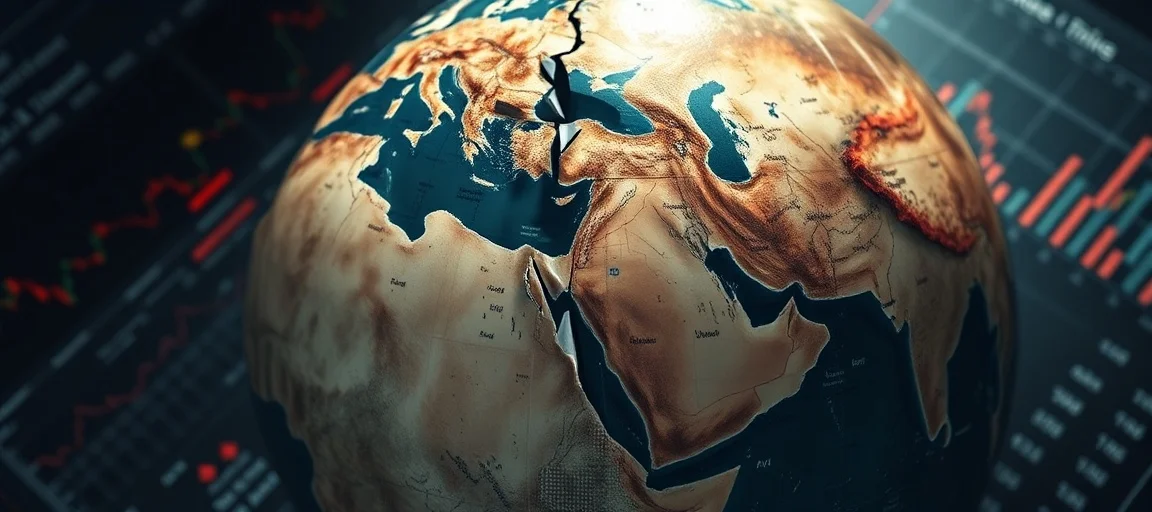
Amidst a volatile geopolitical landscape, US-Iran Tensions Escalate: Trump Warns of 'Big Hit', bringing the long-standing animosity between Washington and Tehran to a perilous precipice. This period of heightened friction saw a series of significant events and retaliatory actions, culminating in stark warnings from the then-US President Donald Trump that captured global attention and stoked fears of a broader conflict. The escalating rhetoric and military maneuvers underscore the intricate and often dangerous nature of international relations, demanding careful diplomatic navigation to avert widespread instability and potential humanitarian crises.
- Historical Context: A Legacy of Distrust
- The Spark of Escalation: Targeting Soleimani
- Rhetoric and Warnings: US-Iran Tensions Escalate and Trump's 'Big Hit'
- International Reactions and Diplomatic Efforts
- Economic and Regional Impact
- Expert Analysis and Future Outlook
- Frequently Asked Questions
- Further Reading & Resources
- Conclusion
Historical Context: A Legacy of Distrust
The relationship between the United States and Iran has been fraught with tension for decades, marked by pivotal historical events that continue to shape their interactions. The 1979 Iranian Revolution and the subsequent hostage crisis fundamentally altered bilateral ties, transforming a strategic alliance into one of profound mistrust and antagonism. This animosity was further cemented by Iran's nuclear program and its regional influence, which the U.S. and its allies viewed as destabilizing. Following the revolution, U.S. policy shifted from engagement to containment, often involving support for regional rivals, most notably during the Iran-Iraq War (1980-1988), where the U.S. provided intelligence and financial aid to Iraq despite its use of chemical weapons.
Successive U.S. administrations adopted varying approaches, from attempts at rapprochement under President Khatami in the late 1990s to the "Axis of Evil" designation by President George W. Bush in 2002. However, the core issues of Iran's nuclear ambitions, its support for non-state actors, and human rights concerns remained persistent points of friction. Sanctions, diplomatic isolation, and proxy conflicts have been recurring themes, contributing to a deeply entrenched cycle of suspicion and reprisal. The landmark 2015 Joint Comprehensive Plan of Action (JCPOA), commonly known as the Iran nuclear deal, represented a rare moment of diplomatic breakthrough, designed to curb Iran's nuclear program in exchange for sanctions relief. Yet, this fragile agreement was short-lived. The withdrawal of the United States from the JCPOA in May 2018 under the Trump administration served as a major turning point, dismantling a key diplomatic framework and paving the way for renewed escalations. This decision reimposed stringent sanctions on Iran, severely impacting its economy and prompting Tehran to gradually scale back its commitments under the deal, further fueling the engines of confrontation and pushing the two nations to the brink.
The Spark of Escalation: Targeting Soleimani
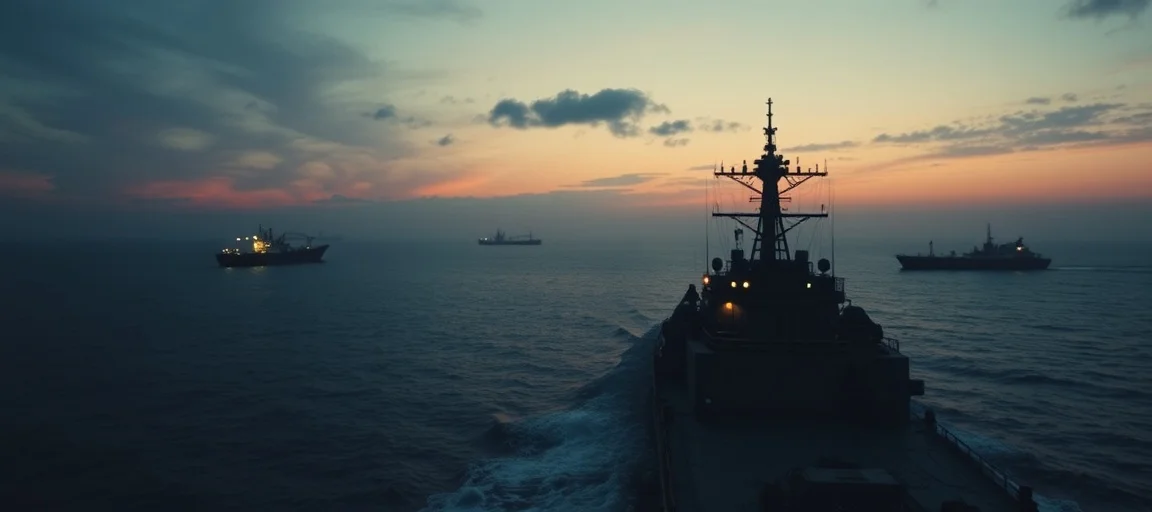
The period leading up to Trump's "big hit" warning was characterized by a series of increasingly aggressive actions and counteractions in the Persian Gulf and beyond. Tensions significantly spiked in mid-2019 with attacks on several oil tankers in the Strait of Hormuz and Gulf of Oman, which the U.S. and its allies blamed on Iran, though Tehran vehemently denied involvement. Additionally, a sophisticated drone and missile attack on Saudi Aramco oil facilities in Abqaiq and Khurais in September 2019, which temporarily halved Saudi oil production, was also attributed to Iran by the U.S. and Saudi Arabia, marking a dramatic escalation and impacting global oil supplies. Iran, for its part, shot down a U.S. RQ-4 Global Hawk surveillance drone over the Strait of Hormuz in June 2019, claiming it had violated Iranian airspace, a claim the U.S. disputed, nearly leading to a retaliatory U.S. military strike that Trump called off at the last minute. These incidents painted a vivid picture of a region on edge, with both sides testing boundaries and demonstrating military capabilities, raising the specter of open conflict.
The most critical turning point, however, arrived in early January 2020 with the U.S. drone strike that killed Qassem Soleimani, the powerful commander of the Islamic Revolutionary Guard Corps’ (IRGC) Quds Force, near Baghdad International Airport. Soleimani was a pivotal figure in Iran's regional foreign policy and military operations, orchestrating proxy forces and extending Iranian influence across Iraq, Syria, Lebanon, and Yemen. The U.S. justified the strike by asserting Soleimani was planning "imminent attacks" on American diplomats and service members in Iraq and elsewhere, citing intelligence of credible threats. This audacious act was widely perceived as a severe provocation by Iran, which immediately vowed "crushing revenge" for the killing of its top military strategist and national hero. The international community braced for immediate and substantial retaliation, recognizing the immense implications of eliminating such a high-profile figure, not just for Iran but for the delicate balance of power in the entire Middle East. Legal experts and international bodies also raised questions about the legality of the strike under international law without prior congressional approval or clear evidence of an imminent threat.
Rhetoric and Warnings: US-Iran Tensions Escalate and Trump's 'Big Hit'
Following the strike on Qassem Soleimani, the United States escalated its rhetoric, with then-President Donald Trump issuing stark warnings about potential further actions. Trump publicly warned that if Iran retaliated against American assets or personnel, the U.S. was prepared to strike 52 Iranian sites – a number significant as it referenced the 52 American hostages held in Iran after the 1979 revolution. He famously stated that these targets, some of which he controversially noted were culturally significant, would be hit "very fast and very hard" and warned of a "big hit" against Iran if it attacked any American interests. This aggressive stance was intended to deter Iranian retaliation but also raised alarms globally about the potential for miscalculation and rapid escalation into a full-scale, devastating conflict. The deliberate mention of cultural sites drew widespread condemnation from international legal experts, cultural heritage organizations, and U.S. allies, as targeting cultural heritage is generally prohibited under international humanitarian law, specifically the 1954 Hague Convention.
True to its vows, Iran launched ballistic missile attacks on two Iraqi military bases housing U.S. troops – Al-Asad Air Base and a base in Erbil – on January 8, 2020. These strikes were described by Iran as "Operation Martyr Soleimani" and were a direct, albeit calibrated, response to the killing of its general. While no U.S. fatalities were reported, dozens of American service members suffered traumatic brain injuries (TBIs), underscoring the severity of the attacks and the precision with which they were carried out. The initial U.S. assessment that there were no casualties was later revised, highlighting the dangerous nature of the strikes. The immediate aftermath saw a de-escalation of direct military confrontations, as both sides appeared to step back from the brink of a wider war. However, the incident left a deep scar, solidifying the perception that the US-Iran Tensions Escalate: Trump Warns of 'Big Hit' episode represented a critical flashpoint in their adversarial relationship, demonstrating both the capacity for severe action and a surprising willingness to pull back from the abyss.
International Reactions and Diplomatic Efforts
The escalating tensions between the U.S. and Iran prompted widespread international concern and fervent calls for de-escalation from global leaders and organizations. Many European nations, particularly France, Germany, and the United Kingdom, expressed profound alarm over the deteriorating situation and urged both Washington and Tehran to exercise maximum restraint and pursue immediate diplomatic solutions. They emphasized the critical importance of preserving the JCPOA, despite the U.S. withdrawal, as a crucial framework for managing Iran's nuclear program and a potential pathway to broader stability. European diplomats actively engaged in shuttle diplomacy, attempting to mediate between the two sides and highlighting the severe danger of miscalculation in an already volatile and heavily armed region.
The United Nations also voiced deep concern, with Secretary-General António Guterres repeatedly stressing the need for constructive dialogue and warning against any further actions that could destabilize the Middle East, a region already grappling with multiple complex conflicts. Other major global powers, such as China and Russia, while often critical of U.S. foreign policy, also called for calm and urged a return to multilateral diplomacy, fearing the economic and security ramifications of a regional war. The consensus among the international community was that a direct military conflict between the U.S. and Iran would have catastrophic consequences for global stability, energy markets, and regional security, affecting countless lives, potentially displacing millions, and drawing in other nations. These concentrated diplomatic efforts, though challenging amidst such high tensions, played a crucial role in preventing an immediate, full-blown military confrontation and underscore the importance of international cooperation in managing geopolitical flashpoints.
Economic and Regional Impact
The heightened US-Iran tensions had significant and far-reaching repercussions across the global economy and the broader Middle East. One of the most immediate impacts was felt acutely in the oil markets. The Persian Gulf, particularly the Strait of Hormuz, is a crucial waterway for approximately one-fifth of the world's total petroleum consumption, and any threat to its stability immediately triggers concerns about supply disruptions. Following each major escalation, such as the tanker attacks, the assault on Saudi Aramco facilities, or the Soleimani killing, global oil prices experienced sharp spikes, reflecting intense market anxiety over potential supply shortages and increased shipping costs. This volatility underscored the region's critical role in global energy security and the potential for geopolitical crises to translate rapidly into severe economic shocks worldwide.
Regionally, the tensions exacerbated existing conflicts and proxy rivalries, particularly in states where both U.S. and Iranian interests are deeply entrenched. Countries like Iraq, which hosts both U.S. troops and Iran-backed militias, found themselves caught dangerously in the crossfire. The strike on Soleimani in Baghdad raised profound questions about Iraqi sovereignty and fueled significant calls from some Iraqi political factions and popular movements for the withdrawal of all U.S. troops, leading to parliamentary votes and ongoing debates about foreign military presence. Furthermore, proxy conflicts in Lebanon, Yemen, and Syria, where Iran supports various non-state actors (like Hezbollah in Lebanon, the Houthis in Yemen, and the Assad regime in Syria), also felt the ripple effects, as the broader U.S.-Iran confrontation intensified the underlying power struggles and increased the flow of arms and aid. The constant threat of conflict diverted much-needed resources away from development, hindered economic growth, and contributed to a pervasive sense of insecurity across the Middle East, severely impacting trade, investment, and tourism, further destabilizing already fragile states.
Expert Analysis and Future Outlook
Geopolitical analysts offered varied perspectives on the implications of the US-Iran tensions and the "big hit" warnings. Many experts cautioned that the direct targeting of a high-ranking military official like Soleimani set a dangerous precedent, potentially lowering the threshold for similar actions in future conflicts and eroding established norms of statecraft. They argued that while immediate military de-escalation occurred, the underlying causes of friction, notably Iran's nuclear program, its regional influence, and the impact of U.S. sanctions, remained unresolved, leaving the door open for future confrontations. Some believed that Iran's measured missile response, which avoided direct U.S. fatalities but inflicted significant non-lethal injuries, signaled a strategic desire to avoid a full-scale war while still asserting its capability and commitment to retaliation, showcasing a delicate balance between deterrence and de-escalation. The "maximum pressure" campaign pursued by the Trump administration was also widely debated, with critics arguing it failed to achieve its objectives and only increased instability.
Looking ahead, the relationship between the U.S. and Iran remains one of the most unpredictable and critical challenges in international relations. Any future U.S. administration will grapple with the complex legacy of these escalations, including the re-imposition of stringent sanctions and the dismantling of the nuclear deal. The ongoing development of Iran's nuclear program, its ballistic missile capabilities, and its regional activities will continue to be primary sources of contention and potential flashpoints. Dialogue and diplomacy remain critical for any sustainable resolution, but trust is severely eroded on both sides. Experts suggest that a viable path forward would require a comprehensive approach addressing not only the nuclear issue but also broader regional security concerns, human rights, and the array of grievances that fuel the prolonged antagonism. The potential for future flare-ups remains high, necessitating careful management, robust diplomatic channels, and a clear understanding of red lines from all parties involved to prevent a return to the brink of war.
Frequently Asked Questions
Q: What were the primary causes of the escalation in US-Iran tensions in early 2020?
A: The primary causes included the U.S. withdrawal from the Joint Comprehensive Plan of Action (JCPOA) in 2018, the subsequent reimposition of stringent sanctions, and a series of regional incidents. These culminated in the U.S. drone strike that killed Iranian General Qassem Soleimani in January 2020.
Q: What was the "big hit" warning issued by former President Trump?
A: Following the killing of Soleimani, former President Trump warned that if Iran retaliated against U.S. personnel or assets, the U.S. was prepared to strike 52 Iranian sites "very fast and very hard," with some reportedly being cultural targets.
Q: How did Iran retaliate to the killing of Qassem Soleimani?
A: Iran retaliated by launching ballistic missile attacks on two Iraqi military bases housing U.S. troops, Al-Asad Air Base and a base in Erbil, on January 8, 2020. While no U.S. fatalities were reported, dozens of American service members suffered traumatic brain injuries.
Further Reading & Resources
- Council on Foreign Relations: U.S.-Iran Relations
- Al Jazeera: Timeline of US-Iran Tensions
- International Crisis Group: Iran and the Middle East
- The New York Times: Soleimani's Death
- BBC News: Iran missile attacks on US bases
Conclusion
The period of intense confrontation marked by the US-Iran Tensions Escalate: Trump Warns of 'Big Hit' episode stands as a stark reminder of the fragile balance in global geopolitics. From the unilateral withdrawal from the nuclear deal to the targeted killing of Qassem Soleimani and subsequent ballistic missile attacks, each step brought the world closer to a major regional conflict. While immediate large-scale military engagement was averted through a combination of calibrated responses and diplomatic pressure, the underlying issues that fuel the rivalry between the United States and Iran persist and continue to pose significant risks. The events underscored the critical importance of diplomacy, de-escalation mechanisms, and robust international cooperation in managing complex geopolitical challenges and preventing unintended conflicts. Moving forward, the international community remains vigilant, recognizing that the trajectory of US-Iran relations will profoundly impact not only the stability of the Middle East but also global security for years to come.