US-Iran Tensions Escalate: Ceasefire Hopes & Hormuz Threat
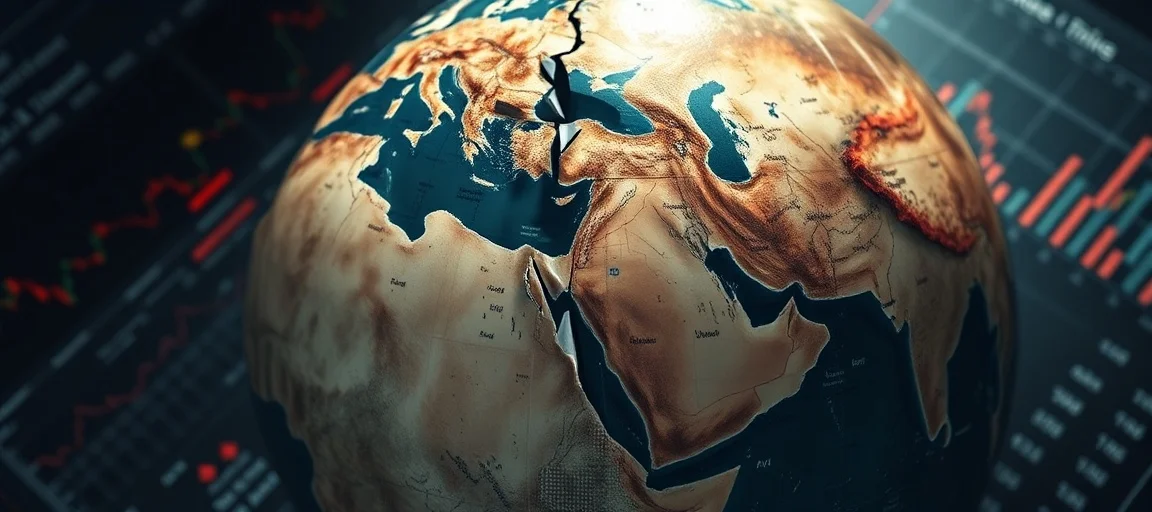
The delicate geopolitical balance in the Middle East is once again under scrutiny as US-Iran Tensions Escalate: Ceasefire Hopes & Hormuz Threat looms large, capturing global attention. Recent developments indicate a significant uptick in rhetoric and military posturing, prompting international concern over potential flashpoints and the stability of a region critical to global energy supplies. The ongoing dynamic between the United States and Iran has historically been complex, marked by periods of confrontation and uneasy calm, with the current situation demanding careful diplomatic navigation to avert wider conflict. Observers are closely monitoring any signs of de-escalation, while the strategic importance of the Strait of Hormuz remains a constant and critical factor in these escalating tensions.
Background to US-Iran Tensions
The relationship between the United States and Iran has been fraught with challenges for decades, rooted in historical events and divergent strategic interests. Understanding the current escalation requires a brief look at the foundational elements of this enduring rivalry.
Historical Context
The initial rupture in diplomatic relations between the U.S. and Iran can be traced back to the 1979 Iranian Revolution, which saw the overthrow of the U.S.-backed Shah and the establishment of an Islamic Republic. This pivotal event led to the hostage crisis and a subsequent severing of ties, initiating a long period of mutual distrust. Over the years, key points of contention have included Iran's nuclear program, its support for regional proxies, human rights issues, and ballistic missile development. Successive U.S. administrations have grappled with how to contain Iran's influence, often employing a combination of sanctions, diplomatic isolation, and military deterrence.
The Joint Comprehensive Plan of Action (JCPOA), or the Iran nuclear deal, signed in 2015, represented a brief period of eased tensions, offering sanctions relief in exchange for curbs on Iran's nuclear activities. However, the U.S. withdrawal from the agreement in 2018 under the Trump administration reignited many of the pre-existing disputes and significantly heightened the confrontational stance between the two nations, illustrating the complex dynamics of international politics. This withdrawal was followed by the re-imposition and expansion of stringent sanctions, which severely impacted Iran's economy and intensified its isolation on the global stage.
Recent Flashpoints
In the period leading up to the current escalation, several incidents have served as critical flashpoints, exacerbating an already volatile situation. These include a series of attacks on oil tankers in the Gulf, often attributed to Iran, as well as drone incidents and missile strikes in the region involving Iranian-backed groups. The assassination of Iranian General Qasem Soleimani in January 2020 by a U.S. drone strike marked a severe escalation, prompting retaliatory missile attacks by Iran on U.S. bases in Iraq and bringing the two countries to the brink of direct military confrontation.
More recently, concerns have grown over Iran's continued advancements in its nuclear program, with reports indicating increased uranium enrichment beyond the limits set by the defunct JCPOA. Simultaneously, there have been renewed reports of Iranian support for Houthi rebels in Yemen and various militias in Iraq, Syria, and Lebanon, which the U.S. views as destabilizing activities in the region. These actions, coupled with continuous military exercises by both sides, contribute to a pervasive sense of instability, making the prospect of de-escalation increasingly challenging and underscoring the urgency of diplomatic efforts.
The Escalation of US-Iran Tensions: Ceasefire Hopes & Hormuz Threat
The current state of US-Iran Tensions Escalate: Ceasefire Hopes & Hormuz Threat is characterized by a complex interplay of military maneuvers, diplomatic overtures, and economic pressures. As both nations continue to navigate this precarious situation, the international community remains focused on preventing further destabilization.
Strait of Hormuz: A Critical Chokepoint
The Strait of Hormuz is undeniably one of the most strategically vital maritime chokepoints in the world. Situated between the Persian Gulf and the Gulf of Oman, it is the sole sea passage from the Persian Gulf to the open ocean for a vast majority of the world's oil supply. Approximately one-fifth of the world's total oil consumption and a significant portion of its liquefied natural gas (LNG) transits through this narrow waterway daily. Any disruption to shipping in the Strait of Hormuz can send shockwaves through global energy markets, leading to volatile price fluctuations and potentially impacting economies worldwide. Such global economic impacts are a constant concern for policymakers and energy analysts.
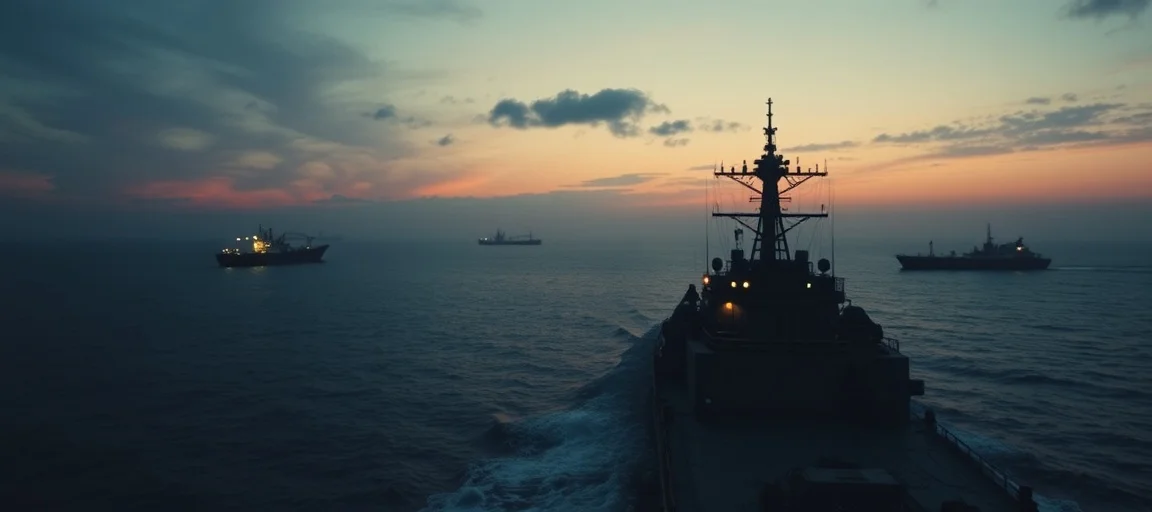
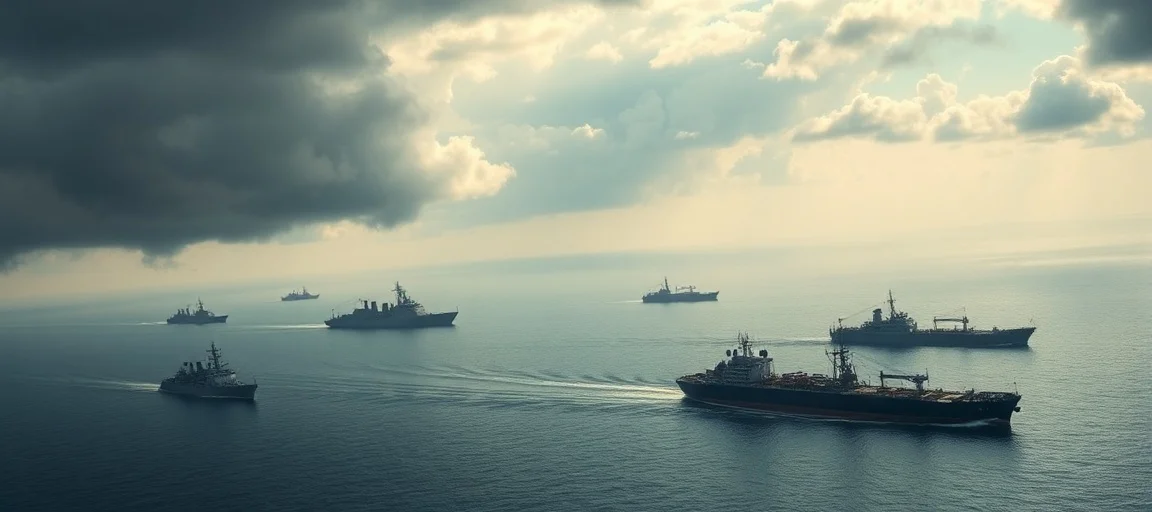
Iran, bordering the Strait, has repeatedly threatened to close or restrict passage through the waterway in response to international pressure or sanctions. These threats are not merely rhetorical; Iranian naval forces frequently conduct exercises in the area and have previously intercepted commercial vessels. The potential for a physical blockade or even limited disruptions due to conflict poses an existential threat to global trade and energy security. The U.S. Fifth Fleet, headquartered in Bahrain, maintains a significant presence in the region, aimed at ensuring freedom of navigation and deterring Iranian aggression in the Strait. The continuous cat-and-mouse game between Iranian Revolutionary Guard Corps (IRGC) fast boats and U.S. naval assets highlights the persistent danger in this critical maritime corridor.
Diplomatic Initiatives and Ceasefire Attempts
Despite the overt hostility, there have been ongoing, albeit often discreet, diplomatic efforts aimed at de-escalation and exploring potential pathways to a ceasefire or a return to negotiations. Various international actors, including Oman, Qatar, and European nations, have played intermediary roles, attempting to bridge the communication gap between Washington and Tehran. These efforts often focus on "shuttle diplomacy," where envoys meet separately with officials from both sides to convey messages and explore common ground.
The primary goals of these diplomatic initiatives typically revolve around:
- De-escalation of military activities: Encouraging both sides to reduce provocative actions and rhetoric in the Gulf region.
- Humanitarian concerns: Facilitating prisoner exchanges or addressing issues related to regional conflicts where both the U.S. and Iran have interests.
- Revival of nuclear talks: While challenging, there remains an underlying hope among some international players that a modified or new agreement regarding Iran's nuclear program could eventually be forged, building on the framework of the JCPOA.
- Regional stability dialogues: Promoting discussions that address Iran's role in regional conflicts and its missile program, which are key U.S. concerns.
However, these initiatives face significant hurdles. Deep-seated distrust, differing interpretations of international law, and domestic political pressures in both the U.S. and Iran often complicate progress. Each side often demands concessions from the other as a prerequisite for meaningful dialogue, leading to stalemates. Nevertheless, the continuous, even if often unsuccessful, pursuit of diplomatic channels underscores the international community's recognition of the high stakes involved and the imperative to prevent a wider conflict.
International Reactions and Regional Stability
The escalating US-Iran tensions have elicited a spectrum of reactions from the international community, profoundly impacting regional stability. Global powers and regional allies alike are carefully navigating the complex dynamics, attempting to balance their own interests with the urgent need for de-escalation.
Perspectives from Key Global Players
Major global players such as China, Russia, and European Union member states have consistently called for restraint and dialogue. China, a major importer of Iranian oil and a significant economic partner, advocates for a diplomatic resolution and has urged the U.S. to lift sanctions on Iran to facilitate the resumption of the nuclear deal. Russia, which maintains close military and economic ties with Iran, often aligns with China in criticizing U.S. sanctions and advocating for a multilateral approach to regional security. Both China and Russia view the U.S. presence in the Gulf with suspicion and support Iran's right to develop its civilian nuclear program.
European nations, particularly the E3 (France, Germany, and the UK), have been keen proponents of preserving the JCPOA and have consistently worked to keep lines of communication open with Tehran, even after the U.S. withdrawal. They have expressed deep concern over Iran's nuclear advancements and its regional activities but believe diplomacy is the only viable path forward. Their efforts often involve trying to mediate between Washington and Tehran and to find ways to de-escalate without resorting to military force.
Regional allies of the U.S., particularly Saudi Arabia, the UAE, and Israel, share concerns about Iran's regional influence and its nuclear ambitions. These nations often view Iran as a primary threat to their security and have historically supported a tougher stance against Tehran. However, some regional states, like Oman and Qatar, have adopted a more conciliatory approach, positioning themselves as mediators to facilitate dialogue and prevent conflict. The disparate views among regional players underscore the fractured security landscape of the Middle East, where each nation's policy is shaped by its unique geostrategic position and historical grievances.
Impact on Middle East Security
The heightened tensions between the U.S. and Iran have a cascading effect on the broader security of the Middle East. The region is already a cauldron of conflicts, proxy wars, and humanitarian crises, and the U.S.-Iran standoff further destabilizes this delicate ecosystem. Understanding these regional security dynamics is crucial for any long-term stability plan.
Key impacts include:
- Increased militarization: Both the U.S. and Iran, along with their respective allies, have increased their military presence and conducted exercises in the region, raising the risk of accidental or intentional clashes. This creates a perpetual state of readiness that can easily tip into conflict.
- Proxy conflict intensification: The rivalry often plays out through proxy groups in Yemen, Syria, Iraq, and Lebanon. Escalation between Washington and Tehran can lead to intensified fighting in these theatres, exacerbating humanitarian crises and prolonging civil wars.
- Economic disruption: Beyond oil markets, the uncertainty created by the tensions deters foreign investment and hampers economic development in the region. Sanctions on Iran also have ripple effects on neighboring economies.
- Rise in radicalism: Prolonged instability and economic hardship can create fertile ground for extremist groups, further complicating security challenges and potentially leading to a resurgence of groups like ISIS.
- Humanitarian consequences: Any direct conflict would have devastating humanitarian consequences, displacing millions and creating an even greater refugee crisis.
The intertwined nature of these issues means that resolving the U.S.-Iran standoff is not merely a bilateral concern but a critical factor in shaping the future trajectory of the entire Middle East.
Economic Implications of the Standoff
The enduring standoff between the U.S. and Iran carries substantial economic implications, extending far beyond their immediate borders. These ramifications are particularly felt in global energy markets and international trade, creating ripples of uncertainty worldwide.
Oil Markets and Global Trade
The most immediate and pronounced economic impact of US-Iran Tensions Escalate: Ceasefire Hopes & Hormuz Threat is on global oil markets. As mentioned, the Strait of Hormuz is a crucial transit point for a significant portion of the world's crude oil. Any perceived threat to this waterway, whether through actual incidents or heightened rhetoric, causes oil prices to spike. Traders react swiftly to geopolitical developments, pricing in the risk of supply disruptions.
Historically, episodes of increased tension have led to significant increases in Brent and WTI crude futures. A prolonged or severe disruption could lead to a global energy crisis, impacting transportation, manufacturing, and consumer costs across the board. Beyond direct supply, the uncertainty itself dampens investment in the energy sector, as companies become wary of operating in volatile regions. Insurance premiums for shipping through the Gulf also surge during periods of heightened risk, adding to the cost of trade. This not only affects oil and gas but also other maritime trade passing through the region, including container ships and dry bulk carriers, further impeding global supply chains.
Sanctions and Their Effects
U.S. sanctions against Iran have been a cornerstone of American policy, designed to exert maximum economic pressure and compel Tehran to alter its behavior. These sanctions target various sectors of the Iranian economy, most notably its oil exports, banking, and shipping industries.
The effects of these sanctions are multifaceted:
- Reduced Oil Exports: Iran's ability to export crude oil, its primary source of revenue, has been severely curtailed. This significantly impacts the government's budget and its capacity to fund domestic programs and regional activities.
- Economic Contraction: The Iranian economy has experienced periods of severe contraction, high inflation, and a depreciating currency. This leads to increased hardship for ordinary Iranians, fueling public discontent.
- Isolation from Global Financial System: Iranian banks are largely cut off from the international financial system, making it difficult for the country to conduct legitimate trade, even for humanitarian goods, due to the fear of secondary sanctions on foreign entities.
- Impact on Foreign Investment: Sanctions deter foreign companies from investing in Iran, limiting economic diversification and modernization efforts. Companies that continue to do business with Iran risk being penalized by the U.S.
- Smuggling and Black Markets: The intense pressure of sanctions often leads to the growth of illicit trade networks and black markets as Iran seeks alternative ways to circumvent restrictions.
While designed to achieve specific political objectives, the sanctions also have humanitarian consequences and can inadvertently strengthen hardliners within Iran by fueling anti-Western sentiment. The economic weapon wielded by the U.S. is a powerful one, but its long-term effectiveness in altering Iran's strategic calculus remains a subject of intense debate among policymakers and analysts.
Expert Analysis and Future Scenarios
Analyzing the ongoing US-Iran tensions requires a nuanced understanding of geopolitical trends, domestic political landscapes, and the motivations of key actors. Experts offer various perspectives on potential de-escalation pathways and future scenarios, underscoring the inherent uncertainties in the region.
Prognostications on De-escalation
Many analysts believe that a direct, large-scale military conflict between the U.S. and Iran is in neither nation's long-term interest, given the devastating economic and human costs. Therefore, much of the expert analysis focuses on mechanisms for de-escalation, even if incremental.
- Indirect Diplomacy: Experts frequently point to the necessity of continued indirect diplomacy, often facilitated by neutral third parties. While direct talks may be politically unpalatable for both sides, back-channel communications can help manage crises and convey intentions, reducing the risk of miscalculation.
- "De-risking" Measures: Some analysts suggest that both countries might pursue "de-risking" strategies, involving informal understandings or tacit agreements to reduce provocative actions in specific areas, such as the Strait of Hormuz, without necessarily engaging in formal negotiations. This could involve clearer communication protocols for naval encounters or refraining from certain military exercises.
- Focused Humanitarian or Prisoner Exchange Deals: These smaller, more manageable agreements can build limited trust and provide a foundation for broader engagement, without requiring significant political concessions.
- Revival of a Modified JCPOA: A significant portion of the analytical community believes that some form of a nuclear deal, perhaps with modifications addressing ballistic missiles or regional activities, remains the most viable long-term path to de-escalation, even if the immediate prospects seem dim. The framework of mutual obligations could provide a basis for stability.
However, de-escalation is hampered by domestic political realities in both countries, particularly the influence of hardliners in Iran and the polarized political environment in the U.S.
The Role of International Mediation
The role of international mediation is critical, as direct communication between Washington and Tehran remains minimal and often hostile. Several countries and international bodies have historically played and continue to play this crucial role:
- Oman and Qatar: These Gulf states have often served as trusted intermediaries due to their relatively neutral stance and good relations with both the U.S. and Iran. Their ability to host discreet talks and convey messages makes them invaluable.
- European Union: The EU, particularly through its High Representative for Foreign Affairs, has consistently sought to preserve the JCPOA and has engaged in extensive diplomatic efforts to bring all parties back to the negotiating table. Their emphasis on multilateralism provides a counterweight to unilateral pressures.
- United Nations: The UN Secretary-General and various UN special envoys often provide a platform for dialogue and can bring international legitimacy to any mediated outcomes. The UN's mandate for international peace and security provides a universal framework for addressing the crisis.
- Iraq: As a nation caught between U.S. and Iranian influence, Iraq has also, at times, attempted to mediate or facilitate discussions, given its direct exposure to the consequences of the tensions.
These mediators work to identify common interests, manage expectations, and build confidence, even when overt progress is slow. Their persistent efforts are often the unseen foundation upon which any future de-escalation could be built, keeping the door open for dialogue even in the most challenging circumstances. Without such intermediaries, the risk of miscalculation and unintended conflict would be significantly higher.
Conclusion
The ongoing US-Iran Tensions Escalate: Ceasefire Hopes & Hormuz Threat continues to be a defining geopolitical challenge, with profound implications for regional stability and global energy markets. From the historical animosity rooted in the 1979 revolution to the recent flashpoints involving oil tanker attacks and increased uranium enrichment, the dynamic between Washington and Tehran remains precarious. The strategic importance of the Strait of Hormuz, through which a substantial portion of the world's oil transits, ensures that any escalation immediately garners international concern. While diplomatic efforts by various international actors persistently seek pathways to de-escalation and potential ceasefires, deep-seated distrust and differing strategic objectives present formidable hurdles. The economic impact, particularly on oil markets and through stringent U.S. sanctions, further complicates the landscape, affecting not only Iran but also global trade. Experts emphasize the critical need for continued indirect diplomacy and "de-risking" measures to prevent miscalculation, with international mediators playing an indispensable role in maintaining lines of communication. The future trajectory of U.S.-Iran relations will undoubtedly shape the security architecture of the Middle East for years to come, making sustained, cautious engagement imperative.
Frequently Asked Questions
Q: Why is the Strait of Hormuz so strategically important?
A: The Strait of Hormuz is a crucial global chokepoint through which approximately one-fifth of the world's oil supply and significant natural gas transit daily. Its disruption would severely impact global energy markets and economies.
Q: What are the main causes of the current US-Iran tensions?
A: Tensions stem from Iran's nuclear program advancements, its support for regional proxies, ballistic missile development, and the U.S. withdrawal from the JCPOA, coupled with stringent sanctions.
Q: What economic impacts do these tensions have globally?
A: The tensions primarily affect global oil markets, leading to price volatility due to supply disruption fears. U.S. sanctions also cripple Iran's economy, indirectly impacting global trade and investment flows.
Further Reading & Resources
- Council on Foreign Relations: U.S.-Iran Relations
- International Atomic Energy Agency (IAEA)
- Energy Information Administration (EIA) - Strait of Hormuz