US & Iran Near Peace Deal Amid Hormuz Tensions: A Glimmer of Hope
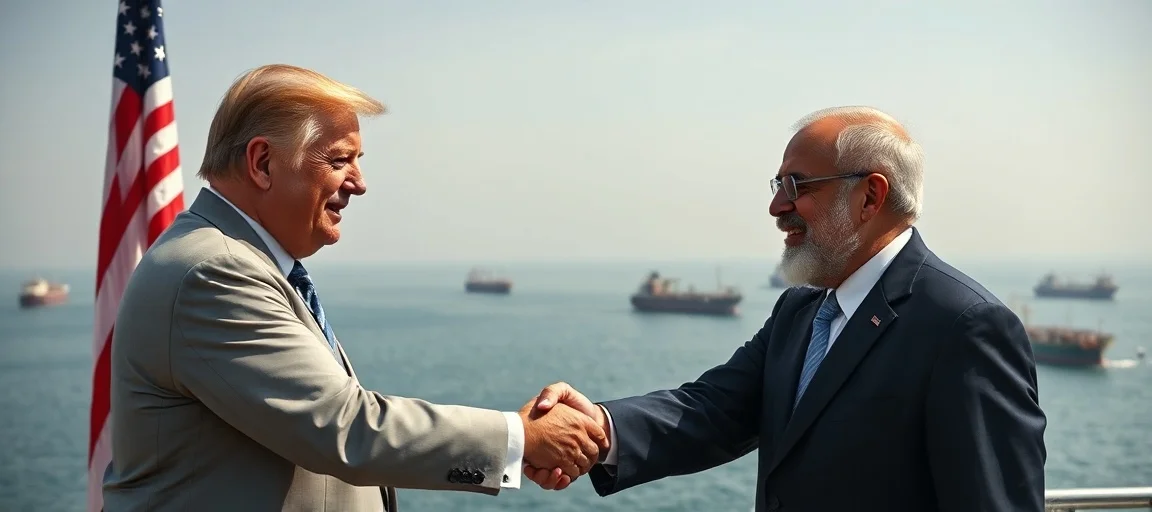
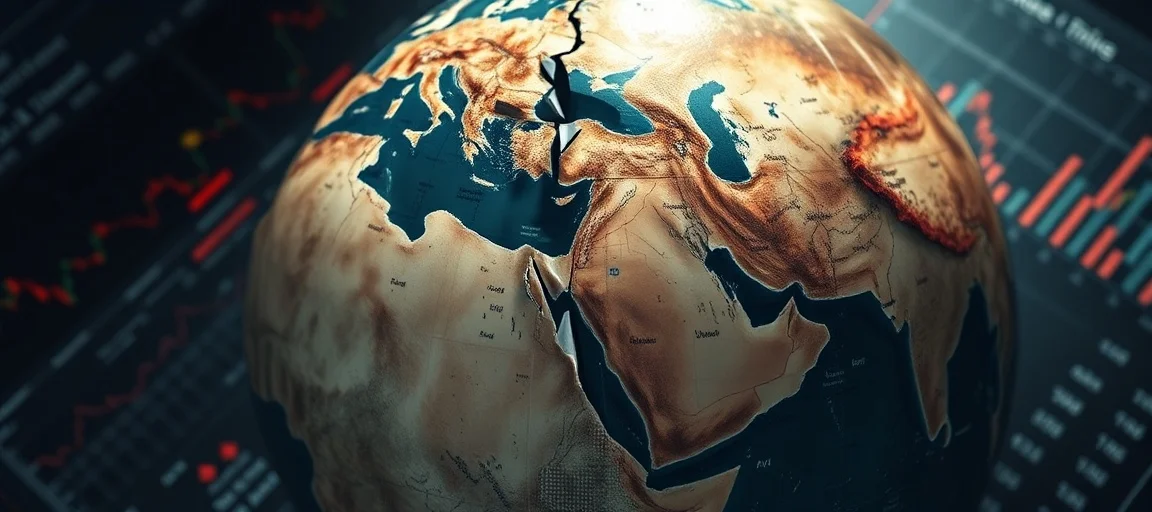
The global community holds its breath as diplomatic efforts intensify, hinting that the US & Iran Near Peace Deal Amid Hormuz Tensions might be closer than ever. Recent statements from both Washington and Tehran suggest significant progress towards de-escalating a conflict that has rattled global energy markets and threatened regional stability. This emerging agreement, if finalized, could pave the way for a crucial ceasefire extension and the reopening of the vital Strait of Hormuz, offering a much-needed glimmer of hope in a volatile geopolitical landscape. The delicate negotiations aim to chart a new path, moving beyond the recent hostilities that have characterized the complex relationship between the United States and Iran.
- The Crucible of Conflict: The Strait of Hormuz and Recent Tensions
- A Complex History: US-Iran Relations and the Nuclear Question
- The Path to Peace: Details of the Emerging Deal
- Global Reactions and Regional Implications
- Hurdles and Hopes: Challenges to a Lasting Agreement
- Conclusion: The Horizon of a US & Iran Peace Deal Amid Hormuz Tensions
- Frequently Asked Questions
- Further Reading & Resources
The Crucible of Conflict: The Strait of Hormuz and Recent Tensions
The Strait of Hormuz, a narrow waterway connecting the Persian Gulf to the open ocean, is arguably the world's most critical maritime chokepoint. Approximately one-fifth of global oil supplies, alongside vast quantities of liquefied natural gas (LNG) and raw materials, transit through this strategic passage daily. Its importance to international trade and energy security cannot be overstated.
Since February 2026, the Strait of Hormuz has been a focal point of severe tensions. Iran effectively restricted access to the waterway, leading to a drastic reduction in ship traffic—from over 100 vessels daily to as few as two to sixteen. This blockade, which began amidst renewed hostilities in the region, including Iranian attacks on oil infrastructure and vessels, caused the biggest disruption ever in the global oil supply. Brent crude prices surged past $120 per barrel, and LNG spot prices in Asia increased by over 140%. The effective closure of the Strait of Hormuz alone halted roughly 20% of global petroleum flow, and a sustained disruption beyond 30 days risked overwhelming recession for major importing economies. The impact of these disruptions rippled far beyond energy prices, affecting industries reliant on global supply chains and putting significant upward pressure on inflation across continents. Maritime insurance premiums for vessels entering the Persian Gulf also skyrocketed, further increasing costs for shipping companies and ultimately consumers.
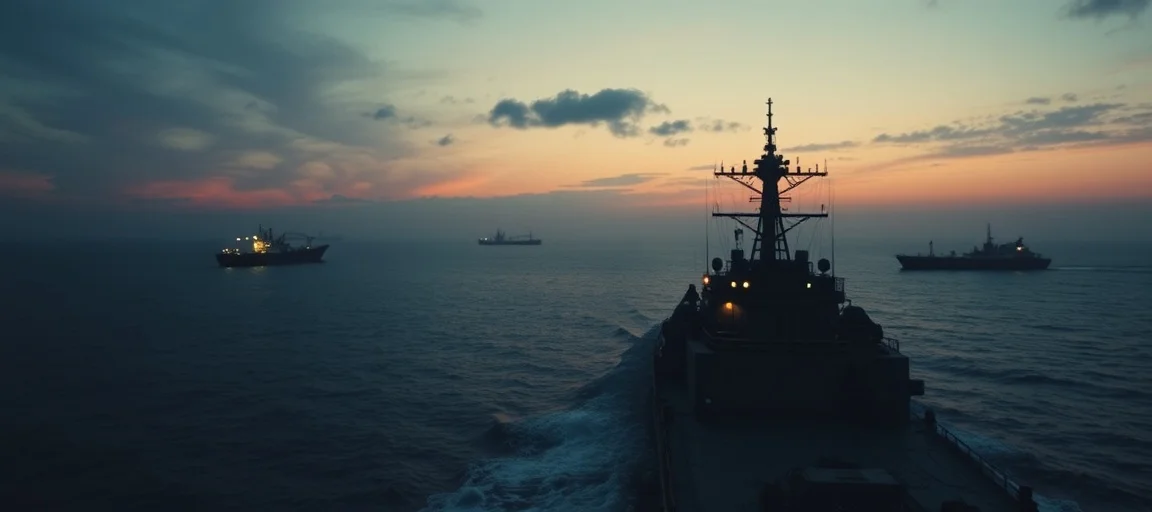
The economic fallout from these tensions has been far-reaching, impacting not just energy markets but also global supply chains and inflation worldwide. UN agencies warned that rising fuel prices, disrupted shipping routes, and growing financial uncertainty placed mounting pressure on economies and households across Asia and other developing regions. This period of heightened instability has underscored the urgent need for a diplomatic resolution, particularly concerning freedom of navigation through the Strait of Hormuz. The security implications for the entire Gulf region also intensified, with increased military posturing and heightened alert levels from international naval forces monitoring the critical waterway.
A Complex History: US-Iran Relations and the Nuclear Question
The relationship between the United States and Iran has been marked by decades of mutual mistrust and intermittent conflict, stemming largely from the 1979 Islamic Revolution. Iran's nuclear program has been a central and enduring point of contention. Initiated in 1958 with U.S. assistance as part of President Dwight Eisenhower's "Atoms for Peace" initiative, the program later became a source of international concern, especially as Iran's civilian nuclear activities became more clandestine in the 1990s.
This culminated in the Joint Comprehensive Plan of Action (JCPOA), commonly known as the Iran Nuclear Deal, reached in 2015 between Iran and several world powers, including the United States. Under the JCPOA, Iran agreed to significant restrictions on its nuclear program and increased international inspections in exchange for sanctions relief. However, the U.S. unilaterally withdrew from the deal in 2018 under President Donald Trump, citing its failure to adequately address Iran's ballistic missile program, regional influence, and the deal's sunset clauses. This withdrawal reignited widespread international debate and concerns, particularly from European allies who had sought to preserve the agreement. Following the U.S. withdrawal, Iran began to disregard the limitations on its nuclear program, accelerating uranium enrichment and restricting inspector access to its facilities, bringing it closer to weapons-grade material and further escalating tensions with the West.
The current "war" referenced in recent reports began in February 2026, following years of escalating tensions over Iran's nuclear program, ballistic missiles, and regional military reach. This period saw U.S.-Israeli strikes on Iranian targets and retaliatory missile and drone attacks by Iran across the Middle East, including against U.S. embassies, military installations, and oil infrastructure. Attempts to renegotiate a nuclear deal in 2025 and early 2026 had been unsuccessful, setting the stage for the recent diplomatic push.
The Path to Peace: Details of the Emerging Deal
Recent diplomatic overtures suggest a significant breakthrough, with President Donald Trump stating that a peace deal with Iran has been "largely negotiated". This potential agreement reportedly involves a 60-day ceasefire extension and the drafting of a memorandum of understanding (MOU). While U.S. officials express optimism, Iranian officials have cautioned that some clauses still require clarification and that the deal needs approval from Iran's supreme leader and national security council.
A cornerstone of the proposed deal is the reopening of the Strait of Hormuz. The agreement reportedly stipulates that Iran would clear the mines it deployed in the strait and agree not to impose any tolls on passing ships. In return, the U.S. would lift its blockade on Iranian ports, which has been in effect since April 13, and issue some sanctions waivers, allowing Iran to freely sell its oil. This would be a crucial economic lifeline for Iran, whose economy heavily relies on oil exports, and could significantly alleviate the economic pressure its citizens have endured under years of sanctions.
The negotiations have involved several intermediaries, with Pakistan playing a particularly significant role in facilitating face-to-face talks between the two countries in Islamabad and Tehran. Qatar also sent a delegation to Tehran, highlighting broader regional diplomatic engagement and a shared interest among Gulf states in restoring stability and preventing a wider conflict.
Negotiating the Nuclear Challenge
One of the most complex aspects of the emerging deal concerns Iran's nuclear program. Reports indicate that the current preliminary agreement primarily focuses on ending the immediate conflict and reopening the Strait of Hormuz, with detailed negotiations on curbing Iran's nuclear activities postponed to a later phase. This phased approach suggests a strategic move to de-escalate immediate tensions before tackling the deeper, more intricate issues of proliferation.
According to Axios, the draft agreement includes commitments from Iran never to pursue nuclear weapons and to negotiate over a suspension of its uranium enrichment program and the removal of its highly enriched uranium stockpile. U.S. officials have indicated that Iran provided verbal commitments through mediators regarding these concessions. However, an Iranian source later denied that Iran had agreed to hand over its uranium stockpile, asserting that the nuclear issue was not part of the preliminary agreement and would be addressed in negotiations for a final deal. This divergence highlights the ongoing sensitivities and potential hurdles surrounding the nuclear question, indicating the significant trust deficit that still needs to be overcome.
U.S. Secretary of State Marco Rubio has consistently reiterated that Iran must never possess a nuclear weapon, a non-negotiable stance for Washington. The prospect of Iran committing to remove its enriched uranium stockpile, a long-standing U.S. goal, is seen as critical to the deal, especially in overcoming skepticism from some U.S. lawmakers. The timeline for these nuclear discussions is set for a 60-day period following the initial ceasefire, with the possibility of extensions, reflecting the anticipated complexity and protracted nature of these sensitive talks.
Global Reactions and Regional Implications
The prospect of a peace deal between the US and Iran has elicited a range of reactions globally and within the Middle East. Many international actors have welcomed the signs of de-escalation. European Commission President Ursula von der Leyen, for instance, welcomed the progress, emphasizing the need for a deal that truly de-escalates the conflict, reopens the Strait of Hormuz, and guarantees toll-free freedom of navigation, while reaffirming that Iran must not be allowed to develop nuclear weapons. European nations, long advocates for diplomatic solutions and preserving the JCPOA, view any move towards de-escalation as critical for regional stability and global energy security.
However, the potential deal has also drawn criticism and caution from some quarters, particularly within the United States. Former Secretary of State Mike Pompeo, for example, condemned the emerging agreement, stating that it was "not remotely America First" and advocating for a tougher stance against Iran, fearing that any concessions could embolden the regime. Senator Lindsey Graham also expressed concerns, warning that if the deal is perceived to allow the Iranian regime to survive and grow more powerful, it could "pour gasoline on the conflicts in Lebanon and Iraq" by potentially freeing up Iranian resources to fund proxy groups like Hezbollah. These reactions highlight the deep-seated divisions and anxieties surrounding any engagement with Iran.
Regionally, the implications are profound. The deal reportedly includes a requirement for the US and Iran, and their allies, to cease fighting, and for Israel to end its offensive in Lebanon. This suggests a broader attempt to stabilize the Middle East, where regional powers like Saudi Arabia, Israel, and the UAE have historically viewed Iran's actions, particularly its nuclear program and support for regional proxies, with alarm. For Saudi Arabia and the UAE, the prospect of normalized trade through Hormuz is beneficial, but any deal that does not fully curb Iran's regional influence will be viewed with suspicion. The ongoing conflict had contributed to a "systemic collapse of the Gulf Cooperation Council economic model," emphasizing the need for regional de-escalation. The success of this deal hinges not only on Washington and Tehran but also on the willingness of regional actors to support and adhere to its terms, a significant diplomatic undertaking given the interwoven conflicts across the Levant and Yemen.
Economic Repercussions of Prolonged Instability
The recent period of conflict and the blockade of the Strait of Hormuz have cast a long shadow over the global economy. Beyond the immediate spikes in oil and gas prices, the instability has led to increased transport and insurance costs, disrupting supply chains worldwide. Global growth projections for 2026 had already been revised downwards to 2.5%, well below pre-pandemic levels, partly due to higher energy costs and trade uncertainty. Countries heavily reliant on imports, particularly in the Middle East and parts of Asia, faced soaring prices for essential goods like sugar, vegetable oils, and rice, exacerbating food security concerns and contributing to social unrest.
The prospect of a de-escalation and the reopening of the Strait of Hormuz offers significant economic relief. Stability in this crucial waterway is expected to stabilize global oil markets and reduce the financial pressure on economies grappling with inflation and supply chain bottlenecks. While a de-escalation remains possible, until it happens, uncertainty is likely to persist, making the current diplomatic efforts critical for global economic health. The cessation of hostilities would not only avert further economic disruption but also unlock frozen assets for Iran (potentially up to $20 billion in Qatar alone), further easing economic pressures in the region and potentially allowing for greater investment in its struggling infrastructure.
Hurdles and Hopes: Challenges to a Lasting Agreement
Despite the reported progress, significant hurdles remain before a lasting peace agreement can be fully realized. Foremost among these is the need for final approval within Iran's complex political structure. Iranian officials have stated that the proposed memorandum of understanding must be clarified to their satisfaction before it can be sent to the supreme national security council and, crucially, to the supreme leader, Ayatollah Ali Khamenei (or his successor, Motjaba Khamenei, as implied in reports), for final ratification. The internal dynamics between hardliners and more pragmatic factions within Iran's political establishment could introduce delays or require further adjustments to the deal, as different groups vie for influence and seek to ensure their interests are protected.
From the U.S. perspective, President Trump has emphasized that he has instructed negotiators "not to rush into a deal," stating that "time is on our side". He also affirmed that the U.S. blockade on Iranian ports would remain in "full force and effect until an agreement is reached, certified, and signed". This cautious approach indicates that Washington is seeking a robust and verifiable agreement, particularly concerning Iran's nuclear ambitions, one that can withstand scrutiny from Congress and future administrations. Secretary Rubio's insistence that Iran "hand over their enriched uranium" also points to a firm U.S. demand that might be difficult to navigate in the upcoming nuclear talks, potentially becoming a sticking point.
Furthermore, differing interpretations regarding the control of the Strait of Hormuz persist. While the U.S. demands it be completely open without tolls, some Iranian media outlets have reported that the Strait would remain under Iranian management, asserting Iran's "solid legal and security reasons for its sovereignty" over the waterway. These discrepancies highlight key areas that will require careful navigation in the coming weeks and months, as sovereignty and freedom of navigation are deeply entrenched principles for both sides. Building long-term trust between two nations with such a fraught history will also be a monumental challenge, requiring sustained diplomatic engagement, verifiable compliance from both sides, and effective monitoring mechanisms to prevent backsliding or renewed hostilities.
Conclusion: The Horizon of a US & Iran Peace Deal Amid Hormuz Tensions
The recent developments indicating a potential US & Iran Near Peace Deal Amid Hormuz Tensions represent a critical juncture in a long-standing and often volatile relationship. The reported framework, focusing on an initial 60-day ceasefire, the reopening of the Strait of Hormuz, and the lifting of some sanctions in exchange for future nuclear negotiations, offers a pathway to de-escalation that could avert a wider conflict and stabilize global energy markets. While challenges remain, particularly concerning the details of Iran's nuclear program, the complete freedom of navigation in the Strait, and internal political approvals, the commitment to dialogue, facilitated by intermediaries like Pakistan, signals a cautious optimism. The world watches keenly as these complex negotiations unfold, hoping that this glimmer of hope will translate into a durable peace that benefits both nations and the international community by establishing a new foundation for cooperation rather than confrontation.
Frequently Asked Questions
Q: What is the potential US & Iran peace deal about?
A: The emerging peace deal between the US and Iran aims to de-escalate persistent tensions, primarily by reopening the vital Strait of Hormuz, extending a critical ceasefire, and lifting some US sanctions on Iranian oil exports. It also sets the stage for future detailed negotiations concerning Iran's controversial nuclear program and broader regional stability.
Q: Why is the Strait of Hormuz central to this agreement?
A: The Strait of Hormuz is recognized as the world's most critical maritime chokepoint, through which a significant portion of global oil and gas supplies transit daily. Its recent blockade by Iran caused severe disruptions to international energy markets and supply chains, making its guaranteed reopening crucial for global economic stability and international trade.
Q: What are the main challenges to a lasting US-Iran peace deal?
A: Significant challenges include securing final approval from Iran's Supreme Leader and national security council, bridging differing interpretations regarding control and sovereignty over the Strait of Hormuz, and navigating the complex, highly sensitive negotiations over Iran's nuclear enrichment program. Additionally, overcoming decades of deep-seated mistrust between the two nations presents a major hurdle.