US Envoys Engage in Ukraine-Russia Peace Talks: A Path to De-escalation?
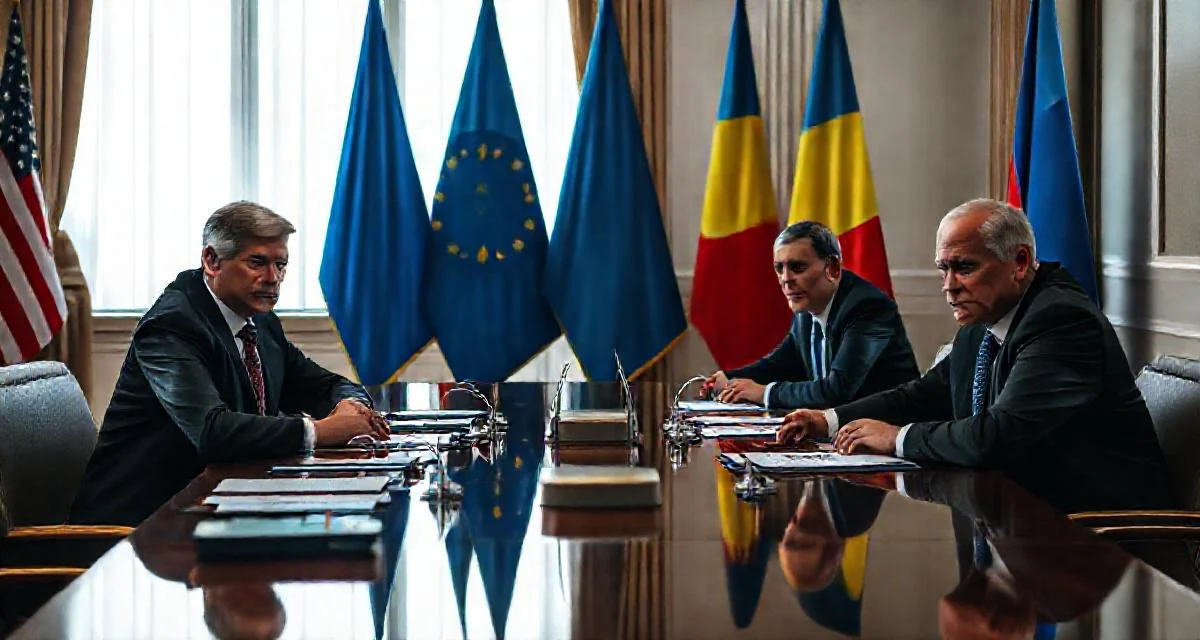
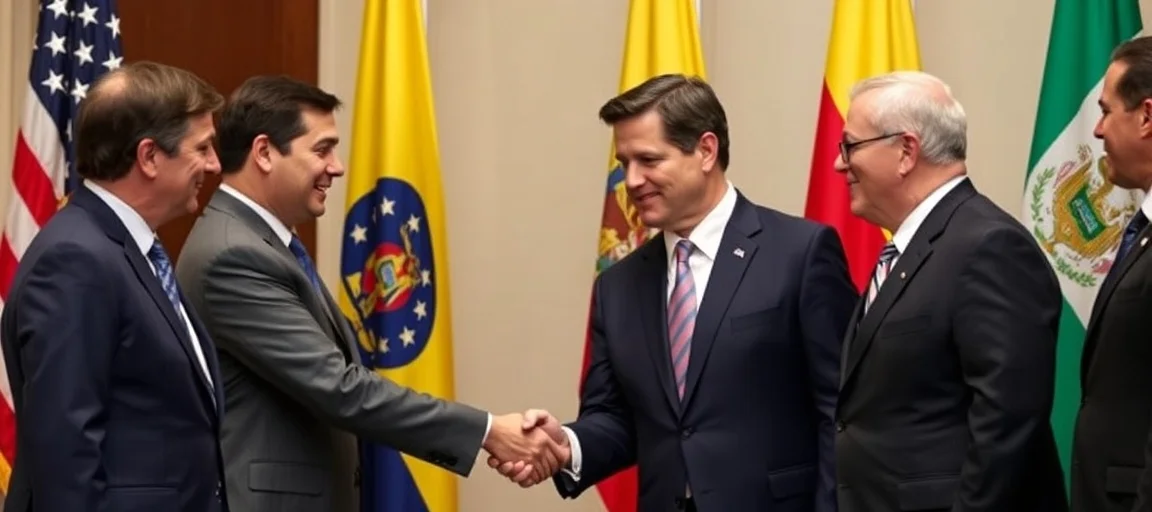
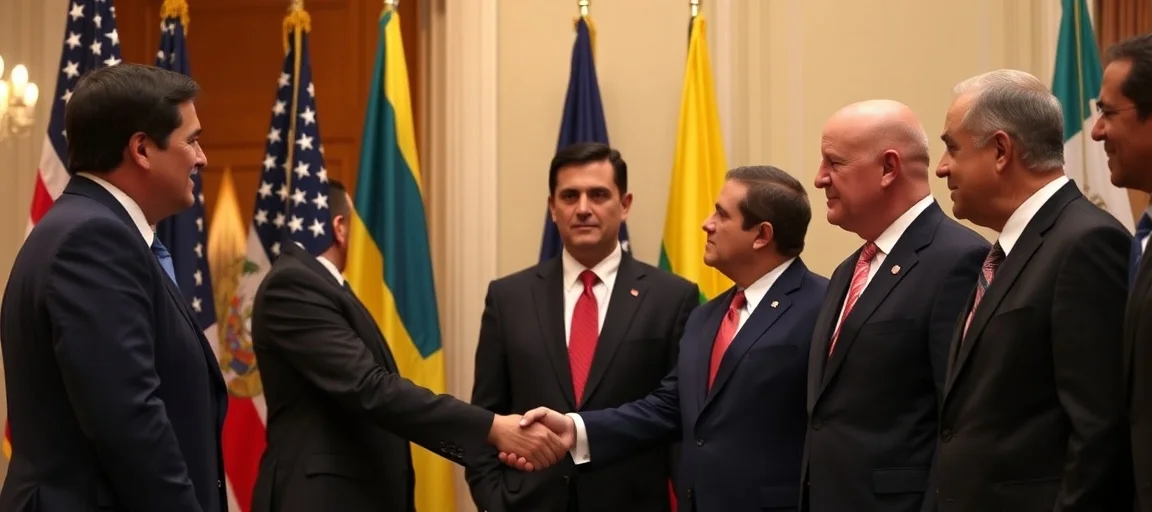
The protracted conflict in Eastern Europe has once again drawn the world's attention to diplomatic efforts, with recent developments indicating a renewed push for resolution. In a significant move, US Envoys Engage in Ukraine-Russia Peace Talks, signaling a potential shift towards de-escalation and the pursuit of a lasting settlement. These crucial discussions represent a determined effort by the United States to facilitate dialogue between Kyiv and Moscow, aiming to bridge deep-seated disagreements and find a viable path to peace in the region. The engagement of American diplomats underscores the international community's enduring commitment to stability and the urgent need to address the humanitarian and geopolitical ramifications of the ongoing hostilities. U.S. envoys Steve Witkoff and Jared Kushner recently traveled from Moscow to Kyiv in a high-profile effort to restart negotiations, holding "encouraging" talks in the Ukrainian capital.
- Background to the Conflict and Diplomatic Efforts
- US Envoys Engage in Ukraine-Russia Peace Talks: Key Players and Objectives
- The Landscape of Negotiations: Challenges and Opportunities
- International Reactions and Global Implications
- The Road Ahead: What to Expect from Future Discussions
- Conclusion: The Enduring Pursuit of Peace
- Frequently Asked Questions
- Further Reading & Resources
Background to the Conflict and Diplomatic Efforts
The conflict between Ukraine and Russia has its roots in a complex history, marked by geopolitical shifts, historical grievances, and strategic interests. What began as a regional crisis escalated into a full-scale invasion, dramatically altering the geopolitical landscape and prompting widespread international condemnation. Understanding the genesis of this prolonged struggle is crucial to appreciating the immense challenges and vital importance of the current peace initiatives.
The Genesis of the Ukraine Crisis
The origins of the current conflict can be traced back to 2014, following Russia's annexation of Crimea and its support for separatists in the Donbas region of eastern Ukraine. This period marked a significant deterioration in relations between Ukraine and Russia, leading to an undeclared war that simmered for years, characterized by periodic escalations and frozen conflict lines. The broader context includes Ukraine's aspirations for closer ties with the European Union and NATO, which Russia views as a direct threat to its security interests and sphere of influence. The historical and cultural ties between the two nations, coupled with their divergent geopolitical trajectories, have created a volatile mix that has proven incredibly difficult to defuse through conventional diplomacy. The humanitarian cost of this conflict has been immense, with millions displaced and countless lives lost, further emphasizing the urgent need for a peaceful resolution.
Previous Attempts at Resolution
Throughout the years, numerous diplomatic efforts have been undertaken to mediate an end to the conflict, albeit with limited success. The Minsk Agreements, signed in 2014 and 2015, were notable attempts to establish a ceasefire and outline a political roadmap for peace, involving Ukraine, Russia, and the Organization for Security and Co-operation in Europe (OSCE). However, these agreements were never fully implemented, with both sides frequently accusing the other of violations and a lack of political will to adhere to their terms. The Normandy Format, involving leaders from Ukraine, Russia, France, and Germany, also sought to facilitate negotiations and oversee the implementation of the Minsk Accords, holding several high-level meetings over the years. Despite these considerable diplomatic endeavors, fundamental disagreements over sovereignty, territorial integrity, and the future status of disputed regions remained intractable, preventing any lasting breakthrough. The international community, including the United States, has consistently advocated for a diplomatic solution, imposing sanctions on Russia and providing support to Ukraine, underscoring the global stake in resolving this protracted crisis.
US Envoys Engage in Ukraine-Russia Peace Talks: Key Players and Objectives
The recent engagement of US envoys in direct peace talks with representatives from Ukraine and Russia signals a potentially pivotal moment in the ongoing conflict. This initiative comes at a time when the geopolitical stakes are higher than ever, and the need for a stable resolution is paramount. The involvement of the United States brings significant diplomatic weight and resources to the negotiation table, aiming to facilitate an environment conducive to substantive progress.
The American Diplomatic Push
The United States' renewed diplomatic push is driven by a multifaceted strategy aimed at fostering stability in Europe and upholding international law. Senior US envoys, including Steve Witkoff and Jared Kushner, have been involved in a number of diplomatic talks, including those aimed at ending the Russia-Ukraine war. Their primary objectives include:
-
Facilitating Dialogue: Acting as a crucial intermediary to ensure open communication channels between Kyiv and Moscow, which have often been strained or severed. US envoys Steve Witkoff and Jared Kushner have expressed encouragement by the talks in Kyiv.
-
Exploring Common Ground: Identifying areas where compromise might be possible, even on seemingly intractable issues, by offering creative solutions and security guarantees. Kushner indicated that the U.S. is working "behind the scenes" to create conditions for a possible deal.
-
De-escalation: Working towards an immediate reduction in hostilities and an eventual ceasefire that can pave the way for more comprehensive negotiations. Ukrainian President Volodymyr Zelenskyy has stated that the U.S. is exploring steps to de-escalate the war during winter. Russia also agreed to a temporary pause in strikes in Kyiv during the envoys' visit.
-
Upholding Sovereignty: Reaffirming international principles of sovereignty and territorial integrity for Ukraine, while acknowledging Russia's stated security concerns.
- International Coordination: Engaging closely with European allies and other international partners to present a united front and ensure broad support for any peace initiatives. National security advisers from Britain, France, and Germany joined part of the discussions in Kyiv.
These efforts reflect a recognition that while military aid to Ukraine remains critical, a lasting peace ultimately requires a diplomatic solution. The US is leveraging its considerable diplomatic influence and experience in complex international negotiations to bring all parties closer to an agreement.
Russian and Ukrainian Stances
The positions of both Russia and Ukraine remain deeply entrenched, reflecting their existential concerns and strategic imperatives. Understanding these stances is critical for any successful mediation effort.
Russia's Position:
Russia's demands typically revolve around its security concerns, including preventing Ukraine's integration into NATO and potentially other Western alliances. Moscow also seeks recognition of its territorial gains, particularly regarding Crimea and the areas it controls in eastern and southern Ukraine, including Donetsk, Luhansk, Kherson, and Zaporizhzhia Oblasts. Furthermore, Russia often emphasizes the protection of Russian-speaking populations and broader historical and cultural ties, claiming the conflict is a response to perceived Western encroachment.
Ukraine's Position:
Ukraine's stance is firmly rooted in its sovereignty and territorial integrity within its internationally recognized borders, including Crimea and other occupied territories. Kyiv insists on the complete withdrawal of Russian forces from all occupied territories. Ukraine also seeks robust security guarantees to prevent future aggression and maintain its independent geopolitical orientation. The government in Kyiv views the conflict as an unprovoked act of aggression and a violation of international law, and its negotiating position is heavily influenced by the immense human and material cost of the war.
The stark differences in these positions present significant hurdles for any peace talks. However, the very act of US Envoys Engage in Ukraine-Russia Peace Talks suggests a recognition by all parties that a purely military solution is untenable and that diplomacy, no matter how challenging, remains the only viable path to a long-term resolution.
The Landscape of Negotiations: Challenges and Opportunities
The path to peace is rarely straightforward, and the current negotiations between Ukraine and Russia, facilitated by US envoys, face formidable challenges. Yet, within these difficulties lie potential opportunities for breakthrough, provided there is sufficient political will and innovative diplomatic approaches.
Obstacles to a Lasting Peace
Several critical obstacles stand in the way of achieving a lasting peace agreement:
- Territorial Disputes: The most significant hurdle remains the issue of occupied territories. Ukraine's unwavering demand for the restoration of its 1991 borders clashes directly with Russia's declared annexation of several Ukrainian regions.
- Security Guarantees: Both sides seek robust security assurances, but their visions diverge dramatically. Ukraine desires strong, internationally backed guarantees against future aggression, while Russia demands restrictions on Ukraine's military alignment.
- Mistrust and Propaganda: Years of conflict have deeply eroded trust between Kyiv and Moscow. Overcoming this deep-seated mistrust requires significant confidence-building measures.
- Domestic Political Pressures: Leaders in both Ukraine and Russia face strong domestic pressures that limit their flexibility in negotiations.
- International Support: While there is broad international consensus on the need for peace, the specifics of a settlement could expose cracks in international unity, particularly regarding territorial changes or sanctions relief.
Potential Avenues for Breakthrough
Despite the daunting challenges, diplomatic efforts persist because potential avenues for breakthrough, however narrow, do exist:
- Phased Approach: Instead of attempting to solve all issues at once, a phased approach could be considered. This might involve an immediate ceasefire, followed by disengagement of forces, and then moving to more complex political and territorial questions.
-
Demilitarized Zones: The creation of internationally monitored demilitarized zones along certain front lines could help de-escalate tensions and build trust. The Minsk agreements had previously outlined a buffer zone.
-
International Mediation and Guarantees: Beyond the US, a broader consortium of influential nations or international organizations could offer to guarantee the terms of any peace agreement. The OSCE has historically played a central role in monitoring the conflict and mediating ceasefires.
-
Economic Reconstruction Incentives: A comprehensive package for Ukraine's post-war reconstruction, potentially funded by international bodies and linked to peace, could serve as a powerful incentive for settlement. Similarly, the prospect of sanctions relief could motivate Russia.
- Neutrality vs. Security Pacts: Discussions could explore alternative security arrangements for Ukraine that balance its desire for sovereignty with Russia's security concerns, possibly involving a neutral status backed by concrete security pacts from multiple nations rather than traditional alliance membership.
- Humanitarian Focus: Focusing initial efforts on prisoner exchanges, repatriation of displaced persons, and ensuring access to humanitarian aid can build goodwill and demonstrate tangible benefits of diplomacy.
The key to navigating these opportunities lies in creative diplomacy, a willingness to explore unconventional solutions, and sustained international pressure to encourage compromise. The role of US envoys in facilitating these discussions is crucial in identifying and nurturing these potential pathways to a durable peace.
International Reactions and Global Implications
The involvement of US envoys in Ukraine-Russia peace talks has resonated globally, eliciting a range of reactions from key international actors and holding significant implications for the broader geopolitical order. The outcome of these discussions will undoubtedly shape future alliances, economic relationships, and the very principles of international law.
European Allies' Perspectives
European nations, particularly those bordering Russia and Ukraine, have a direct and profound stake in the outcome of these peace talks. Their reactions are often a mix of cautious optimism and deep-seated concern.
- Unity and Support: European allies generally welcome US engagement as a vital step towards stability and support a unified Western front in diplomatic efforts. They often emphasize adherence to international law, sovereignty, and territorial integrity as non-negotiable principles.
- Security Concerns: Many Eastern and Central European countries remain highly apprehensive about Russian intentions and prioritize robust security measures, including continued NATO solidarity and a strong defensive posture.
- Economic Impact: The economic consequences of the conflict, including energy price volatility and supply chain disruptions, have hit European economies hard, threatening to derail recovery and exacerbate poverty. There is a strong desire for a resolution that can stabilize markets and facilitate economic recovery, while also grappling with the long-term goal of reducing reliance on Russian energy.
- Role in Reconstruction: European nations anticipate playing a significant role in Ukraine's post-conflict reconstruction and humanitarian aid efforts, making the stability resulting from peace talks crucial for planning these long-term commitments.
While European allies generally align with the US goal of a peaceful resolution, their specific security and economic sensitivities mean that the details of any proposed agreement will be scrutinized carefully.
Broader Geopolitical Ramifications
The success or failure of the US-facilitated peace talks will have far-reaching geopolitical ramifications, extending beyond the immediate region:
- Future of International Law: The resolution of the conflict will set a precedent for how territorial integrity and sovereignty are upheld or challenged in the 21st century.
- NATO's Role and Future: The conflict has revitalized NATO, strengthening its resolve and expanding its membership. The outcome of peace talks could influence the alliance's long-term strategy and its posture towards Russia.
- US-China Relations: China's position on the conflict has been closely watched. The success of Western diplomatic efforts could influence Beijing's approach to global disputes.
- Global Energy Markets: A stable peace would likely alleviate some pressure on global energy markets, potentially leading to more predictable prices and supply chains.
- Humanitarian Crisis and Refugee Flows: A successful peace agreement is critical for addressing the immense humanitarian crisis, enabling the safe return of refugees and internally displaced persons.
The international community watches these talks intently, recognizing that the implications extend far beyond Ukraine's borders, touching upon the very foundations of global security and cooperation.
The Road Ahead: What to Expect from Future Discussions
The current phase of diplomatic engagement, where US envoys engage in Ukraine-Russia peace talks, represents a crucial juncture, but it is unlikely to be the final chapter. The road ahead is expected to be long and arduous, characterized by intermittent progress, potential setbacks, and the constant need for sustained diplomatic pressure.
Future discussions will likely focus on several key areas, attempting to build upon any initial agreements and address the more contentious issues. A critical element will be the establishment of a robust monitoring and verification mechanism for any ceasefire or troop withdrawal. Without credible oversight, mistrust could quickly derail even initial agreements. This might involve expanding the role of international organizations like the OSCE or creating new, dedicated observer missions with broad mandates and access.
Economically, the post-conflict landscape will necessitate extensive discussions on reconstruction aid for Ukraine, potentially linked to a framework that involves Russia's participation or compensation for damages. The lifting of international sanctions against Russia would also be a major point of negotiation, likely phased and tied to adherence to peace terms. This will involve intricate legal and economic deliberations to ensure compliance and fairness.
Politically, the question of Ukraine's future neutrality or security alignment will remain a central theme. While Ukraine insists on its sovereign right to choose its alliances, Russia views this as a red line. Future talks might explore alternative security architectures that could offer Ukraine robust guarantees without directly integrating it into military blocs perceived as hostile by Moscow. This could involve multi-lateral non-aggression pacts or enhanced defensive capabilities within Ukraine, supported by international partners.
The role of public diplomacy and communication will also be vital. As negotiations progress, managing expectations and conveying progress transparently to the respective populations will be crucial for maintaining political support and defusing potential spoilers. Misinformation and propaganda campaigns have played a significant role in the conflict, and effective communication strategies will be necessary to build confidence in any peace process.
It is also important to anticipate that these talks may not always be continuous. There could be periods of intense negotiation followed by pauses, reflecting the inherent difficulties and the need for internal consultations by all parties. The enduring challenge will be to prevent these pauses from becoming complete breakdowns, maintaining channels of communication even during periods of stalemate.
Ultimately, the future of these discussions will hinge on the sustained commitment of all parties, the skill of the mediators, and the willingness to prioritize a long-term peaceful resolution over short-term gains. The international community's continued solidarity and pressure will remain an indispensable factor in pushing the dialogue forward towards a meaningful and lasting outcome.
Conclusion: The Enduring Pursuit of Peace
The active engagement of US Envoys Engage in Ukraine-Russia Peace Talks represents a significant and necessary step in the arduous journey toward resolving one of the most pressing geopolitical crises of our time. While the challenges are profound, marked by deep-seated mistrust, complex territorial disputes, and divergent security paradigms, the resumption of high-level diplomatic dialogue offers a glimmer of hope. The international community, led by consistent American diplomatic efforts, remains steadfast in its belief that a sustainable peace can only be achieved through negotiation, compromise, and adherence to the principles of international law. The path ahead will demand patience, resilience, and creative diplomacy from all involved, but the imperative for peace, for the people of Ukraine and for global stability, ensures that these efforts will continue, relentlessly pursuing a future free from conflict.
Frequently Asked Questions
Q: What are the primary objectives of the US in these peace talks?
A: The US aims to facilitate dialogue between Kyiv and Moscow, explore areas for compromise, and work towards de-escalation and a ceasefire. Its objectives also include upholding Ukraine's sovereignty and coordinating with European allies to present a united diplomatic front.
Q: What are the main obstacles to achieving a lasting peace agreement?
A: Significant obstacles include the fundamental disagreements over territorial integrity, differing demands for security guarantees from both sides, deep-seated mistrust built over years of conflict, and the domestic political pressures faced by leaders in both nations. International unity on specifics of a settlement can also be challenging.
Q: What are some potential avenues for breakthrough in the negotiations?
A: Potential avenues include adopting a phased approach to address issues incrementally, establishing internationally monitored demilitarized zones, leveraging broader international mediation and guarantees for any agreement, and offering economic reconstruction incentives. Exploring alternative security arrangements for Ukraine that balance sovereignty with Russian concerns is also a possibility.