Trump Warns Oman Amid Escalating Iran Tensions Over Hormuz
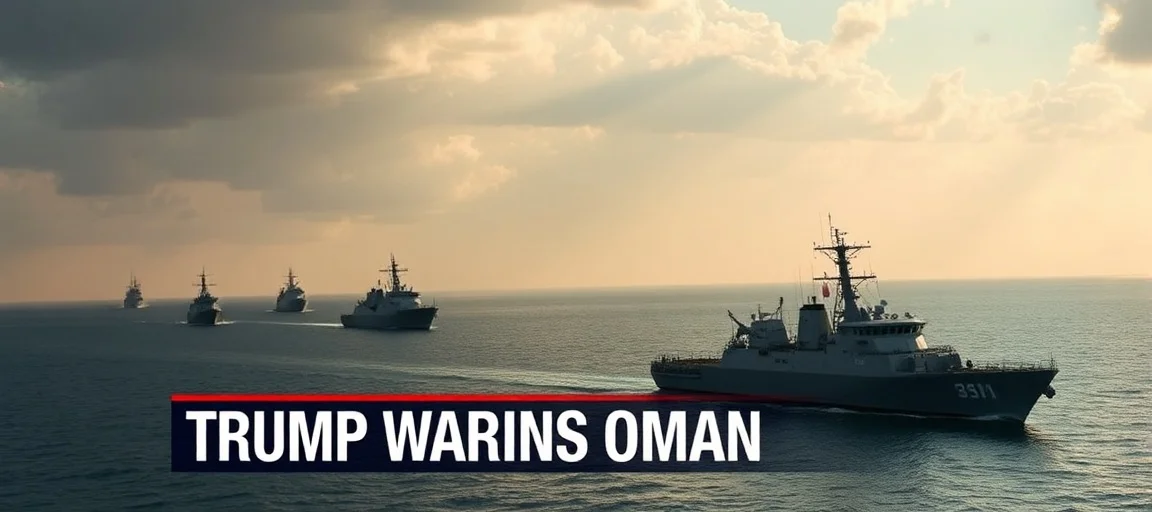
Former President Donald Trump issued a forceful warning to Oman, a long-standing U.S. ally and crucial regional mediator, threatening military action if the Sultanate were to collaborate with Iran in asserting control over the Strait of Hormuz. This unexpected escalation comes amid intensifying Trump Warns Oman Amid Escalating Iran Tensions, particularly concerning the vital global shipping lane. The remarks, delivered during a cabinet meeting, sent ripples through diplomatic circles, questioning Oman's traditional neutral stance and highlighting the fragility of ongoing peace talks between the United States and Iran.
- Understanding the Escalating Iran Tensions
- Trump's Direct Warning to Oman Amid Escalating Iran Tensions
- Regional Dynamics and International Reactions
- Expert Analysis: Geopolitical Implications
- Potential Repercussions and the Path Forward
- Conclusion: The Unfolding Crisis and Future Outlook
- Frequently Asked Questions
- Further Reading & Resources
Understanding the Escalating Iran Tensions
The Middle East remains a geopolitical crucible, with the relationship between the United States and Iran frequently at its core. Tensions have been particularly high, driven by disputes over nuclear ambitions, regional proxy conflicts, and, critically, control over strategic waterways. Oman, uniquely positioned geographically and historically, has often played a subtle yet pivotal role in managing these complex dynamics.
The Strategic Importance of the Strait of Hormuz
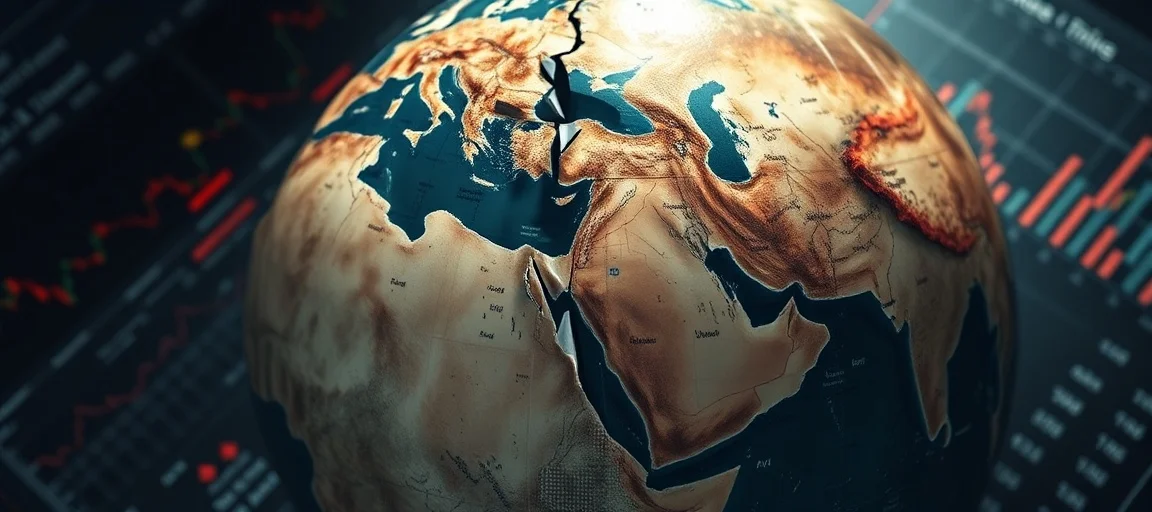
The Strait of Hormuz is arguably the world's most critical oil transit chokepoint. Situated between Oman and Iran, this narrow waterway connects the Persian Gulf to the open ocean, through which approximately one-fifth of the world's total oil consumption and a significant portion of global liquefied natural gas (LNG) pass daily. Its closure or disruption would have catastrophic implications for the global energy market and international trade. Given its strategic significance, ensuring free and unimpeded navigation through the Strait has consistently been a top priority for global powers, particularly the United States.
Any attempt by a single nation or a partnership of nations to control or monetize passage through this international waterway is viewed with extreme concern by the international community. The principle of freedom of navigation through international straits is enshrined in international law, although the U.S. is not a signatory to the UN Convention on the Law of the Sea (UNCLOS), which governs such matters.
Historical Context of US-Iran Relations and Oman's Role
The relationship between the United States and Iran has been fraught with animosity since the 1979 Islamic Revolution. Decades of mistrust, sanctions, and proxy conflicts have shaped a deeply adversarial dynamic. While numerous attempts at de-escalation and negotiation have occurred over the years, sustained rapprochement has proven elusive. The Trump administration notably withdrew from the Joint Comprehensive Plan of Action (JCPOA), commonly known as the Iran nuclear deal, in 2018, leading to a significant re-imposition of sanctions and a sharp increase in tensions.
In this volatile environment, Oman has consistently cultivated a reputation as a neutral mediator and a trusted back channel for communication between adversaries. Unlike many of its Gulf neighbors, Oman has maintained diplomatic relations with both Iran and the United States, allowing it to facilitate sensitive discussions and de-escalate crises. The Sultanate's "strategic quietism" and "friend to all, enemy to none" foreign policy approach, deeply ingrained since the era of the late Sultan Qaboos, has enabled it to host secret talks that paved the way for the 2015 Iran nuclear deal and facilitate hostage releases. This unique diplomatic role has made Muscat a vital hub for quiet diplomacy in a region often characterized by overt confrontation.
Trump's Direct Warning to Oman Amid Escalating Iran Tensions
The latest eruption of tensions stems from reports suggesting a potential shift in Oman's traditional neutral stance regarding the Strait of Hormuz. These reports prompted a sharp rebuke from former President Trump, marking a significant and unexpected turn in US-Oman relations.
The Provocation: Reports of Oman-Iran Talks on Strait Tolls
Recent intelligence and media reports indicated that Oman had been engaged in quiet discussions with Iran regarding a framework for jointly managing traffic and potentially imposing fees for vessels transiting the Strait of Hormuz. Iranian state television, in particular, claimed to have obtained an unofficial draft of a US-Iran agreement that included terms for Iran and Oman to jointly manage shipping through the Strait. For the US, this represented a potential formalization of Iranian influence over the critical waterway and a clear challenge to the principle of international waters. Such an arrangement, even if framed as "fees for services" rather than tolls, would be seen by Washington as a move to legitimize Iranian control and profit from the Strait.
The suggestion that Oman, a key US security partner, would entertain such discussions with Iran, especially during a period of heightened hostilities and delicate peace negotiations, was perceived by the Trump administration as a profound misstep. It threatened to undermine US efforts to isolate Iran and ensure the free flow of commerce.
The "Blow Them Up" Statement and Official Confirmation
The gravity of Washington's concern became unequivocally clear during a White House cabinet meeting. When asked by reporters about the possibility of Oman and Iran jointly controlling the Strait of Hormuz, former President Trump issued a blunt and widely reported threat. He stated, "The Strait is going to be open to everybody. It's international waters, and Oman will behave just like everybody else or we'll have to blow them up. They understand that, they'll be fine".
The striking nature of this remark, directed at a traditionally close and cooperative ally, immediately sparked speculation about whether the President had perhaps misspoke, intending to refer to Iran instead of Oman. However, any such ambiguity was swiftly removed when the U.S. State Department publicly shared a transcript and clip of Trump's comments on social media, explicitly confirming that the warning was indeed directed at Oman. This official confirmation left no doubt about the administration's stance and the severity of its message. The threat underlined the US determination to prevent any unilateral control or commercial exploitation of the Strait of Hormuz, even by its partners.
Diplomatic Backlash and Clarifications (or Lack Thereof)
The direct and aggressive nature of Trump's statement toward Oman elicited immediate diplomatic concern and commentary worldwide. While the White House did not offer further immediate clarification beyond the State Department's social media posting, the message was universally understood as a clear red line drawn by the United States. Regional observers were surprised, given Oman's historical role as a close ally and mediator.
The incident highlighted the Trump administration's willingness to employ forceful rhetoric, even against allies, when it perceived threats to American interests or international norms. It also placed Oman in an extremely awkward position, caught between its long-standing policy of neutrality, its deep historical ties with Iran, and its strategic partnership with the United States. Oman's embassy in Washington did not immediately respond to requests for comment. The incident underscored the immense pressure smaller nations face when caught between the geopolitical rivalries of major powers.
Regional Dynamics and International Reactions
The US warning to Oman, delivered in such stark terms, reverberated across the Middle East and beyond, prompting a re-evaluation of regional alliances and intensifying concerns about maritime security in an already volatile area.
Oman's Diplomatic Crossroads
Oman's foreign policy has long been characterized by a delicate balancing act, maintaining friendly ties with all regional and international actors, including those at odds with each other. This "niche diplomacy" has allowed it to serve as a crucial conduit for dialogue and de-escalation. However, the implied collaboration with Iran on controlling the Strait of Hormuz, even if for commercial purposes, pushed Oman dangerously close to crossing what the US considered a critical red line.
This situation presents Oman with a profound strategic dilemma. Aligning too closely with Iran on such a sensitive issue risks alienating its Western partners, particularly the United States, which provides significant security cooperation and economic ties. Conversely, outright rejection of Iranian proposals could jeopardize its historical relationship with Tehran and its ability to act as a future mediator. The Sultanate now faces the challenge of navigating these treacherous geopolitical waters while trying to preserve its reputation for neutrality and stability.
Global Concerns Over Maritime Security
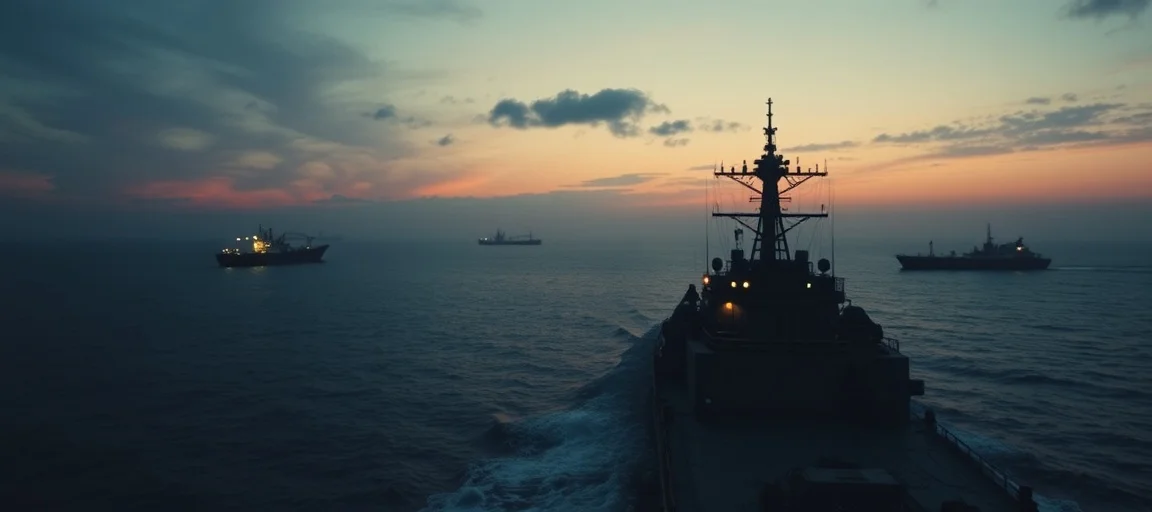
The Strait of Hormuz is not merely a regional issue; its security directly impacts global energy supplies and the world economy. The effective closure or militarization of the Strait, as reportedly occurred prior to this warning, would lead to skyrocketing energy prices and disrupt the trade of various commodities worldwide. The US has previously implemented naval blockades of Iranian ports to counter such threats, but full commercial shipping restoration remains a challenge.
The prospect of Iran and Oman jointly managing traffic and potentially charging fees raised alarms internationally, as it could set a dangerous precedent for other strategic waterways and undermine the principle of freedom of navigation. International bodies and maritime organizations would likely view any unilateral control over the Strait as a violation of international law, regardless of the participating nations.
Conflicting Narratives and Fragile Peace Talks
The warning to Oman came at a particularly sensitive moment, as the United States and Iran were reportedly engaged in fragile and complex peace negotiations aimed at de-escalating the broader conflict that had gripped the region. These talks involved various contentious issues, including Iran's nuclear program, sanctions relief, and regional de-escalation. The US rejected Iranian state media reports claiming a draft agreement that included joint control of the Strait, dismissing them as "a complete fabrication".
Former President Trump himself indicated that he was "not satisfied" with the progress of the negotiations and was prepared to "finish the job" if Iran did not agree to terms acceptable to the US. This suggests a delicate balance where any perceived concession or emboldenment of Iran could derail the entire diplomatic process. The warning to Oman could be interpreted as a message to all regional actors—and indeed, to Iran itself—that the US would tolerate no challenges to the status quo in the Strait of Hormuz. The interplay between these public warnings and private negotiations underscores the complexity and high stakes of current Middle East diplomacy.
Expert Analysis: Geopolitical Implications
The unexpected severity of the US warning to Oman has prompted considerable analysis from geopolitical experts, who are weighing the potential short-term and long-term implications for regional stability and international relations.
Shifting Alliances and Trust in the Gulf
Geopolitical analysts suggest that Trump's direct threat to Oman could strain long-standing alliances in the Gulf. "Oman has been a consistent partner, offering a unique bridge to Iran when others could not," noted Dr. Aisha Al-Hassan, a Middle East policy expert at the Gulf Institute for Strategic Studies. "This public warning, particularly its tone, might be interpreted by other US allies in the region as a sign of unpredictability or a lack of patience, potentially eroding trust."
While some might see it as a strong signal of US resolve, others could view it as undermining the very diplomatic channels Oman has meticulously built, which have historically served US interests by preventing broader regional conflagrations. The incident might force Gulf states to reassess their own strategic positions, potentially seeking new alignments or strengthening existing ones to navigate an increasingly uncertain regional landscape.
The Future of Mediation in the Middle East
Oman's reputation as the "Switzerland of the Middle East" has been built on its consistent neutrality and its capacity to facilitate back-channel diplomacy. This warning, however, places its mediatory role in jeopardy. "When a mediator is threatened by one of the principal parties they are trying to bring to the table, their credibility and effectiveness are inevitably compromised," explained Professor Mark Thompson, an international relations scholar at Georgetown University. "It complicates Oman's ability to act as an honest broker, especially if its actions are perceived to benefit one side over another, or if it fears repercussions from either."
The episode underscores the increasing difficulty for smaller nations to maintain strict neutrality in a region dominated by great power rivalries and entrenched conflicts. Should Oman's mediating capacity be diminished, it could remove a vital de-escalation mechanism, making future diplomatic breakthroughs more challenging and increasing the risk of miscalculation.
US Foreign Policy Under Pressure
The Trump administration's approach to foreign policy, characterized by assertive rhetoric and a willingness to challenge established diplomatic norms, was again evident in the warning to Oman. Critics argue that such public threats against an ally can be counterproductive, potentially alienating partners and pushing them closer to adversaries. "Threatening to 'blow up' an Arab country because its waters happen to sit along an oil route Washington wants reopened is the same lawless logic that produced this war in February, and it is the clearest possible signal that any ceasefire this administration brokers will hold only until the next time the president loses his temper at a cabinet meeting," an Al Jazeera report stated.
Conversely, supporters of the administration's stance might argue that such strong language is necessary to project resolve and deter actions perceived as detrimental to US national security interests. The administration's unwavering insistence that the Strait of Hormuz is international waters, and that no entity will be allowed to control it, reflects a consistent policy aim. The incident, however, highlights the ongoing debate about the efficacy and consequences of a maximalist foreign policy approach in a highly complex and interconnected region.
Potential Repercussions and the Path Forward
The stern warning from the former US President to Oman has created a highly unpredictable environment in the Middle East, with immediate and long-term implications for regional security, diplomatic norms, and the global energy landscape. The path forward will require careful navigation by all parties involved.
Oman's Strategic Dilemma
Oman now faces a critical juncture in its foreign policy. Its long-standing reputation as a neutral arbiter is under immense pressure. Should Muscat proceed with any arrangements alongside Iran concerning the Strait of Hormuz, it risks not only incurring direct military consequences from the United States but also alienating other powerful Gulf Cooperation Council (GCC) members who largely align with the US against Iran. This would fundamentally alter Oman's regional standing and potentially force it into a more explicit alignment, a position it has meticulously avoided for decades.
Conversely, completely caving to US demands might be perceived by Iran as a betrayal, jeopardizing its historical ties and future diplomatic leverage with Tehran. Oman's leadership must weigh these complex risks, prioritizing national security and economic stability while attempting to salvage its diplomatic credibility. The decision will undoubtedly shape the future trajectory of Omani foreign policy.
Broader Implications for Middle East Security
The incident also holds significant implications for broader Middle East security. An intensified confrontation over the Strait of Hormuz could quickly escalate, potentially drawing in other regional and international actors. The "effective closure" of the Strait has already disrupted global energy markets and trade. Further instability in this critical chokepoint would have severe worldwide economic repercussions, pushing energy prices higher and destabilizing supply chains.
Moreover, the explicit threat of military action against an ally, even in a hypothetical scenario, could further fragment regional alliances and lead to an increased militarization of the Gulf. This could spark an arms race and heighten the risk of miscalculation, potentially triggering a wider conflict. The situation underscores the urgent need for de-escalation and a renewed commitment to diplomatic solutions.
Conclusion: The Unfolding Crisis and Future Outlook
The forceful warning by former President Trump to Oman represents a critical moment in the ongoing geopolitical struggles of the Middle East. The delicate balance maintained by Oman, as a neutral mediator in an increasingly polarized region, has been severely tested by reports of its potential collaboration with Iran regarding the Strait of Hormuz. The stark "blow them up" rhetoric from the US underscores the strategic importance attached to the waterway and Washington's unwavering determination to ensure its unimpeded international passage.
As the region continues to grapple with Trump Warns Oman Amid Escalating Iran Tensions, the episode highlights the profound challenges facing diplomacy when faced with high-stakes geopolitical maneuvers and assertive foreign policy. The coming weeks will be crucial in determining whether Oman can navigate this complex diplomatic tightrope, preserving its alliances while avoiding further escalation. The outcome will undoubtedly shape the future of maritime security, regional power dynamics, and the precarious peace in the Middle East.
Frequently Asked Questions
Q: Why did former President Trump warn Oman?
A: Trump warned Oman over reports that it was discussing a joint arrangement with Iran to manage and potentially impose fees on traffic in the Strait of Hormuz. This was seen by the US as a direct challenge to international freedom of navigation and a bolstering of Iranian influence over the critical waterway.
Q: What is the strategic importance of the Strait of Hormuz?
A: The Strait of Hormuz is the world's most vital oil transit chokepoint, with approximately one-fifth of global oil consumption and a significant portion of liquefied natural gas passing through it daily. Its security is paramount for global energy markets and international trade.
Q: How does this incident impact Oman's role as a regional mediator?
A: The explicit warning significantly complicates Oman's long-standing neutral diplomatic role. It risks alienating either the US or Iran, potentially compromising its credibility and effectiveness as a trusted back channel for de-escalation and peace talks in the Middle East.
Further Reading & Resources
- Al Jazeera - Trump appears to threaten Oman over Strait of Hormuz impasse
- Business Insider - Trump appeared to threaten military action against Oman after a new report suggested the country was conspiring with Iran to charge ships a toll to use the Strait of Hormuz
- Middle East Eye - Trump threatens Oman over Strait of Hormuz in bizarre exchange