Trump Halts Iran Strike, Seeks New Nuclear Deal Diplomacy
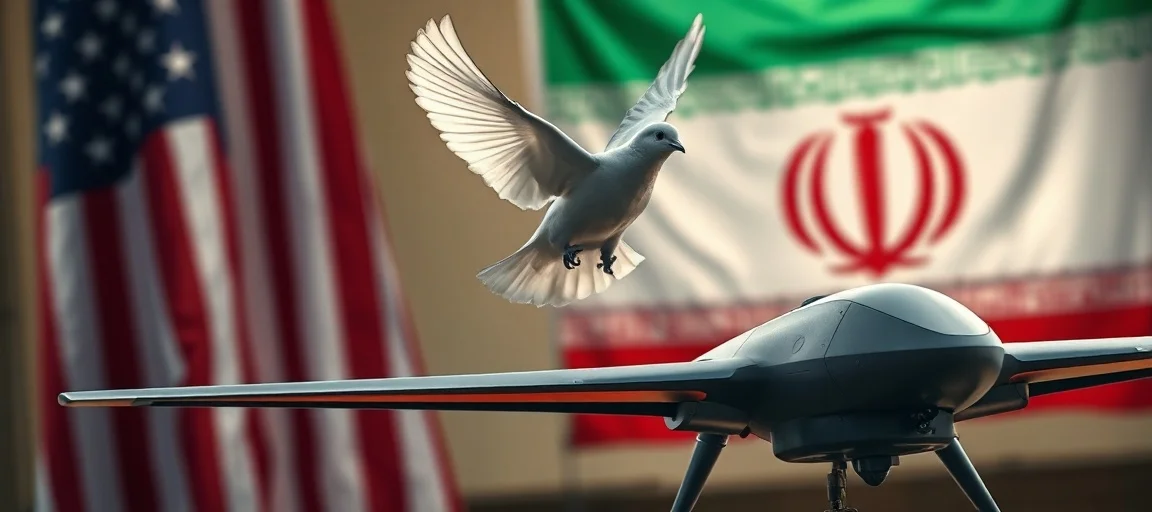
The world watched with bated breath as then-President Donald Trump made a last-minute decision to halt a retaliatory military strike against Iran, dramatically shifting the immediate trajectory of US-Iran relations. This pivotal moment, where Trump Halts Iran Strike, Seeks Nuclear Deal diplomacy, underscored a complex strategy aiming to de-escalate military confrontation while simultaneously pushing for a more comprehensive agreement on Tehran's nuclear program. The move came after Iran shot down a U.S. surveillance drone, escalating tensions in the Gulf region to unprecedented levels. President Trump's abrupt reversal, just minutes before the planned strikes, signaled a preference for diplomatic avenues over military engagement, emphasizing his administration's desire for a new, more robust nuclear pact.
- The Precipice of Conflict: A Snapshot of US-Iran Tensions
- Trump's Decision to Halt the Strike: A Critical Turning Point
- International Reactions and Diplomatic Efforts
- Domestic Political Landscape and Public Opinion
- The Pursuit of a "Better Deal"
- Looking Ahead: Potential Outcomes and Enduring Challenges
- Conclusion
- Frequently Asked Questions
- Further Reading & Resources
The Precipice of Conflict: A Snapshot of US-Iran Tensions
The relationship between the United States and Iran has been fraught with tension for decades, but it reached a critical boiling point in mid-2019. Following the Trump administration's withdrawal from the Joint Comprehensive Plan of Action (JCPOA), commonly known as the Iran nuclear deal, in May 2018, tensions steadily escalated. This withdrawal reintroduced stringent U.S. sanctions on Iran, severely impacting its economy, particularly its oil exports. In response, Iran began to scale back its commitments under the nuclear deal, increasing its uranium enrichment levels beyond the limits set by the JCPOA.
The Gulf region became a flashpoint, witnessing a series of incidents that fueled fears of a broader conflict. These included attacks on oil tankers in the Gulf of Oman, which the U.S. blamed on Iran, and the downing of a sophisticated U.S. RQ-4A Global Hawk surveillance drone by Iran's Revolutionary Guard Corps (IRGC) on June 20, 2019. Iran asserted that the drone had violated its airspace over the Strait of Hormuz, a claim the U.S. vehemently denied, stating the drone was in international airspace. This incident pushed both nations to the brink of direct military confrontation, prompting the immediate consideration of retaliatory strikes by the U.S.
Escalation and the Drone Incident
The downing of the drone represented a significant escalation. U.S. military officials had reportedly drawn up plans for strikes on several Iranian targets, including radar and missile batteries, in retaliation for what they considered an unprovoked attack on an American asset in international airspace. Preparations were reportedly well underway, with military assets positioned and awaiting final orders. The global community held its breath, with many leaders and diplomats urging de-escalation and restraint from both sides.
Several key events contributed to the heightened tensions preceding the drone incident:
- U.S. Withdrawal from JCPOA (May 2018): This move by the Trump administration reignited a long-standing dispute over Iran's nuclear ambitions and its regional activities.
- Reimposition of Sanctions: The U.S. implemented a "maximum pressure" campaign, imposing crippling sanctions aimed at forcing Iran to negotiate a new, more comprehensive deal.
- Iranian Retaliation: Iran gradually increased its nuclear activities beyond JCPOA limits and was accused of involvement in attacks on shipping in the Gulf.
- Deployment of U.S. Forces: In response to perceived threats, the U.S. deployed additional military assets, including an aircraft carrier strike group and bombers, to the Middle East.
Trump's Decision to Halt the Strike: A Critical Turning Point
On the evening of June 20, 2019, just hours before planned military strikes were set to commence, President Trump called off the operation. This decision was revealed by the President himself, who stated via social media that he had stopped the strikes because the potential casualty count—estimated at 150 Iranians—would not be a proportionate response to the downing of an unmanned drone. Trump reportedly ordered the halt only 10 minutes before the strikes were to begin, indicating a very last-minute change of heart.
The rationale behind this sudden reversal was multifaceted. While the disproportionate casualties were cited as the primary reason, many analysts also pointed to Trump's consistent preference for avoiding new military entanglements and his repeated calls for diplomacy with adversaries. The President had, throughout his tenure, expressed skepticism about military interventions and championed a more transactional approach to international relations. His decision to halt the strike demonstrated a calculated risk, prioritizing a diplomatic off-ramp over immediate military retribution.
The Search for a New Path: Trump Halts Iran Strike, Seeks Nuclear Deal
The immediate aftermath of the halted strike saw President Trump reiterate his openness to negotiations with Iran. He expressed a desire for a new, broader agreement that would not only address Iran's nuclear program but also its ballistic missile capabilities and its destabilizing regional activities. This contrasted sharply with the JCPOA, which primarily focused on nuclear restrictions in exchange for sanctions relief. Trump's vision for a "better deal" aimed for a more comprehensive and enduring resolution to the perceived threats posed by Iran.
The administration's stance was that the original JCPOA was flawed because it had sunset clauses that would eventually lift restrictions on Iran's nuclear program and did not adequately address its missile development or support for proxy groups in the Middle East. By calling off the strike and simultaneously extending an olive branch for talks, Trump attempted to signal both strength and a willingness to find a non-military solution, albeit one on U.S. terms.
International Reactions and Diplomatic Efforts
The abrupt halt of the U.S. strike and the subsequent call for a new nuclear deal elicited a wide range of reactions from the international community. European allies, who had remained committed to the JCPOA despite U.S. withdrawal, generally welcomed the de-escalation but urged both sides to engage in genuine dialogue. Countries like France, Germany, and the UK emphasized the importance of maintaining the existing nuclear deal while also addressing broader regional security concerns through diplomatic channels. They cautioned against further unilateral actions that could destabilize the region.
Russia and China, both signatories to the original JCPOA, criticized the U.S. "maximum pressure" campaign and called for a return to adherence to the international agreement. They viewed the U.S. withdrawal from the JCPOA as the root cause of the escalating tensions and advocated for a multilateral approach to resolving the crisis. Meanwhile, regional allies of the U.S., particularly Saudi Arabia and Israel, expressed concern over Iran's actions and generally supported a tougher stance against Tehran, though they also acknowledged the need to avoid a full-scale conflict.
The Role of Mediators
Several nations and international bodies attempted to mediate between the U.S. and Iran. Oman, a historically neutral party in the Gulf, and Switzerland, which represents U.S. interests in Iran, played quiet diplomatic roles. Japanese Prime Minister Shinzo Abe visited Tehran shortly before the drone incident, carrying a message from President Trump, indicating early attempts at de-escalation and communication.
However, Iran's response to the offer of negotiations was initially cautious and often defiant. Iranian officials consistently stated that they would not negotiate under duress or while U.S. sanctions remained in place. They demanded a return to the JCPOA as a precondition for any further talks, seeing the U.S. withdrawal and sanctions as a breach of international law and a hostile act.
Domestic Political Landscape and Public Opinion
Domestically, President Trump's decision to halt the strike was met with mixed reactions. Supporters praised his prudence and willingness to avoid unnecessary military conflict, viewing it as a fulfillment of his "America First" promise to end "endless wars". They highlighted his strategic use of both military deterrence and diplomatic overtures to achieve U.S. objectives without resorting to armed intervention.
Conversely, critics, primarily from the Democratic Party, argued that the administration's "maximum pressure" campaign itself had created the dangerous escalation and that Trump's abrupt policy shifts contributed to instability. Some also questioned the effectiveness of seeking a new deal while simultaneously abrogating a previous one, suggesting it undermined U.S. credibility on the international stage. There was a significant debate within political circles about the appropriate balance between military deterrence, sanctions, and diplomatic engagement with Iran.
Public opinion was also divided. While many Americans expressed relief at the avoidance of war, there was also a pervasive sense of unease regarding the unpredictability of U.S. foreign policy and the ongoing tensions with Iran. The incident highlighted the complexities of managing geopolitical crises and the challenges of achieving consensus on foreign policy objectives in a highly polarized political environment.
The Pursuit of a "Better Deal"
The Trump administration's vision for a "better deal" with Iran went significantly beyond the scope of the JCPOA. Key demands included:
- Permanent Nuclear Restrictions: Eliminating sunset clauses and imposing indefinite limits on Iran's uranium enrichment and nuclear development.
- Ballistic Missile Program: Curbing Iran's development and proliferation of ballistic missiles, which were not addressed by the JCPOA.
- Regional Destabilization: Ending Iran's support for proxy groups and militias in countries like Yemen, Syria, Lebanon, and Iraq.
- Verification and Inspections: Demanding more intrusive and robust inspection regimes to ensure Iran's compliance.
This comprehensive approach aimed to address what the Trump administration viewed as the fundamental flaws of the JCPOA. However, Iran consistently rejected these preconditions, viewing them as infringements on its sovereignty and national security interests. Tehran maintained that its nuclear program was for peaceful purposes and its missile program was defensive, while its regional influence was a natural consequence of its geopolitical standing.
Obstacles to Negotiation
Despite the U.S. call for dialogue, several significant obstacles hindered the prospect of immediate negotiations:
- Sanctions: Iran's insistence that sanctions be lifted before any talks could begin.
- Trust Deficit: A deep lack of trust, particularly after the U.S. withdrawal from the JCPOA.
- Sovereignty Concerns: Iran's refusal to negotiate on its ballistic missile program or regional influence, viewing them as non-negotiable aspects of its defense and foreign policy.
- Internal Politics: Hardliners in Iran opposed any direct talks with the U.S.
- U.S. Demands: The extensive nature of the "12 Demands" outlined by the U.S. Secretary of State Mike Pompeo were seen as maximalist and unrealistic by Iran.
These challenges made any direct high-level talks difficult to materialize, even as both sides occasionally sent signals of openness to dialogue through intermediaries. The standoff became a test of wills, with each side hoping the other would yield to pressure.
Looking Ahead: Potential Outcomes and Enduring Challenges
The decision by the U.S. to halt a retaliatory strike and articulate a desire for a new nuclear deal fundamentally altered the immediate trajectory of the US-Iran crisis. While it averted an immediate military confrontation, it did not resolve the underlying tensions. The strategy of "maximum pressure" combined with a diplomatic opening created a complex and volatile environment.
Potential outcomes stemming from this period included:
- Renewed Diplomatic Efforts: Despite initial rejections, the door for diplomacy remained partially open, with potential for future engagement through intermediaries or a change in administration policies.
- Continued Escalation: Without a diplomatic breakthrough, the risk of further, albeit perhaps smaller, escalations in the Gulf region remained a significant concern.
- Iranian Nuclear Breakout: A continued lack of a deal could lead Iran to further abandon its JCPOA commitments, potentially shortening its nuclear breakout time.
- Regional Instability: The broader Middle East remained a theater for proxy conflicts and geopolitical competition between the U.S. and Iran.
The enduring challenge for future administrations and international diplomats is to find a pathway to de-escalation and a sustainable resolution that addresses the concerns of all parties involved. This includes acknowledging Iran's legitimate security interests while also ensuring regional stability and non-proliferation objectives are met. The incident served as a stark reminder of how quickly geopolitical tensions can escalate and the critical importance of strategic decision-making in averting wider conflicts.
Conclusion
The dramatic moment when President Donald Trump made the crucial decision to halt a military strike against Iran, signaling a preference for negotiations over confrontation, epitomized a complex and often contradictory approach to foreign policy. The pivotal strategy behind "Trump Halts Iran Strike, Seeks Nuclear Deal" diplomacy was to leverage maximum economic pressure to compel Iran to negotiate a new, more comprehensive agreement while simultaneously avoiding direct military entanglement. This delicate balance, while averting immediate conflict, underscored the profound challenges in navigating the intricate US-Iran relationship. The events of 2019 highlighted the urgent need for a diplomatic resolution to prevent further regional destabilization and ensure nuclear non-proliferation.
Frequently Asked Questions
Q: Why did President Trump halt the military strike against Iran?
A: President Trump stated he halted the strike because the estimated 150 Iranian casualties would be a disproportionate response to the downing of an unmanned drone. He also preferred to pursue a diplomatic solution, signaling a willingness to de-escalate tensions.
Q: What was the primary goal of seeking a "new nuclear deal"?
A: The Trump administration aimed for a more comprehensive agreement than the JCPOA. This new deal would permanently restrict Iran's nuclear program, curb its ballistic missile development, and end its support for regional proxy groups, aiming for greater long-term stability.
Q: How did the international community react to Trump's decision?
A: European allies generally welcomed the de-escalation, urging genuine diplomacy. Russia and China criticized U.S. sanctions and called for adherence to the JCPOA. Meanwhile, U.S. regional allies supported a tougher stance against Tehran while also acknowledging the need to avoid a full-scale conflict.