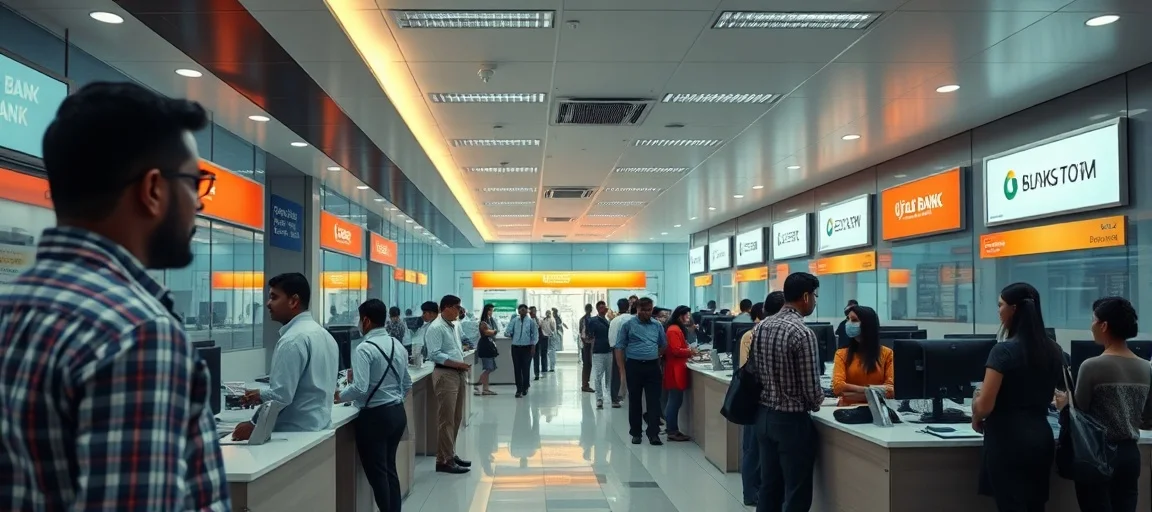
Southeast Asia's Digital Economy Continues Rapid Expansion

Southeast Asia's digital economy continues rapid expansion, solidifying its position as a global growth engine. This dynamic region is experiencing an unprecedented surge in digital adoption, driven by a young, tech-savvy population, supportive government policies, and an increasingly sophisticated digital infrastructure. The region's journey toward becoming a trillion-dollar digital economy by the end of the decade is well underway, showcasing immense potential and reshaping global commerce. The digital economy continues rapid expansion across various sectors, from e-commerce to digital financial services and artificial intelligence.
Background and Growth Drivers
The digital transformation in Southeast Asia is a profound shift, fueled by rigorous data-protection regimes, the rise of remote work, and sophisticated cloud-based solutions. This evolving digital landscape has seen remarkable growth, with the internet economy valued at approximately 330 billion by 2025. The region's internet penetration rate has also seen a significant increase, reaching over 70% of the population at the beginning of 2023. This growth is not merely an expansion of internet access but a comprehensive integration of digital technologies into everyday life and business operations.
Key Market Segments Fueling Expansion
Several key market segments are propelling this rapid digital expansion. E-commerce, digital advertising, fintech, and on-demand services are experiencing exponential growth. These sectors are capitalizing on increased digital adoption, a burgeoning middle class, and the demand for innovative solutions tailored to the region's diverse financial landscape. The digital economy's next decade is expected to witness a deep structural transformation, with artificial intelligence (AI) becoming a crucial conductor unlocking the region's full potential.
The Role of E-commerce and Digital Payments
E-commerce and digital payments are at the forefront of Southeast Asia's digital revolution, driving significant economic activity and fostering financial inclusion.
E-commerce Boom
The e-commerce sector in Southeast Asia is experiencing exponential growth. In 2024, the total e-commerce Gross Merchandise Value (GMV) reached US181 billion, a 16% increase from 2024. Momentum Works reported that Southeast Asia's platform e-commerce GMV grew 22.8% year-on-year in 2025 to reach $157.6 billion, marking the fastest pace in four years.
Thailand and Malaysia are leading this growth, with e-commerce GMV rising by 21.7% and 19.5% respectively in 2024. In 2025, Thailand and Malaysia continued to lead with 51.8% and 47.6% year-on-year growth respectively. Vietnam, the Philippines, and Singapore also registered double-digit gains exceeding 20% in 2025. Indonesia remains the largest market, holding a 37% share of the platform e-commerce GMV in 2025, despite slower growth. Major players like Shopee, Lazada, and TikTok Shop (including Tokopedia) collectively controlled approximately 98.8% of the region's platform e-commerce market in 2025, with Shopee maintaining a dominant 53% market share. Content commerce has emerged as a core infrastructure, generating an estimated $49.7 billion in GMV in 2025, representing 32% of total platform GMV, up from 20% in 2024.
Digital Payment Transformation
The transformation in digital payments is equally impressive. Southeast Asia's digital payments volume crossed 572 billion in digital payment volume in 2025. The country's large population and previously low banking penetration created significant room for digital adoption, with leading digital wallets including GoPay, OVO, ShopeePay, and Dana. Bank Indonesia's QRIS interoperable QR system processed 3.2 billion transactions in 2025.
Thailand's PromptPay system processed 195 billion, supported by platforms like MoMo, ZaloPay, and VNPay, and the government's initiative to make 80% of all transactions digital by 2030. The super-app model, exemplified by Grab, Gojek (now GoTo), Sea (Shopee), and Lazada, integrates ride-hailing, food delivery, e-commerce, payments, lending, and insurance, with payments serving as the connective tissue. Grab Financial Group processed $18 billion in loans in 2025 and serves 40 million active payment users across several Southeast Asian countries. Digital wallet usage across Southeast Asia accounts for approximately 600 million users, a penetration rate exceeding 85% among smartphone owners in the region. All 10 ASEAN member states now operate unified national QR systems, facilitating widespread adoption of QR-based payments.
Investment and Innovation Landscape
The sustained growth of Southeast Asia's digital economy is attracting significant investment and fostering a vibrant innovation ecosystem, particularly in emerging technologies like Artificial Intelligence.
Attracting Global Capital
After a sluggish second half of 2024, Southeast Asia's tech startup ecosystem showed signs of recovery, with startups raising 1.4 billion. This shift reflects an ecosystem maturity, where investors are increasingly backing proven, scalable business models over early-stage experimentation.
Singapore continues to dominate, attracting 92% of Southeast Asia's funding in H1 2025, largely due to supportive policies, robust infrastructure, and access to capital. While this centralizes funding, emerging hubs like Jakarta and Thu Duc received significantly less. Fintech remains the most active sector, raising 5.4 billion in 2025 across 461 deals. Over the last decade, $120 billion in private funding has been invested in the digital economy, with new internet users exceeding 200 million.
Local Startups and Unicorns
The region has become a hotbed for local startups, with 55 unicorns emerging and a combined market valuation of the tech startup ecosystem reaching $454 billion in H1 2024. This environment is fostering innovation across various digital sectors. Notable venture capital firms like Granite Asia, Vertex Holdings, and Jungle Ventures are actively investing in venture and growth-stage tech companies across the region, focusing on fintech, enterprise software, deep tech, healthcare, consumer tech, and SaaS. The shift towards backing more mature businesses signifies a growing confidence in the region's ability to produce robust and profitable ventures.
Challenges and Opportunities
While Southeast Asia's digital economy is experiencing rapid expansion, it also faces significant challenges that, if addressed, can unlock even greater opportunities for inclusive and sustainable growth.
Bridging the Digital Divide
A primary challenge is the persistent digital divide, both between urban and rural areas within countries and among different nations in the region. Limited internet access and infrastructure in remote regions hinder inclusive growth and equal opportunities. For instance, broadband internet speeds vary significantly across Southeast Asian countries. Bridging this gap requires substantial investment in digital infrastructure, including expanding broadband coverage and improving internet speeds, to support digital services and applications across all communities. Governments are implementing policies to support digital transformation, such as the ASEAN Digital Integration Framework, aimed at enhancing connectivity and digital integration.
Regulatory Frameworks and Data Security
As the digital landscape expands, so do cybersecurity risks and concerns about data security. A significant proportion of people in Southeast Asia are concerned about their data being stolen (86%) and the potential misuse of personal data by governments. This concern is linked to lower trust in AI and digital services. Regulatory fragmentation across ASEAN member states poses another hurdle, hindering cross-border digital trade and innovation. Each country often has its own licensing requirements, data localization rules, and consumer protection frameworks, creating complexities for companies operating regionally.
To address these, policy development needs to focus on digital finance, digital training, and digital infrastructure, both physical and institutional. Implementing a common data policy and payment platform across the Asian region could facilitate more online transactions and e-public services. Furthermore, enhancing digital skills and education is crucial for developing a skilled workforce equipped with digital competencies to sustain growth. The ASEAN Digital Masterplan 2025 aims to enhance connectivity, digital integration, and cybersecurity.
The Future Outlook for Southeast Asia's Digital Economy Continues Rapid Expansion
The future outlook for Southeast Asia's digital economy is exceptionally promising, with continued rapid expansion anticipated across all sectors. The region is not just embracing digital transformation but is actively shaping its next phase, particularly through the adoption of Artificial Intelligence.
The e-Conomy SEA 2025 report by Google, Temasek, and Bain & Company projects that Southeast Asia's digital economy will surpass 135 billion in 2025 as profitability accelerates across the region. The total internet economy for Southeast Asia is projected to grow to over $330 billion by 2025.
Southeast Asia is rapidly positioning itself as a global hotspot for AI transformation. This is driven by a thriving ecosystem of adopters, innovative startups, and major investors. Consumer interest in AI topics in the region is notably three times the global average. Projections suggest that AI could contribute up to 2.3 billion has been invested in more than 680 AI startups in the past year, indicating significant momentum.
Regional cooperation will continue to play a vital role. Increased connectivity in digital financial services, with eight of the 10 ASEAN markets now offering cross-border QR interoperability, underscores this collaborative spirit. The shift from a foundational digital economy to an "intelligent AI reality" will redefine consumer experiences and transactions, with high user curiosity driving business growth and competitive advantage. Sustaining this growth will require continued robust foundational investments in physical infrastructure and careful AI regulation.
Conclusion
Southeast Asia's digital economy continues rapid expansion, demonstrating remarkable resilience and dynamism in the face of global economic shifts. Bolstered by a youthful demographic, increasing internet penetration, robust e-commerce growth, and a burgeoning digital payments landscape, the region is swiftly moving towards its potential of becoming a trillion-dollar digital economy. The enthusiastic adoption of AI and significant investments in digital infrastructure are poised to further accelerate this transformation. While challenges such as the digital divide and regulatory complexities persist, strategic collaborations, proactive government policies, and continuous innovation are paving the way for inclusive and sustainable growth, cementing Southeast Asia's crucial role in the global digital landscape.
Frequently Asked Questions
Q: What is the projected growth of Southeast Asia's digital economy?
A: The digital economy in Southeast Asia is projected to surpass 330 billion. Artificial Intelligence alone could contribute up to $950 billion to the region's GDP by 2030.
Q: Which sectors are primarily fueling the digital economic expansion?
A: E-commerce and digital payments are the primary drivers. Other key sectors include digital advertising, fintech, on-demand services, and increasingly, artificial intelligence, which is set to become a crucial conductor of future growth.
Q: What are the main challenges for the continued growth of Southeast Asia's digital economy?
A: Key challenges include bridging the digital divide, especially between urban and rural areas, and navigating fragmented regulatory frameworks. Cybersecurity risks and data security concerns also require robust policy development and infrastructure investment.