South America Sees Major Political Shifts Underway: A Comprehensive Overview
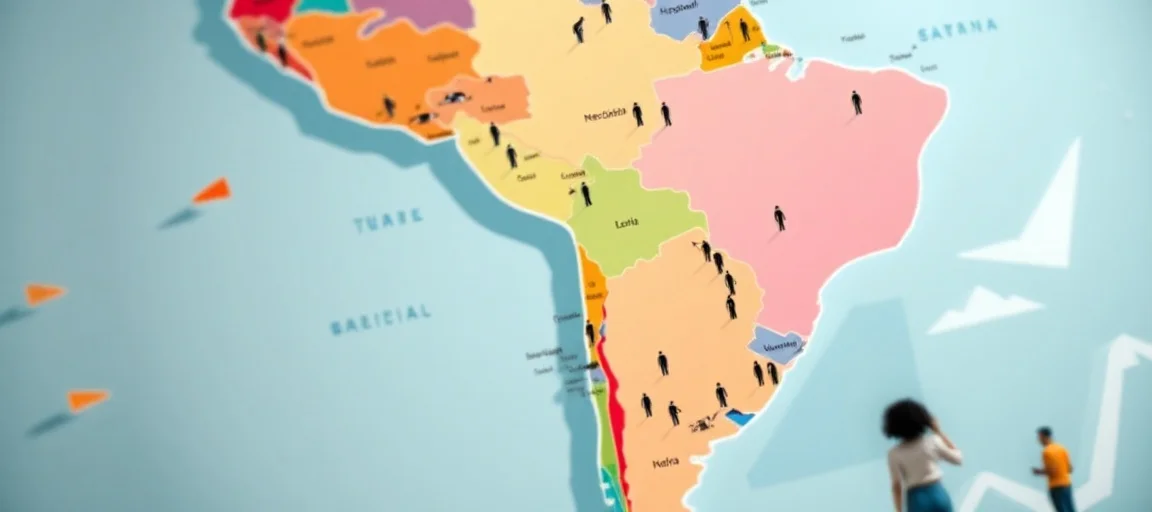
The geopolitical landscape of South America is currently experiencing a period of significant flux, as the region grapples with a complex interplay of economic challenges, evolving social demands, and shifting global alliances. From electoral upsets to constitutional reforms and ongoing economic volatility, South America Sees Major Political Shifts Underway that are reshaping its future trajectory. These major political shifts are not isolated incidents but rather interconnected developments signaling a profound regional recalibration. This comprehensive overview delves into the underlying causes, specific national examples, and broader regional implications of these ongoing transformations, offering readers a clear understanding of the dynamic political movements currently unfolding across the continent.
Background Context: A Shifting Landscape
South America has historically been characterized by periods of political instability and dramatic ideological swings, often influenced by economic cycles and external factors. The early 21st century saw a "pink tide" of left-leaning governments, followed by a conservative resurgence, and now appears to be entering another phase of varied political expressions. This cyclical nature underscores the deep-seated societal issues and the continuous search for effective governance models within the continent. Current shifts are influenced by a confluence of factors including persistent economic inequalities, the lingering effects of the global pandemic, commodity price fluctuations, and increasing geopolitical competition.
For decades, the region has sought to consolidate democratic institutions while simultaneously addressing widespread poverty, corruption, and the legacy of authoritarian rule. The current wave of political shifts can be understood as a response to perceived failures of past policies, coupled with a renewed push from diverse segments of society for more inclusive and responsive governance. Citizens are increasingly demanding accountability and a departure from traditional political paradigms, leading to unpredictable electoral outcomes and the rise of new political actors.
Key Drivers of Change in South America
Several interconnected factors are propelling the current political transformations across South America. Understanding these drivers is crucial to grasping the complexity and direction of the ongoing shifts. These influences often overlap, creating a dynamic and sometimes volatile political environment where rapid changes are commonplace.
Economic Pressures and Discontent
Economic instability remains a pervasive issue across much of South America, acting as a primary catalyst for political discontent. High inflation rates, unemployment, and widening income disparities have fueled public frustration and often translate into electoral repudiation of incumbent governments. Countries like Argentina and Venezuela have grappled with hyperinflation and severe economic contractions, leading to widespread social unrest and significant political realignment. Even relatively stable economies face pressures from global market fluctuations and the need to diversify beyond commodity exports. The reliance on natural resources often subjects national economies to boom-and-bust cycles, making long-term planning and social spending challenging. This economic precarity forces governments into difficult decisions, often leading to public backlash and demands for new leadership or radical policy changes.
The aftermath of the global pandemic exacerbated many pre-existing economic vulnerabilities, straining public finances and pushing more people into poverty. Governments that struggled to deliver effective economic recovery and social support have faced strong electoral challenges, as voters sought alternatives promising better economic prospects.
The Rise of Populism and New Political Forces
The current period is marked by the continued rise of populist movements, both on the left and on the right, which often capitalize on public disillusionment with traditional political establishments. These movements typically promise radical solutions to entrenched problems, appealing directly to segments of the population feeling ignored or underserved. In several nations, political outsiders or figures with unconventional platforms have gained significant traction, disrupting established political parties and altering the political discourse.
This trend signifies a broader fracturing of traditional party systems and a growing demand for leaders who present themselves as genuine agents of change, distinct from the perceived corruption or inefficiency of the old guard. The effective use of social media and direct communication channels has further empowered these new forces, allowing them to bypass traditional media filters and connect directly with their base. The electoral success of such figures often reflects a deep-seated desire among the populace for a complete overhaul of the political system rather than incremental reforms.
Geopolitical Realignments and External Influences
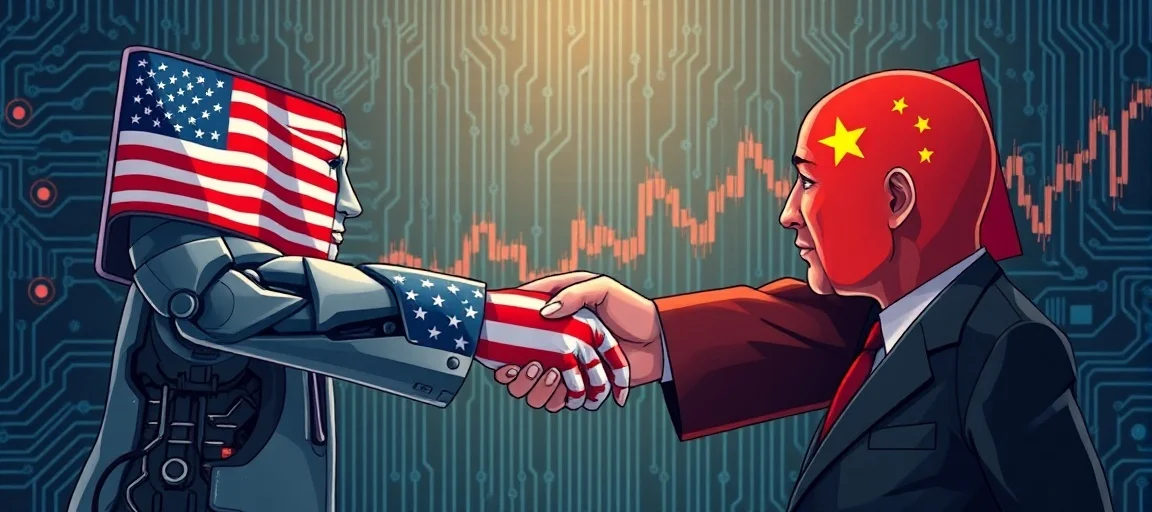
South America's political shifts are also occurring within a changing global geopolitical landscape. The increasing influence of China, along with the continued, albeit sometimes shifting, presence of the United States and European powers, creates a complex web of external pressures and opportunities. Countries are increasingly diversifying their international partnerships, seeking investment and trade agreements from multiple global players.
This realignment is not merely economic; it also has ideological components. Some governments may align more closely with specific global blocs based on shared political philosophies, influencing their domestic and foreign policy decisions. Debates over regional integration, such as the future of Mercosur or the role of organizations like CELAC, are often intertwined with these broader geopolitical considerations. The ongoing global competition for resources and influence means that South American nations are increasingly navigating a multi-polar world, which in turn impacts their internal political dynamics and strategic choices.
Case Studies: Nations at the Forefront of Political Shifts
To truly understand the comprehensive nature of how South America Sees Major Political Shifts Underway, it is essential to examine specific examples from across the continent. Each country presents a unique tapestry of challenges and responses, reflecting the diverse political cultures and economic realities of the region.
Argentina's Economic Volatility and Political Swings
Argentina remains a prime example of a nation deeply affected by economic volatility, which consistently drives its political pendulum. The country has cycled through periods of Peronist and opposition rule, with each administration inheriting and often struggling to contain persistent issues like high inflation, sovereign debt, and currency crises. Recent years have seen dramatic shifts, including the election of Javier Milei, an outsider libertarian, whose radical proposals for economic reform have sent ripples through the political establishment and the general populace. His administration's efforts to implement sweeping austerity measures and deregulation aim to fundamentally restructure the Argentine economy, leading to significant social protests and intense political debate over the nation's future direction. The success or failure of these policies will undoubtedly set a precedent for future political movements in the region.
Brazil's Enduring Ideological Divisions
Brazil, the continent's largest economy and most populous nation, continues to grapple with deep ideological divisions that manifest in its political landscape. Following a period of significant political polarization, recent elections have underscored the country's ongoing struggle to find a stable centrist path. The return of Luiz Inácio Lula da Silva to the presidency marked a shift back towards a more progressive agenda after a period of conservative governance. However, the legacy of populism and the divisions exposed during the previous administration continue to shape public discourse and policy debates. Issues such as environmental protection, social welfare programs, and economic development strategies remain highly contested, reflecting the diverse and often conflicting priorities within Brazilian society. The ongoing interplay between executive power and the legislature, often fragmented across numerous parties, ensures that political consensus remains a challenging endeavor.
Chile and the Pursuit of Constitutional Reform
Chile, once seen as a bastion of economic stability and democratic continuity in the region, has experienced significant political upheaval in recent years. Widespread social protests over inequality and the cost of living led to a national push for a new constitution, aimed at replacing the one inherited from the Pinochet dictatorship. While two attempts to approve new constitutional drafts have failed, the process itself highlighted a profound desire for systemic change and a more inclusive political framework. The ongoing debate over constitutional reform continues to influence Chilean politics, shaping electoral outcomes and policy priorities. The process underscores a broader regional trend: even in countries with strong institutional foundations, citizens are increasingly demanding more direct participation and fundamental changes to address long-standing grievances.
Peru's Persistent Governance Challenges
Peru has endured a period of pronounced political instability, characterized by frequent changes in leadership and a cycle of impeachment and dissolution of congress. Corruption scandals and deep-seated political fragmentation have plagued the country, leading to widespread public distrust in governmental institutions. The constant shifts in power make it difficult to implement consistent long-term policies and address pressing social and economic issues. The Peruvian case illustrates the challenges faced by democracies when political actors are unable to forge stable coalitions and prioritize national interests over partisan divisions. The struggle for stable governance in Peru highlights the fragility of democratic institutions when confronted with systemic corruption and a highly polarized political environment.
Colombia's Peace Process and Post-Conflict Dynamics
Colombia continues its complex journey in implementing a historic peace agreement with the FARC guerrillas, a process that has significantly reshaped its political priorities. The election of a left-wing president, Gustavo Petro, marked a historic departure from decades of conservative leadership, promising to deepen social reforms and address historical inequalities. However, challenges persist, including ongoing security concerns in some regions, the reintegration of former combatants, and the need to address the root causes of conflict. The peace process itself remains a focal point of political debate, with different factions holding varying views on its effectiveness and future direction. Colombia's experience highlights the long and arduous path of post-conflict reconstruction and the profound impact such processes have on a nation's political identity and governance.
Regional Implications of South America's Political Shifts Underway
The political shifts occurring within individual South American nations have significant ripple effects across the entire continent, influencing regional cooperation, diplomatic alliances, and the overall stability of the democratic order. These interconnected developments highlight the complex and interdependent nature of political dynamics in the region.
Impact on Regional Integration Bodies
The varying ideological leanings of governments across South America have often challenged the effectiveness and direction of regional integration bodies such as Mercosur, the Andean Community, and CELAC. Periods of ideological alignment tend to foster greater cooperation and progress on shared agendas, while divergent political outlooks can lead to stagnation or even withdrawal from regional initiatives. For example, debates over trade policies, environmental regulations, and human rights within Mercosur are frequently colored by the political philosophies of member states. The current array of political systems, from populist right to progressive left, makes it difficult to forge unified stances on critical regional and international issues, potentially weakening the collective voice of South America on the global stage.
Shifting Diplomatic Alliances
As nations experience internal political shifts, their external diplomatic priorities and alliances often realign. Some governments may seek closer ties with specific global powers (e.g., China, the United States, Russia) based on perceived economic benefits or ideological affinities. This can lead to a more fragmented regional diplomatic landscape, where traditional alliances are re-evaluated and new partnerships emerge. For instance, a country's stance on issues like climate change, resource extraction, or international trade agreements can shift dramatically with a change in leadership, impacting bilateral and multilateral relationships throughout the continent. These shifting alliances complicate regional efforts to address common challenges, from climate change to transnational crime, requiring constant adaptation and negotiation among diverse political actors.
Challenges to Democratic Stability
While democratic institutions have generally strengthened across South America since the authoritarian regimes of the late 20th century, the recent wave of political shifts introduces new challenges to their stability. The rise of populism, instances of executive overreach, and persistent corruption issues can erode public trust in democratic processes. The ability of institutions to withstand political polarization and maintain checks and balances is continuously tested. Furthermore, social unrest driven by economic inequality and political dissatisfaction can sometimes escalate into broader challenges to governmental authority, highlighting the ongoing fragility of democratic consolidation in some parts of the region. Ensuring that these political shifts occur within constitutional frameworks and respect democratic norms is crucial for the long-term health and stability of the continent.
Conclusion
The political landscape of South America is undeniably in motion, characterized by dynamic shifts that reflect a continent in a continuous state of evolution. From the economic reforms underway in Argentina to the deep ideological divides in Brazil and the constitutional debates in Chile, it is clear that South America Sees Major Political Shifts Underway. These transformations are driven by a complex mix of persistent economic pressures, the emergence of new political forces challenging established norms, and significant geopolitical realignments. The future trajectory of the region will hinge on how effectively its nations navigate these challenges, consolidate democratic governance, and respond to the demands of their diverse populations. The ongoing political journey of South America will undoubtedly continue to be a compelling narrative of change and adaptation in the years to come.
Frequently Asked Questions
Q: What are the primary factors driving political shifts in South America?
A: Major factors include persistent economic pressures like inflation and unemployment, the rise of populist movements capitalizing on public discontent, and geopolitical realignments with global powers like China and the United States influencing regional decisions.
Q: Which South American countries are highlighted as examples of these political transformations?
A: Key examples include Argentina, facing economic volatility and libertarian reforms; Brazil, navigating ideological divisions; Chile, pursuing constitutional reform; Peru, experiencing governance challenges; and Colombia, with its ongoing peace process and post-conflict dynamics.
Q: How do these political shifts impact regional integration and stability in South America?
A: These shifts can challenge regional integration bodies by creating divergent ideological stances among member states. They also lead to shifting diplomatic alliances and can test the stability of democratic institutions through populism and executive overreach.