South Africa Attacks: Mozambicans Killed in Violence Sparks Outcry
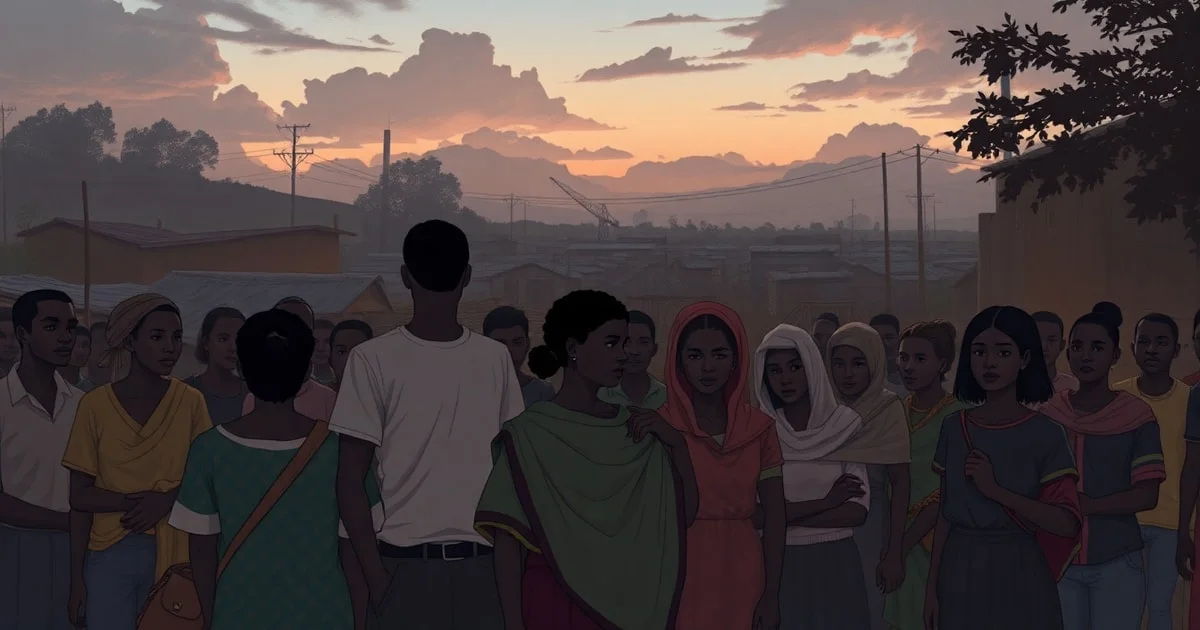
Recent South Africa Attacks: Mozambicans Killed in Violence have once again cast a harsh spotlight on the persistent issue of xenophobia in the nation. The tragic loss of life, particularly among the Mozambican community, has ignited widespread condemnation both domestically and internationally, prompting urgent calls for enhanced protection for foreign nationals and decisive action against perpetrators. These disturbing incidents underscore a deeply rooted challenge concerning migration, economic anxiety, and social cohesion that South Africa continues to grapple with. The attacks have left families shattered and communities fearing for their safety, emphasizing the critical need for comprehensive solutions.
- The Toll of South Africa Attacks: Mozambicans Killed in Violence
- Historical Context of Xenophobic Violence in South Africa
- The Mozambican Community: A Closer Look
- Official Responses and International Reaction
- Understanding Xenophobia in South Africa
- Calls for Peace and Stability
- Frequently Asked Questions
- Further Reading & Resources
- Conclusion
The Toll of South Africa Attacks: Mozambicans Killed in Violence
The latest wave of violence targeting foreign nationals in South Africa has resulted in multiple fatalities, with particular anguish expressed over the Mozambicans killed in violence. While detailed official statistics for the immediate period are still emerging, reports indicate several individuals have lost their lives in incidents often characterized by brutal attacks and looting of property. These actions are not isolated but rather reflect a troubling pattern of xenophobic sentiment that has periodically flared up across various South African provinces. The attacks have predominantly occurred in informal settlements and economically vulnerable areas, where competition for resources and opportunities is often perceived as a zero-sum game, leading to tensions and scapegoating.
The victims, many of whom are economic migrants or refugees seeking better prospects, frequently find themselves at the mercy of mob justice and targeted assaults. Eyewitness accounts and preliminary investigations suggest that the violence is often incited by misinformation and scapegoating, portraying foreign nationals as burdens on public services and competitors for scarce jobs. The Mozambican community, due to its proximity and historical ties with South Africa, constitutes a significant portion of the migrant population and, tragically, has borne a disproportionate share of the violence in many instances. This deep-seated animosity often overshadows the valuable contributions migrants make to the South African economy and society.
Historical Context of Xenophobic Violence in South Africa
Xenophobia in South Africa is not a new phenomenon; it has deep historical roots intertwined with the country's post-apartheid socio-economic challenges. The end of apartheid in 1994 brought with it immense hope but also heightened expectations for economic prosperity and social justice that have not been fully met for all citizens. This unmet expectation, coupled with high unemployment rates, poverty, and inequality, has created fertile ground for resentment and blame, often directed at foreign nationals who are perceived as rivals for scarce resources.
Major Incidents and Patterns
The country has witnessed several significant outbreaks of xenophobic violence over the past two decades. The most prominent include:
- 2008 Attacks: A widespread wave of violence erupted in townships across South Africa, leading to the deaths of over 60 people and displacement of tens of thousands. Mozambicans were among the most affected groups, highlighting the severe vulnerability of migrant communities.
- 2015 Attacks: Renewed attacks primarily targeting African immigrants, including Mozambicans, occurred in various cities, leading to several deaths and extensive property damage. These incidents often followed inflammatory statements from local leaders or during periods of heightened economic stress.
- 2019 Unrest: Another series of violent incidents, marked by looting and arson, particularly in Johannesburg, saw foreign-owned businesses targeted. While the government often frames these as criminality, the underlying xenophobic rhetoric and targeting of specific groups was undeniable, severely impacting livelihoods.
These repeated incidents highlight systemic failures in addressing the root causes of xenophobia and providing adequate protection for foreign nationals. The cycle of violence often follows periods of economic strain or political rhetoric that fans anti-immigrant sentiment, creating a pervasive climate of fear.
The Mozambican Community: A Closer Look
Mozambicans constitute one of the largest foreign national groups in South Africa, sharing a long and porous border. Their presence dates back decades, with many migrating for work in mines, farms, and other sectors during and after the apartheid era. This historical connection, however, has not insulated them from the recent South Africa attacks, which have seen Mozambicans killed in violence. Their deep integration into certain economic sectors also makes them particularly vulnerable when tensions flare.
Impact on Livelihoods and Safety
The recent attacks have had a devastating impact on Mozambican migrants and their families. Many rely on remittances sent back home to support relatives, and the destruction of businesses or loss of employment due to violence severely disrupts this critical lifeline. Beyond the economic hardship, the psychological trauma and constant fear for safety are profound. Individuals often live in precarious situations, fearing not only further attacks but also the risk of arbitrary arrests or deportation if they lack proper documentation. The uncertainty creates a cycle of instability, making long-term planning impossible for many.
The violence has created an environment of distrust and insecurity, making it difficult for Mozambicans to integrate fully or to access essential services without fear. Schools, healthcare facilities, and local markets can become places of vulnerability rather than refuge. The erosion of trust between communities is a significant long-term consequence that requires sustained efforts to rebuild, often over generations.
Official Responses and International Reaction
The South African government has consistently condemned acts of xenophobic violence, reiterating its commitment to protecting all residents within its borders, regardless of nationality. However, critics often argue that these condemnations are not always matched by effective preventative measures or swift justice for victims, leading to a perception of impunity.
Recently, the Mozambican government confirmed that five of its citizens were killed in "xenophobic attacks" in South Africa over a single weekend in Mossel Bay, with efforts underway to repatriate hundreds more. South African police, however, confirmed two deaths of Mozambicans in Mossel Bay, noting they were from multiple injuries from assault. A South African teenager was also killed, and dozens of shacks were torched in the same period. This disparity in figures highlights the complexity of reporting and confirming casualties in volatile situations and the challenge of accurately attributing motives.
In response to the escalating violence, Mozambique has dispatched a Labour Ministry delegation to South Africa to assess the safety and rights of its workers. The delegation aims to meet with South African authorities to evaluate conditions and identify measures to protect Mozambican workers, particularly given the concern for over 300,000 Mozambicans living and working in South Africa. The Mozambican government has also stated it is prepared to provide all necessary assistance to its workers, including support for repatriation or resettlement.
Internationally, there has been widespread condemnation and calls for action. Several African countries, including Kenya, Malawi, Nigeria, Lesotho, and Zimbabwe, have urged their citizens in South Africa to exercise caution. Ghana has already evacuated approximately 300 of its citizens, and Nigeria has announced similar repatriation plans. The United Nations has expressed "deep concern," while Human Rights Watch has criticized the inadequate response from South African authorities, highlighting the need for more robust interventions.
South Africa's government has continually condemned acts of xenophobia, with officials like Foreign Minister Ronald Lamola emphasizing that migrants are not the cause of economic problems and that civilians should not take immigration enforcement into their own hands. President Cyril Ramaphosa has also affirmed the country's commitment to protecting all residents. However, critics argue that such condemnations are not always matched by effective prevention or swift justice, and that political rhetoric can sometimes exacerbate tensions, making genuine solutions harder to implement.
The Southern African Development Community (SADC) and the African Union (AU) have been urged to initiate broader regional discussions on migration, labor mobility, and anti-xenophobia policies. The SADC has engaged the South African government to ensure the protection of African citizens, emphasizing regional integration and the free movement of people. However, the SADC Council of Non-Governmental Organizations (SADC-CNGO) has criticized the lack of consistent leadership from the South African government in combating xenophobia and called for the issue to be placed urgently on the SADC agenda to ensure regional stability and human rights.
Understanding Xenophobia in South Africa
The root causes of xenophobia in South Africa are multifaceted and deeply embedded in the country's socio-economic fabric. Understanding these complexities is crucial for developing effective, sustainable interventions.
Economic and Social Factors
High unemployment, particularly among the youth, pervasive poverty, and vast inequalities contribute significantly to anti-immigrant sentiment. Foreign nationals are often scapegoated for these systemic problems, accused of taking jobs, overburdening social services, and contributing to crime. This narrative, though often disproven by numerous studies showing migrants often fill labor gaps and contribute to the economy, gains traction in communities struggling with economic hardship. The informal economy, where many migrants find work, often becomes a flashpoint for competition and resentment, as formal opportunities remain scarce for local citizens. Foreign Minister Lamola has explicitly stated that economic challenges and unemployment will not be resolved by chasing anyone away, emphasizing the need for genuine economic solutions.
Political Rhetoric and Impunity
Some critics argue that political rhetoric, especially during election cycles, can inadvertently fuel xenophobic sentiments by using nationalist or anti-immigrant language to garner support. The delay in operationalizing the Prevention and Combating of Hate Crimes and Hate Speech Act, signed into effect in May 2024, has also been highlighted as a contributing factor to the culture of impunity. This Act aims to criminalize hate speech and require police to collect data on hate crimes, which is crucial for effective prevention efforts and accountability. Without robust legal frameworks and consistent enforcement, perpetrators often go unpunished, emboldening further acts of violence and entrenching harmful prejudices.
Historical Legacy of Apartheid
The legacy of apartheid, which enforced racial segregation and socio-economic disparities, continues to impact South African society. While apartheid officially ended, its divisive effects on resource allocation, spatial planning, and social relations persist, often creating competition and divisions along racial and ethnic lines. This historical context provides a complex backdrop against which xenophobic tensions manifest, often targeting other black African nationals, ironically mirroring some of the discriminatory practices of the past.
Calls for Peace and Stability
In the wake of these devastating South Africa attacks, there are renewed calls for immediate and long-term solutions to ensure peace and stability, and to prevent further instances of Mozambicans killed in violence. A comprehensive strategy requires commitment from all levels of government and society.
Community Engagement and Dialogue
Efforts to foster social cohesion and understanding between local and migrant communities are crucial for long-term peace. Dialogue initiatives, educational campaigns that debunk myths about foreign nationals, and joint community projects can help build bridges of trust and shared understanding. Local leaders, civil society organizations, religious groups, and youth advocates have a vital role to play in promoting messages of tolerance, solidarity, and mutual respect, initiating conversations that challenge prejudice.
Enhanced Law Enforcement and Justice
There is a critical need for more effective law enforcement and judicial processes to tackle xenophobia. This includes swift and impartial investigations into attacks, arrests of perpetrators, and successful prosecutions to end the cycle of impunity. The operationalization of the Hate Crimes and Hate Speech Act is seen as a vital step in this direction, providing legal recourse against inflammatory rhetoric and hate-motivated violence. Furthermore, specialized training for police officers and magistrates on xenophobia and hate crimes is essential to ensure justice is served fairly and consistently.
Regional Cooperation on Migration
Addressing migration challenges requires a concerted regional approach. South Africa, as a major economic hub, needs to work closely with neighboring countries like Mozambique within the SADC framework to develop comprehensive and humane migration policies. This includes addressing the "push factors" that compel people to leave their home countries, such as poverty, conflict, and lack of opportunities, through coordinated development efforts. Bilateral engagements between affected nations are also encouraged to ensure the security of citizens in either country and to manage migration flows more effectively.
Frequently Asked Questions
Q: What is xenophobia in South Africa?
A: Xenophobia in South Africa refers to the intense dislike or fear of people from other countries. It often manifests as discrimination, harassment, and sometimes violent attacks against foreign nationals, driven by socio-economic factors and historical contexts, particularly against other African nationals.
Q: Why are Mozambicans often targeted in South Africa?
A: Mozambicans are a significant migrant group in South Africa due to geographical proximity and historical labor migration. They are often targeted due to scapegoating amidst high unemployment and competition for resources, exacerbated by misinformation and historical tensions.
Q: What is the South African government doing to address xenophobia?
A: The South African government condemns xenophobic violence and has committed to protecting all residents. It has also operationalized the Hate Crimes and Hate Speech Act. However, critics seek more effective preventative measures and swift justice for perpetrators to end impunity.
Further Reading & Resources
- International Organization for Migration (IOM) South Africa
- Human Rights Watch on South Africa
- Southern African Development Community (SADC)
Conclusion
The recent South Africa attacks, which have tragically led to Mozambicans killed in violence, serve as a stark reminder of the urgent need to address deep-seated xenophobia. While the South African government has condemned these acts and affirmed its commitment to protecting all residents, more decisive and comprehensive actions are required. The continued cycle of violence not only shatters lives and communities but also tarnishes South Africa's image as a democratic nation built on human rights and solidarity. Moving forward, a multi-pronged approach involving robust law enforcement, community engagement, and strengthened regional cooperation is essential to foster a society where all individuals, regardless of their origin, can live in safety and dignity. Only through such sustained efforts can South Africa truly embody the principles of ubuntu and ensure that tragic incidents like these become a thing of the past.