Russia Unleashes Barrage on Ukraine: 11 Dead in Attacks, Dozens Wounded
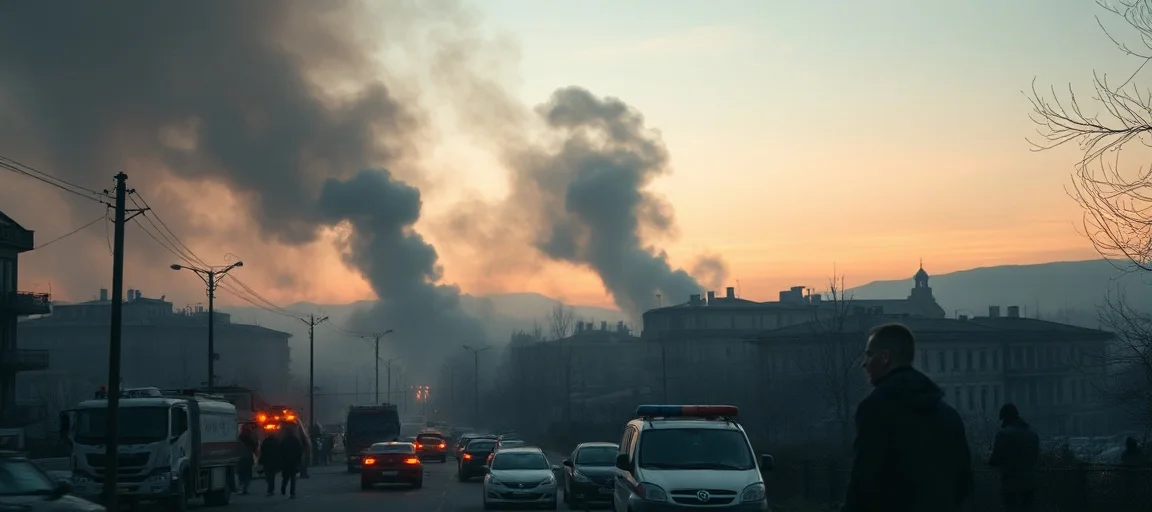
In the early hours of Tuesday, June 2, a devastating escalation of the ongoing conflict saw Russia Unleashes Barrage on Ukraine: 11 Dead in Attacks, with multiple cities across the nation enduring a relentless assault of missiles and drones. This latest wave of strikes has resulted in at least 11 fatalities and left over 100 individuals wounded, prompting widespread alarm and international condemnation. The concerted military actions targeted residential areas and critical infrastructure, causing significant damage and plunging parts of the country into chaos. This recent barrage underscores the brutal reality of the conflict, which continues to inflict immense suffering on the civilian population.
- Background and Escalation of the Conflict
- Russia Unleashes Barrage on Ukraine: 11 Dead in Attacks – Key Details
- International Reaction and Condemnation
- Humanitarian Impact and Civilian Toll
- Ukraine's Response and Defense Efforts
- The Broader Geopolitical Landscape
- Future Outlook and Ongoing Conflict
- Conclusion
- Frequently Asked Questions
- Further Reading & Resources
Background and Escalation of the Conflict
The full-scale Russian invasion of Ukraine commenced on February 24, 2022, marking a significant escalation of a conflict that originated in 2014 with Russia's annexation of Crimea and support for separatists in eastern Ukraine. For a deeper understanding, explore the historical context of the conflict. Since then, the war has been characterized by extensive military engagements, widespread displacement of civilians, and continuous attacks on Ukrainian cities and infrastructure. Millions of Ukrainians have been forced to flee their homes, with many seeking refuge in neighboring countries or becoming internally displaced.
Over the past four years, the conflict has seen various phases, from initial attempts to seize major cities like Kyiv to concentrated efforts on the southeastern front. Russia has consistently employed missile and drone strikes as a primary tactic, often targeting civilian areas far from the front lines. These attacks have caused widespread destruction, impacted critical energy systems, and resulted in a staggering human toll. The United Nations Human Rights Monitoring Mission in Ukraine (HRMMU) has consistently reported on the devastating civilian casualties, with figures indicating tens of thousands killed and injured since the full-scale invasion began.
Russia Unleashes Barrage on Ukraine: 11 Dead in Attacks – Key Details
The most recent and intense wave of assaults occurred on Tuesday, June 2, when Russia launched a massive combined missile and drone attack across Ukraine. The overnight barrage resulted in at least 11 deaths and more than 100 injuries. Key cities such as Kyiv, Dnipro, and Kharkiv bore the brunt of these strikes.
In Kyiv, the capital, four people were killed and 58 injured, including three children. Residential buildings were extensively damaged, and fires erupted in multiple districts. Kyiv Mayor Vitali Klitschko reported that a suspected missile strike on a 24-story apartment building led to its collapse, with fears of people trapped under the rubble. Falling missile debris also ignited fires near a kindergarten and at gas stations. Residents sought shelter in subway stations as air raid warnings sounded across much of the country.
The central city of Dnipro was particularly hard-hit, with seven fatalities and at least 35 wounded initially reported. One rescuer was tragically killed during a second attack as first responders arrived at the scene. Kharkiv also experienced drone and missile attacks, resulting in at least 14 injuries and damage to residential homes, garages, and cars. Reports indicate that a two-story residential building and part of a four-story apartment block were damaged, with individuals trapped beneath the debris.
According to Ukraine's air force, Russia unleashed 73 missiles and 656 drones across the country during the overnight assault. Ukrainian air defense forces reportedly destroyed and suppressed 40 missiles and 602 drones. The main targets included Kyiv, Dnipro, Poltava, Kharkiv, and Zaporizhzhia. This extensive use of long-range weapons, including ballistic missiles, underscores Russia's persistent strategy to target urban centers and critical infrastructure. Ukrainian officials had warned of a possible major assault in the days leading up to the attack, with President Volodymyr Zelenskyy urging caution and shelter.
International Reaction and Condemnation
The international community has broadly condemned Russia's continued aggression and its targeting of civilian areas in Ukraine. Governments and intergovernmental organizations have frequently imposed sanctions on Russia in response to its actions, triggering widespread economic effects. These sanctions, including restrictions on financial institutions, energy exports, and key individuals, aim to cripple Russia's war economy and pressure the Kremlin to cease hostilities. Furthermore, the International Criminal Court has issued arrest warrants for Russian officials, emphasizing the global commitment to holding perpetrators accountable for alleged war crimes. The coordinated response from the G7 nations and other allies has also included extensive military training programs for Ukrainian forces and pledges of long-term security assistance, signaling a sustained effort to bolster Ukraine's defensive capabilities against future aggression. The United Nations, in particular, has consistently stressed the need for de-escalation and restraint.
Following previous large-scale attacks, bodies like the UN Human Rights Monitoring Mission in Ukraine (HRMMU) have highlighted the "grave disregard for the lives and well-being of civilians" demonstrated by Russia's systematic attacks on essential services. International leaders have repeatedly called for accountability for what they describe as war crimes. Countries, including the United States and member states of the European Union, have provided significant financial and military aid to Ukraine in defense against the ongoing invasion. The recent barrage is expected to intensify calls for increased military assistance to Ukraine, particularly for advanced air defense systems capable of intercepting Russia's diverse array of missiles and drones. Ukrainian President Zelenskyy has consistently pressed for more Patriot missiles and other defensive capabilities to counter Russian strikes effectively. The UK, for example, has condemned Russia's use of nuclear-capable missiles in previous attacks, calling such actions reckless and irresponsible.
Humanitarian Impact and Civilian Toll
The protracted conflict in Ukraine has resulted in a severe humanitarian crisis, with devastating consequences for the civilian population. For a comprehensive look, see the humanitarian crisis in Ukraine. Since the full-scale invasion in February 2022, conflict-related violence has killed at least 15,172 civilians and injured 41,378, according to reports from February 2026. However, the actual figures are believed to be significantly higher. Children have been particularly vulnerable, with at least 766 killed and 2,540 injured since 2022. Over 6 million Ukrainians have been internally displaced, struggling to find safe shelter and basic necessities, while millions more have sought refuge abroad. Healthcare systems are under immense strain, with hospitals and clinics frequently damaged and medical supplies scarce. Access to education has been severely disrupted for millions of children, with many schools destroyed or operating intermittently due to safety concerns.
The systematic targeting of civilian infrastructure, including residential buildings, medical facilities, educational institutions, and energy systems, has compounded the hardship faced by Ukrainians. Amnesty International has documented the brutal conditions endured by survivors, many of whom have faced freezing winters without heat, electricity, or running water due to damaged energy infrastructure. In some instances, emergency workers and first responders have been among those killed and injured when sites struck earlier were attacked a second time. The psychological impact of continuous bombardment and the constant threat of attack on civilians cannot be overstated. Residents frequently live in a state of fear, with the sounds of explosions echoing through the night. The destruction of homes and livelihoods forces millions to rely on humanitarian assistance, and the long-term trauma of the war will undoubtedly affect generations. Organizations like the UN Human Rights Monitoring Mission in Ukraine continue to document the human toll, highlighting the indiscriminate nature of many attacks and the severe violations of international humanitarian law.
Ukraine's Response and Defense Efforts
In the face of relentless Russian aggression, Ukraine's armed forces and civilian defense units have demonstrated remarkable resilience and determination. The country's air defense systems, bolstered by international aid, have been critical in intercepting a significant number of incoming missiles and drones. In the recent barrage, Ukrainian air defense forces reported destroying or suppressing 40 missiles and 602 drones out of a total of 73 missiles and 656 drones launched by Russia.
Ukrainian air force spokespersons have highlighted the challenges posed by Russia's tactics, including the use of various launch directions to disperse weapons and increasingly modernized drones with advanced communication channels. Despite these challenges, the effectiveness of Ukraine's air defense remains high, attributed to the coordinated efforts of aviation, anti-aircraft missile forces, mobile fire groups, and unmanned systems units.
Beyond defensive measures, Ukraine has also been actively engaged in an intermediate-range strike campaign, targeting Russian air defenses and logistics deep behind the front lines. These strikes, often utilizing drones, aim to degrade Russian capabilities and create opportunities for longer-range attacks on military and oil facilities within Russia. Analysts suggest that these efforts have contributed to slowing Russian offensives and forcing Moscow to reposition its defenses. Ukrainian officials emphasize that more resources have been allocated to these "middle strikes," which typically target areas 20 to 100 miles behind the front lines.
The Broader Geopolitical Landscape
The ongoing conflict in Ukraine continues to reverberate across the global geopolitical landscape, reshaping alliances and international security paradigms. The full-scale invasion has solidified the resolve of NATO and the European Union to support Ukraine, leading to substantial military, financial, and humanitarian aid packages. Explore international support for Ukraine in detail. This unified response has underscored the importance of collective security and the defense of democratic principles in Europe.
However, the war has also exposed and exacerbated existing international tensions. Russia's actions have been met with condemnation from a majority of UN member states, but some countries have maintained a neutral stance or even expressed support, complicating international efforts to isolate Moscow. The conflict has led to disruptions in global energy and food markets, with far-reaching economic consequences that affect nations worldwide.
Concerns about potential spillover effects remain, particularly given incidents like Russian drones entering the airspace of neighboring countries. The use of nuclear-capable missiles in attacks, as condemned by the UK, also raises fears of miscalculation and dangerous escalation. The future trajectory of the war and its eventual resolution will undoubtedly have profound and lasting implications for international relations, security architecture, and the global balance of power.
Future Outlook and Ongoing Conflict
As the war progresses into its fifth year, the future outlook remains deeply uncertain. Despite significant international support for Ukraine, the conflict shows no immediate signs of abatement. Russia continues its strategy of combined missile and drone attacks, aiming to degrade Ukraine's military and civilian infrastructure, while Ukraine remains steadfast in its defense and its efforts to reclaim occupied territories.
The humanitarian crisis is expected to deepen as attacks on essential services persist, particularly as winter approaches. International aid and reconstruction efforts will be crucial in mitigating the suffering of millions and rebuilding damaged regions. The long-term implications for Ukraine's economy, society, and demographic landscape are immense.
Diplomatic efforts to find a peaceful resolution have largely stalled, with both sides entrenched in their positions. President Zelenskyy has consistently articulated Ukraine's commitment to defending its sovereignty and territorial integrity. The international community continues to call for a just and lasting peace, but the path to achieving it remains fraught with challenges. The enduring strength and resilience of the Ukrainian people, alongside sustained international solidarity, will be paramount in navigating the difficult period ahead.
Conclusion
The latest devastating Russian attacks, which saw Russia Unleashes Barrage on Ukraine: 11 Dead in Attacks and over 100 wounded, serve as a stark reminder of the brutal and unrelenting nature of the ongoing conflict. Cities like Kyiv, Dnipro, and Kharkiv once again experienced the terror of aerial bombardment, resulting in tragic loss of life, widespread injuries, and significant destruction of civilian infrastructure. This relentless aggression continues to inflict immense suffering on the Ukrainian people, who face a daily struggle for survival amidst a severe humanitarian crisis. The international community's unified condemnation and continued support for Ukraine's defense remain critical as the nation endures these grievous assaults and strives for a lasting peace. The civilian toll from these attacks underscores the urgent need for a cessation of hostilities and robust measures to protect non-combatants in this devastating war.
Frequently Asked Questions
Q: What cities were primarily targeted in Russia's recent barrage?
A: The latest wave of attacks primarily targeted Ukraine's capital, Kyiv, as well as the central city of Dnipro and the eastern city of Kharkiv. These cities sustained significant damage to residential areas and critical infrastructure.
Q: How many casualties resulted from this specific wave of attacks?
A: The recent barrage killed at least 11 people and injured over 100 civilians across Ukraine. The casualty figures include fatalities and injuries reported in Kyiv, Dnipro, and Kharkiv.
Q: What is the international community's response to Russia's continued aggression?
A: The international community has broadly condemned Russia's actions, imposing sanctions and providing substantial military, financial, and humanitarian aid to Ukraine. There are ongoing calls for accountability for alleged war crimes.