PH, Vietnam Declare South China Sea Peace Non-Negotiable Amid Rising Tensions

In a landmark declaration underscoring the critical importance of regional stability, the Philippines and Vietnam have jointly affirmed that peace in the South China Sea is PH, Vietnam Declare South China Sea Peace Non-Negotiable. This significant statement comes amidst escalating geopolitical complexities and persistent maritime disputes in one of the world's most vital waterways. The two Southeast Asian nations, both frontline claimants in the contested sea, have signaled a united front, stressing adherence to international law and peaceful resolution as the bedrock for navigating the contentious issues. Their shared resolve aims to reinforce a rules-based order, preventing further destabilization and ensuring the security and economic prosperity of the region.
Background to the South China Sea Dispute
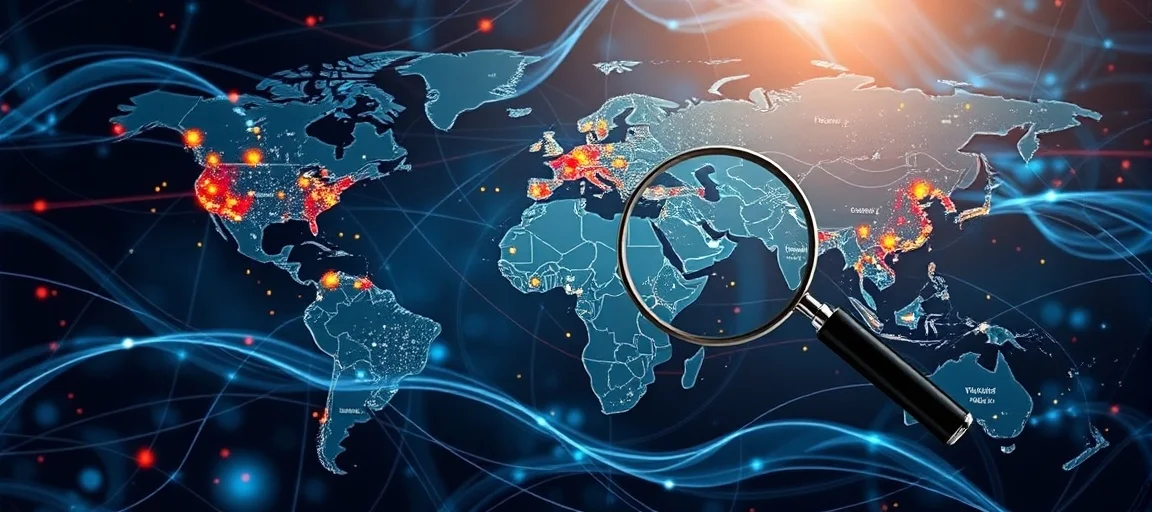
The South China Sea is a semi-enclosed sea of immense geopolitical and economic significance, bordered by numerous Southeast Asian nations and China. Its waters are estimated to hold vast reserves of oil and natural gas, and it is a critical artery for global trade, with an estimated one-third of global shipping passing through it annually. The dispute over sovereignty and maritime rights in the South China Sea involves several countries, including Brunei, China, Malaysia, the Philippines, Taiwan, and Vietnam, each asserting overlapping claims to islands, reefs, and maritime zones. For a deeper dive into ongoing regional conflicts, see our analysis on Understanding Asia's Maritime Disputes.
Historically, China's "nine-dash line" claim, which encompasses approximately 90% of the South China Sea, has been a primary source of contention. This claim is largely rejected by other claimant states and by an international arbitral tribunal. The Philippines, for instance, claims sovereignty over features like the Kalayaan Island Group (Spratly Islands) and Scarborough Shoal, while Vietnam asserts its claims over the Paracel and Spratly Islands. These overlapping claims often lead to confrontations involving fishing fleets, coast guard vessels, and naval patrols, raising the risk of unintended escalation.
A United Stance: PH, Vietnam Declare South China Sea Peace Non-Negotiable
The recent joint declaration where PH, Vietnam Declare South China Sea Peace Non-Negotiable marks a pivotal moment in regional diplomacy. This united stance reflects a growing imperative among Southeast Asian nations to actively shape their own destinies in the face of complex external pressures. The declaration emphasizes mutual respect for sovereignty and territorial integrity, principles vital for fostering a stable and cooperative environment. Both nations underscored their commitment to the 1982 United Nations Convention on the Law of the Sea (UNCLOS), which provides the legal framework for all ocean activities, including navigation, resource exploration, and maritime jurisdiction.
The statement followed high-level discussions between officials from Manila and Hanoi, reflecting a convergence of strategic interests and a shared vision for maintaining peace and order. It highlights the recognition that while bilateral disputes may exist, a coordinated regional approach is essential to address the broader challenges posed by unilateral actions and militarization within the disputed waters. This diplomatic initiative aims to send a clear message to all stakeholders about the unwavering dedication of the Philippines and Vietnam to uphold international norms and pursue dialogue over confrontation.
The Philippines' Perspective
For the Philippines, its stance is deeply rooted in its sovereign rights and the 2016 Permanent Court of Arbitration ruling. The Hague-based tribunal largely invalidated China's expansive claims under the nine-dash line, stating they had no legal basis. Despite this, China has continued to assert its claims, leading to numerous incidents, particularly around Scarborough Shoal and Ayungin Shoal (Second Thomas Shoal). Philippine vessels, including those resupplying troops stationed on the BRP Sierra Madre at Ayungin Shoal, have faced water cannon attacks and dangerous maneuvers from Chinese coast guard and maritime militia vessels.
Manila views the joint declaration with Vietnam as a reinforcement of its position, seeking to build a stronger regional consensus against actions that undermine international law. President Ferdinand Marcos Jr. has consistently advocated for a peaceful resolution based on UNCLOS and the arbitral award, while simultaneously modernizing the country's defense capabilities and strengthening alliances with partners like the United States. The Philippines sees its collaboration with Vietnam as a crucial step in safeguarding its exclusive economic zone (EEZ) and protecting its fishermen, who are often at the forefront of these maritime confrontations.
Vietnam's Firm Position
Vietnam also maintains a firm and long-standing position regarding its sovereignty over the Paracel and Spratly Islands and its maritime zones. Historically, Vietnam has faced its own share of confrontations with China in the South China Sea, including naval clashes in 1974 and 1988. Hanoi's strategy has often involved a delicate balance of diplomacy and firm assertion of its claims, avoiding direct military escalation while strengthening its maritime law enforcement capabilities.
The joint declaration with the Philippines aligns with Vietnam's consistent foreign policy of resolving disputes through peaceful means and in accordance with international law, particularly UNCLOS. Vietnam has actively engaged in multilateral forums, including ASEAN, to promote a unified regional approach to the South China Sea issue. By aligning with the Philippines, Vietnam aims to amplify the voices of claimant states and reinforce the principle that disputes must be settled on legal grounds, rather than through coercion or military might. This partnership helps to solidify a united front among key Southeast Asian players, enhancing their collective bargaining power in regional and international dialogues.
International Law and Arbitration
The 1982 United Nations Convention on the Law of the Sea (UNCLOS) serves as the cornerstone of international maritime law. It defines the rights and responsibilities of nations with respect to their use of the world's oceans, establishing guidelines for businesses, the environment, and the management of marine natural resources. Both the Philippines and Vietnam are signatories to UNCLOS, and their commitment to the convention forms the bedrock of their arguments in the South China Sea. Learn more about the Role of UNCLOS in Resolving Maritime Conflicts and its implications.
The 2016 ruling by the Permanent Court of Arbitration in The Hague, initiated by the Philippines against China, was a monumental legal victory for Manila. The tribunal concluded that China's claims to historic rights over resources within the "nine-dash line" had no legal basis and that China had violated the Philippines' sovereign rights in its exclusive economic zone. Furthermore, the court found that certain features claimed by China were submerged at high tide and therefore did not generate an exclusive economic zone or continental shelf. While China rejected the ruling, calling it "null and void," the international community, including many Western powers, views it as legally binding. The joint declaration between the Philippines and Vietnam reiterates the importance of upholding such international legal decisions, contributing to the broader effort to establish a rules-based order in the region.
Regional and Global Implications
The joint declaration by the Philippines and Vietnam carries significant regional and global implications. Regionally, it strengthens the solidarity among ASEAN member states that are also claimants in the South China Sea. It could potentially encourage other nations within ASEAN to adopt similarly firm stances, fostering a more unified front in negotiations with China over a Code of Conduct in the South China Sea. For broader context on regional dynamics, explore our feature on ASEAN's Evolving Geopolitical Role. A stronger ASEAN voice, backed by a consistent adherence to international law, could increase the pressure for more effective and binding agreements.
Globally, the declaration resonates with major powers like the United States, Japan, Australia, and European nations, which advocate for freedom of navigation and overflight in the South China Sea and a peaceful resolution of disputes. These countries frequently conduct freedom of navigation operations (FONOPs) in the region to challenge what they consider excessive maritime claims and to uphold international law. The united front from Manila and Hanoi provides further diplomatic leverage for these international partners, emphasizing the importance of a rules-based international order. Conversely, China's reaction to such declarations often involves reiterating its sovereignty claims and dismissing external interference, suggesting that diplomatic tensions may persist.
Pathways to De-escalation and Future Prospects
Despite the firm stance, the Philippines and Vietnam's declaration also implicitly opens pathways for de-escalation through structured dialogue and adherence to established legal frameworks. The commitment to peaceful means underscores a desire to avoid military conflict and seek diplomatic solutions. Future prospects for stability in the South China Sea will heavily rely on several key factors:
- Effective Code of Conduct: Progress on a legally binding and effective Code of Conduct (COC) between ASEAN and China is paramount. While negotiations have been ongoing for years, a more unified stance from claimant states like the Philippines and Vietnam could inject new momentum into these discussions.
- Multilateral Diplomacy: Continued engagement in multilateral forums such as the ASEAN Regional Forum (ARF) and the East Asia Summit (EAS) can provide platforms for dialogue and confidence-building measures among all parties.
- Capacity Building: Investing in maritime domain awareness and law enforcement capabilities for claimant states allows them to better monitor and protect their maritime interests, reducing reliance on external military interventions.
- Bilateral Consultations: Direct, constructive bilateral consultations between claimant states and China, based on mutual respect and international law, remain crucial for addressing specific incidents and preventing escalation.
Economic and Geopolitical Stakes
The South China Sea's economic and geopolitical stakes are enormous, making the call for non-negotiable peace even more critical. The sea is rich in fishing grounds, providing livelihoods for millions of people in surrounding countries. Unsustainable fishing practices and habitat destruction, often exacerbated by unregulated activities and disputes, threaten these vital resources. Furthermore, the estimated 11 billion barrels of oil and 190 trillion cubic feet of natural gas reserves beneath its seabed represent significant potential energy security for the region. Unresolved territorial disputes hinder the cooperative exploration and exploitation of these resources, perpetuating economic uncertainty.
Geopolitically, the South China Sea is a strategic nexus connecting the Indian and Pacific Oceans. Control or influence over its shipping lanes translates into significant economic and military power projection. Any major disruption in this waterway could have ripple effects on global trade and supply chains, impacting economies worldwide. The PH, Vietnam Declare South China Sea Peace Non-Negotiable statement therefore serves as a crucial reminder that maintaining stability in this region is not merely a matter of national interest for the claimants but a global imperative. The intricate web of alliances, economic partnerships, and strategic rivalries ensures that developments in the South China Sea will continue to be closely watched by the international community.
Conclusion
The joint declaration by the Philippines and Vietnam that peace in the China Sea is non-negotiable represents a powerful affirmation of their commitment to international law and regional stability. By presenting a united front, these two frontline claimant states are not only asserting their sovereign rights but also championing a rules-based order that is essential for sustainable peace and economic prosperity in Southeast Asia. This bold move underscores the urgency of addressing maritime disputes through diplomatic channels and adherence to UNCLOS, including the 2016 arbitral ruling. As geopolitical tensions continue to simmer, the call from PH, Vietnam Declare South China Sea Peace Non-Negotiable stands as a beacon for cooperation and a testament to the enduring power of diplomacy in navigating complex international challenges.
Frequently Asked Questions
Q: Why is the South China Sea significant?
A: The South China Sea is crucial due to its vast oil and natural gas reserves, rich fishing grounds, and as a vital global shipping lane. Approximately one-third of global maritime trade passes through its waters annually.
Q: What is the basis of the Philippines' claim in the South China Sea?
A: The Philippines' claim is primarily based on the 1982 UNCLOS and the 2016 Permanent Court of Arbitration ruling, which invalidated China's expansive claims and affirmed Philippine sovereign rights in its Exclusive Economic Zone.
Q: How does Vietnam's position align with the Philippines'?
A: Both Vietnam and the Philippines advocate for peaceful resolution of disputes in accordance with UNCLOS and international law. Their joint declaration aims to create a unified front against unilateral actions and reinforce a rules-based order in the region.