Mideast Tensions Surge: US, Iran, Israel in New Clashes
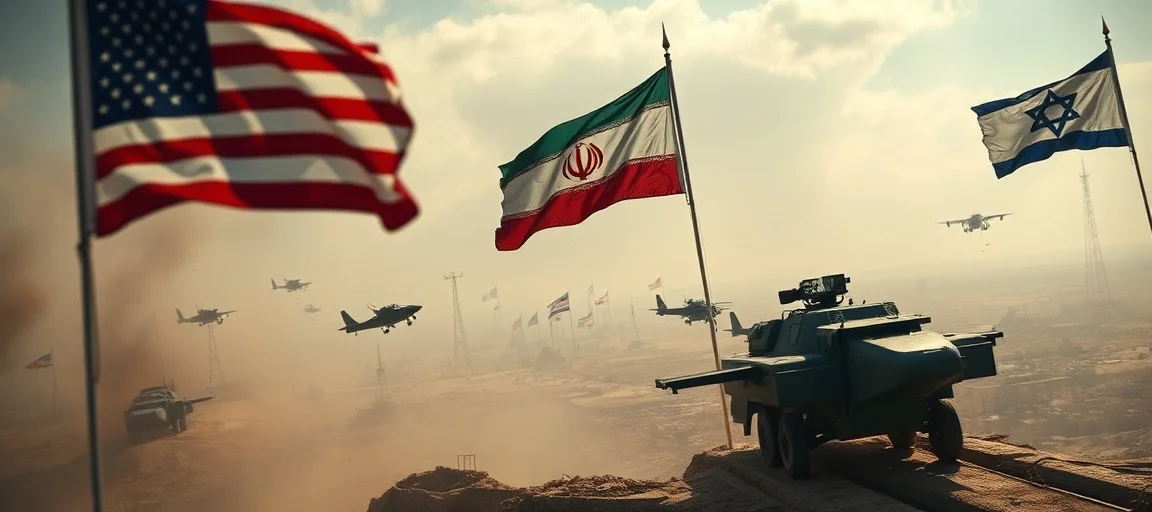
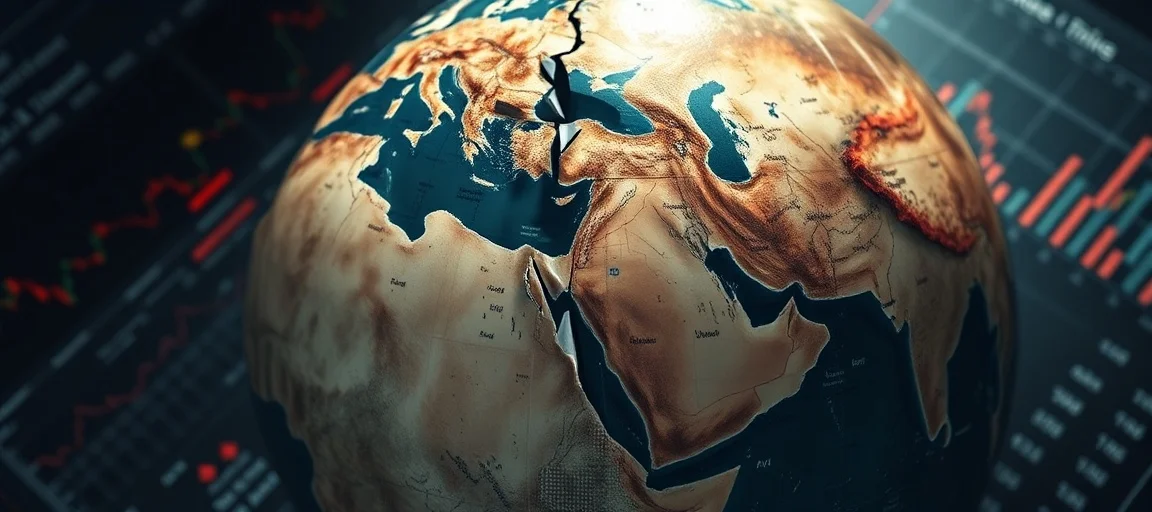
The recent escalation of tensions in the Middle East has raised concerns globally, as the US, Iran, and Israel find themselves in new clashes. This surge in tensions is a stark reminder of the longstanding conflicts in the region and the complex interplay of power dynamics.
Background Context of Mideast Tensions
The Middle East has long been a hotbed of geopolitical tensions, with various nations vying for influence and power. The US, Iran, and Israel have been at the center of these tensions for decades, with their relationships playing a significant role in shaping the regional landscape. The roots of the current instability stretch back many decades, encompassing historical grievances, ideological divides, and strategic competition for resources and political hegemony.
The US and Iran have had a tumultuous relationship since the 1979 Iranian Revolution, which saw the overthrow of the US-backed Shah Mohammad Reza Pahlavi and the establishment of an Islamic Republic. Since then, the US has imposed numerous sanctions on Iran, citing concerns over its nuclear program, ballistic missile development, and its extensive support for various non-state actors and terrorist organizations across the region. Iran, in turn, has consistently viewed the US as a hostile power seeking to undermine its sovereignty and foster regime change. This mutual distrust has fueled a cycle of confrontation, marked by periods of heightened rhetoric and covert operations.
Israel, meanwhile, has been a vocal critic of Iran's nuclear ambitions, viewing them as an existential threat to its own security and regional dominance. The two countries have engaged in a protracted shadow war, involving a series of tit-for-tat attacks, cyber battles, and assassinations targeting Iranian nuclear scientists. Israel routinely accuses Iran of arming and funding proxy groups like Hezbollah in Lebanon, Hamas in Gaza, and various militias in Syria and Iraq, which Israel perceives as direct threats to its borders and civilian population. The strategic alliance between the US and Israel further complicates this dynamic, often aligning their efforts to counter what they identify as Iranian expansionism.
Historical Context of US-Iran Relations
The historical context of US-Iran relations is complex and multifaceted, tracing back to the early 20th century. While initially a period of limited interaction, the relationship deepened significantly after World War II, with the US becoming a key ally and supporter of the Shah's regime. The 1979 Iranian Revolution irrevocably altered this dynamic, transforming a strategic partnership into a deep-seated antagonism. Since then, the US and Iran have had limited direct diplomatic relations, relying instead on intermediaries. The Joint Comprehensive Plan of Action (JCPOA), also known as the Iran nuclear deal, signed in 2015, represented a brief period of de-escalation, limiting Iran's nuclear activities in exchange for sanctions relief. However, the US withdrawal from the deal in 2018, under the Trump administration, reignited tensions and led to a "maximum pressure" campaign, significantly increasing economic sanctions and military posturing. This withdrawal profoundly damaged diplomatic trust and set the stage for renewed escalations.
Mideast Tensions Surge: Key Flashpoints and US-Iran-Israel Dynamics
The recent clashes between the US, Iran, and Israel have amplified concerns about the potential for a wider, more devastating conflict in the region. The dynamics of these confrontations are often indirect, involving proxy forces and asymmetric warfare tactics, making de-escalation particularly challenging.
The US has repeatedly accused Iran of arming, training, and funding various militia groups in Iraq, Syria, Lebanon, and Yemen, holding them responsible for attacks on US personnel and interests. In response to perceived threats, the US has launched precision airstrikes against Iranian-backed militia groups in Syria and Iraq. For example, recent reports detailed strikes targeting weapons depots and command centers used by groups allegedly responsible for drone attacks on US bases. Iran, predictably, has denounced these actions as violations of sovereignty and international law, responding with its own displays of force, including the launch of ballistic missiles targeting what it claimed were US military bases or intelligence facilities in Iraq. These exchanges often occur in a grey zone, carefully calibrated to avoid direct military confrontation between state actors, yet they continually push the boundaries of regional stability.
Israel has also been deeply embroiled in these recent escalations, continuing its long-standing campaign against Iranian military entrenchment and weapons transfers in Syria. There have been numerous, often unconfirmed, reports of Israeli airstrikes against Iranian Revolutionary Guard Corps (IRGC) assets, Syrian military installations, and convoys believed to be transporting advanced weaponry to Hezbollah. These strikes are consistently justified by Israel as necessary defensive measures against immediate threats to its northern border. Iran, through its state media and proxy networks, has condemned these actions as acts of aggression and vowed severe retaliation, occasionally manifesting in rocket fire from Lebanon or Syria into Israeli territory, or through cyberattacks targeting Israeli infrastructure. The intricate network of alliances and antagonisms means that an incident in one arena can quickly reverberate across the entire Middle East, drawing in multiple non-state and state actors.
Analysis of Recent Clashes
The recent clashes between the US, Iran, and Israel are a stark reminder of the complex interplay of power dynamics in the region. All three actors are actively seeking to assert their influence, protect their perceived national interests, and deter adversaries, yet their actions collectively heighten the risk of an unintended, wider conflict. The strategic competition extends beyond military skirmishes to include economic warfare, diplomatic maneuvering, and intense information campaigns. The escalating rhetoric and tit-for-tat actions create a precarious environment where miscalculation or overreaction could trigger a catastrophic chain of events. A crucial aspect of this analysis is understanding the domestic pressures each government faces, which often influence their foreign policy decisions and willingness to engage in aggressive actions.
The clashes have also raised grave concerns about the humanitarian impact on civilians in the region. The Middle East is already grappling with numerous ongoing conflicts, political instability, and severe economic challenges. The recent escalations only add to the widespread suffering, displacing populations, destroying infrastructure, and exacerbating food and health crises. The proxy nature of many of these conflicts means that ordinary citizens often bear the brunt of military actions, further destabilizing an already fragile social fabric.
Expert Opinion and Quotes
According to Dr. Layla Khatib, a leading expert on Middle East politics at the Institute for Global Affairs, "The recent clashes between the US, Iran, and Israel are a wake-up call for the international community. The risks of a wider conflict are very real, and it's essential that we find a way to de-escalate tensions and promote dialogue before the situation spirals out of control."
Professor Amir Khan, a geopolitical analyst specializing in Iranian foreign policy, added, "The US, Iran, and Israel need to find a way to manage their profound differences and work towards a more stable and secure region. The current trajectory, driven by perceived security imperatives and a lack of direct communication, is leading towards a catastrophic conflict that would have far-reaching, unpredictable consequences for the entire world, well beyond the immediate theater of operations."
International Reactions and Diplomatic Efforts
The escalating tensions in the Middle East have prompted varied responses from the international community, ranging from condemnations of violence to urgent calls for de-escalation. Major global powers, including European Union member states, Russia, and China, have expressed deep concern over the potential for a regional conflagration that could have severe global repercussions.
Many European nations, traditional allies of the US, have urged all parties to exercise restraint and prioritize diplomatic solutions. They often advocate for a revival of the Iran nuclear deal or a broader framework for regional security dialogue to address the underlying causes of instability. However, their influence is often limited by the deep divisions among the primary actors and their own differing strategic interests.
Russia and China, while often critical of US foreign policy in the region, also have a vested interest in regional stability due to economic ties and geopolitical ambitions. Russia maintains a significant military presence in Syria and has complex relationships with both Iran and Israel, often attempting to position itself as a mediator, albeit with its own strategic aims. China, a major importer of Middle Eastern oil, primarily seeks to ensure the security of energy supplies and prevent disruptions to global trade routes. Both nations have called for multilateral negotiations and respect for national sovereignty, often implicitly criticizing what they perceive as unilateral actions by the United States.
The United Nations Secretary-General and other international organizations have consistently appealed for an immediate cessation of hostilities and a return to peaceful negotiations. UN special envoys are often engaged in quiet diplomacy, seeking to establish communication channels and mitigate proxy conflicts in areas like Yemen and Syria, where the broader US-Iran-Israel rivalry plays out. However, the lack of consensus among the permanent members of the UN Security Council often hinders decisive collective action, leaving diplomatic efforts fragmented and less effective in curbing the most dangerous escalations.
Impact and Consequences
The recent clashes between the US, Iran, and Israel have significant implications not only for the region but for the wider global community. A sustained or wider conflict could lead to a severe humanitarian crisis, with millions of civilians displaced or killed, exacerbating existing refugee flows and placing immense strain on international aid organizations. Healthcare systems, already fragile in many parts of the Middle East, would be overwhelmed, leading to widespread suffering and loss of life.
The economic consequences of a major conflict would also be profound and immediate. The Middle East is a critical nexus for global energy markets, and disruptions to oil production or shipping lanes, particularly through strategic chokepoints like the Strait of Hormuz, would inevitably lead to a sharp spike in global oil prices. This surge would trigger inflation worldwide, depress global economic growth, and potentially push many countries into recession. Global supply chains, already vulnerable to various geopolitical shocks, would face severe disruptions, impacting industries ranging from manufacturing to agriculture.
Furthermore, a wider conflict could easily draw in other nations, including other regional powers and potentially global actors like Russia and China, transforming a regional dispute into a broader international confrontation. Such an expansion would have far-reaching consequences for global security architecture, potentially leading to new alliances, arms races, and a more fractured international order. The geopolitical landscape would be irrevocably altered, with long-term impacts on global trade, diplomacy, and security arrangements.
Potential Consequences of a Wider Conflict
A wider conflict between the US, Iran, and Israel could have catastrophic consequences for the region and the world. Some potential, far-reaching consequences include:
- Humanitarian Catastrophe: A massive displacement of populations, widespread civilian casualties, and the collapse of essential services, creating a refugee crisis of unprecedented scale across the Middle East and into Europe.
- Global Economic Meltdown: Severe disruption to international oil and gas supplies, causing extreme price volatility and a global energy crisis. This would lead to widespread economic recession, stock market crashes, and significant inflationary pressures worldwide.
- Regional Destabilization: The collapse of existing state structures in already fragile countries, fostering an environment ripe for the emergence of new extremist groups and exacerbating existing ethnic and sectarian conflicts.
- International Power Realignment: A potential direct military involvement of other global powers, such as Russia and China, creating new geopolitical fault lines and accelerating a shift in the global balance of power, with implications for international institutions and alliances.
- Environmental Disaster: The potential for widespread environmental damage from sustained military action, including oil spills, destruction of natural habitats, and long-term contamination of land and water resources.
Conclusion
In conclusion, the recent clashes between the US, Iran, and Israel are a stark reminder of the complex interplay of power dynamics and deeply entrenched rivalries in the Middle East. The Mideast Tensions Surge: US, Iran, Israel in New Clashes, creating a precarious environment where the risks of an unintended, wider conflict are very real. It is absolutely essential that the international community, alongside the primary actors, finds effective ways to de-escalate tensions, establish robust channels for dialogue, and work towards sustainable diplomatic solutions. The alternative — a catastrophic conflict — would have devastating and far-reaching consequences for human lives, global economic stability, and the entire framework of international security.
Frequently Asked Questions
Q: What are the primary reasons for the recent Mideast tensions?
A: The recent tensions stem from a combination of longstanding geopolitical rivalries, Iran's nuclear program and its regional proxy network, and Israel's security concerns regarding these developments. All sides are actively seeking to assert their influence and protect their strategic interests in a highly volatile region, leading to frequent clashes.
Q: How do US sanctions impact the situation?
A: US sanctions are a significant tool in Washington's strategy to pressure Iran, severely crippling its economy and limiting its ability to fund regional activities. While intended to alter Iran's behavior, they are also a major point of contention and mistrust, often exacerbating the cycle of escalation rather than leading to de-escalation or dialogue.
Q: What are the potential global consequences of these escalating clashes?
A: Escalating clashes in the Middle East could have severe global consequences, including major disruptions to global oil supplies and energy markets, triggering worldwide economic instability. Furthermore, such a conflict risks a humanitarian crisis of immense proportions and could draw in other international powers, creating widespread geopolitical upheaval.