Latin America Hit Hard by Climate Extremes: A Crisis Unfolding
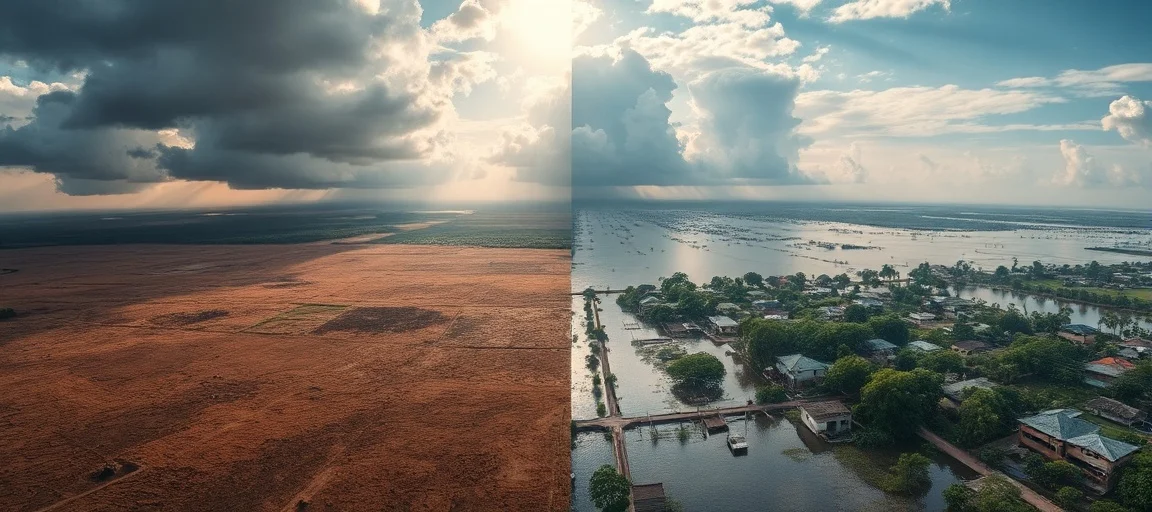
Latin America is grappling with an intensifying environmental crisis, as the region is undeniably hit hard by climate extremes, a crisis visibly unfolding across its diverse landscapes. Communities are facing an alarming surge in extreme weather phenomena, including record-breaking heatwaves, devastating floods, prolonged droughts, and rapidly intensifying hurricanes. These climatic shifts are not merely isolated incidents but represent a profound and complex challenge to human lives, livelihoods, and ecosystems. A recent report by the World Meteorological Organization (WMO) highlights how temperatures remain well above average, with rising sea levels and an increase in extreme weather events impacting millions of people across Latin America and the Caribbean, placing them at growing risk of hunger, displacement, and water shortages. Indeed, Latin America Hit Hard by Climate Extremes is a crisis unfolding with unmistakable signs and far-reaching consequences.
- Latin America Hit Hard by Climate Extremes: Unmistakable Signs of Crisis
- A Cascade of Extreme Weather Events
- Socio-Economic and Human Toll: A Region Under Duress
- Voices from the Frontlines: Expert Perspectives and Calls to Action
- Building Resilience: Adaptation and Mitigation in a Vulnerable Region
- The Urgent Call for Action and a Sustainable Future
- Frequently Asked Questions
- Further Reading & Resources
Latin America Hit Hard by Climate Extremes: Unmistakable Signs of Crisis
The scientific consensus paints a grim picture for Latin America and the Caribbean (LAC), projecting an increase in mean temperatures by up to 4.5°C compared to pre-industrial levels by the end of this century. Such a dramatic rise is anticipated to bring a host of associated physical impacts, fundamentally altering the region's climate systems. These include significantly altered precipitation regimes, a marked increase in heat extremes, and a higher risk of prolonged droughts and increasing aridity.
Beyond temperature and rainfall, the two great oceans flanking the continent, the Pacific and the Atlantic, are warming and becoming more acidic. This contributes to a worrying rise in sea levels, with projections indicating a potential increase of one to four feet by 2100. Disturbingly, sea levels in parts of the tropical Atlantic and Caribbean are already rising faster than the global average, threatening low-lying coastal areas and contaminating freshwater aquifers. The escalating water temperatures are also causing more frequent episodes of coral bleaching, which is devastating to coral reefs and the myriad wildlife dependent on them, further compounded by ocean acidification from increased carbon dioxide concentrations.
Perhaps one of the most visible and concerning impacts is the rapid retreat of Andean glaciers. These vital frozen reservoirs provide freshwater for nearly 90 million people, supporting drinking water, agriculture, hydropower, and industry across countries like Colombia, Ecuador, Peru, Chile, and Argentina. However, these glaciers are melting at accelerating rates, increasing the immediate risk of flash floods and posing a severe long-term threat to water security. Under high warming scenarios, some tropical glaciers face almost complete deglaciation. This rapid loss not only threatens immediate water supplies but also destabilizes mountain ecosystems, potentially leading to increased landslide risks and altered biodiversity patterns in high-altitude regions. The economic reliance of many communities on these glaciers for tourism and traditional livelihoods further underscores the severity of their disappearance.
A Cascade of Extreme Weather Events
The region's vulnerability is starkly demonstrated through the increasing frequency and intensity of extreme weather events that have battered Latin America. These events, once considered rare, are becoming the new normal, reshaping landscapes and challenging infrastructure across the continent.
Record Heatwaves Scorch the Continent
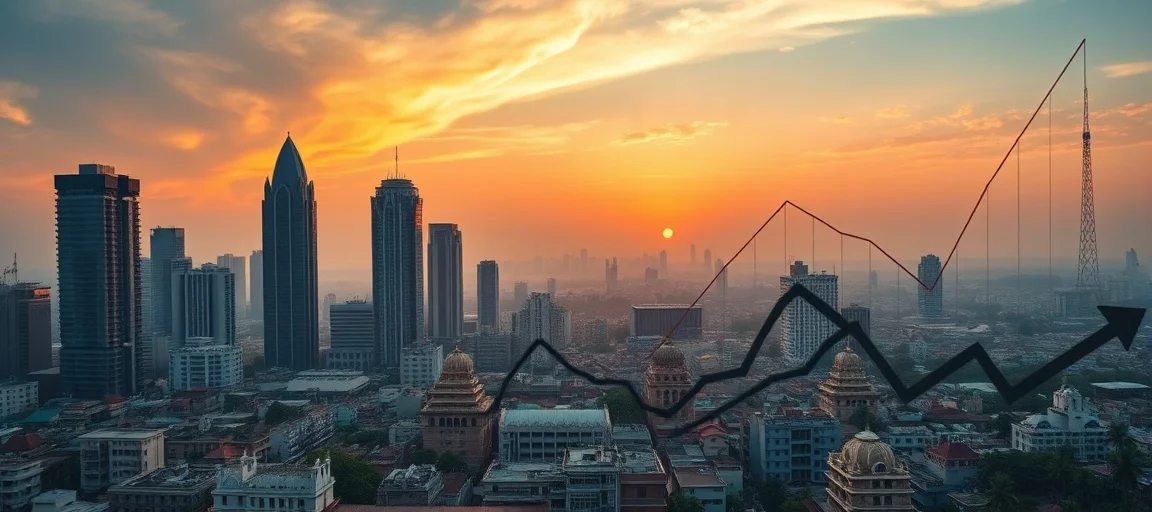
The year 2025 witnessed an alarming surge in temperatures across Latin America, with intense heatwaves pushing mercury above 40°C in vast swathes of North, Central, and South America. Mexico, in particular, experienced a new national temperature record of 52.7°C in Mexicali, while cities like Rio de Janeiro and Mariscal Estigarribia in Paraguay recorded temperatures exceeding 44°C. This extreme heat is not merely an inconvenience; the WMO has warned that it is fast becoming a major public health threat, especially for vulnerable communities with limited access to healthcare, cooling infrastructure, and reliable electricity. Experts estimate that approximately 13,000 heat-related deaths occurred annually across 17 countries between 2012 and 2021, though the true figure is likely much higher due to inconsistent tracking and underreporting. Economically, extreme heat has a negative and significant impact on growth, disrupting agricultural productivity, increasing energy demand for cooling, and reducing labor capacity in exposed sectors. The magnitude of this impact increases with the intensity and duration of the heat, creating a feedback loop that further strains already vulnerable economies.
Devastating Floods and Shifting Rainfall Patterns
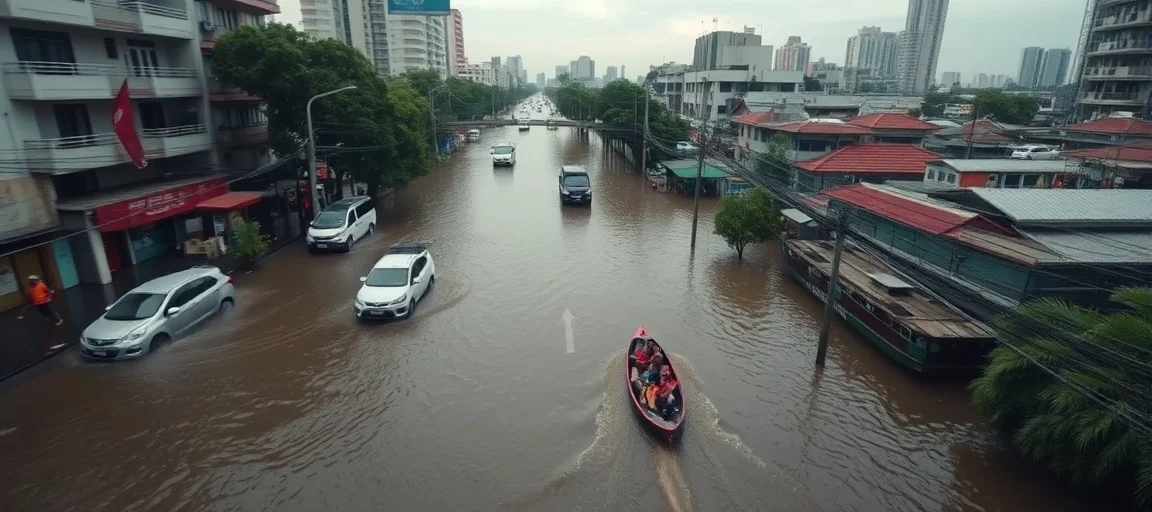
The region has also been plagued by increasingly extreme rainfall patterns, leading to devastating floods. In 2025, floods affected over 110,000 people in Peru and Ecuador, while in Mexico, floods claimed 83 lives and caused widespread infrastructure damage and landslides. Brazil has repeatedly faced catastrophic flooding, with torrential rains in 2022 causing the worst floods on record and displacing nearly 700,000 people. Just two years later, in 2024, another period of intense rainfall produced the worst floods to hit Brazil in over 80 years, displacing more than 600,000 individuals and causing widespread destruction to homes, businesses, and agricultural land. These shifts are part of a broader trend: Central America, northern South America, and parts of southeastern South America are experiencing heavier rainfall and more frequent flooding. This often overwhelms existing drainage systems, leading to rapid onset floods that leave little time for evacuation and cause extensive damage to both urban and rural areas.
Prolonged Droughts and Water Scarcity
Paradoxically, alongside devastating floods, many areas are enduring severe and prolonged droughts. In 2025, Mexico experienced severe drought affecting up to 85% of the country, leading to major water shortages for crops and reservoirs, even as it recorded its wettest June on record. This stark contrast highlights the erratic nature of new climate patterns. Water shortages were also reported across the Caribbean, while drought conditions in southern South America exacerbated agricultural losses and wildfire risks. The Amazon basin, a crucial global ecosystem, suffered its longest drought in 50 years, impacting not only aquatic biodiversity but also compromising the food security and autonomy of Indigenous Peoples who rely directly on the forest and rivers for their sustenance and way of life. Furthermore, Bolivia and Brazil experienced record numbers of fires in 2024, often linked to drought conditions, resulting in thousands being displaced and vast areas of invaluable forest being destroyed, releasing significant amounts of carbon back into the atmosphere.
Intensifying Hurricanes and Coastal Threats
The tropical and subtropical coasts of Latin America and the Caribbean face a growing danger from rapidly intensifying storms. Hurricane Melissa, which struck Jamaica in October 2025, became the first Category 5 hurricane on record to make landfall on the island. The storm resulted in 45 deaths and caused economic losses estimated at approximately US$8.8 billion, equivalent to more than 41% of Jamaica's GDP. Earlier, in 2017, Hurricanes Maria and Irma pummeled the Caribbean, causing widespread displacement, with Irma alone displacing 1.7 million people across 15 countries and territories. In 2019, Hurricane Dorian, the strongest ever recorded to hit the Bahamas, left at least 70,000 people homeless and devastated infrastructure. These events highlight the severe risks faced by coastal communities, fisheries, and marine ecosystems as sea levels continue to rise and oceans warm, providing more energy for storm intensification. The destruction of coastal mangroves and coral reefs further diminishes natural buffers, making these regions even more vulnerable to storm surges and erosion.
Socio-Economic and Human Toll: A Region Under Duress
The escalating climate extremes are exacting a heavy toll on the socio-economic fabric and human well-being across Latin America and the Caribbean. The region, already grappling with existing vulnerabilities like inequality, poverty, and political instability, finds these challenges magnified exponentially by the climate crisis. This interconnected web of impacts threatens to reverse decades of development gains and deepen existing disparities.
Deepening Food and Water Insecurity
Climate shocks are increasingly disrupting food production, straining healthcare systems, and threatening access to clean water across the region. The cycles of devastating floods and prolonged droughts are worsening humanitarian conditions, directly leading to reduced agricultural yields, livestock losses, and diminished fisheries. This puts immense pressure on food systems, particularly impacting smallholder farmers and rural communities whose livelihoods are directly tied to climatic conditions. Water scarcity also forces communities to rely on unsafe sources, leading to an increase in waterborne diseases, further burdening public health systems already struggling with other climate-related health challenges.
Widespread Displacement and Migration
Natural disasters linked to climate change have become one of the primary drivers of human displacement in the region. A staggering 2.2 million new internal displacements due to disasters were recorded in 2022 alone, one of the highest figures globally. The World Bank projects that, without urgent policies, Latin America could face more than 17 million internal climate migrants by 2050, with Mexico and Central America expected to be particularly severely impacted. This phenomenon has a stark gender dimension, as women and girls represent nearly 80% of those displaced by climate-related causes, facing heightened risks of violence and exploitation during migration. Climate-induced labor movement also plays a significant role, affecting agricultural output and impacting economies. For many, emigration becomes a last resort, despite the uncertainties and dangers, with health suffering during and after migration, as access to healthcare and stable living conditions often deteriorates.
Significant Economic Losses
The economic impact of climate extremes is substantial and growing. Damages from natural disasters in the Caribbean are estimated to be as high as 2.5% of GDP annually, severely affecting vast segments of the economy and population. Central America also faces significant losses, with estimated annual average damages of 0.8% of GDP. Research indicates that extreme heat alone could account for 34-68% of the total projected reduction in annual economic growth rates by mid-century due to temperature change. For example, under current emissions trajectories, Brazil's GDP growth is expected to suffer a hit of up to a third (33.1%) by 2100, which would have profound implications for poverty reduction and social development. This economic strain exacerbates existing issues such as high income inequality and increasing poverty within the region, limiting government capacity to invest in critical services and infrastructure.
Pressures on Human Health
Beyond direct casualties from extreme events, the changing climate poses a growing public health burden. As highlighted earlier, extreme heat is a major threat, with thousands of heat-attributable deaths occurring annually due to heatstroke, cardiovascular strain, and exacerbated respiratory conditions. Moreover, rising temperatures favor the spread of vector-borne diseases such as dengue, malaria, and the Zika virus, expanding their geographical reach and increasing the frequency of outbreaks. Extreme heat also raises the risk of stillbirths and other pregnancy complications, and young women in Central America and the Caribbean are particularly affected due to their exposure and physiological vulnerability. These health impacts disproportionately affect vulnerable communities with limited access to healthcare, compounding existing socio-economic disparities and placing immense stress on already stretched health systems.
Voices from the Frontlines: Expert Perspectives and Calls to Action
Leaders and experts across Latin America are increasingly vocal about the urgent need for action, recognizing the unique challenges and opportunities within the region. Their calls emphasize both global responsibility and local adaptation. WMO Secretary-General Celeste Saulo emphasized, "The signs of a changing climate are unmistakable across Latin America and the Caribbean, from accelerating glacier loss and rising sea levels to rapidly intensifying tropical cyclones, extreme heat, floods and drought". She urged for strengthened observations, investment in services, and improved early warning systems to ensure climate information reaches those who need it most, particularly vulnerable communities on the front lines.
Giulio Volpi, WWF's Climate Change Coordinator for Latin America, underscored how "Climate change impacts are being felt across Latin America, ranging from drought in the Amazon to floods in Haiti, from vanishing glaciers in Colombia to hurricanes... leaving people more vulnerable". He stressed the imperative for Latin American leaders to "do their fair share to fight climate change" by implementing ambitious mitigation and adaptation policies, advocating for equitable climate finance, and engaging proactively in international negotiations.
Maisa Rojas Corradi, Chile's Minister of Environment, highlighted the scale of the necessary transformation: "The transformation that we need in the world is so big that we should use all the tools that are available to us". This sentiment resonates with youth activists like Xiye Bastida from Mexico, who asserts, "Activists need to be in the room where the decisions are being made. We need the people in power to listen to us — the generation that will inherit their decisions". She further called on the United States and other developed nations to unlock critical funds for vulnerable nations to finance their climate resilience efforts, acknowledging the historical responsibility of major emitters.
Paola Arias, a professor at the University of Antioquia, Colombia, and review editor of an IPCC report, pointed out that Latin America is "a very vulnerable region to climate change for many reasons, from historical [factors] to inequity and injustice". She noted that "adaptation to climate change has advanced very slowly, largely because there are barriers that do not favor adaptation," citing "enormous levels of poverty, inequality and injustice" within the region as key impediments. Indigenous leaders, such as Fanny Castro of COICA, also emphasize how social and environmental issues are intertwined, stressing that their existence and protection of land are forms of resistance against climate change, offering invaluable traditional knowledge for sustainable practices.
Building Resilience: Adaptation and Mitigation in a Vulnerable Region
Latin America's heightened vulnerability stems from a confluence of factors, including its high exposure to weather-related natural disasters, structural inequalities, dependence on natural resource-based economies, and dense populations in exposed areas. The diverse geography, combined with existing social and economic disparities, significantly enhances differentiated vulnerabilities across the region, making a one-size-fits-all solution ineffective.
Mitigation Efforts and Renewable Energy Progress
Despite contributing only a relatively small percentage (around 8.3% including land-use change and forestry) to global net greenhouse gas (GHG) emissions, Latin American and Caribbean countries are committed to global mitigation efforts as signatories to the Paris Agreement. Many have updated their Nationally Determined Contributions (NDCs) to reduce GHG emissions by 2030 and aim for net-zero by mid-century. Key mitigation interventions include transitioning electricity generation from fossil fuels to renewable energy sources, replacing GHG-emitting technologies with low-carbon alternatives, minimizing waste, and maintaining and restoring forest ecosystems. Encouragingly, renewable energy generation in LAC reached nearly 69% of the region's energy mix in 2024, with solar and wind experiencing a remarkable 30% increase in capacity and generation compared to 2023. Some countries, like Argentina and Chile, have pledged to be carbon neutral by 2050, while Peru and Colombia are developing national strategies towards this goal, demonstrating a clear commitment despite significant developmental challenges.
Critical Adaptation Strategies
Alongside mitigation, adaptation strategies are crucial for coping with the unavoidable impacts of climate change that are already locked in. These efforts include building safer, sustainable, and resilient infrastructure such as elevated roads and flood-resistant housing, conserving and restoring natural ecosystems like wetlands and mangrove barriers which act as natural defenses, implementing comprehensive disaster risk management plans, and diversifying crops to enhance food security in changing climatic conditions. Mangroves, for example, serve as vital natural barriers against coastal erosion, act as significant carbon sinks, and provide habitats for diverse wildlife, offering multifaceted benefits. Innovative traditional practices are also being recognized and replicated, such as "sowing and harvesting water" through infiltration ditches and the construction of "albarradas" (ancient hydraulic earth constructions) to enhance water infiltration and recharge aquifers in arid areas. The WMO emphasizes that while risks are growing, the capacity to anticipate and act to save lives and protect livelihoods through better forecasting and early warning systems is also improving, demonstrating that proactive measures can significantly reduce harm.
Persistent Challenges in Adaptation
Despite these efforts, significant challenges hinder effective climate adaptation in the region. These include low climate literacy among decision-makers, a lack of meaningful community engagement in planning and implementation, and limited access to adequate funding for policy and project implementation. The financial gap for adaptation in developing countries is substantial, estimated to be five to ten times greater than current international adaptation finance flows, and it continues to widen, severely limiting the scale and scope of necessary interventions. Furthermore, shortcomings in institutional capacity at local government and community levels pose a barrier to accurately assessing vulnerability and designing effective adaptation actions that are tailored to local needs and contexts. Addressing these systemic issues is vital to prevent fragmented approaches and ensure that adaptation efforts genuinely benefit the most vulnerable populations, rather than inadvertently exacerbating existing inequalities.
The Urgent Call for Action and a Sustainable Future
The severe and escalating impacts of climate extremes underscore the urgent need for comprehensive, coordinated, and equitable action across Latin America and the Caribbean. While the region contributes a relatively small percentage to global emissions, its vulnerability and exposure to climate-related hazards are exceptionally high. The economic and human costs are profound, challenging development gains and exacerbating existing inequalities, pushing millions to the brink.
The natural wealth and extraordinary biodiversity of Latin America, encompassing 40% of the world's biodiversity and over 25% of its forests, position it uniquely in the global fight against climate change. These ecosystems are not just resources; they are critical natural buffers against extreme weather events and significant carbon sinks, playing an indispensable role in global climate regulation. Protecting and restoring these natural assets, alongside robust policy frameworks and technological advancements, offers a powerful pathway towards resilience and sustainable development.
Moving forward, significant investment in climate adaptation and disaster preparedness is non-negotiable. Strengthening early warning systems, enhancing institutional capacity, and fostering genuine community engagement are paramount to safeguarding lives and livelihoods, particularly for the most marginalized. Furthermore, international cooperation and financial support are essential to close the adaptation finance gap and enable vulnerable nations to build resilience effectively, recognizing their limited historical contribution to the problem. The voices of Indigenous communities and frontline activists, who possess invaluable traditional knowledge and direct experience of climate impacts, must be central to all decision-making processes, ensuring solutions are culturally appropriate and effective.
Ultimately, the crisis of climate extremes in Latin America demands a holistic approach that integrates mitigation, adaptation, and sustainable development, ensuring a just transition that prioritizes people and nature. The current trajectory demonstrates that Latin America Hit Hard by Climate Extremes is an unfolding reality, but with concerted global and regional efforts, a more resilient and sustainable future remains within reach.
Frequently Asked Questions
Q: What are the main climate extremes impacting Latin America?
A: Latin America is experiencing severe heatwaves, devastating floods, prolonged droughts, and rapidly intensifying hurricanes. These extremes are threatening lives, livelihoods, and ecosystems across the diverse region.
Q: How do these climate extremes affect the population and economy?
A: They lead to widespread food and water insecurity, significant displacement and migration, substantial economic losses (e.g., in GDP), and increased health burdens from heat-related deaths and vector-borne diseases.
Q: What actions are being taken or needed to address the climate crisis in Latin America?
A: Mitigation efforts include transitioning to renewable energy and restoring ecosystems. Adaptation strategies focus on resilient infrastructure, disaster risk management, and early warning systems. Greater international funding and community engagement are crucially needed.