Israel Intensifies Strikes as Lebanon Conflict Grows: A Global Update
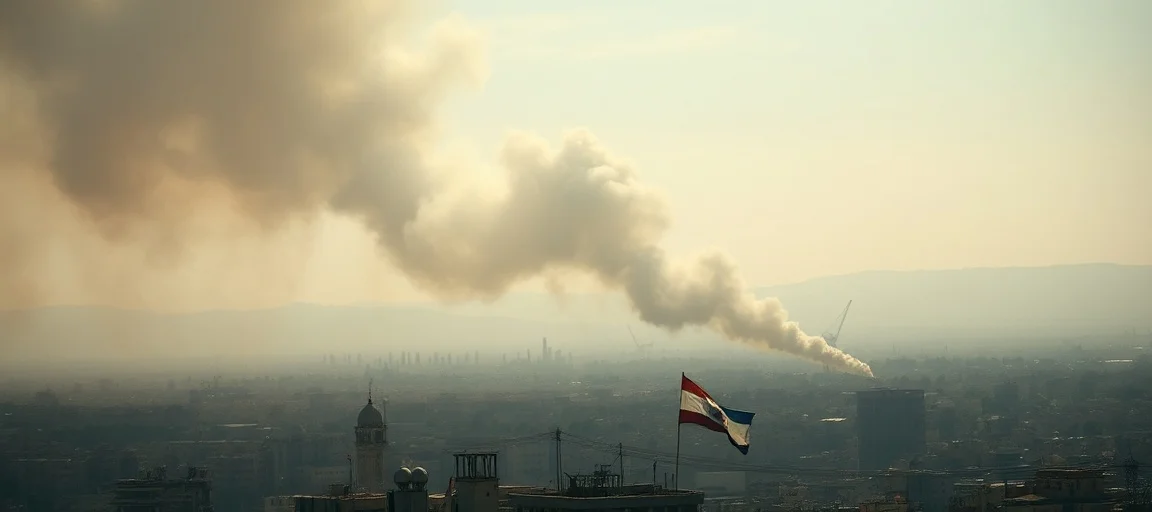
The volatile situation on the Israel-Lebanon border has dramatically escalated in recent weeks, as Israel intensifies strikes as Lebanon conflict grows, threatening to engulf the wider Middle East in a more extensive confrontation. This troubling development follows months of sporadic but increasingly severe cross-border exchanges, primarily involving Israeli forces and Hezbollah militants in southern Lebanon. The recent intensification of hostilities has led to a surge in civilian displacement, significant infrastructure damage, and heightened international concern regarding regional stability and the potential for a full-scale war. As the conflict intensifies, global leaders are closely monitoring the situation, urging de-escalation while preparing for potential wider ramifications, highlighting the urgent need for diplomatic intervention.
- Roots of the Resurgence: Historical Context of the Israel-Lebanon Border
- Analyzing the Intensification of Israel Strikes as Lebanon Conflict Grows
- International Reactions and Diplomatic Efforts
- Potential Scenarios and Future Outlook
- Economic and Societal Repercussions
- Conclusion
- Frequently Asked Questions
- Further Reading & Resources
Roots of the Resurgence: Historical Context of the Israel-Lebanon Border
The current escalation between Israel and Lebanon is deeply rooted in a complex history marked by conflict, occupation, and proxy warfare. The two nations have technically been in a state of war since Israel’s establishment in 1948, though direct military engagements have varied in intensity over the decades. A pivotal moment came with the 1982 Israeli invasion of Lebanon, aimed at dislodging the Palestine Liberation Organization (PLO) from Lebanese territory. This invasion led to a prolonged Israeli presence in southern Lebanon, which lasted until 2000. During this period, Hezbollah, a Shia political party and militant group backed by Iran, emerged as a dominant force, positioning itself as a resistance movement against the Israeli occupation.
The most significant recent conflict prior to the current flare-up was the 2006 Lebanon War, a 34-day conflict triggered by Hezbollah's cross-border raid and capture of two Israeli soldiers. This war resulted in extensive damage to Lebanese infrastructure, significant casualties on both sides, and a United Nations-brokered ceasefire (UN Resolution 1701) that established a buffer zone in southern Lebanon and called for the disarmament of all armed groups in the area. Despite the resolution, Hezbollah has largely maintained and expanded its military capabilities, leading to persistent tensions and periodic skirmishes along the Blue Line, the demarcation line between Lebanon and Israel. The current round of hostilities is intricately linked to the ongoing conflict in Gaza, with Hezbollah stating its actions are in solidarity with Palestinians and aimed at diverting Israeli military resources.
Analyzing the Intensification of Israel Strikes as Lebanon Conflict Grows
Recent weeks have witnessed a marked increase in the frequency, depth, and intensity of Israeli military operations targeting southern Lebanon. Israeli Defense Forces (IDF) have conducted numerous airstrikes, artillery bombardments, and drone attacks, aiming at what they describe as Hezbollah infrastructure, command centers, and weapons depots. These strikes have reportedly extended beyond the immediate border areas, reaching deeper into Lebanese territory than in previous periods of localized exchanges. For instance, reports indicate that Israeli warplanes have struck targets near Sidon and Nabatiyeh, significantly further north from the traditional conflict zone.
Hezbollah, in response, has launched an increasing number of rockets, anti-tank missiles, and drones towards northern Israel. These attacks have caused extensive damage to Israeli communities along the border, forced the evacuation of tens of thousands of residents, and claimed lives. The group has also deployed new, more sophisticated weaponry, including advanced anti-tank guided missiles and precision rockets, signaling a qualitative shift in their operational capabilities. The tit-for-tat exchanges have created a dangerous cycle of escalation, with each strike provoking a stronger response, raising fears among international observers of an imminent broader conflict.
Escalation Triggers and Military Objectives
The immediate triggers for this intensification are multifaceted. While Hezbollah maintains its actions are in support of Gaza, Israel views Hezbollah's attacks as unprovoked aggression threatening its northern communities. Israel's stated objective is to push Hezbollah's forces north of the Litani River, thereby ensuring the safety and return of its evacuated citizens. This objective implies a significant military operation, potentially involving ground incursions, which carries substantial risks of further escalation. Hezbollah, on the other hand, seeks to demonstrate its deterrence capabilities and its commitment to the "axis of resistance" against Israel, a coalition of Iran-backed groups in the region.
Civilian Impact and Displacement
The human cost of the escalating conflict is profound. On the Lebanese side, hundreds of thousands of people have been displaced from their homes in southern Lebanon, seeking refuge in safer areas further north. Critical infrastructure, including homes, agricultural lands, and roads, has been severely damaged, exacerbating an already dire economic crisis in Lebanon. Humanitarian organizations are struggling to provide aid to the displaced populations amidst ongoing hostilities and limited access. Similarly, in northern Israel, entire communities have been emptied, with approximately 60,000 to 80,000 residents evacuated, leading to significant disruption to their lives and livelihoods. The psychological toll on both populations, living under the constant threat of bombardment, is immense.
International Reactions and Diplomatic Efforts
The international community has expressed grave concerns over the escalating conflict, with numerous calls for de-escalation and a return to the provisions of UN Resolution 1701.
United Nations:
- UN officials, including the Secretary-General, have repeatedly urged both sides to exercise maximum restraint and prevent a regional conflagration.
- UNIFIL (United Nations Interim Force in Lebanon) peacekeepers stationed along the Blue Line have intensified their monitoring efforts but face significant challenges in de-escalating the situation on the ground.
- The UN has emphasized the critical importance of protecting civilians and ensuring humanitarian access.
United States:
- The U.S. has engaged in intensive diplomatic efforts, sending envoys to both Beirut and Jerusalem to mediate and prevent a full-scale war.
- U.S. officials have reiterated their support for Israel's security while also urging restraint and caution against actions that could lead to a wider conflict.
- There's a significant focus on finding a diplomatic pathway to de-escalate tensions and secure the return of displaced populations on both sides.
European Union:
- The EU has echoed calls for an immediate cessation of hostilities and stressed the need for a political solution.
- Several European nations have expressed concern over the humanitarian situation and pledged support for humanitarian aid efforts in Lebanon.
Regional Actors:
- Several Arab nations have voiced concerns about the destabilizing impact of the conflict on regional security and have called for peaceful resolutions.
- Iran, a key backer of Hezbollah, has publicly supported the group's actions, further complicating de-escalation efforts and raising geopolitical stakes.
Despite these diplomatic overtures, a breakthrough remains elusive. The entrenched positions of both Israel and Hezbollah, coupled with the broader regional dynamics influenced by the Gaza conflict, make a swift resolution challenging.
Potential Scenarios and Future Outlook
The current trajectory of the conflict points towards several potential scenarios, each with significant implications for the region.
Further Escalation
This is the most worrying scenario, where the current tit-for-tat exchanges spiral into a full-blown war. This could involve:
- Large-scale ground incursions: Israel launching a major ground operation into southern Lebanon to dismantle Hezbollah's military capabilities.
- Widespread rocket barrages: Hezbollah unleashing its full arsenal of rockets towards deeper targets within Israel, including major cities.
- Regional involvement: Other regional actors, particularly Iran and its proxies, becoming directly involved, transforming the conflict into a multi-front regional war.
- Naval engagements: Potential for naval clashes in the Mediterranean.
Such an escalation would have devastating humanitarian consequences, lead to massive displacement, and inflict severe economic damage on both Israel and Lebanon, as well as potentially disrupt global trade and energy markets.
Protracted Low-Intensity Conflict
Another possibility is a continuation of the current pattern of intensified but contained cross-border exchanges. This scenario implies:
- Sustained attrition: Both sides continuing to inflict casualties and damage on each other, without a decisive military victory for either.
- Economic strain: Prolonged disruption to economic activity, especially in border regions, leading to long-term economic hardship.
- Humanitarian crisis: Continued displacement and humanitarian needs, stretching the capacity of aid organizations.
- Deterioration of infrastructure: Ongoing damage to vital infrastructure on both sides.
This scenario, while less catastrophic than a full-scale war, would perpetuate instability and prevent the return to normalcy for hundreds of thousands of people.
Diplomatic Breakthrough
While challenging, a diplomatic breakthrough remains the ideal, though currently difficult, outcome. This would likely involve:
- Ceasefire negotiations: Intensive, internationally mediated negotiations to secure a lasting ceasefire.
- Implementation of UN Resolution 1701: Renewed efforts to fully implement the provisions of UN Resolution 1701, including the disarmament of non-state actors in southern Lebanon and enhanced border security.
- Security guarantees: Agreements on security arrangements for both Israel and Lebanon, potentially involving international forces.
- Wider regional de-escalation: Any durable solution on the Israel-Lebanon front would likely require a broader de-escalation of tensions across the Middle East, particularly concerning the Gaza conflict.
The complexity of the various actors involved and the deep-seated mistrust make this scenario highly challenging to achieve in the short term, but it remains the focus of international peace efforts.
Economic and Societal Repercussions
Beyond the immediate military and humanitarian toll, the intensifying conflict carries significant economic and societal repercussions for both Israel and Lebanon.
Lebanon:
- Exacerbated economic crisis: Lebanon is already grappling with one of the world's worst economic crises, and the conflict further cripples its struggling economy. Tourism, a vital sector, is severely impacted.
- Infrastructure damage: Reconstruction costs will be immense, further burdening a state already facing bankruptcy.
- Food security concerns: Agricultural lands in the south have been damaged or rendered inaccessible, threatening food security.
- Political instability: The conflict exacerbates internal political divisions and complicates efforts to form a stable government.
Israel:
- Economic cost of war: The ongoing mobilization of reserves, defense expenditures, and damage to northern communities impose a substantial burden on the Israeli economy.
- Displacement crisis: The prolonged displacement of tens of thousands of citizens from northern Israel presents significant social and economic challenges, including housing, education, and employment.
- Tourism decline: Border regions, usually tourist destinations, are now ghost towns, impacting local businesses.
- Societal strain: The constant threat of rocket fire and the broader conflict create significant psychological stress and division within Israeli society.
The long-term recovery from these effects will require substantial international support and a period of sustained peace, which currently appears distant.
Conclusion
The growing conflict between Israel and Lebanon, marked by the severe escalation as Israel intensifies strikes as Lebanon conflict grows, poses one of the most serious threats to regional stability in years. The cycle of retaliation risks spiraling out of control, with devastating consequences for civilians on both sides and the broader Middle East. Diplomatic efforts are underway, but a lasting solution requires not only de-escalation but also a comprehensive approach to address the underlying causes of tension, including the full implementation of international resolutions and a commitment from all parties to peaceful coexistence. The international community must redouble its efforts to prevent a wider conflagration and to secure a pathway towards a durable peace that ensures the security and well-being of all people in the region.
Frequently Asked Questions
Q: What triggered the recent escalation between Israel and Lebanon?
A: The current escalation is deeply rooted in historical conflicts and persistent tensions. Immediate triggers include Hezbollah's actions in solidarity with Palestinians in Gaza and Israel's view of these as unprovoked aggression, leading to retaliatory strikes.
Q: What are the main military objectives of each side in the growing conflict?
A: Israel aims to push Hezbollah forces north of the Litani River to ensure the safety of its northern communities. Hezbollah seeks to demonstrate its deterrence capabilities and commitment to the "axis of resistance" against Israel, often in response to actions in Gaza.
Q: What are the humanitarian impacts of the intensified strikes?
A: The conflict has caused extensive civilian displacement on both sides, with hundreds of thousands seeking refuge. Infrastructure damage is severe, exacerbating Lebanon's economic crisis and causing significant psychological toll on affected populations in both countries.