Iran-US Talks Stall Amid Middle East Escalation: A Deep Dive
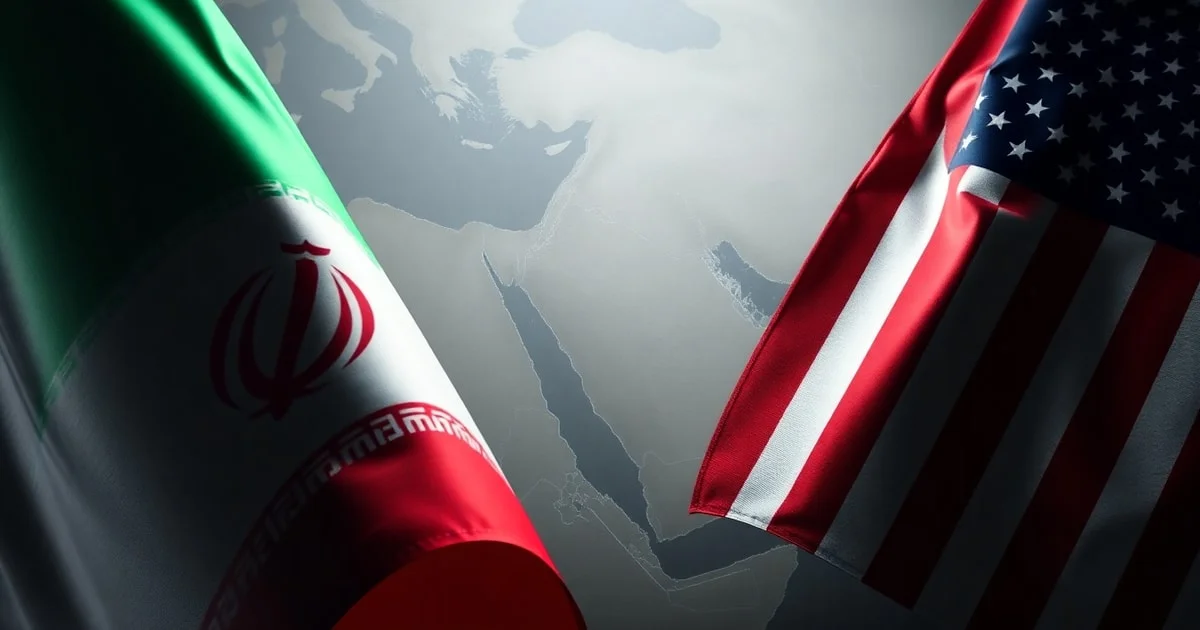
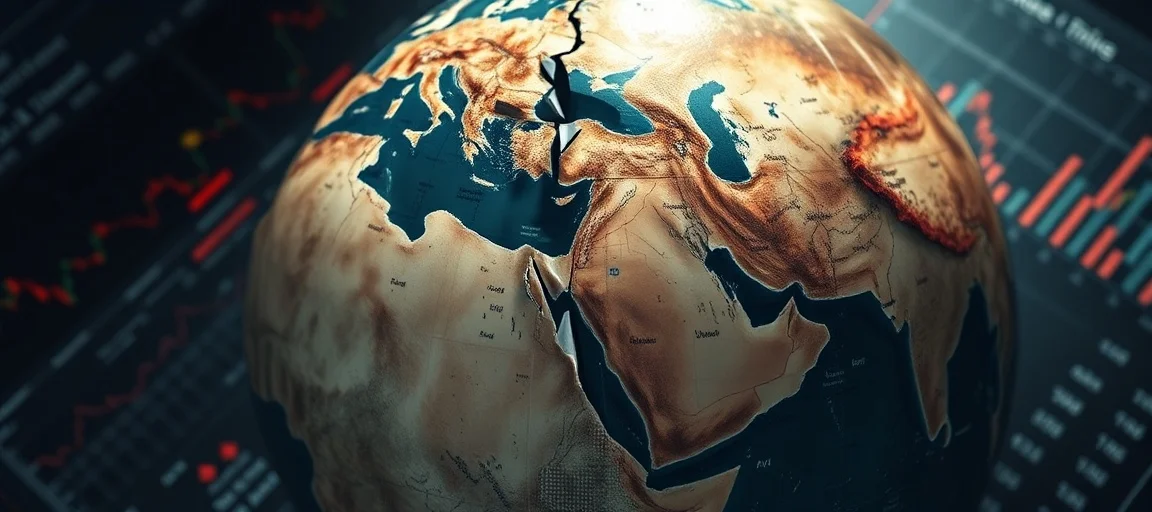
The precarious state of diplomatic engagement between Tehran and Washington has once again captured global attention, as Iran-US talks stall amid Middle East escalation. This critical juncture sees longstanding efforts to de-escalate tensions and potentially revive nuclear agreements falter against a backdrop of intensifying regional conflicts and proxy confrontations. The current climate of uncertainty profoundly impacts not only the two nations involved but also the broader international community, with implications for global energy markets, security architectures, and diplomatic norms. The ongoing stalemate raises serious questions about the future stability of the region and the efficacy of international diplomacy in navigating complex geopolitical challenges.
- A History of Mistrust: Understanding Iran-US Relations
- The Current Impasse: Why Iran-US Talks Stall Amid Middle East Escalation
- Geopolitical Ramifications of the Stalled Dialogue
- International Perspectives on the Stalemate
- Expert Analysis and Potential Pathways Forward
- Conclusion: The Precarious Future of Dialogue
- Frequently Asked Questions
- Further Reading & Resources
A History of Mistrust: Understanding Iran-US Relations
The relationship between Iran and the United States has been characterized by decades of animosity, punctuated by brief periods of engagement. The 1979 Iranian Revolution irrevocably altered the dynamic, transforming a strategic alliance into a deeply antagonistic rivalry. This historical backdrop is crucial for understanding the persistent difficulties in current negotiations.
The Nuclear Deal (JCPOA) and Its Unraveling
A significant development in recent history was the 2015 Joint Comprehensive Plan of Action (JCPOA), commonly known as the Iran nuclear deal. This agreement saw Iran commit to significant restrictions on its nuclear program in exchange for sanctions relief from the UN Security Council, the European Union, and the United States. The deal was hailed by some as a triumph of diplomacy, offering a pathway to prevent Iran from developing nuclear weapons.
However, the JCPOA faced substantial opposition, particularly from certain factions within the U.S. and regional rivals of Iran. In 2018, the United States, under then-President Donald Trump, unilaterally withdrew from the agreement and reimposed stringent sanctions on Iran, citing concerns that the deal did not adequately address Iran's ballistic missile program or its regional activities. This withdrawal was a pivotal moment, leading to Iran gradually scaling back its commitments under the deal and enriching uranium beyond agreed-upon limits, thereby escalating tensions once again.
Attempts at Revival and Persistent Deadlocks
Following the U.S. withdrawal, efforts to revive the JCPOA became a central focus of international diplomacy. Numerous rounds of indirect talks between Iran and the U.S., facilitated by European powers, commenced in Vienna. These negotiations aimed to bring both countries back into compliance with the original agreement. Despite initial hopes, these talks have repeatedly stalled, primarily due to fundamental disagreements on the sequence of sanctions relief, the scope of Iranian nuclear concessions, and the broader regional security concerns. Iran has consistently demanded a verifiable guarantee that any future U.S. administration would not again unilaterally withdraw from the deal, a guarantee Washington has found difficult to provide. Conversely, the U.S. and its allies have sought stronger assurances regarding Iran's nuclear activities and its regional conduct.
The Current Impasse: Why Iran-US Talks Stall Amid Middle East Escalation
The present stalemate in diplomatic efforts can be attributed to a confluence of factors, exacerbated by the volatile security landscape of the Middle East. Both sides maintain entrenched positions, making breakthroughs incredibly challenging.
Unresolved Core Demands
Iran's primary demand remains the full lifting of all sanctions imposed since 2018 and a guarantee against future U.S. withdrawal. Tehran views these sanctions as economic warfare and a violation of the original nuclear agreement. The Islamic Republic insists that without such assurances, any renewed deal would be inherently fragile.
On the other hand, the United States and its European allies are keen on securing greater assurances regarding Iran's advanced nuclear program, including the enrichment of uranium to higher purities and the development of advanced centrifuges. There are also persistent calls to address Iran's ballistic missile capabilities and its support for regional proxy groups, issues that Iran considers non-negotiable and outside the scope of a nuclear agreement.
Regional Turbulences as a Catalyst
The escalating conflicts across the Middle East have significantly complicated diplomatic avenues between Iran and the U.S. The ongoing war in Gaza, sparked by the October 7th, 2023, attacks, has rippled throughout the region, intensifying existing proxy confrontations. Iran-backed groups, such as Hamas in Palestine, Hezbollah in Lebanon, and the Houthis in Yemen, have become more active, often targeting U.S. interests and allies. The intertwined nature of these conflicts with broader geopolitical strategies makes it incredibly difficult to isolate the nuclear issue. Any perceived shift in the balance of power or perceived aggression in one area can immediately sour the atmosphere for diplomatic overtures in another. For a deeper understanding of these complex understanding Middle East security dynamics, it's essential to consider the historical and contemporary factors at play.
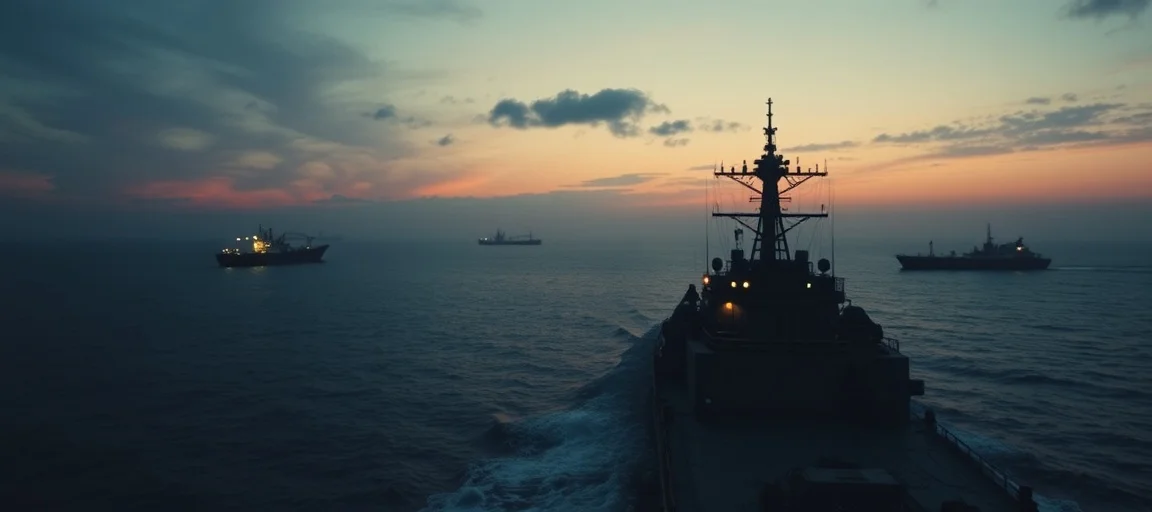
The Houthi attacks on shipping in the Red Sea, for instance, have disrupted global trade and prompted military responses from a U.S.-led coalition. These actions are viewed by Washington as destabilizing and directly linked to Iran's regional foreign policy, making it difficult to separate nuclear negotiations from broader security concerns. Iran, in turn, often frames its support for these groups as part of an "Axis of Resistance" against perceived U.S. and Israeli aggression, further entrenching positions. The lack of trust stemming from these regional skirmishes translates directly into heightened demands for security guarantees and reluctance to compromise in nuclear discussions, creating a vicious cycle of distrust and stalemate.
Geopolitical Ramifications of the Stalled Dialogue
The inability to achieve a diplomatic resolution has far-reaching consequences, extending beyond the immediate concerns of nuclear proliferation and regional stability.
Impact on Global Energy Markets
The Middle East is a critical artery for global energy supplies. Any escalation of conflict or prolonged instability directly impacts oil and gas prices. Stalled talks mean continued uncertainty regarding Iran's oil exports, which could theoretically re-enter the global market if sanctions were lifted. The current standoff keeps Iranian oil largely off the legitimate international market, contributing to tighter supplies and price volatility. Moreover, threats to shipping lanes, particularly in the Strait of Hormuz – a vital choke point for a significant portion of the world's oil supply – remain a constant concern, with potential for severe economic repercussions globally. These dynamics highlight the broader geopolitical factors influencing oil prices far beyond simple supply and demand.
Security Concerns for Regional Allies
U.S. allies in the Middle East, notably Saudi Arabia, Israel, and the UAE, view Iran's nuclear ambitions and regional assertiveness with profound alarm. The absence of a robust nuclear deal and continued tensions leave these nations feeling vulnerable. They often advocate for a tougher stance against Iran and seek stronger security assurances from the United States. The stalled talks exacerbate regional security dilemmas, potentially leading to an arms race or increased military spending as nations seek to bolster their defenses against perceived threats.
Erosion of International Non-Proliferation Efforts
The JCPOA was a landmark non-proliferation agreement. Its potential collapse and the ongoing failure to revive it could send a troubling message regarding the efficacy of international agreements in curbing nuclear proliferation. If Iran continues to advance its nuclear program without international oversight or constraints, it could set a dangerous precedent, potentially encouraging other nations to pursue similar capabilities and undermining the global Non-Proliferation Treaty (NPT) regime. This underscores the significant challenges in global nuclear non-proliferation efforts that extend beyond the immediate Iran-US context.
International Perspectives on the Stalemate
The stalled Iran-US talks garner significant attention from other global powers, each with their own interests and concerns.
European Efforts and Frustrations
European nations, particularly France, Germany, and the United Kingdom (E3), have been pivotal in attempting to mediate between Washington and Tehran. They played a key role in brokering the original JCPOA and have consistently advocated for its revival. The E3 have expressed growing frustration over the prolonged deadlock, warning that the window for a diplomatic solution is rapidly closing as Iran's nuclear program advances. They see the JCPOA as the best available mechanism to constrain Iran's nuclear activities and prevent a more dangerous confrontation. However, their leverage is limited, as they cannot unilaterally lift U.S. sanctions.
Russia and China's Roles
Russia and China, both signatories to the original JCPOA and permanent members of the UN Security Council, have also expressed concerns about the stalled talks. While they nominally support the revival of the deal, their approaches differ from the Western powers. Russia, historically a supplier of nuclear technology to Iran, has at times complicated negotiations, particularly following its invasion of Ukraine, which led to its own strained relations with Western countries. China, a major importer of Iranian oil, has generally maintained closer economic ties with Tehran and advocates for the full implementation of the original agreement without additional demands. Both nations view the U.S. withdrawal as a primary reason for the current crisis.
Expert Analysis and Potential Pathways Forward
Geopolitical analysts offer a range of perspectives on the current impasse and potential future scenarios. Many agree that the current trajectory is unsustainable and carries significant risks.
The Diplomatic Chessboard
"The core issue is a profound lack of trust on both sides," notes Dr. Sarah Davies, a senior analyst at the International Crisis Group. "Iran wants guarantees the U.S. cannot legally provide, and the U.S. wants concessions on issues Iran deems non-negotiable for national sovereignty. This isn't just about a nuclear program; it's about the very nature of their relationship and regional influence." The challenge for the U.S. in providing legally binding guarantees that would withstand future administrations is significant, given the constitutional structure of the American government and the political volatility of foreign policy. This legal and political hurdle remains a major sticking point in any potential agreement.
Some experts suggest that a more creative, step-by-step approach might be necessary, moving away from an 'all-or-nothing' revival of the JCPOA. This could involve smaller, confidence-building measures, such as limited sanctions relief for limited nuclear concessions, aimed at de-escalating the immediate crisis and rebuilding trust. However, finding common ground on what constitutes a fair 'step' remains a significant challenge, as both sides fear being perceived as making disproportionate concessions.
Regional De-escalation as a Prerequisite
A critical component highlighted by many analysts is the need for de-escalation across the broader Middle East. "You cannot expect nuclear talks to proceed smoothly when the region is aflame with proxy conflicts involving direct and indirect engagement from both the U.S. and Iran," states Marcus Thorne, a geopolitical strategist. "Addressing the flashpoints in Gaza, Yemen, and along the Lebanon-Israel border is crucial for creating an environment conducive to serious diplomatic progress on the nuclear file."
This perspective suggests that broader regional security dialogues, perhaps involving other regional powers, might be a necessary precursor or parallel track to any successful nuclear negotiations. However, the complexity and intensity of these regional conflicts make such dialogues incredibly difficult to initiate and sustain, often requiring major shifts in regional power dynamics and political will.
The Threat of Further Escalation
The most concerning scenario remains the potential for further escalation, either through miscalculation or deliberate action. Without a diplomatic off-ramp, the risk of a military confrontation, direct or indirect, grows. This could have catastrophic consequences for the Middle East and beyond, potentially drawing in other global powers. The continued advancement of Iran's nuclear program also raises proliferation concerns, increasing the urgency of finding a resolution. The international community watches closely, aware that the consequences of failure extend far beyond the immediate parties.
Conclusion: The Precarious Future of Dialogue
The current state of affairs, where Iran-US talks stall amid Middle East escalation, represents a dangerous deadlock in international diplomacy. The intricate web of historical mistrust, unresolved core demands, and a volatile regional landscape has created a formidable barrier to progress. While the international community largely agrees on the imperative of preventing nuclear proliferation and ensuring regional stability, the pathways to achieving these goals remain fraught with challenges. The future of dialogue hinges on whether both Tehran and Washington can find the political will and diplomatic flexibility to bridge their profound differences, or if the region will continue to be buffeted by the winds of escalating tensions and proxy conflicts. Without renewed commitment to diplomacy, the specter of a more dangerous future looms large.
Frequently Asked Questions
Q: Why have Iran-US talks stalled recently?
A: Talks are deadlocked over Iran's demands for comprehensive sanctions relief and verifiable guarantees against future U.S. withdrawal, while the U.S. seeks stronger assurances regarding Iran's nuclear program and its destabilizing regional activities. The highly volatile Middle East, especially the ongoing Gaza war and its ripple effects, further complicates negotiations by increasing regional tensions and distrust.
Q: What was the Joint Comprehensive Plan of Action (JCPOA)?
A: The JCPOA, commonly known as the Iran nuclear deal, was a landmark agreement reached in 2015. Under this accord, Iran committed to significant restrictions on its nuclear program in exchange for sanctions relief from global powers. The U.S. unilaterally withdrew from the deal in 2018, leading to Iran gradually exceeding uranium enrichment limits and contributing to the current escalation of tensions.
Q: What are the main regional impacts of the stalled talks?
A: The diplomatic stalemate contributes to increased instability across the Middle East, exacerbating proxy conflicts and affecting global energy markets through uncertainty over Iranian oil and threats to shipping lanes. It also heightens security concerns for U.S. allies in the region and undermines broader international non-proliferation efforts, raising the specter of a regional arms race.