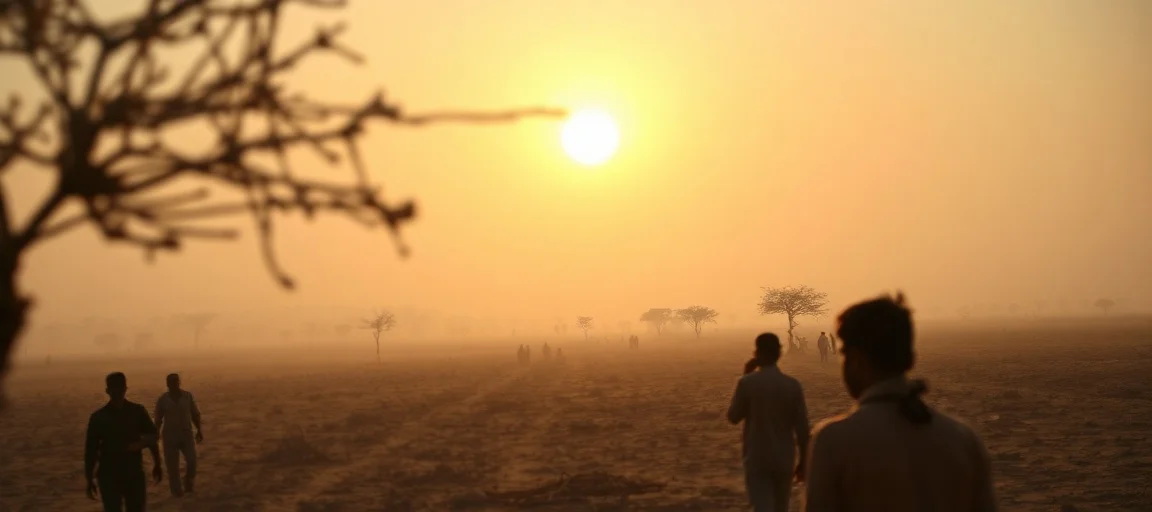
India Scorches Under Severe Heatwave, Alerts Issued Nationwide
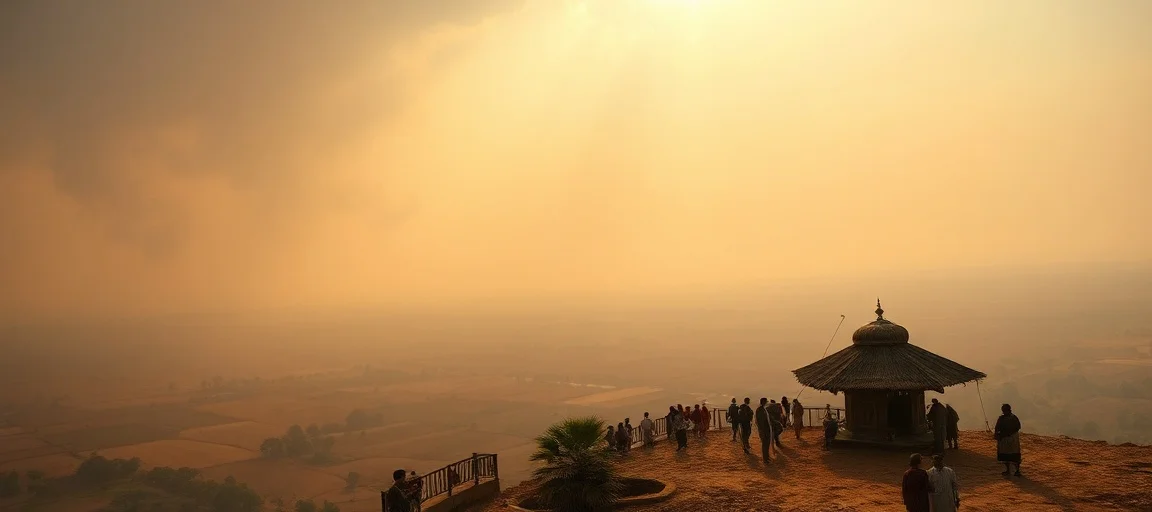
As soaring temperatures continue to grip the nation, India Scorches Under Severe Heatwave, Alerts Issued nationwide, bringing with it a cascade of public health concerns and significant socio-economic disruption. This intense heat, with widespread alerts issued by the India Meteorological Department (IMD) for vast swathes of the country, signals a challenging period ahead, particularly for vulnerable populations and critical sectors like agriculture and infrastructure. The current conditions are a stark reminder of the escalating climate challenges facing India, compelling both citizens and authorities to adopt urgent mitigation and adaptation strategies.
- Understanding the Current Heatwave Crisis
- India Scorches Under Severe Heatwave, Alerts Issued: Key Details and Government Response
- Expert Perspectives on Climate Change and Future Outlook
- Impact on Daily Life and Vulnerable Populations
- Preparedness and Mitigation Strategies
- Conclusion
- Frequently Asked Questions
- Further Reading & Resources
Understanding the Current Heatwave Crisis
India is experiencing an unprecedented spell of extreme heat, with many regions registering temperatures well above seasonal averages. The India Meteorological Department (IMD) has issued both 'yellow' and 'orange' alerts across numerous states, indicating conditions ranging from "be aware" to "be prepared" for severe or prolonged heatwaves. These warnings cover a broad geographical expanse, encompassing central, northwest, eastern, and southern India. States like Punjab, Haryana, Uttar Pradesh, Madhya Pradesh, and Rajasthan are particularly affected, with maximum temperatures frequently crossing the 45 degrees Celsius mark. Some areas in Delhi, for instance, have seen temperatures nearing 44-45 degrees Celsius, making it one of the hottest periods of the season.
The intensity and persistence of this heatwave are notably concerning. Unlike typical seasonal warming, the current conditions are characterized by abnormally high temperatures over prolonged periods, coupled with limited nighttime cooling, which significantly exacerbates heat stress. The absence of substantial pre-monsoon rainfall and persistent dry air circulation are amplifying the situation across the country.
Geographical Impact and Affected Regions
The current heatwave is not confined to a single region but is widely distributed across the Indian subcontinent. Northwest and central India are particularly bearing the brunt, with the IMD forecasting severe to intense heatwave conditions for the plains in these areas. Delhi, often considered a benchmark for urban heat, has experienced its hottest days of the season, with forecasts predicting maximum temperatures to hover around 43-45 degrees Celsius for several days.
Beyond the national capital, states such as Uttar Pradesh and Madhya Pradesh are also under severe heatwave alerts. Rajasthan, a state historically prone to extreme heat, along with parts of Vidarbha, Central Maharashtra, Marathwada, Chhattisgarh, and Coastal Andhra Pradesh, are also experiencing or are expected to experience significant heatwave conditions. The continuous exposure to such elevated temperatures poses substantial risks to public health and daily life across these densely populated regions.
Meteorological Factors Contributing to the Extreme Heat
Several meteorological factors converge to create the severe heatwave conditions currently observed across India. A primary driver is the long-term anthropogenic warming, which is steadily increasing baseline temperatures globally, including in India. This warming trend has led to a consistent upward trajectory in heatwave frequency in India since 1961, with projections indicating a further rise of 12 to 18 days under continued warming scenarios.
Local atmospheric conditions further intensify the situation. Weak western disturbances, prolonged dry spells, and reduced cloud cover contribute to increased solar radiation reaching the ground, leading to higher surface temperatures. The formation of seasonal low-pressure heat zones, particularly over Rajasthan and adjoining Pakistan, is a climatological norm for the pre-monsoon season, but this year, their intensity and spatial extent are particularly alarming. Furthermore, the India Meteorological Department (IMD) has projected the 2026 southwest monsoon at 92% of the long-period average (below normal), with the El Niño phenomenon identified as a primary driver for these unfavorable conditions. El Niño conditions typically lead to warmer temperatures and can disrupt monsoon patterns, posing further risks to agricultural productivity and food security.
India Scorches Under Severe Heatwave, Alerts Issued: Key Details and Government Response
In response to the escalating crisis as India Scorches Under Severe Heatwave, Alerts Issued across the country, the central government and various state authorities have swiftly moved to issue public health advisories and implement precautionary measures. These efforts aim to safeguard citizens, especially vulnerable groups, from heat-related illnesses and fatalities. The comprehensive nature of these advisories reflects the severity of the situation and the multi-faceted impact of extreme heat.
The Ministry of Ayush, in coordination with the Directorate General of Health Services (DGHS) under the Ministry of Health and Family Welfare (MoHFW), has released a detailed public health advisory. This advisory emphasizes proactive steps for general public, vulnerable populations, employers, workers, and participants in mass gatherings and sports events to protect themselves against heat stress and heat-related illnesses.
Health Advisories and Public Safety Measures
The public health advisories issued by the government highlight several critical recommendations:
- Hydration: Citizens are strongly urged to stay adequately hydrated by consuming sufficient water frequently, even if they do not feel thirsty. The consumption of seasonal fruits and fluids rich in electrolytes, such as buttermilk, coconut water, and lemon-based drinks, is also recommended.
- Avoiding Peak Sun Hours: People are advised to avoid direct exposure to sunlight, especially during peak afternoon hours, typically between noon and 4 p.m. When outdoor activities are unavoidable, seeking shaded rest areas and taking regular hydration breaks are crucial.
- Appropriate Clothing: Wearing light-colored, loose-fitting cotton clothing is recommended to help the body dissipate heat more effectively.
- Vulnerable Groups: Special attention is advised for infants, children, pregnant women, elderly persons, outdoor workers, and individuals suffering from chronic illnesses like heart disease and hypertension, as they are particularly susceptible to heat-related complications. Caregivers are encouraged to monitor these groups closely.
- Warning Signs and Emergency Care: The advisory flags symptoms such as dizziness, headache, nausea, altered mental status, high body temperature, dehydration, seizures, and fainting as warning signs of heat-related illness. Heatstroke is identified as a medical emergency requiring immediate attention, with citizens advised to promptly call emergency helplines 108 or 102 in severe cases.
- Traditional Wellness Practices: Integrating traditional wellness and preventive measures from Ayush systems (Ayurveda, Siddha, Yoga, Unani, and Homoeopathy) is also part of the advisory. This includes specific cooling dietary practices and breathing techniques like Sheetali Pranayama to reduce heat stress.
For workplaces, public gatherings, and sports events, specific instructions include providing shaded rest areas, ensuring regular hydration breaks, implementing acclimatization measures for workers, and generating awareness regarding the symptoms of heat stress.
Infrastructure Strain and Economic Impact
The severe heatwave conditions are placing immense strain on India's infrastructure and have significant economic ramifications. One of the most immediate impacts is the surge in electricity demand due to increased reliance on cooling systems like air conditioners and fans. This heightened consumption can overload power grids, leading to power outages and disruptions in daily life. In 2022, 66% of the country experienced power outages, and the country's GDP loss due to power shortages in the manufacturing sector alone was estimated at 1-1.9%. The All India Power Engineers' Federation has warned of potential blackouts, underscoring the severity of the energy demand.
Economically, heatwaves are quietly eroding output across various sectors. India's economy heavily relies on agriculture, which accounts for 18% of its GDP and employs 60% of its population. High temperatures and moisture stress lead to reduced crop yields, wilted plants, and crop failures, directly affecting farmers' livelihoods and food security. For instance, heatwaves in 2022 caused a 23% decline in kinnow yields in Punjab, a 19% decline in chickpea production in Haryana, and a 15-25% decline in wheat yields across the country. The 2022 heatwave alone slashed wheat yields by 15-20% and milk production by 15%. The current heatwave threatens further agricultural losses, particularly for crucial crops like wheat and rice. Livestock, especially dairy and poultry, also suffer from heat stress, leading to reduced growth, milk and egg production, and increased mortality rates.
Beyond agriculture, the productivity of workers in heat-exposed occupations—estimated to be roughly 75% of India's workforce, including construction, street vending, and manufacturing—declines significantly with rising temperatures. Research suggests industrial productivity can fall by around 2% for every 1°C rise in temperature. The Council on Energy, Environment and Water (CEEW) reports that heat stress could lead to India losing the equivalent of 35 million full-time jobs and experiencing a 4.5% reduction in GDP by 2030. The cumulative economic losses from heatwaves are substantial; in 2021, India faced an economic loss of USD 159 billion and 167 billion hours of potential labor due to extreme heat. Projections by the McKinsey Global Institute and World Bank indicate a potential GDP drag of up to 5.4% by 2030 if heat stress continues unchecked.
Expert Perspectives on Climate Change and Future Outlook
Climate scientists and environmental experts are sounding alarms about the increasing frequency, intensity, and duration of heatwaves in India, attributing these trends significantly to human-induced climate change. The phenomenon is no longer an anomaly but is becoming a defining characteristic of the Indian summer, with long-term implications for the environment, economy, and public health.
The IPCC Sixth Assessment Report (2023) identifies South Asia, including India, as one of the most heat-vulnerable regions in the world. Temperatures in India have already risen by 0.7°C between 1901 and 2018, and this warming trend is exacerbating the impact of heatwaves. Climate change is making such severe heatwaves, as witnessed in 2022, approximately 100 times more likely. Experts from the World Weather Attribution group found that climate change approximately tripled the probability of an event like the 2026 heatwave, which would have been about 1°C cooler in a preindustrial climate.
Long-Term Climate Trends and India's Vulnerability
The long-term climate trends for India suggest a future with more frequent and intense extreme weather events. Heatwave frequency has been on a consistent upward trend since 1961, with projections indicating a further rise of 12 to 18 days under continued warming trajectories. Over the last 40 years (1981–2022), heat extremes in India have increased linearly, leading to landmark heatwaves in 2013, 2016, 2019, 2022, and 2024. Disturbingly, the number of very warm nights has been rising faster than very hot days in the last decade, offering little respite from the heat.
By 2050, it is projected that almost every child in the world—nearly 2.2 billion children—will be exposed to frequent heatwaves. For India, long-term predictions indicate that heatwaves will affect more than 300 million people by 2050 and could lower the quality of life for almost 600 million Indians by 2100. A 2018 study projects droughts to increase in Northern and North-western India in the near future, with most parts of India likely facing more severe droughts by the end of the century. This scenario poses a grave threat to food security and water resources, especially given India's heavy reliance on monsoons.
The Role of Urban Heat Islands
Urbanization plays a critical role in exacerbating heatwave conditions, particularly through the phenomenon known as the Urban Heat Island (UHI) effect. UHIs occur when urban areas experience significantly higher temperatures than their surrounding rural or semi-urban counterparts. This effect is intensified by several factors inherent to urban environments:
- Building Materials: Dense buildings, concrete, asphalt, and metal roofing materials absorb and retain solar radiation, radiating heat outwards and keeping cities warmer, even at night.
- Reduced Green Cover: Less tree cover in urban areas means less evapotranspiration, which naturally provides a cooling effect. Delhi, for instance, has seen significant green cover loss, contributing to higher urban temperatures.
- Anthropogenic Heat Sources: Human activities such as extensive use of vehicles, industrial processes, and energy consumption (including air conditioning) generate additional heat, further intensifying the UHI effect.
- Population Density: Higher population density in urban areas also contributes to increased energy consumption and a greater need for residential and commercial spaces, all of which generate heat.
Studies have shown significant increases in urban temperatures and heatwaves in 32 Indian cities, particularly in the Indo-Gangetic Plains, largely due to land cover changes from non-built to built-up areas. The UHI effect can make cities 5°C to 10°C warmer than the surrounding countryside, making urban populations, especially those in impoverished regions, more vulnerable to heat stress.
Impact on Daily Life and Vulnerable Populations
The relentless heatwave has a profound and immediate impact on the daily lives of millions across India, particularly affecting the most vulnerable segments of society. From basic sustenance to livelihoods, the extreme temperatures are creating pervasive challenges.
For those living in informal settlements or without reliable access to electricity and water, the crisis is amplified. Indoor temperatures in these areas can exceed outdoor temperatures by 8-10°C, posing severe health risks for children, the elderly, and women. The absence of proper cooling and hydration mechanisms in such communities makes them highly susceptible to heat-related illnesses. The National Disaster Management Authority (NDMA) in India has formally declared heatwaves as a national disaster, acknowledging the urgent need for adaptive strategies.
Agriculture and Water Scarcity Concerns
India's agricultural sector, the backbone of its economy, is acutely vulnerable to heatwaves. High temperatures directly impact crop yields by causing moisture stress, wilting plants, and disrupting critical growth stages like flowering and fruiting. The 2022 heatwave, for example, demonstrated how extreme heat can lead to shrivelled grain and significantly reduced wheat yields in some states. Rice, a staple crop contributing to 70% of India's calorie intake, is also highly climate-sensitive and dependent on rainfall, making it particularly threatened by rising heatwaves.
The situation is further exacerbated by decreasing reservoir levels. Compared to the previous year, current reservoir capacities are significantly lower, raising concerns about water scarcity for drinking, agriculture, and livestock if the monsoon arrives late or fails to provide adequate rainfall. This parched land poses considerable challenges for farmers planning their sowing activities, pushing many to adapt by switching to heat-tolerant crop varieties. However, for many, the financial burden of such adaptations, coupled with reduced yields and the lack of labor willing to work in torrid conditions, threatens their livelihoods.
Educational and Workplace Disruptions
The severe heatwave has led to significant disruptions in education and workplace productivity. Schools in many regions, even with fans, struggle to combat spiking temperatures that routinely hit 40°C, causing students to experience fatigue and dehydration and hindering their ability to learn. This directly impacts academic performance and the overall well-being of millions of children.
In the formal and informal labor sectors, the impact is equally severe. Outdoor laborers, including those in construction, street vending, and agriculture, face extreme exposure to direct sunlight, often without adequate rest or shade. This increases the risk of heat exhaustion, dehydration, and heatstroke. For daily wage earners, lost workdays due to unbearable heat translate directly into immediate income loss, pushing families into deeper vulnerability. The NDMA estimates that extreme heat can reduce labor productivity by 15-20%, particularly in informal sectors. Globally, approximately 940 million people work in agriculture, and this sector is expected to account for 60% of global working hours lost due to heat stress by 2030. Even in the formal manufacturing sector, output loss is about 2% per degree increase in temperature.
Preparedness and Mitigation Strategies
Recognizing the escalating threat, India has been working towards enhancing its preparedness and mitigation strategies for heatwaves. These efforts range from improving early warning systems to developing long-term adaptation plans aimed at building resilience against extreme heat events. The proactive approach is critical given the increasing frequency and intensity of heatwaves projected for the future.
The National Disaster Management Authority (NDMA) released guidelines on managing heatwaves in 2019, encouraging states and cities to draft Heat Action Plans (HAPs). The NDMA began prepping for the 2024 heatwave in October 2023, advising states to upgrade their HAPs. While many states have developed HAPs, a comprehensive study revealed that only 30% of these plans discuss funding mechanisms, highlighting a significant gap in financial planning. However, since 2024, heatwaves are now eligible for financing under state disaster mitigation funds (SDMFs), which should help address some of these financial challenges.
Public Awareness Campaigns and Early Warning Systems
Effective public awareness campaigns are a cornerstone of heatwave preparedness. The government's health advisories, disseminated widely, play a crucial role in informing citizens about the risks and necessary precautions. These campaigns emphasize hydration, avoiding peak sun exposure, recognizing symptoms of heat-related illnesses, and knowing emergency contact numbers. Citizens are also urged to regularly monitor heatwave alerts issued by the India Meteorological Department (IMD).
The IMD's role in providing timely and accurate forecasts is indispensable. By issuing 'yellow' and 'orange' alerts, the IMD enables states and local authorities to take pre-emptive actions, such as advising schools to close or adjusting working hours for outdoor laborers. Improved data collection and granular risk assessment at the district level are crucial for pinpointing high-risk areas and allocating resources effectively.
Long-Term Adaptation and Resilience Building
Building long-term resilience against heatwaves requires a multi-faceted approach that addresses both climate change and local urban vulnerabilities. Key strategies include:
- Urban Planning and Green Infrastructure: Mitigating the Urban Heat Island (UHI) effect is vital. This involves increasing tree cover and green spaces, using high-albedo (light-colored, reflective) roofing materials in buildings, and adopting urban designs that promote airflow and reduce heat absorption. Such measures can significantly reduce urban temperatures, potentially lowering roof temperatures by up to 25°C.
- Climate-Resilient Agriculture: Promoting the cultivation of heat-tolerant crop varieties and implementing water-efficient irrigation techniques are essential for safeguarding agricultural productivity and food security. Diversifying crops and adopting sustainable farming practices can also help farmers adapt to changing weather patterns.
- Strengthening Public Health Systems: Enhancing healthcare infrastructure to handle increased heat-related illnesses, training medical personnel, and establishing cooling centers during heatwaves are critical public health interventions. Early identification and rapid response to heatstroke cases can save lives.
- Worker Protection Policies: Implementing policies that protect outdoor workers, such as mandatory shaded rest areas, regulated working hours during peak heat, and access to hydration, are crucial for maintaining labor productivity and worker well-being.
- Research and Development: Continued investment in climate research, early warning technologies, and the development of innovative solutions for heat mitigation is paramount. This includes understanding localized impacts and tailoring interventions to specific regional needs.
Conclusion
The current situation, where India Scorches Under Severe Heatwave, Alerts Issued nationwide, underscores a deepening climate crisis that demands immediate and sustained action. The escalating temperatures are not merely a seasonal discomfort but a formidable challenge impacting public health, straining critical infrastructure, and posing significant threats to agricultural output and economic stability. While government advisories and early warning systems provide crucial immediate relief and guidance, the long-term prognosis necessitates a fundamental shift towards comprehensive climate resilience. Investing in green urban infrastructure, promoting climate-adaptive agricultural practices, strengthening public health responses, and implementing robust worker protection policies are indispensable steps. India's journey towards a heat-resilient future will require concerted efforts from policymakers, communities, and individuals alike, integrating traditional wisdom with modern scientific approaches to navigate the intensifying impacts of a warming planet.
Frequently Asked Questions
Q: What are the main causes of the severe heatwave in India?
A: The heatwave is primarily driven by long-term anthropogenic warming, weak western disturbances, prolonged dry spells, and reduced cloud cover, which increase solar radiation. The El Niño phenomenon is also contributing to warmer temperatures and disrupted monsoon patterns.
Q: What are the health risks associated with the heatwave and how can people protect themselves?
A: Health risks include dehydration, heat exhaustion, and potentially fatal heatstroke. To protect oneself, it is crucial to stay hydrated, avoid peak sun hours, wear light clothing, and monitor vulnerable individuals like children and the elderly. Seek emergency care for severe symptoms.
Q: How is the heatwave impacting India's economy and agriculture?
A: The heatwave strains infrastructure with increased electricity demand and leads to significant economic losses due to reduced crop yields, livestock stress, and decreased labor productivity in heat-exposed sectors. Projections indicate potential GDP reduction and job losses if heat stress continues.