India Heatwave: 16 Dead in Telangana as Temps Soar Amidst Crisis
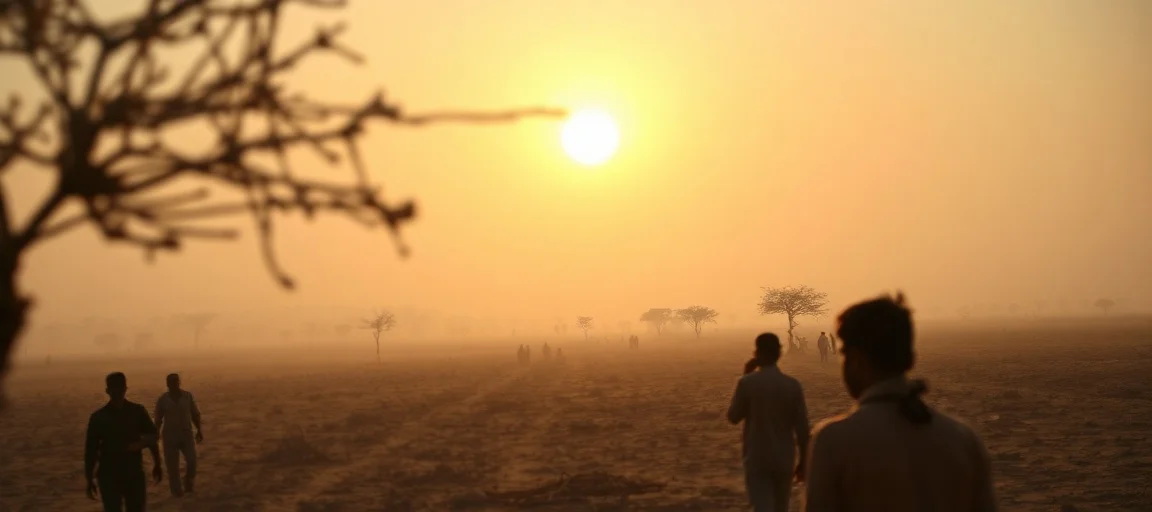
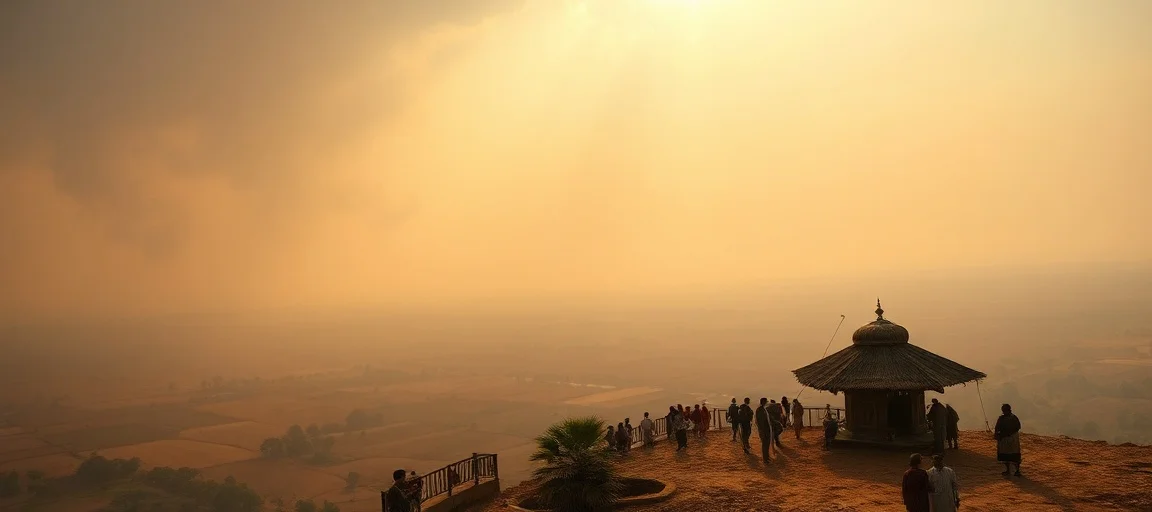
An unprecedented and severe India heatwave has tightened its grip on Telangana, resulting in the tragic deaths of 16 individuals as temperatures soar to alarming levels across the state. This critical situation has prompted a high alert from state authorities, emphasizing the urgent need for precautions as the intense heat persists. The soaring temperatures, exceeding 46 degrees Celsius in numerous districts, have created a dire public health crisis, highlighting the vulnerability of the region to extreme weather events. Revenue Minister Ponguleti Srinivas Reddy confirmed these fatalities and underscored the state's commitment to safeguarding its citizens amidst this crisis, directing officials to identify the most affected areas and disseminate crucial safety advisories.
Background and Context of India Heatwave
Heatwaves are not uncommon in India, particularly during the pre-monsoon summer months, but their frequency, intensity, and duration have been increasing significantly due to climate change. India's average annual temperature has risen by approximately 0.7°C between 1901 and 2018, with projections indicating a potential rise of 1.2°C to 3.5°C by 2050. This upward trend is making extreme heat events more likely and severe, impacting public health, agriculture, and the economy. The Council on Energy, Environment and Water (CEEW) reports that heat extremes in India have increased linearly over the past 40 years (1981–2022), leading to landmark heatwaves in various years. The economic toll is also substantial, affecting agricultural output due to crop damage and reducing labor productivity, particularly for outdoor workers. Water scarcity is exacerbated, straining already limited resources and impacting livelihoods across affected regions.
Studies have shown a strong correlation between heatwaves and an increase in daily mortality. Temperatures consistently above the 97th percentile for two consecutive days were associated with a 14.7% increase in daily mortality across ten Indian cities between 2008 and 2019. Annually, around 1,116 deaths were attributed to heatwaves in these cities, emphasizing the severe health threat posed by such events. The economic impact of heat-related mortality and morbidity is substantial, burdening healthcare systems and reducing overall economic productivity, hindering national development efforts.
Rising Temperatures Across the Region
Telangana, a southern Indian state, is particularly susceptible to these climatic shifts. Recent data indicates that several districts have recorded temperatures soaring past the 45°C mark. For instance, on May 21, 2026, Hyderabad recorded its hottest temperature of the season at 43.4°C in Karwan, with other areas like Chandrayangutta and Amberpet also reaching similar highs. Further across Telangana, districts such as Peddapalli and Suryapet registered extreme temperatures of 46.5°C, while Bhadradri Kothagudem, Hanumakonda, Jagtial, and others experienced 46.4°C. Kumuram Bheem Asifabad also reported a peak of 46.5°C. These persistently high temperatures, coupled with humid conditions, create a dangerous heat index, significantly elevating the risk of heat-related illnesses. The India Meteorological Department (IMD) has issued warnings for severe heatwave conditions to persist in many Telangana districts, with day temperatures likely to remain above 45°C. The relentless heat not only impacts human health but also stresses infrastructure, power grids, and water supply systems, leading to potential disruptions and further discomfort for residents.
The Human Cost: 16 Dead in Telangana as Temps Soar
The grim reality of the current India heatwave: 16 dead in Telangana as temps soar underscores the deadly potential of extreme heat. State authorities have officially confirmed that at least 16 people have succumbed to suspected heatstroke across seven districts in Telangana. These fatalities were reported across areas including Jayashankar Bhupalapalli (four deaths), Warangal Urban (three deaths), Karimnagar (three deaths), Nizamabad (three deaths), and one each from Jogulamba Gadwal, Rangareddy, and Suryapet districts. The Telangana government has responded by declaring heatwaves and sunstroke as state-specific disasters, enabling it to provide ₹4 lakh (approximately USD 4,800) ex-gratia relief to the families of the victims. This declaration is a significant step, as the Union government currently does not include heatwaves in its national list of recognized disasters, limiting access to national disaster response funds.
The Revenue Minister, Ponguleti Srinivas Reddy, emphasized the "unprecedented levels" of heat intensity and urged local officials to heighten public awareness regarding heatwave precautions. While official reports confirm 16 deaths, some unconfirmed reports suggested the toll could be higher, indicating the potential for underreporting in remote areas. The tragic loss of lives serves as a stark reminder of the critical need for robust preparedness and immediate response mechanisms during such climatic events. It also highlights the urgent necessity for long-term climate adaptation strategies to protect communities from future extreme weather impacts.
Vulnerable Populations and Health Risks
Extreme heat poses a significant threat, particularly to vulnerable populations. The elderly, young children, pregnant women, and individuals with pre-existing medical conditions (such as cardiovascular disease, diabetes, and respiratory ailments) are at a much higher risk of developing heat-related illnesses. Outdoor workers, especially those in agriculture, construction, and street vending, also face substantial risks due to prolonged exposure to high temperatures and physical exertion. Without adequate protective measures, these groups are more susceptible to severe health outcomes, including chronic conditions exacerbated by heat.
The health impacts range from milder conditions like heat cramps (involuntary muscle spasms), heat exhaustion (fatigue, dizziness, heavy sweating, nausea), and dehydration to severe and life-threatening emergencies such as heatstroke. Heatstroke, characterized by a core body temperature above 40°C and central nervous system dysfunction, can lead to multi-organ failure (including kidney, liver, and brain damage) and, if not treated promptly, can be fatal. Doctors are also reporting an increase in neurological and eye-related ailments during heatwaves, including severe headaches, dizziness, disorientation, fainting, and the worsening of existing neurological conditions like migraines and even stroke. Prolonged heat exposure can also aggravate cardiovascular diseases, leading to heart attacks and strokes, precipitate kidney failure due to severe dehydration, exacerbate respiratory distress, and impair liver function. The psychological impact of persistent heat, including increased stress, irritability, and sleep disturbances, should also not be underestimated.
Government Response and Mitigation Efforts
In response to the escalating crisis, the Telangana government has taken several proactive steps. Revenue Minister Ponguleti Srinivas Reddy has convened emergency review meetings, instructing district administrations to prioritize public safety and implement swift actions to prevent further casualties. Hourly warnings about the heat's intensity are being issued, and the public is advised to avoid venturing outdoors between 11:00 AM and 4:00 PM. The state has also activated its disaster response machinery, ensuring coordination across various departments, including health, irrigation, and rural development, to provide immediate relief and support where needed, such as ensuring access to safe drinking water.
Telangana has established a network of 1,091 automated weather stations for real-time monitoring and forecasting, allowing for timely alerts and advisories to be disseminated through mobile applications, SMS, WhatsApp, social media, and LED display boards across urban and rural areas. Furthermore, the state's heatwave action plan involves orienting frontline healthcare workers, including medical officers, paramedics, Accredited Social Health Activists (ASHAs), and Anganwadi workers. This orientation includes training on recognizing early signs and symptoms of heat-related illnesses, providing immediate first aid, and facilitating prompt referral to higher medical facilities. They are also equipped with basic medical supplies and rehydration solutions to assist affected individuals in their communities. Public health facilities are being stocked with necessary medications and intravenous fluids, and designated 'cool zones' or shelters are being identified in public spaces to offer temporary respite from the heat, particularly for vulnerable populations.
Public Awareness and Safety Measures
Public awareness campaigns are crucial during heatwaves. The government is undertaking comprehensive initiatives to educate citizens on "do's and don'ts" through various media platforms, including pamphlets, posters, advertisements, and television commercials in local languages. These advisories emphasize several key safety measures:
- Hydration: Drink sufficient water frequently, even if not thirsty. Oral Rehydration Solutions (ORS), homemade drinks like lassi, buttermilk, lemon water, and coconut water are recommended to maintain electrolyte balance. Avoid sugary, caffeinated, or alcoholic beverages, which can contribute to dehydration.
- Avoid Sun Exposure: Stay indoors, especially between 12:00 noon and 3:00 p.m., the peak heat hours. If going out is unavoidable, seek shade and take frequent breaks. Consider rescheduling outdoor activities for cooler parts of the day or early morning/late evening.
- Appropriate Clothing: Wear lightweight, light-colored, loose-fitting, and porous cotton clothes to allow for better air circulation and sweat evaporation. Use protective goggles, umbrellas or hats, and shoes or chappals when outdoors to protect from direct sun and hot surfaces.
- Dietary Adjustments: Eat light, easily digestible meals rich in water content, such as fruits like watermelon and cucumber, and salads. Avoid high-protein foods, heavy meals, and processed foods which can increase metabolic heat production.
- Protect Vulnerable Groups: Special precautions are urged for the elderly, pregnant women, and young children, advising them to stay indoors in cool environments. Regularly check on elderly neighbors or relatives who may live alone. Never leave children or pets in parked vehicles, even for a short time, as interior temperatures can rise rapidly to deadly levels.
- Workplace Safety: For outdoor workers, it is advised to avoid strenuous activities during peak heat hours and use hats or umbrellas. Employers are encouraged to provide shaded rest areas, hydration stations, and mandatory cooling breaks to prevent heat stress. Labor laws and guidelines are being reinforced to ensure worker safety during extreme heat conditions.
In case of illness or faintness, immediate medical attention is advised. Lay the person in a cool, shady place, loosen tight clothing, wipe them with a wet cloth, and provide ORS or other rehydrating drinks before transporting them to the nearest health center or calling emergency services. Early intervention can be life-saving and prevent severe complications.
Climate Change and Extreme Weather Events
The increasing frequency and intensity of heatwaves in India are deeply intertwined with global climate change. Temperatures in India have been consistently rising, with studies predicting a significant increase in the number and severity of droughts by the end of the century. Heatwaves in 2022, for instance, made almost 90% of Indians more vulnerable to public health issues and food shortages. Climate change makes such heatwaves significantly more likely; for example, the severe heatwave in May 2022, where temperatures reached 51°C, was made 100 times more probable by climate change. The phenomenon of "urban heat islands," where urban areas experience higher temperatures than surrounding rural areas due to heat-absorbing surfaces and lack of greenery, further exacerbates the problem in densely populated cities, amplifying the risks to urban populations.
India, despite having 17% of the world's population, contributes to 7% of global greenhouse gas emissions and relies heavily on coal for electricity generation. The country aims to achieve net-zero emissions by 2070, a target that reflects the scale of the challenge in balancing rapid development with environmental responsibility and energy security. The impacts are not just on health but also on labor productivity, with India potentially losing the equivalent of 35 million full-time jobs and experiencing a 4.5% reduction in GDP by 2030 due to heat stress. This economic vulnerability underscores the urgent need for both mitigation (reducing greenhouse gas emissions) and adaptation (preparing for and responding to the impacts of climate change) strategies.
Long-Term Strategies for Resilience
Addressing the long-term threat of heatwaves requires comprehensive strategies focused on climate resilience and adaptation across multiple sectors. Telangana, along with other states like Ahmedabad and Odisha, has formulated action plans that include measures such as capacity building for healthcare professionals, tracking emergency cases, establishing specialized dispensaries, and regulating working hours for outdoor laborers to minimize exposure. However, there is a recognized need for robust monitoring and evaluation mechanisms to track progress down to the district level and ensure effective implementation of these plans, identifying gaps and areas for improvement.
Urban planning also plays a crucial role in building resilience against extreme heat. Cities need to implement measures to combat the "urban heat island" effect, such as increasing green spaces and urban forests, promoting cool roofs and reflective surfaces on buildings, and improving ventilation in housing, especially for affordable housing where residents have fewer resources for cooling. Investing in early warning systems, climate-resilient infrastructure (like improved power grids, efficient water supply systems, and sustainable public transportation), and sustainable urban design is paramount to protecting populations from future extreme weather events. Furthermore, research and development into heat-resistant crop varieties, drought-resistant agricultural practices, and innovative cooling technologies for homes and workplaces are vital components of a long-term adaptation strategy. International cooperation and knowledge sharing on best practices for heatwave management can also significantly bolster national and sub-national efforts.
Expert Perspectives on Heatwave Preparedness
Experts consistently emphasize that heatwave preparedness cannot solely be an individual responsibility; it must become a priority for workplaces, local governments, and policy makers at all levels. Dr. Vinit Suri, Senior Consultant- Neurology at Indraprastha Apollo Hospital, Delhi, noted a 20% increase in neurological complaints during recent heatwaves, highlighting the broader health implications beyond traditional heatstroke and the need for specialized medical attention and public awareness regarding these less-common symptoms. Dr. K. Venkat Ramanna, District Medical and Health Officer, noted that many reported heatwave-related deaths are often associated with pre-existing co-morbidities, exacerbated by exposure without adequate precautions, underscoring the importance of protecting vulnerable individuals through targeted interventions and community support.
The National Disaster Management Authority (NDMA) provides comprehensive guidelines for heatwave management, recommending staying indoors, staying hydrated, wearing light clothing, and using cooling devices. These guidelines serve as a crucial framework for state-level action plans and are regularly updated based on evolving climate patterns and public health research. While traditional remedies like herbal foot baths and unripe mango water are mentioned in advisories from systems like Unani and Ayurveda, healthcare experts stress that no alternative remedy should replace emergency medical intervention for severe heatstroke, which is a life-threatening condition requiring immediate professional treatment. The consensus among experts is the critical need for integrated approaches that combine early warning systems, widespread public education, robust healthcare infrastructure, and long-term climate adaptation strategies to mitigate the profound impact of rising temperatures on human health and well-being. This calls for a multi-sectoral approach involving urban planners, public health officials, environmental scientists, and community leaders working in tandem to build true resilience.
Frequently Asked Questions
Q: What are the primary causes of the increasing heatwaves in India?
A: India's increasing heatwaves are largely driven by global climate change, leading to higher average temperatures and more frequent, intense, and prolonged extreme heat events. The urban heat island effect, particularly in densely populated cities, also exacerbates these conditions by trapping heat within built environments.
Q: Which populations are most vulnerable to heat-related illnesses during an India heatwave?
A: The elderly, young children, pregnant women, individuals with pre-existing medical conditions (such as heart or respiratory disease), and outdoor workers are most vulnerable. They face higher risks of dehydration, heat exhaustion, and potentially life-threatening heatstroke due to prolonged exposure and reduced coping mechanisms.
Q: What measures is the Telangana government taking to combat the current heatwave crisis?
A: The Telangana government has declared heatwaves a state-specific disaster, issued hourly public advisories to avoid sun exposure, provided ex-gratia relief for victims' families, and established a network of automated weather stations for real-time monitoring. They are also training frontline healthcare workers and identifying cool zones.