India: Exam Leak Forces Maharashtra TET Postponement - Latest Update
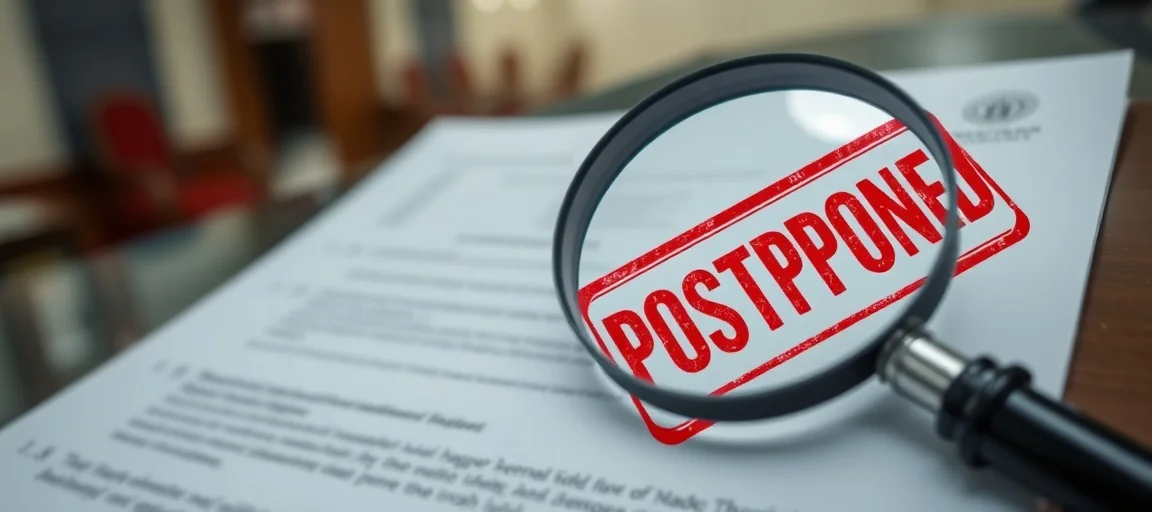
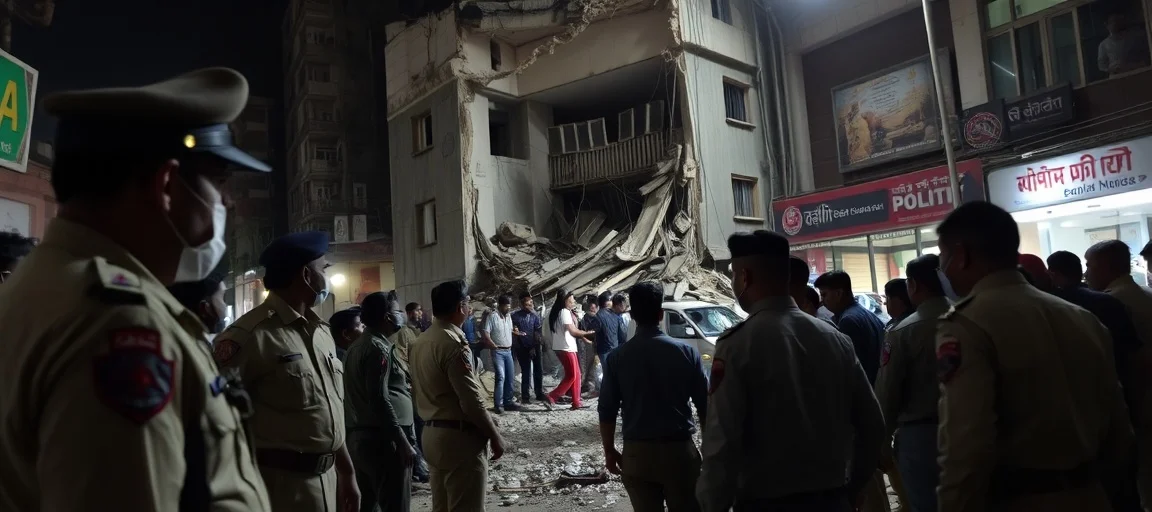
A recent scandal has sent shockwaves through the educational landscape of Maharashtra, India, as an insidious exam leak has compelled authorities to postpone the Teacher Eligibility Test (TET). This critical development, highlighting vulnerabilities in the examination system, particularly concerning the India: Exam Leak Forces Maharashtra TET Postponement, affects thousands of aspiring teachers across the state. The decision to defer the examination, initially scheduled to proceed, comes amidst a widening investigation into alleged malpractices and the integrity of the crucial teacher recruitment process, emphasizing the serious challenges faced by public examination bodies in safeguarding fairness and transparency.
- Understanding the Maharashtra TET and Its Significance
- The Unfolding Scandal: Details of the Exam Leak
- Impact on Aspiring Teachers and the Education System
- The Broader Implications of India: Exam Leak Forces Maharashtra TET Postponement
- Government Response and Future Measures
- The Broader Context: Exam Leaks in India
- Conclusion: Upholding Integrity in Public Examinations
- Frequently Asked Questions
- Further Reading & Resources
Understanding the Maharashtra TET and Its Significance
The Teacher Eligibility Test (TET) is a mandatory examination in India for candidates aspiring to become teachers in government and private schools. Designed to assess a candidate's aptitude and eligibility to teach at various levels, the TET plays a pivotal role in ensuring that only qualified individuals enter the teaching profession. In Maharashtra, the Maharashtra State Council of Examination (MSCE) is typically responsible for conducting the Maharashtra TET (MAHA TET). The certification obtained after successfully clearing the MAHA TET is essential for securing teaching positions within the state's vast education sector, making this examination a gateway for countless individuals seeking to build a career in education. The postponement, therefore, does not merely shift a date but impacts the career trajectory and immediate future of a significant demographic, potentially delaying the induction of new talent into the educational system.
The Role of MAHA TET in Teacher Recruitment
The MAHA TET is bifurcated into two papers: Paper I for candidates intending to teach classes 1 to 5, and Paper II for those aspiring to teach classes 6 to 8. Successful candidates receive a TET eligibility certificate, which is valid for a specified period, allowing them to apply for teaching vacancies across Maharashtra. The examination's integrity is paramount to upholding the quality of education, as it acts as the initial filter for entry into the teaching workforce. Any compromise to this process directly threatens the educational standards and the trust placed by the public in the examination system. A fair and transparent selection process ensures that only the most competent individuals are entrusted with shaping the minds of future generations, a responsibility that is critical for societal progress. The recent incident has thus brought into sharp focus the need for robust mechanisms to prevent such breaches and protect the sanctity of the teaching profession.
The Unfolding Scandal: Details of the Exam Leak
The decision to postpone the Maharashtra TET came after credible reports and ongoing investigations pointed to a significant leak of the examination paper. This breach of security fundamentally undermined the entire examination process, raising serious questions about the confidentiality and fairness of the test. The exact timing and methods of the leak are currently under intense scrutiny, with law enforcement agencies actively pursuing leads and making arrests. Early reports suggest that sensitive examination material was allegedly compromised and circulated through various digital and informal channels, potentially giving an unfair advantage to a select group of candidates and jeopardizing the merit-based system.
Initial Discovery and Investigative Actions
The irregularities surrounding the Maharashtra TET were first brought to light through intelligence reports and whistleblowers, prompting immediate action from state authorities. The Cyber Police, along with other specialized units, initiated a comprehensive investigation into the matter, focusing on digital trails and human intelligence. This swift response highlighted the government's commitment to tackling corruption within the examination system and its ability to mobilize resources effectively. The initial phase of the investigation reportedly uncovered a well-organized syndicate involved in the leak, indicating a broader network of individuals collaborating to exploit the system for financial gain, with estimates suggesting the leak may have reached hundreds of potential beneficiaries.
Arrests and Allegations
Several individuals, including high-ranking officials associated with the MSCE, have reportedly been arrested in connection with the leak. These arrests signal the seriousness with which the state government is approaching the issue and its determination to bring the perpetrators to justice. Among those apprehended were individuals believed to be key conspirators in the operation, facilitating the distribution of the leaked paper to aspiring candidates in exchange for substantial sums of money, sometimes running into lakhs of rupees. The allegations suggest a systematic compromise of the examination process from within, involving a chain of command that exploited existing vulnerabilities, making the subsequent investigations even more crucial to dismantle the entire network. The investigation continues to expand, with more arrests anticipated as new evidence emerges, including the tracing of funds and digital communications.
Impact on Aspiring Teachers and the Education System
The postponement of the Maharashtra TET has had a profound impact on thousands of aspiring teachers who had diligently prepared for the examination. Many candidates invest significant time, effort, and financial resources into their preparation, often relocating or taking leave from other commitments to focus exclusively on the test. The sudden deferment creates uncertainty, anxiety, and frustration among these individuals, disrupting their career plans and personal lives. Beyond the immediate inconvenience, the repeated instances of exam leaks erode faith in the public examination system, leading to widespread disillusionment and skepticism about the fairness of public employment processes.
Emotional and Financial Toll on Candidates
For many, the MAHA TET represents a crucial step towards a stable and respected career, offering a pathway to upward mobility and societal contribution. The postponement means a delay in their aspirations, potentially impacting their financial stability, mental well-being, and even leading to deferrals of personal milestones. Candidates often face additional expenses for coaching classes, study materials, and travel to examination centers, which are now effectively wasted or require renegotiation, adding to their economic burden. The psychological toll of preparing intensely for an exam only for it to be cancelled or postponed due to malpractices can be immense, leading to stress, demotivation, and a profound sense of injustice. Furthermore, some candidates may have reached the upper age limit for eligibility for certain teaching positions, making every attempt critical. Any delay due to such breaches adds immense pressure to their already challenging journey, potentially closing doors permanently for some deserving individuals.
Erosion of Public Trust
Beyond the immediate impact on candidates, such incidents severely undermine public trust in the education and governance systems. When examinations designed to be fair and transparent are compromised, it suggests a systemic failure that can have long-lasting consequences for the credibility of state institutions. Parents, students, and the wider community lose faith in the meritocracy, fearing that deserving candidates may be overlooked in favor of those who engage in unethical practices, perpetuating a cycle of unfairness. This erosion of trust can also deter talented individuals from pursuing careers in the public sector, including teaching, if they perceive the system to be inherently flawed or corrupt. The long-term implications for the quality of the teaching profession, and by extension, the quality of education imparted, are significant, as a demoralized and distrustful workforce may struggle to deliver optimal results.
The Broader Implications of India: Exam Leak Forces Maharashtra TET Postponement
The incident involving the India: Exam Leak Forces Maharashtra TET Postponement extends beyond just the immediate disruption; it carries significant broader implications for the future of public examinations and governance in the country. This event serves as a stark reminder of the persistent vulnerabilities within large-scale assessment systems and the constant need for vigilance against organized crime targeting these crucial gateways to public service. The repeated nature of such leaks across various states and examinations indicates a systemic issue that demands a comprehensive national strategy rather than isolated, reactive measures. It highlights the intricate challenge of balancing accessibility with security, especially in a nation with a vast and diverse candidate pool. The reputational damage to state-run examination bodies, and by extension, to the government's ability to ensure fair public employment, is substantial, making the implementation of robust, long-term solutions an imperative.
Government Response and Future Measures
In the wake of the exam leak, the Maharashtra government has reiterated its unwavering commitment to ensuring the integrity of all public examinations. The postponement of the TET is a direct and necessary measure to uphold fairness and provide a level playing field for all candidates. Furthermore, the state authorities have indicated that they are reviewing existing protocols and actively implementing stricter, more advanced measures to prevent similar incidents in the future, aiming for a more resilient and impenetrable examination system.
Review of Examination Protocols
The government has initiated a comprehensive review of the entire examination process, from the highly sensitive stages of paper setting, printing, and secure storage to meticulous distribution and invigilation at examination centers. This includes evaluating the security measures at every single stage and identifying potential vulnerabilities that could be exploited by malicious actors. Experts in cybersecurity, logistics, and data forensics are being consulted to recommend advanced technological solutions, such as enhanced digital security features for online components, robust GPS-tracked transportation systems for physical papers, and advanced monitoring systems leveraging AI for invigilation, to safeguard confidential examination material. The overarching goal is to create a multi-layered, end-to-end security framework that is difficult to breach and ensures absolute integrity throughout the examination cycle.
Strengthening Legal Frameworks and Punitive Action
There is a strong push to strengthen the legal framework surrounding exam malpractices, with calls for more stringent penalties for those found guilty of involvement in leaks, paper selling, and other irregularities. The aim is to create a powerful deterrent against such criminal activities by increasing the financial and custodial consequences. The current investigations are expected to result in severe punitive actions against all individuals implicated, sending a clear and unequivocal message that such acts will not be tolerated and will be met with the full force of the law. This includes not only those who leak the papers but also those who purchase, facilitate their distribution, or operate as part of the broader syndicate. The government is exploring options for fast-tracking trials related to exam scams to ensure timely justice, restore public confidence, and prevent prolonged legal battles that often frustrate victims.
The Broader Context: Exam Leaks in India
Unfortunately, exam leaks are not an isolated phenomenon in Maharashtra or even India. The country has witnessed numerous instances of examination papers being compromised across various states and for different competitive exams, from police recruitment tests to medical entrance examinations. This recurring problem highlights a deep-seated systemic challenge that requires a multi-pronged approach involving legislative reforms, technological advancements, increased accountability, and a strong commitment to ethical governance at all levels. From state public service commission exams to national entrance tests, the issue of leaks has plagued the integrity of examinations, causing widespread frustration and leading to persistent calls for urgent and fundamental reform.
Reasons Behind Recurring Leaks
Several factors contribute to the recurring problem of exam leaks in India. These often include:
- Weak Security Protocols: Inadequate security measures at printing presses, storage facilities, and during transportation of exam papers create opportunities for breaches that can be easily exploited by organized groups.
- Insider Involvement: A significant number of leaks often involve individuals with access to sensitive information within the examination conducting bodies, indicating a pervasive need for stricter internal vigilance, background checks, and higher accountability among staff.
- Technological Vulnerabilities: The increasing reliance on digital platforms for various stages of examinations also introduces new avenues for cyber-attacks, hacking, and data breaches if not adequately secured with state-of-the-art encryption and cybersecurity protocols.
- High Stakes: The immense competition for a limited number of coveted government jobs and higher education seats, coupled with economic pressures, creates a lucrative underground market for those willing to pay exorbitant sums for leaked papers, fueling criminal enterprises.
- Organized Crime Syndicates: Sophisticated networks of individuals operate specifically to orchestrate these leaks, often using advanced methods to bypass security, corrupt officials, and distribute papers effectively across a wide network.
Calls for Comprehensive Reform
The repeated occurrences of such incidents have led to persistent calls from students, educators, and civil society for comprehensive reforms in the examination system. These reforms include greater transparency in the conduct of exams, the use of advanced forensic techniques to detect malpractices, and the establishment of independent oversight bodies to monitor the integrity of the entire process, free from political interference. There is a growing consensus that simply postponing exams is not a sustainable solution; rather, it requires a fundamental overhaul of how these crucial tests are managed and secured, embracing innovation while maintaining robust human oversight.
Conclusion: Upholding Integrity in Public Examinations
The postponement of the Maharashtra TET due to an exam leak serves as a stark reminder of the persistent challenges faced by India's public examination system. While the immediate action of deferring the test is a necessary step to uphold fairness, the incident underscores the urgent need for a more robust and foolproof mechanism to prevent such occurrences in the future. The ongoing investigation and the promise of stricter measures by the Maharashtra government are crucial steps towards restoring confidence. Ensuring the integrity of examinations like the Maharashtra TET is not merely about protecting the aspirations of individual candidates; it is about safeguarding the very foundation of an equitable society, a merit-based system, and the overall quality of governance. The entire nation watches as authorities work diligently to resolve this issue and implement lasting solutions to prevent future instances where an India: Exam Leak Forces Maharashtra TET Postponement. The path forward requires continuous vigilance, adaptive technological advancements, and an unwavering commitment to ethical practices to ensure that all deserving candidates are given a truly fair chance to succeed and contribute to the nation's progress.
Frequently Asked Questions
Q: Why was the Maharashtra TET postponed?
A: The Maharashtra Teacher Eligibility Test (TET) was postponed due to credible reports and ongoing investigations into a significant exam paper leak. This measure was taken by authorities to uphold the integrity and fairness of the examination process for all candidates.
Q: Who is affected by this postponement?
A: Thousands of aspiring teachers who had diligently prepared for the MAHA TET are directly affected. The delay impacts their career plans, financial situation, and causes significant emotional stress, disrupting their path to employment and professional growth.
Q: What steps are the government taking to prevent future leaks?
A: The Maharashtra government is reviewing existing examination protocols, enhancing security measures, consulting experts for advanced technological solutions, and strengthening legal frameworks with more stringent penalties for perpetrators involved in exam malpractices.