Europe Adopts Tougher Stance on Migration & Asylum: A New Era

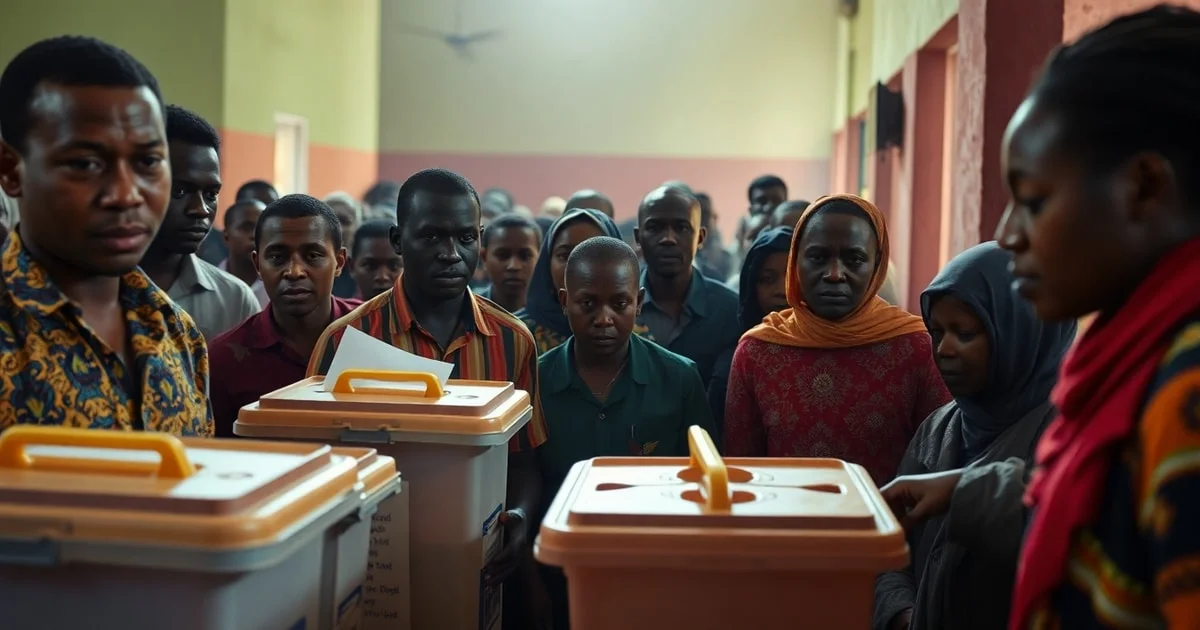
The European Union is embarking on a new chapter, as Europe adopts a tougher stance on migration and asylum with the official adoption of a comprehensive set of reforms known as the New Pact on Migration and Asylum. This pivotal agreement, set to take effect in June 2026, signals a significant shift towards more stringent border controls, accelerated asylum procedures, and a revised system of responsibility-sharing among member states. The move reflects a growing political will within Europe to address perceived challenges of irregular migration and enhance the security of its external borders. This new era of policy aims to create a more consistent and effective European asylum system, ensuring that those in need of protection receive it, while facilitating the swifter return of individuals who do not qualify for asylum.
- Background Context: A Continent Grappling with Migration Challenges
- The New Pact on Migration and Asylum: Key Legislative Shifts
- Reasons for the Shift: Public Opinion and Political Pressures
- Member State Reactions and Divisions
- Humanitarian Concerns and Criticism
- Broader Geopolitical Implications
- Europe Adopts Tougher Stance on Migration & Asylum: The Road Ahead
- Conclusion
- Frequently Asked Questions
- Further Reading & Resources
Background Context: A Continent Grappling with Migration Challenges
For decades, Europe has been a primary destination for migrants and asylum seekers from various parts of the world, driven by factors such as conflict, persecution, economic hardship, and climate change in their home countries. The continent has experienced several significant migratory waves, most notably in 2015, which saw over a million refugees arrive, many fleeing the Syrian civil war. This influx exposed deep divisions among EU member states regarding responsibility-sharing and the effectiveness of existing asylum frameworks, particularly the "Dublin rules" which largely place the onus on the country of first entry.
The pressure on frontline states like Greece, Italy, and Spain has been immense, leading to overcrowded reception centers and humanitarian challenges. In response, national governments often implemented ad hoc measures to fortify their borders and restrict access to their asylum systems, creating a fragmented and often inconsistent patchwork of policies across the EU. The public discourse surrounding migration has also become increasingly securitized, influenced by the rise of far-right political movements across Europe that advocate for stricter immigration policies. These hardening views and the fatigue of voters following previous waves of migration have been cited by European officials as key drivers for the push towards new, tougher rules. The desire to restore public trust in the EU's capacity to manage migration effectively has been a central motivation for the latest reforms.
The New Pact on Migration and Asylum: Key Legislative Shifts
The New Pact on Migration and Asylum, initially proposed by the European Commission in September 2020, reached a political agreement in December 2023 and passed the European Parliament on April 10, 2024, with final approval by the Council of the European Union on May 14, 2024. It is set to apply fully from June 12, 2026, marking the culmination of years of arduous negotiations aimed at overhauling the EU's migration and asylum framework. The Pact introduces a series of interconnected legislative acts designed to strengthen external border protection, establish fairer and firmer asylum rules, and balance solidarity with responsibility among member states.
The core objective is to manage and normalize migration for the long term, providing EU countries with the flexibility to address their specific challenges while safeguarding the rights of individuals in need of protection. However, critics argue that the Pact primarily focuses on deterring irregular arrivals and accelerating returns, potentially at the expense of human rights and protection standards.
Enhanced Border Procedures
A central pillar of the new Pact is the introduction of stricter and more efficient procedures at the EU's external borders. All irregular migrants entering the EU will undergo identity, health, and security checks, including biometric readings, within seven days. This information will be stored in an enhanced Eurodac database, which will become a comprehensive asylum and migration database.
A mandatory border procedure will apply to asylum applicants who are deemed unlikely to need protection, mislead authorities, or pose a security risk. During this procedure, which is intended to be fast-tracked, applicants will be screened and detained at the border for up to 12 weeks, and will not be authorized to enter the territory of the Member State. If their application is rejected, they can then be transferred to a return border procedure, also with a maximum duration of 12 weeks. This approach aims to keep asylum seekers at the borders with their applications examined swiftly, preventing secondary movements within the EU. Member states are required to designate specific locations for these border procedures and must notify the European Commission by April 2026.
Mandatory but Flexible Solidarity Mechanism
The Pact seeks to address the long-standing imbalance in the EU asylum system, where frontline states bore a disproportionate burden of asylum applications due to the "country of first arrival" principle. A new mandatory but flexible solidarity mechanism has been introduced as part of the Asylum and Migration Management Regulation (AMMR).
Under this mechanism, EU countries facing significant migratory pressure can receive support from other member states. This support can take various forms:
- Relocation of Asylum Seekers: Other EU countries can choose to take over asylum seekers and process their applications. This involves transferring applicants from the Mediterranean frontline states to other host countries.
- Financial Contributions: Alternatively, member states can make financial contributions to the receiving countries, providing 20,000 Euros for every migrant they do not accept. These funds can be used for improving reception conditions or building detention centers.
- Operational Support: Member states can also provide operational assistance, such as personnel or equipment for procedures and reception centers.
While termed "mandatory," the mechanism offers flexibility, allowing countries to choose their form of contribution. This "flexible solidarity" aims to ensure that no EU country is left alone under pressure. However, critics, including human rights organizations, express skepticism that this mechanism will lead to a truly equitable distribution of asylum seekers, fearing that financial contributions will be prioritized over relocation. The success of this mechanism relies heavily on the genuine willingness of member states to show solidarity.
More Efficient Returns Policy
A key objective of the tougher stance on migration and asylum is to ensure the effective, humane, and dignified return of those without a right to stay in the EU. The EU's policy aims to combine stronger structures within the EU with more effective cooperation with third countries on return, readmission, and reintegration.
The new Return Regulation, adopted by the European Parliament's Civil Liberties (LIBE) Committee in March 2026, aims to replace the outdated 2008 Returns Directive with a more operational framework. It introduces tougher return rules, including:
- Clearer Detention Rules: Stricter provisions for the detention of individuals awaiting return.
- Obligations for Returnees: Stronger obligations for migrants to cooperate with return procedures, with consequences for non-cooperation.
- Return Hubs in Third Countries: The possibility of establishing "return hubs" in third countries, allowing for the deportation of rejected asylum seekers to nations they may not have a direct connection with.
- Entry Bans: More effective enforcement mechanisms, including entry bans for individuals who pose a threat to public security or refuse to leave.
The Commission's proposal for swifter, simpler, and more effective return procedures includes common procedures for return decisions and a European Return Order. These measures are intended to close the gap between a return decision and actual return, enhancing the credibility of the overall migration policy.
Reasons for the Shift: Public Opinion and Political Pressures
The shift towards a tougher stance on migration and asylum is multifaceted, primarily driven by evolving public opinion and significant political pressures across the European Union. High numbers of asylum seekers, including those from countries considered "safe," have contributed to voter fatigue and a hardening of attitudes. Many Europeans, grappling with their own economic strains, feel increasingly concerned about migration, making it a central issue in national and European elections.
The rise of far-right parties with strong anti-immigration platforms has significantly influenced mainstream political discourse. To counter the appeal of these parties and reassure their electorates, mainstream political leaders and parties have increasingly adopted more restrictive approaches to migration. Italian Interior Minister Matteo Piantedosi, for example, hailed the new Pact as a shift from "ideology-based emergency management" to one rooted in "common rules, border control and shared responsibilities". This indicates a political desire to demonstrate control and order in migration management.
Furthermore, attempts by some governments and non-state actors to instrumentalize migration waves to destabilize EU countries have reinforced the emphasis on border security and control. The EU views a firm and fair return policy as crucial for strengthening citizens' trust in its capacity to manage migration. The narrative often focuses on "irregular migrants" and the need to distinguish them from those genuinely in need of protection, though this distinction is often criticized by humanitarian groups.
Member State Reactions and Divisions
While the New Pact on Migration and Asylum was ultimately agreed upon, it did not garner unanimous support, highlighting persistent divisions among member states. The agreement passed the European Parliament with narrow margins on some provisions, and the Council of the European Union saw Hungary and Poland vote against it. These countries have historically expressed strong opposition to mandatory relocation schemes and have adopted particularly restrictive national migration policies.
In September 2024, the Netherlands and Hungary requested to opt out of the Pact, while France indicated openness to renegotiating its contents. In February 2025, Poland's Prime Minister Tusk stated that Poland would not implement the Pact, citing the large number of Ukrainian refugees the country had accepted. This ongoing resistance underscores the difficulty in achieving true "mandatory solidarity," as some member states remain reluctant to accept asylum seekers or contribute financially.
Conversely, frontline states, which have historically borne the brunt of arrivals, have pushed for greater burden-sharing. While the Pact introduces mechanisms for solidarity, concerns remain that it might not sufficiently alleviate the pressure on these countries. Some critics argue that the new mechanisms, by keeping the "country of first arrival" principle largely intact, could still disproportionately burden states at the EU's external borders. As of May 2026, many member states have made significant progress in adapting their national legislation and setting up the necessary infrastructure for the Pact's implementation, though readiness still varies.
Humanitarian Concerns and Criticism
The adoption of Europe's tougher stance on migration & asylum, while hailed by some as a necessary step towards better management, has drawn significant criticism from human rights organizations, NGOs, and legal experts. Many fear that the Pact will lead to increased border containment, reduced safeguards for asylum seekers, and a potential erosion of fundamental rights.
Several key concerns have been raised:
-
Erosion of Asylum Rights: Critics argue that the Pact's focus on accelerated border procedures and rapid returns risks undermining the right to asylum and the principle of non-refoulement, which prohibits returning individuals to countries where they face persecution. Accelerated procedures may lead to inadequate assessment of individual cases, limited access to legal advice, and insufficient consideration of vulnerabilities.
-
Increased Detention: The provision for screening and detention at borders for up to 12 weeks, with potential extensions, raises concerns about the expansion of harmful detention practices, including for vulnerable individuals and families. The legal fiction that asylum seekers are not "on EU soil" during border procedures could further deny them access to rights and services.
-
Externalization of Migration Control: The Pact promotes stronger cooperation with third countries on migration management, including readmission agreements and support for tighter border controls in these nations. While intended to prevent irregular departures, this approach raises concerns about outsourcing responsibility to countries with questionable human rights records and potentially disregarding human rights in those contexts.
-
"Safe Country" Concept: The expanded concept of "safe third country" or "safe country of origin" as grounds for inadmissibility could lead to asylum applications being rejected without a comprehensive assessment of individual persecution, even if applicants face risks in those countries.
-
Impact on Vulnerable Groups: Children as young as six years old could be fingerprinted under the new rules. Concerns have also been raised about the protection of unaccompanied minors and other vulnerable asylum seekers within the accelerated procedures.
-
"Flexible Solidarity" Limitations: Human Rights Watch notes that the "solidarity mechanism" may allow states to refuse to relocate people and instead pay for border infrastructure, potentially incentivizing border fences and surveillance over genuine burden-sharing.
Organizations like HIAS and Human Rights Watch have stated that the reforms, despite being framed as a comprehensive overhaul, primarily focus on deterrence and may lead to a deterioration of conditions for migrants and asylum seekers. FEANTSA, a European NGO, warns that the current approach will lead to increased detention, decreased safeguards, and a focus on returns at the expense of a system based on shared responsibility.
Broader Geopolitical Implications
The EU's tougher stance on migration and asylum also carries significant geopolitical implications, affecting its relationships with countries of origin and transit, as well as its standing on the global stage. The emphasis on preventing irregular departures and fighting migrant smuggling necessitates strengthened capacities of border management authorities in priority partner countries. This involves dedicated anti-smuggling operational partnerships and cooperation on readmission agreements. For example, a Memorandum of Understanding was signed with Tunisia in 2023 to strengthen border-control capacity and counter smuggling.
While these partnerships aim to stabilize regions and address root causes of migration, they have also been criticized for potentially externalizing EU border control and human rights responsibilities to non-EU nations, some of which have weak protection policies. This approach could undermine the EU's normative position as a defender of human rights if partner countries do not uphold international standards.
The EU's increased focus on securing external borders and deterring arrivals also sends a strong message to the international community. While the EU maintains its commitment to international conventions on asylum and human rights, the operationalization of the Pact may be perceived as prioritizing security over protection. This could potentially influence global migration governance and the approaches taken by other major destination regions. The current geopolitical context, with increasing global displacement, means that the EU's policies have far-reaching effects on the lives of millions.
Europe Adopts Tougher Stance on Migration & Asylum: The Road Ahead
The full application of the New Pact on Migration and Asylum in June 2026 marks a significant inflection point, as Europe adopts a tougher stance on migration and asylum. However, the journey ahead is fraught with challenges, complexities, and ongoing debates regarding its practical implementation and long-term impact. The European Commission acknowledges that continuous efforts will be needed well beyond June to fully operationalize the Pact.
One of the primary hurdles will be ensuring consistent implementation across all 27 member states, given the varying levels of national readiness and political will. The Pact demands new screening facilities, biometric systems, trained personnel, and harmonized national action plans, all within short deadlines. Disparities in implementation could lead to legal challenges and domestic grievances, which populist movements might exploit.
The effectiveness of the "flexible solidarity" mechanism remains a critical unknown. Whether member states will genuinely step up to relocate asylum seekers or primarily opt for financial contributions will determine if the burden on frontline countries is truly alleviated. Furthermore, the monitoring mechanisms designed to ensure fundamental rights compliance during the accelerated border procedures will need to be robust, independent, and well-resourced to prevent abuses. The fear among civil society organizations is that the drive to be "tough" on migration could lead to a "race to the bottom" in terms of reception conditions and procedural guarantees.
Ultimately, the success of this new framework will be measured not only by its ability to control irregular migration but also by its adherence to European values and international human rights obligations. The balance between firm control and fair treatment for those seeking protection will define Europe's migration policy for years to come.
Conclusion
The European Union's New Pact on Migration and Asylum represents a monumental overhaul of its approach to managing migratory flows, embodying a significantly tougher stance on migration and asylum. Set to come into full effect in June 2026, this comprehensive legislative package introduces accelerated border screening, mandatory detention for certain asylum seekers, a "flexible solidarity" mechanism for burden-sharing, and more efficient return procedures for those deemed ineligible for protection. While proponents view these reforms as essential to restore order, enhance security, and ensure fair processes, the Pact has ignited considerable debate. Critics, including humanitarian organizations, warn of potential risks to fundamental human rights, including the right to asylum, and express concerns about increased detention and the externalization of responsibilities. The successful implementation of these complex reforms will hinge on the sustained commitment of member states, their adherence to fundamental rights, and the EU's ability to navigate the geopolitical complexities of global migration while upholding its stated values. The future trajectory of migration and asylum within Europe will undoubtedly be shaped by this ambitious, and controversial, new framework.
Frequently Asked Questions
Q: What is the EU's New Pact on Migration and Asylum?
A: It's a comprehensive set of reforms adopted by the EU, set to take effect in June 2026. It aims to create a more consistent and effective European asylum system with stricter border controls and new responsibility-sharing mechanisms.
Q: What are the main changes introduced by the Pact?
A: Key changes include accelerated border procedures for asylum seekers, a "mandatory but flexible solidarity mechanism" for burden-sharing among member states, and more efficient return policies for those without a right to stay.
Q: Why has the New Pact received criticism?
A: Critics, including human rights organizations, argue it risks eroding asylum rights, increasing detention, and externalizing migration control, potentially at the expense of human rights and protection standards.