Euro Final 2024: All You Need to Know About the Championship
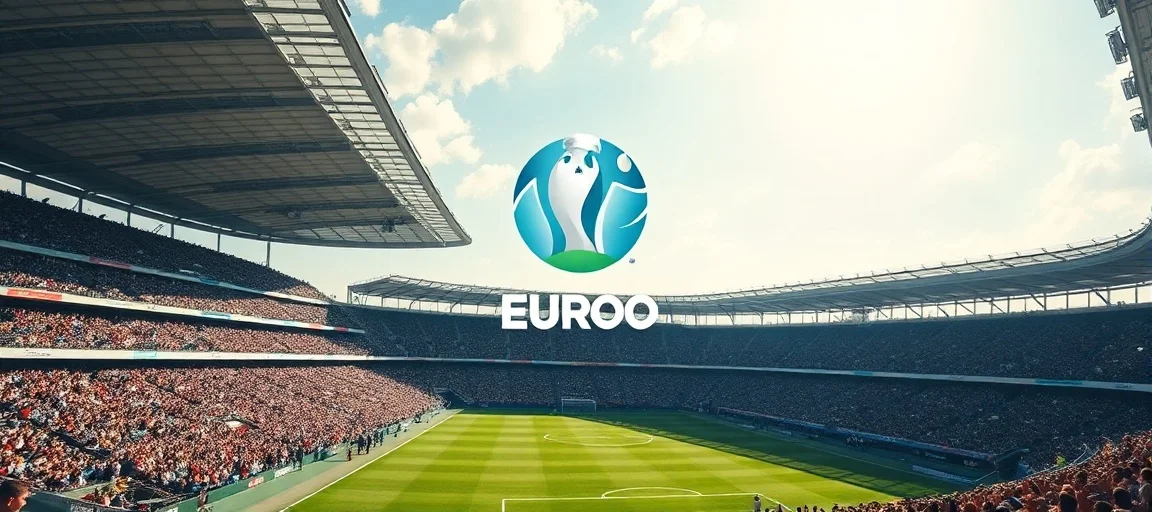
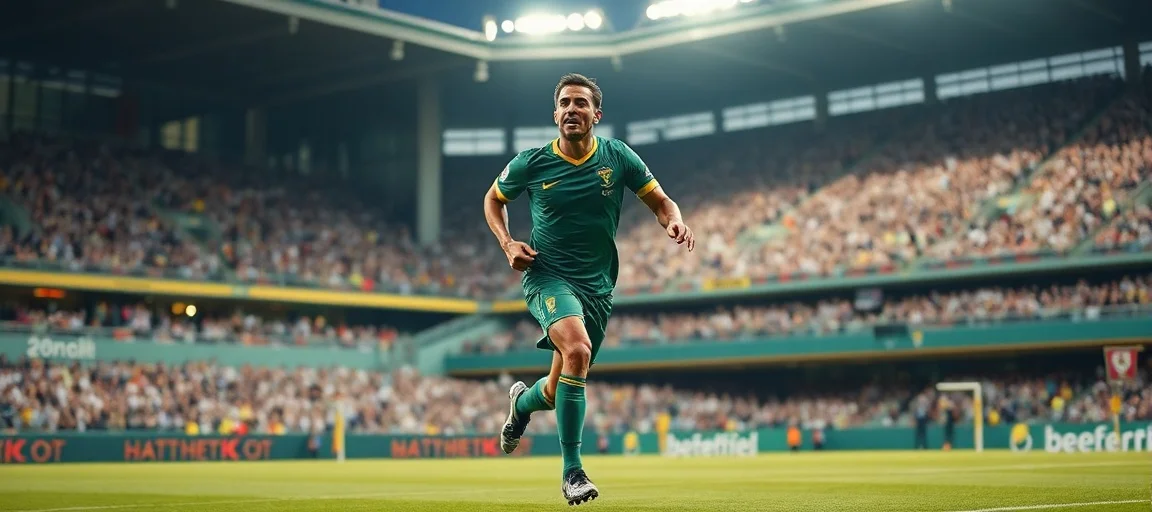
As the tournament reaches its thrilling climax, here is everything you need to know about the upcoming Euro Final 2024 championship match. The Euro Final is one of the most highly anticipated events in the world of football, bringing together the best national teams from across Europe to compete for the coveted championship title. The UEFA European Football Championship, commonly referred to as the Euros, has a rich history dating back to 1960 and has consistently delivered thrilling matches, memorable moments, and exceptional football talent. As national pride takes center stage, global audiences prepare for an unforgettable showcase of strategic brilliance and physical athleticism on the pitch.
- Historical Evolution of the Tournament
- Key Logistics and Venue Profiles for Euro 2024
- Anticipation Surrounding the Euro Final
- Technical and Tactical Trends in Modern Football
- Contender Analysis and Squad Previews
- Economic and Cultural Footprint of the Championship
- Conclusion
- Frequently Asked Questions
- Further Reading & Resources
Historical Evolution of the Tournament
The UEFA European Football Championship has undergone significant changes since its inception in 1960. The tournament began as a modest four-team competition in France, where the Soviet Union emerged victorious. Over the decades, the tournament expanded to accommodate the growing number of European football associations and the rising popularity of the sport. In 1980, the competition expanded to eight teams, introducing a structured group stage that added tactical complexity and drama. By 1996, sixteen nations participated, reflecting the geopolitical changes in Europe and the emergence of new independent states.
The modern era of the competition began with the 2016 tournament in France, which expanded the roster to 24 teams. This expansion democratized the tournament, allowing smaller nations such as Iceland and Wales to showcase their talents on the big stage, delivering unforgettable underdog stories. This format maintains high stakes, as the top two teams from six groups, along with the four best third-placed teams, progress to the knockout phase, ensuring that every group match remains highly competitive and crucial for qualification.
Key Logistics and Venue Profiles for Euro 2024
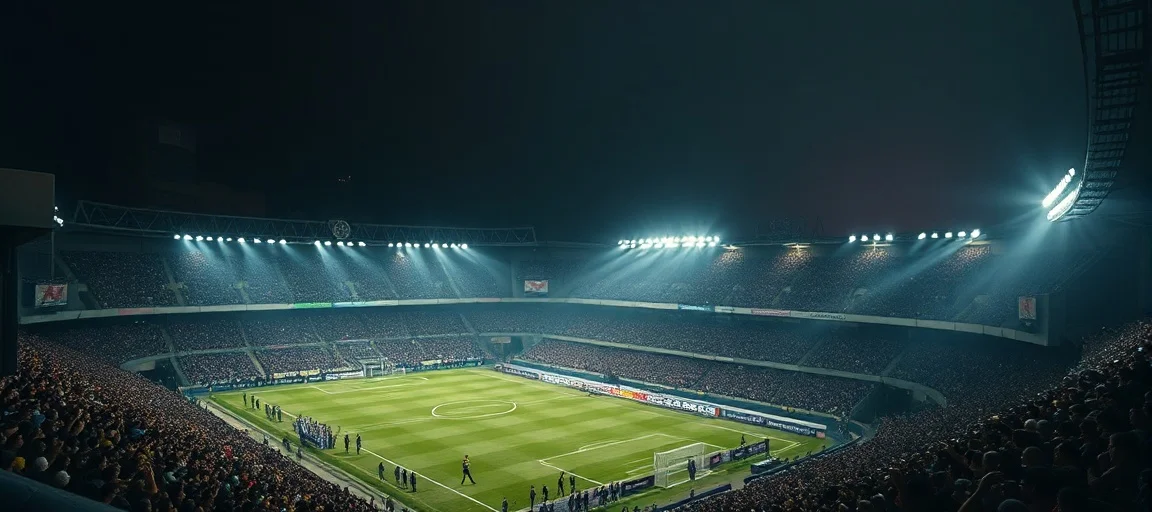
The hosting of the 2024 tournament falls to Germany, a nation with a rich footballing heritage and world-class sporting infrastructure. Matches are distributed across ten host cities, ensuring that fans from different regions can experience the electric atmosphere. The selected cities represent the cultural and geographical diversity of Germany, featuring stadiums known for their historical significance and technological advancements.
The key host cities and their representative stadiums include:
- Berlin: The Olympiastadion, a venue with a seating capacity of over 70,000, is slated to host the most prestigious fixture of the competition.
- Munich: The Allianz Arena, home to Bayern Munich, features a modern color-changing exterior and offers state-of-the-art facilities for fans and media.
- Dortmund: The Signal Iduna Park, renowned for its passionate atmosphere, provides a vibrant backdrop for high-intensity knockout matches.
- Stuttgart: The MHPArena combines historical charm with modern renovations to offer an optimal viewing experience.
Germany's experience in hosting major sporting events, including the 2006 FIFA World Cup, ensures that transport networks, accommodation facilities, and stadium safety protocols operate at maximum efficiency. This detailed logistical preparation guarantees a seamless experience for traveling international supporters and competing squads alike.
Anticipation Surrounding the Euro Final
The global sports media landscape experiences a massive surge in engagement as the tournament approaches the final match. The Euro Final represents more than just a football match; it is a cultural phenomenon that attracts hundreds of millions of viewers worldwide. Broadcasters allocate extensive resources to cover every narrative angle, from player fitness updates to tactical retrospectives.
The expectation of who will reach the ultimate stage drives intense debates among analysts, former players, and fans. Traditional powerhouses seek to cement their historical dominance, while rising nations attempt to disrupt the established order. This dynamic creates high drama, as individual players understand that their performance in this single match can define their career legacies. The pressure is immense, and the margin for error is virtually non-existent, making the final game a masterclass in psychological resilience and tactical execution.
In addition to traditional television broadcasts, digital streaming platforms and social media networks amplify the reach of the event. Real-time statistics, fan-generated content, and interactive polls keep the global audience engaged, creating a shared experience that transcends geographical boundaries and unifies fans under a shared passion for the beautiful game.
Technical and Tactical Trends in Modern Football
The tactical frameworks observed in recent European championships reflect wider trends in domestic club football. Coaches increasingly prioritize structural flexibility, expecting players to adapt to multiple formations within a single game. The reliance on traditional, rigid positions has given way to fluid systems where wingbacks act as playmakers and midfielders drop deep to form defensive blocks.
Key tactical observations include:
- High Pressing and Counter-Pressing: Teams attempt to win possession deep in the opponent's half to create immediate scoring opportunities.
- Low Block Defensive Systems: Underdog nations often employ compact defensive shapes, challenging possession-dominant teams to break them down.
- The Role of Inverted Wingers: Modern attacking systems utilize wingers who cut inside to shoot, creating space for overlapping fullbacks.
- Data-Driven Adjustments: Coaching staffs utilize real-time analytical data during halftime to alter passing channels and defensive positioning.
This tactical evolution makes matches highly chess-like, with managers engaging in intellectual battles from the touchline. The ability of a squad to transition seamlessly from a compact defensive structure to a rapid counter-attack often determines the outcome of tight matches, especially during the high-pressure environment of the knockout rounds.
Contender Analysis and Squad Previews
Several nations enter the competition with rosters capable of reaching the final. The depth of talent in European football ensures that multiple teams have legitimate claims to the championship trophy, making predicting the final outcome extremely challenging.
France: Led by an experienced coaching staff and featuring a blend of explosive speed and physical power, France remains a constant threat. Their squad depth allows them to absorb injuries and tactical setbacks without a drop in performance quality.
Germany: As the host nation, Germany benefits from immense home support and a roster featuring experienced veterans and creative young talents. Their historic tournament pedigree makes them formidable competitors in pressure-packed situations.
Spain: Known for their possession-based philosophy, Spain focuses on controlling the tempo of the game through precise passing and technical mastery. Their ability to dominate midfield battles makes them hard to break down.
England: Boasting some of the most prolific goalscorers in domestic leagues, England possesses the attacking options to challenge any defense. Their focus is on translating individual club success into a cohesive national unit.
Each team brings a unique philosophy to the pitch, setting up fascinating contrasts in style when these giants collide in the tournament's advanced stages.
Economic and Cultural Footprint of the Championship
The influence of the tournament extends far beyond sports, acting as a major catalyst for economic activity and international diplomacy. Host countries invest heavily in public infrastructure, upgrading transport links, renovating public spaces, and boosting security systems. This capital investment yields long-term benefits, improving the quality of life for residents long after the final whistle.
The economic benefits include:
- Tourism Influx: Hundreds of thousands of international visitors travel to the host nation, generating revenue for hospitality, transport, and retail sectors.
- Global Broadcasting Revenue: Media rights generate substantial funds, which are reinvested into grassroots football development projects across Europe.
- Commercial Partnerships: Global brands leverage the tournament's massive reach to launch international marketing campaigns, driving consumer engagement.
Culturally, the event fosters international unity and mutual respect. Fan zones set up in host cities allow supporters from diverse backgrounds to gather, celebrate, and share their cultural heritages, demonstrating the unique power of football to bridge societal divisions.
Conclusion
Ultimately, the tournament serves as the ultimate test of athletic endurance and tactical mastery. As the global audience watches the competition unfold, the excitement will culminate in the final match, where history will be written. Fans can expect an unforgettable spectacle of sportsmanship, tactical innovation, and competitive spirit. As the anticipation builds for the final match, the world prepares to witness which nation will rise above the rest to claim victory in the Euro Final.
Frequently Asked Questions
Q: When and where will the Euro Final 2024 take place?
A: The Euro Final 2024 is scheduled to take place on July 14, 2024. The high-profile match will be hosted at the historic Olympiastadion in Berlin, Germany.
Q: Which teams are favored to win the Euro Final 2024?
A: Top contenders for the tournament include traditional powerhouse nations such as France, Germany, Spain, and England, each boasting highly talented rosters.
Q: How many teams compete in the UEFA Euro tournament?
A: A total of 24 European national teams qualify and compete in the group stage of the tournament, representing the continent's finest footballing talent.