Euro Culture Shaping Europe: Traditions, Festivals, and Lifestyle
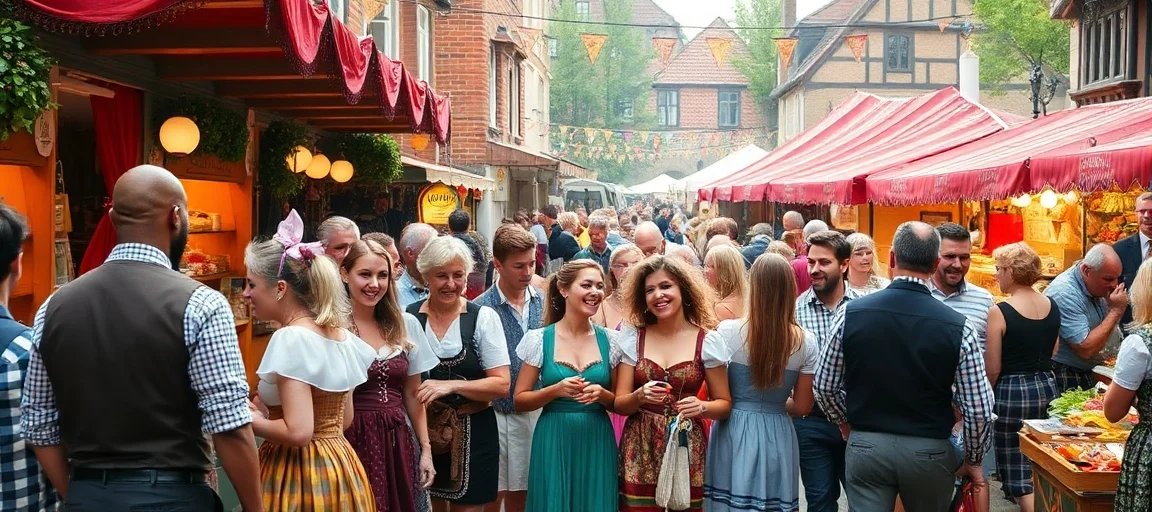
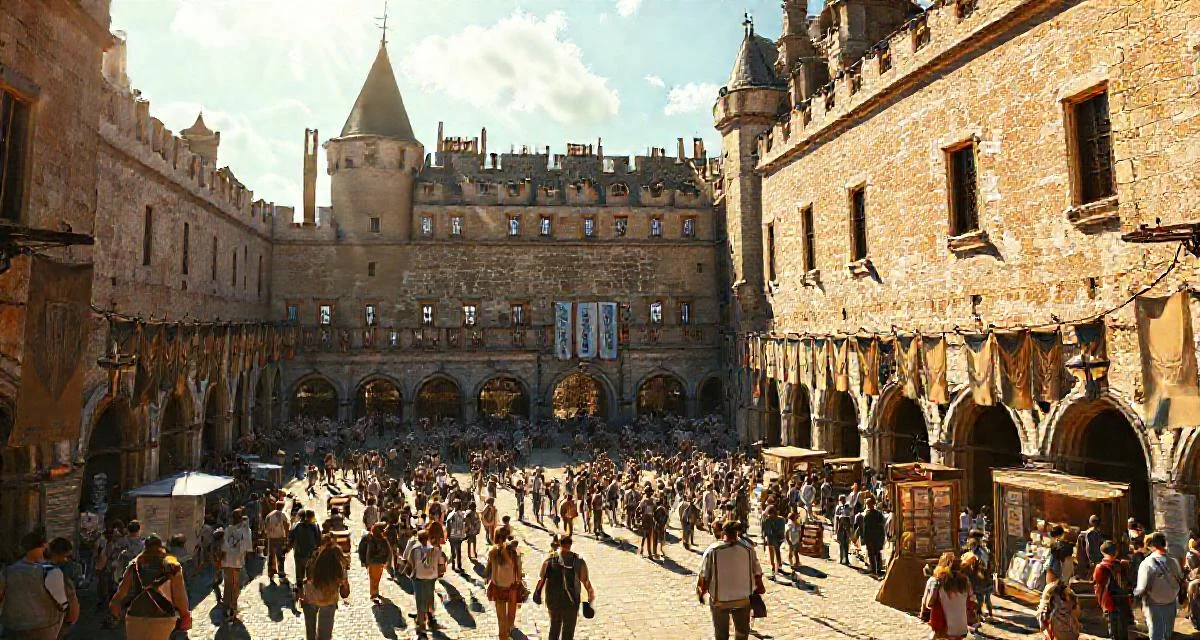
The concept of Euro culture plays a crucial role in shaping the diverse landscape of modern Europe, weaving together ancient traditions, vibrant festivals, and a unique lifestyle built on community and artistic heritage. From the sun-drenched plazas of Southern Europe to the cozy, snow-laden villages of the Nordic regions, Euro culture represents a dynamic mosaic of history, language, and art. It is not a singular, monolithic identity but rather a rich tapestry of localized customs that share a common historical foundation. Understanding these diverse yet interconnected elements provides valuable insight into the values that guide contemporary European society today.
- The Evolution and Roots of Euro Culture
- Regional Traditions Across the Continent
- The Role of Festivals in Euro Culture
- Contemporary Lifestyles and Social Values
- Preserving Cultural Heritage in a Globalized World
- Expert Perspectives on European Heritage
- Embracing the Spirit of Euro Culture
- Frequently Asked Questions
- Further Reading & Resources
The Evolution and Roots of Euro Culture
The roots of Euro culture run deep, stretching back to the classical civilizations of ancient Greece and Rome. These early empires laid the foundational principles of democracy, philosophy, mathematics, and legal frameworks that continue to influence European governance and intellectual discourse. The fall of Rome gave rise to the Middle Ages, an era dominated by feudalism and the spread of Christianity, which established a shared cultural and religious infrastructure across the continent. This shared narrative evolved rapidly during the Renaissance, a period of unprecedented artistic, scientific, and literary revival. The masterpieces of Leonardo da Vinci, the plays of William Shakespeare, and the astronomical discoveries of Galileo Galilei crossed borders, establishing a transnational intellectual elite and fostering a unified European consciousness.
As Europe moved into the Enlightenment and the subsequent Industrial Revolution, the focus shifted toward secularism, human rights, and rapid urbanization. The rise of industrial cities created new social dynamics, giving birth to a distinct working-class culture and accelerating the development of public spaces, parks, and theaters. Today, Euro culture stands as a product of this intricate history—balancing a deep respect for historical preservation with a forward-looking commitment to innovation, human rights, and multiculturalism.
Regional Traditions Across the Continent
European traditions are highly diverse, reflecting the distinct climates, languages, and histories of each region. These customs are not merely historical relics; they are living practices that continue to define daily life and foster a sense of belonging.
Gastronomy and the Culinary Arts
Food is a central pillar of Euro culture, often serving as a medium for social bonding and cultural pride. In France, gastronomy is treated with such reverence that the "gastronomic meal of the French" is inscribed on the UNESCO Representative List of the Intangible Cultural Heritage of Humanity. This tradition emphasizes the pleasure of togetherness, the art of pairing food with wine, and the preservation of artisanal cooking techniques. Similarly, Italy's culinary traditions prioritize fresh, locally sourced ingredients and family-centric dining experiences, where meals are celebrated as multi-hour rituals rather than simple sustenance.
Southern European Rhythms: Siesta and Passeggiata
In Mediterranean countries like Spain, Italy, and Greece, the daily rhythm is heavily influenced by the climate. The "siesta," a mid-afternoon break designed to avoid the hottest hours of the day, remains a respected tradition in many Spanish towns, allowing families to rest, recharge, and eat lunch together. As evening falls, the ritual of the "passeggiata" takes place in Italy. This leisurely evening stroll through the town square or promenade serves as an essential social activity, allowing community members to socialize, exercise, and enjoy the cooler evening air.
Northern European Philosophies: Hygge and Lagom
In contrast to the outdoor-focused lifestyle of the Mediterranean, Northern Europe has developed unique traditions centered around cozy domestic life and social equilibrium. The Danish concept of "hygge" refers to a quality of coziness and comfortable conviviality that engenders a feeling of contentment or well-being. During the long, dark winter months, Danes create warm, candlelit environments to enjoy the company of friends and family. Meanwhile, the Swedish philosophy of "lagom," meaning "just the right amount," promotes balance, moderation, and sustainability in all aspects of life, from work-life balance to home decor.
The Role of Festivals in Euro Culture
Festivals in Europe are vibrant celebrations of history, creativity, and community spirit. They attract millions of international tourists annually, acting as vital economic engines while keeping ancient customs alive.
The Splendor of Venice Carnival
The Venice Carnival in Italy is one of the world's oldest and most famous celebrations, dating back to the 11th century. Characterized by its exquisite, handmade masks and elaborate historical costumes, the carnival transforms the canal-laden city into a living theater. Originally, the masks allowed citizens of different social classes to interact anonymously, breaking down rigid societal barriers. Today, the event remains a celebration of artistic craftsmanship and historical performance.
Oktoberfest: Bavarian Heritage Gone Global
What began in 1810 as a royal wedding celebration in Munich has evolved into the world's largest folk festival. Oktoberfest is a profound expression of Bavarian culture, featuring traditional brass music, lederhosen and dirndl attire, and local culinary specialties. Despite its massive scale and global commercialization, the festival maintains a deep connection to its roots, highlighting local breweries and traditional parade routes.
Midsummer: Celebrating the Solstice
In Sweden, Finland, and other Baltic states, Midsummer is perhaps the most important holiday of the year. Held during the summer solstice, this festival celebrates the return of light and warmth. Traditional activities include dancing around a decorated maypole, wearing flower crowns, and enjoying outdoor feasts of herring, fresh potatoes, and strawberries. It is a deeply nature-centric celebration that highlights the northern European connection to the changing seasons.
Contemporary Lifestyles and Social Values
The modern European lifestyle is globally renowned for its emphasis on quality of life, environmental consciousness, and social solidarity. While economic models vary across the continent, several core values unite modern European societies.
Prioritizing Work-Life Balance
One of the most defining features of modern Euro culture is the commitment to maintaining a healthy work-life balance. European nations consistently rank high in global happiness indexes, largely due to policies that protect leisure time. Strong labor laws, mandatory paid vacation (often four to six weeks annually), and shorter standard workweeks encourage citizens to pursue personal interests, spend time with family, and travel.
The Café Culture and Socializing
The historic café culture remains a vital social institution across Europe. From the grand, mirror-walled literary cafés of Vienna and Paris to the bustling espresso bars of Rome, cafés are spaces for intellectual debate, creative writing, and casual socializing. Unlike the "grab-and-go" coffee habits common in other parts of the world, European café culture encourages patrons to sit, relax, and savor their beverage, often for hours at a time.
Eco-Consciousness and Sustainable Urbanism
Environmental stewardship has become deeply embedded in the contemporary European lifestyle. Cities like Amsterdam and Copenhagen are designed around bicycle infrastructure, reducing carbon emissions and promoting active, healthy lifestyles. Public transit networks are highly developed, making car-free living a viable and popular choice for urban residents. Recycling, reducing waste, and supporting local organic agriculture are standard daily practices for millions of Europeans.
Preserving Cultural Heritage in a Globalized World
As globalization threatens to homogenize distinct regional customs, European nations and international bodies have taken active steps to protect and promote local heritage.
Creative Europe and EU Policy
The European Union recognizes cultural diversity as one of its greatest assets. Through initiatives like the "Creative Europe" program, the EU provides funding for cultural cooperative projects, literary translations, and the preservation of historical landmarks. Furthermore, the "European Capital of Culture" program designates different cities each year to showcase their unique cultural offerings, driving urban regeneration, boosting local pride, and fostering mutual cultural understanding across borders.
The Economic Power of Soft Power
Euro culture serves as an incredibly powerful tool of diplomacy and economic growth. Europe's rich history, art museums, fashion houses, and culinary reputation attract hundreds of millions of tourists each year, contributing significantly to national GDPs. This "soft power" extends globally, shaping international trends in fashion, gastronomy, design, and philosophy.
Expert Perspectives on European Heritage
Cultural scholars emphasize that the resilience of European heritage lies in its capacity to adapt to change. According to Dr. Maria Rodriguez, a leading expert on Euro culture:
"Euro culture is a complex and multifaceted concept that encompasses various aspects of European life. It is characterized by its diversity, with each country having its unique cultural heritage. The preservation and promotion of Euro culture are essential for shaping the European identity and promoting cultural exchange and understanding. In an increasingly globalized world, these localized traditions offer communities a vital anchor of identity."
By institutionalizing cultural support, European nations ensure that ancient crafts, languages, and festivals continue to thrive in the 21st century, creating a living bridge between the past and the future.
Embracing the Spirit of Euro Culture
In conclusion, Euro culture continues to play a monumental role in shaping the modern European identity, blending a deep respect for historical legacy with progressive lifestyle choices. From the culinary preservation of France and Italy to the communal celebrations of Midsummer and the Venice Carnival, these traditions showcase a continent that values quality of life, social cohesion, and regional diversity.
As Europe navigates the complexities of the modern world, the preservation and promotion of Euro culture remain essential for fostering mutual respect, driving economic growth, and offering a model of sustainable, balanced living. By continuing to celebrate and learn from these diverse cultural expressions, we gain a richer appreciation of how history and tradition can positively shape our collective global future.
Frequently Asked Questions
Q: What is the significance of Euro culture?
A: Euro culture shapes European identity by blending diverse history, traditions, art, and values. It fosters cross-border unity while celebrating regional uniqueness.
Q: How do European festivals impact local economies?
A: Festivals boost tourism, support local businesses, and preserve cultural heritage. They play a vital role in showcasing regional food, music, and traditional customs to global audiences.
Q: Why is work-life balance important in Euro culture?
A: A strong work-life balance is prioritized through leisure, mandatory vacations, and socializing. It enhances individual well-being and strengthens community bonds across European nations.