Ebola Outbreak in Africa: US Imposes Travel Curbs Amid Rising Concern
A new and alarming Ebola Outbreak in Africa: US Imposes Travel Curbs in response to a burgeoning public health crisis. The Centers for Disease Control and Prevention (CDC) and the Department of Homeland Security (DHS) announced enhanced travel screenings and entry restrictions for non-U.S. citizens arriving from several East and Central African nations, particularly those impacted by the virulent Bundibugyo strain of the Ebola virus. This decisive action comes as the World Health Organization (WHO) declared the situation a Public Health Emergency of International Concern (PHEIC) due to the rapid spread and high mortality associated with this specific strain, for which no approved vaccines or treatments currently exist. This developing story highlights global efforts to contain a severe and spreading pathogen.
- A Deep Dive into the Current Ebola Outbreak in Africa
- Origins and Escalation of the Crisis
- Understanding the Bundibugyo Virus
- US Imposes Travel Curbs: Details and Rationale
- International Response and Global Coordination
- Impact on Affected Regions and Broader Implications
- Lessons from Past Outbreaks and Public Health Preparedness
- Challenges and Future Outlook
- Frequently Asked Questions
- Further Reading & Resources
- Conclusion
A Deep Dive into the Current Ebola Outbreak in Africa
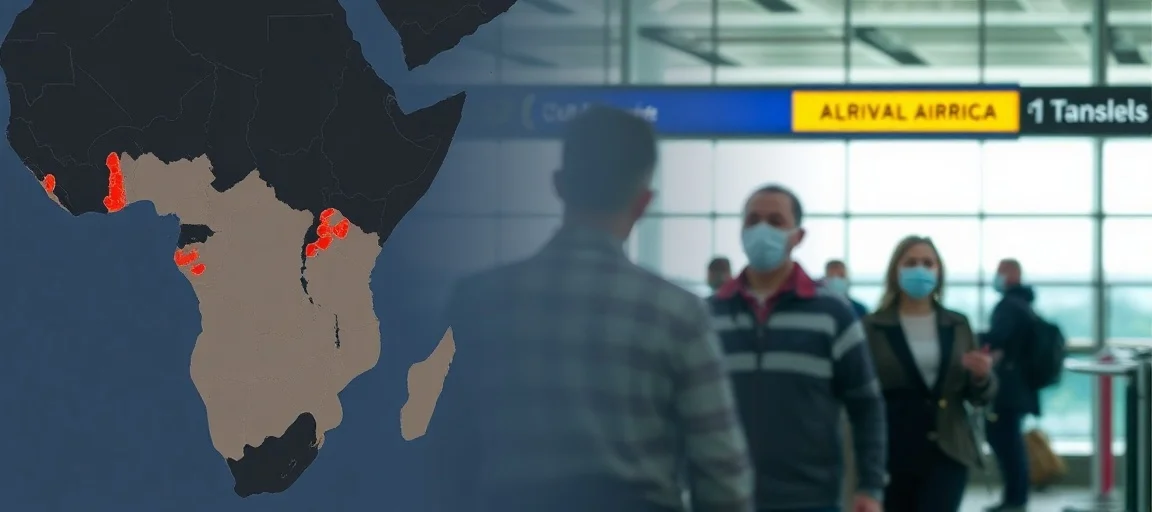
The current Ebola outbreak primarily affects the Democratic Republic of Congo (DRC) and Uganda, with initial cases detected in the DRC's Ituri Province. The situation escalated rapidly, prompting global health bodies to raise alarms. This particular outbreak is caused by the Bundibugyo virus (BDBV) species of Ebola, which adds a layer of complexity and concern to the response efforts. Unlike the more commonly encountered Zaire strain, for which effective vaccines and treatments have been developed, the Bundibugyo strain lacks approved countermeasures, making containment and symptomatic treatment the primary lines of defense.
Origins and Escalation of the Crisis
The earliest known case in this current outbreak reportedly developed symptoms on April 24, 2026. However, the outbreak was not officially declared until May 15, 2026, by the DRC's Ministry of Health, with Uganda confirming cases on the same day. This delay in detection is a significant concern, as initial lab testing in the DRC reportedly used cartridges designed for the Zaire strain, failing to identify the Bundibugyo virus and allowing the pathogen to spread unchecked for a crucial three-week period. This critical window likely contributed to the rapid escalation observed across several health zones in Ituri Province and subsequent spillover into neighboring Uganda, including its capital, Kampala.
As of May 18, 2026, reports indicate more than 300 suspected cases and over 100 deaths have been attributed to this outbreak, though these figures are subject to rapid change as surveillance efforts intensify. The World Health Organization officially declared the Ebola outbreak a Public Health Emergency of International Concern (PHEIC) on May 17, 2026, underscoring the severe risk of international spread and the need for a coordinated global health response.
Understanding the Bundibugyo Virus
The Bundibugyo virus is one of several species that cause Ebola Virus Disease (EVD). It was first identified in 2007 during an outbreak in Uganda's Bundibugyo District, from which it derives its name. Historically, it has caused fewer outbreaks compared to the Zaire strain, with previous occurrences noted in 2007 and 2012. The case fatality rate for Bundibugyo virus is estimated to range between 25% and 50%, a stark reminder of the virus's deadly potential. Its re-emergence without a specific vaccine or therapeutic means that healthcare providers must rely on supportive care to manage symptoms and bolster patients' immune responses.
Symptoms of Ebola Virus Disease (EVD):
- Fever (often above 38.0°C or 100.4°F)
- Severe headache and muscle pain
- Weakness and fatigue
- Diarrhea and vomiting, which can be severe
- Abdominal (stomach) pain
- Unexplained hemorrhage (bleeding or bruising) in later stages
Symptoms typically manifest between 2 to 21 days after exposure, with an average incubation period of 8 to 10 days. A person infected with the Ebola virus is not considered contagious until they begin to show symptoms. Transmission occurs through direct contact with blood or other body fluids (such as saliva, urine, feces, or semen) of an infected person who is symptomatic, or from contaminated objects like needles. Ebola is not spread through the air, water, or generally through food. However, in Africa, handling bushmeat or contact with infected bats can be a source of initial human infection.
US Imposes Travel Curbs: Details and Rationale
In a direct response to the escalating crisis and the WHO's PHEIC declaration, the U.S. Centers for Disease Control and Prevention (CDC) and the Department of Homeland Security (DHS) announced enhanced travel measures on May 18, 2026. The comprehensive strategy aims to prevent the introduction and spread of the Bundibugyo virus within the United States.
Key components of the US travel curbs include:
- Entry Restrictions: Non-U.S. passport holders who have traveled through Uganda, the Democratic Republic of Congo (DRC), or South Sudan within the preceding 21 days will face entry restrictions into the United States. These restrictions are temporary, set for a 30-day period, and are implemented under Title 42 authority, which allows the U.S. government to take measures to protect public health. This aligns with broader US foreign policy in Africa. It is important to note that these restrictions do not apply to U.S. citizens, U.S. nationals, or lawful permanent residents returning from these affected regions.
- Enhanced Public Health Screening: Individuals arriving from affected areas, including U.S. citizens, will undergo intensified health screenings at designated U.S. ports of entry. This includes monitoring for symptoms consistent with Ebola, such as fever, weakness, vomiting, and unexplained bleeding.
- Traveler Monitoring: The CDC will implement rigorous traveler monitoring protocols for those arriving from high-risk regions to track potential exposures and ensure timely intervention if symptoms develop during the 21-day incubation period.
- Interagency Coordination: Federal agencies are coordinating closely with airlines, international partners, and port-of-entry officials to identify and manage travelers who may have been exposed to the Ebola virus.
- Domestic Preparedness: Beyond border controls, the CDC and DHS are ramping up domestic public health preparedness. This involves enhancing contact tracing capabilities, bolstering laboratory testing capacity nationwide, and ensuring that U.S. hospitals are ready to manage potential Ebola cases.
The rationale behind these measures is primarily preventative. While the CDC assesses the immediate risk to the general U.S. public as low, proactive steps are deemed necessary to mitigate any potential for introduction, especially given the severity of the Bundibugyo strain and the lack of specific medical countermeasures. The prompt also comes after a confirmed case of an American doctor testing positive for the Bundibugyo strain after exposure in the Democratic Republic of Congo; this individual is being transported to Germany for specialized treatment.
International Response and Global Coordination
The global health community has mobilized swiftly in response to this alarming outbreak. The WHO's declaration of a Public Health Emergency of International Concern (PHEIC) on May 17, 2026, signifies a coordinated international effort to address the crisis. This declaration triggers enhanced surveillance, preparedness, and response activities worldwide, emphasizing the need for robust cooperation among nations.
Medecins Sans Frontières (MSF) and other humanitarian organizations are deploying teams to the affected areas in the DRC and Uganda, focusing on infection prevention and control, case management, and community engagement. These organizations are critical in providing on-the-ground medical support, especially in remote and logistically challenging regions like Ituri Province, which often have limited healthcare infrastructure and ongoing security concerns. The WHO has also dispatched five tonnes of medical supplies to the DRC and released $500,000 from its contingency fund for emergencies to support the response. Experts from the WHO have been present in Ituri since early May, assisting with active case finding, contact tracing, and strengthening infection prevention within healthcare facilities.
Impact on Affected Regions and Broader Implications
The Ebola outbreak and subsequent travel restrictions have significant implications for the affected regions and the broader global community. In the DRC and Uganda, the immediate impact includes increased mortality rates, strain on already fragile healthcare systems, and potential economic disruption. The concern is heightened by factors such as dense urban populations in areas like Rwampara and Bunia, high population mobility due to mining activities in Mongwalu, and refugee movements stemming from ongoing conflicts in the region, all of which can accelerate virus transmission.
From a broader perspective, travel restrictions, while intended to protect public health, can also present challenges. Past outbreaks, such as the 2014 West African Ebola epidemic, demonstrated that strict travel bans can sometimes delay the delivery of crucial medical supplies and deter humanitarian and health workers from assisting in affected areas. This highlights challenges in pandemic response mechanisms. This can paradoxically worsen the outbreak at its source, leading to greater long-term risk of international spread. Furthermore, such measures can foster a false sense of security in unaffected countries and contribute to stigmatization and xenophobia.
Lessons from Past Outbreaks and Public Health Preparedness
The current response builds upon lessons learned from previous Ebola epidemics. Public health officials emphasize the importance of robust surveillance systems, rapid diagnostic capabilities, and efficient contact tracing. The delay in identifying the Bundibugyo strain due to inappropriate testing highlights the need for adaptable diagnostic tools and vigilant epidemiological monitoring.
For countries like the U.S., public health preparedness is paramount. This includes maintaining well-trained rapid response teams, sufficient isolation facilities, and protocols for managing imported cases without overwhelming local healthcare infrastructure. The CDC's focus on enhancing port health protection, laboratory capacity, and hospital readiness nationwide reflects this commitment to domestic resilience. International collaboration, information sharing, and supporting affected nations at the source remain critical strategies in containing any infectious disease outbreak, rather than relying solely on border closures that may have limited long-term efficacy.
Challenges and Future Outlook
The challenges ahead are substantial. The absence of an approved vaccine or treatment for the Bundibugyo strain means that the outbreak response is heavily reliant on traditional public health measures: rapid identification, isolation of cases, meticulous contact tracing, and safe and dignified burials. The socio-political landscape of eastern DRC, marked by insecurity and population displacement, further complicates these efforts, making access for health teams difficult and increasing the risk of community transmission.
Researchers are actively exploring potential vaccines for Bundibugyo Ebola, with some preclinical trials showing promise in animal models. However, human trials and subsequent approval processes will take time, underscoring the immediate urgency of containment efforts. The global community must continue to support the DRC and Uganda with resources, expertise, and sustained commitment to bring this dangerous outbreak under control. The long-term outlook will depend on the effectiveness of current containment strategies and the accelerated development of specific medical interventions for the Bundibugyo virus.
Frequently Asked Questions
Q: What is the Bundibugyo strain of Ebola?
A: The Bundibugyo virus (BDBV) is one of several species that cause Ebola Virus Disease (EVD), first identified in Uganda in 2007. It is particularly concerning because it has a high case fatality rate, estimated between 25% and 50%, and unlike the more common Zaire strain, there are currently no approved vaccines or specific treatments available for it.
Q: Why did the US impose travel curbs?
A: The U.S. imposed travel restrictions and enhanced screenings in response to the World Health Organization's (WHO) declaration of a Public Health Emergency of International Concern (PHEIC) regarding the current Ebola outbreak. These proactive measures, implemented under Title 42 authority, aim to prevent the introduction and spread of the virulent Bundibugyo strain within the United States.
Q: Are there vaccines or treatments for the Bundibugyo Ebola virus?
A: Currently, there are no approved vaccines or specific therapeutic treatments explicitly designed for the Bundibugyo strain of the Ebola virus. Response efforts are heavily focused on traditional public health measures such as rapid identification, isolation of cases, meticulous contact tracing, and providing supportive care to manage symptoms and bolster patients' immune responses. Research into potential vaccines is ongoing.
Further Reading & Resources
- CDC Ebola Disease: Current Situation
- WHO Ebola Disease Information
- Medecins Sans Frontières (MSF) on Ebola
Conclusion
The recent Ebola Outbreak in Africa: US Imposes Travel Curbs underscore the continuous threat posed by emerging and re-emerging infectious diseases. With the World Health Organization declaring a Public Health Emergency of International Concern, the coordinated global response is more critical than ever. The U.S. has acted decisively with enhanced screening and travel restrictions, aiming to safeguard its borders while international partners work tirelessly to contain the Bundibugyo strain at its source. While the immediate risk to the American public is considered low, sustained vigilance, robust public health infrastructure, and unwavering international cooperation will be essential to overcoming this latest challenge and preventing further global spread of this dangerous pathogen.