Ebola Outbreak Spreads in Africa, Raises Global Concern: Urgent Action Needed
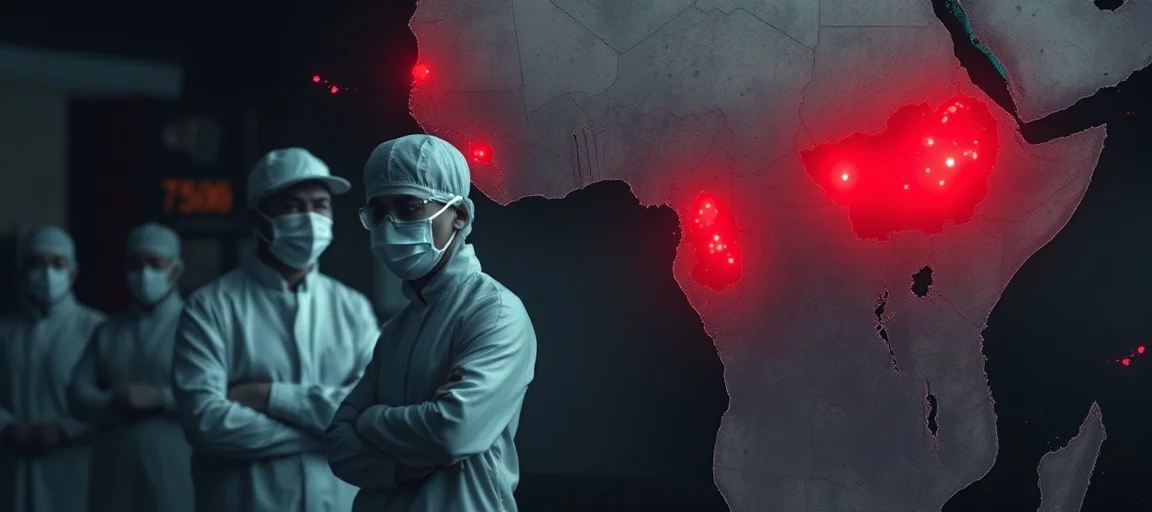
A new and alarming public health crisis is unfolding in Central Africa, as an Ebola Outbreak Spreads in Africa, Raises Global Concern across multiple regions. This urgent situation, primarily centered in the Democratic Republic of Congo (DRC) and neighboring Uganda, involves the highly virulent Bundibugyo strain of the Ebola virus, for which there is currently no approved vaccine or specific treatment. The World Health Organization (WHO) has officially declared this escalating outbreak a "public health emergency of international concern," underscoring the severe risk it poses to both regional stability and global health security. The rapid spread and the challenging context of the affected areas demand immediate and coordinated international action to contain the virus and protect vulnerable populations.
- Understanding Ebola: A Historical Perspective
- The Current Ebola Outbreak Spreads in Africa, Raises Global Concern: Key Regions and Statistics
- Global Response and Preparedness Efforts
- Impact on Regional and Global Health Security
- Preventing Future Epidemics: A Collective Responsibility
- Conclusion
- Frequently Asked Questions
- Further Reading & Resources
Understanding Ebola: A Historical Perspective
Ebola Virus Disease (EVD) is a severe, often fatal illness caused by the Ebola virus. First identified in 1976 near the Ebola River in what is now the Democratic Republic of Congo (then Zaire), EVD has since caused numerous outbreaks across the African continent. The disease belongs to the family of Filoviridae, which also includes the Marburg virus, both known for causing hemorrhagic fevers. The high fatality rates, which can range from 25% to 90%, make it one of the most feared infectious diseases globally.
Historically, different strains of the Ebola virus have been identified, including Zaire, Sudan, Bundibugyo, Taï Forest, Reston, and Bombali. Four of these strains are known to cause disease in humans, with the Zaire strain being the most frequently encountered and often the deadliest. The infamous 2014-2016 West African Ebola epidemic, caused by the Zaire strain, was the largest and most complex outbreak ever recorded, infecting over 28,000 people and resulting in more than 11,000 deaths across Liberia, Guinea, and Sierra Leone. This catastrophic event, often studied for lessons from its response and recovery, served as a stark reminder of the world's vulnerability to emerging infectious diseases and spurred significant efforts in global health preparedness and vaccine development for that specific strain.
The Current Ebola Outbreak Spreads in Africa, Raises Global Concern: Key Regions and Statistics
The current situation is particularly grave due to the rapid escalation and the specific viral strain involved. The latest Ebola Outbreak Spreads in Africa, Raises Global Concern, primarily originating in the Ituri province of the Democratic Republic of Congo, a remote and challenging region. As of May 19, 2026, health officials have reported at least 500 suspected cases and 130 deaths in the DRC. Another source notes 543 suspected cases and 131 deaths, including an American doctor working in the region, as of the same date. These numbers are expected to climb, highlighting the accelerating nature of this health emergency.
The outbreak has also seen cases spill over into neighboring Uganda, with at least two confirmed cases, including one death, reported in individuals who traveled from the DRC. The Africa Centres for Disease Control and Prevention (Africa CDC) initially reported 246 suspected cases and 65 deaths in DRC's Mongwalu and Rwampara health zones, with suspected cases also in Bunia, the provincial capital. The agency expressed concern over potential further spread due to dense urban populations, mining activity in Mongwalu leading to population movement, and refugee movements caused by ongoing conflicts in the region.
Crucially, this outbreak is caused by the Bundibugyo virus, a rarer variant of Ebola that poses unique challenges. Unlike the more common Zaire strain, for which effective vaccines and treatments exist, there are currently no approved therapeutics or vaccines specifically for the Bundibugyo strain. This significantly complicates containment efforts and increases the fatality risk for those infected.
Affected Countries and Communities
The primary affected areas are the Ituri province in eastern DRC, bordering Uganda and South Sudan, and parts of Uganda. The remote nature of Ituri province, coupled with poor road networks and ongoing security concerns, complicates access for response teams and medical personnel. This volatile environment hinders critical public health activities such as active case finding, contact tracing, and the safe transportation of patients and samples.
The high population movement between affected areas and neighboring countries, exacerbated by mining activities and regional conflicts, creates a fertile ground for rapid regional transmission. This geographical and socio-political context makes the current outbreak particularly difficult to manage and raises serious concerns about its potential to spread further across the continent.
Transmission and Symptoms
Ebola virus disease is highly contagious and spreads through direct contact with the blood or other bodily fluids (such as saliva, sweat, tears, mucus, vomit, feces, breast milk, urine, and semen) of an infected person or animal. It can also spread through contact with objects contaminated with these fluids, including clothing, bedding, needles, and medical equipment. Importantly, Ebola is not believed to spread through the air during normal interactions. Transmission from animals to humans, often through contact with infected wildlife like fruit bats, gorillas, monkeys, or chimpanzees, is usually the initial "spillover" event.
Symptoms of Ebola can appear anywhere from 2 to 21 days after exposure, though typically they manifest around 8 to 10 days. Early symptoms are often non-specific, resembling other common illnesses like malaria or typhoid fever, which can delay diagnosis and contribute to spread. These initial "dry" symptoms include:
- Fever
- Fatigue, malaise, weakness
- Severe headache
- Muscle and joint aches
- Sore throat
As the disease progresses, patients typically develop more severe "wet" symptoms:
- Vomiting
- Diarrhea
- Abdominal pain
- Rash
- Impaired kidney and liver function
- Unusual bleeding or bruising, including oozing from gums, blood in stools, and red eyes, nose, mouth, and rectum
Death usually occurs as a result of shock due to fluid loss and organ failure. Survivors may experience long-term complications like body aches, weakness, headaches, and vision problems for weeks or months.
Global Response and Preparedness Efforts
The declaration by the World Health Organization on May 17, 2026, of a Public Health Emergency of International Concern (PHEIC) is the highest level of alert the WHO can issue. This declaration serves to galvanize international attention and resources, signaling that the outbreak poses a public health risk to other member states and necessitates a coordinated global response. The U.S. Centers for Disease Control and Prevention (CDC) has also mobilized response activities, coordinating with the DRC and Ugandan Ministries of Health, other U.S. government agencies, and international partners, showcasing the CDC's critical role in global health crises.
The response operations include critical areas such as surveillance, laboratory diagnostics, infection prevention and control in health facilities, and other containment efforts. The CDC is also actively supporting the safe withdrawal of a small number of Americans directly affected by the outbreak. Measures like enhanced border surveillance and restrictions on travelers from high-risk countries have been invoked by some nations to prevent international spread.
International aid organizations, including Médecins Sans Frontières (Doctors Without Borders), have historically played a crucial role in leading responses to Ebola crises by establishing treatment centers and providing direct patient care. The lessons learned from previous large-scale outbreaks, such as the 2014-2016 West Africa epidemic, have significantly shaped current preparedness strategies, emphasizing the need for swift coordination, resource sharing, and efficient logistics.
Challenges in Containment and Treatment
The current outbreak faces formidable challenges, particularly due to the specific strain of the virus and the operational environment. The Bundibugyo strain, as noted, lacks approved vaccines or specific treatments, making supportive care the primary medical intervention. Early intensive supportive care, including rehydration with oral or intravenous fluids and treatment of specific symptoms, has been shown to improve survival rates. However, the absence of a targeted antiviral therapy or preventive vaccine for this strain means that controlling the spread relies almost entirely on robust public health measures.
The logistical difficulties in Ituri province, characterized by limited transportation infrastructure, difficult terrain, and ongoing security concerns from armed groups, severely impede the ability of response teams to reach affected communities, conduct contact tracing, and implement effective infection prevention and control measures. The violence in the region has made it hard for health officials to test people and take actions to halt the spread of Ebola. These factors complicate early detection and rapid response, allowing the virus to spread unchecked in remote areas before adequate intervention can be mounted.
Furthermore, community engagement is paramount for successful outbreak control, yet it is often hampered by misinformation, fear, and distrust of external health workers. Ensuring safe and dignified burials, which are critical as bodies of EVD victims remain highly infectious, requires sensitive cultural approaches and clear communication.
Impact on Regional and Global Health Security
An uncontrolled Ebola outbreak carries significant consequences beyond immediate health concerns. Regionally, it can destabilize economies, disrupt social structures, and overwhelm already fragile healthcare systems. The 2014-2016 West Africa outbreak, for instance, devastated local economies and led to widespread fear and social disruption. The current outbreak, if it continues to expand, threatens to repeat these patterns, particularly in areas already grappling with conflict and poverty.
The risk of international spread, while currently deemed low for countries outside the immediate region, remains a significant concern. The WHO's PHEIC declaration highlights this potential, urging countries bordering the DRC and Uganda to enhance their surveillance and ensure health workers are prepared to manage potential Ebola cases. Global travel and interconnectedness mean that an outbreak in one region can quickly become a concern for others, necessitating robust global health security frameworks.
Economic and Social Consequences
The economic toll of an Ebola outbreak can be severe. Healthcare expenditures surge, trade and travel restrictions are often imposed, and productivity declines as communities are disrupted. Farmers may be unable to tend to their crops, markets may close, and essential services can be interrupted, leading to food insecurity and broader economic downturns. Socially, outbreaks breed fear, stigmatization, and often lead to isolation of affected communities and individuals. Public trust in health authorities can erode, making future public health interventions even more challenging. The current situation in the DRC, a region already marked by humanitarian crises, amplifies these potential impacts.
Lessons Learned from Past Outbreaks
The global community has learned critical lessons from previous Ebola epidemics. The 2014-2016 West Africa outbreak, in particular, exposed significant weaknesses in global health systems and spurred efforts to strengthen emergency preparedness and response strategies. These included improving healthcare facilities with triage protocols, training in infection prevention and control (IPC), ensuring essential medical supplies, and enhancing diagnostic capabilities. It also led to accelerated vaccine development, primarily for the Zaire strain, with two vaccines (Ervebo® and Zabdeno/Mvabea®) now approved and recommended for outbreak response for that specific variant.
The establishment of the WHO's Health Emergencies Programme and the Coalition for Epidemic Preparedness Innovations (CEPI) were direct outcomes aimed at improving global health coordination and epidemic preparedness. The importance of rapid deployment of vaccines, as demonstrated in past outbreaks where early vaccination significantly contracted the geographical area at risk, underscores the ongoing need for research into broader-spectrum or pan-Ebola vaccines.
Preventing Future Epidemics: A Collective Responsibility
Preventing future large-scale Ebola epidemics requires a multi-faceted approach, integrating scientific advancements with strong public health infrastructure and community trust. International collaboration, streamlined coordination, and transparent information sharing are paramount.
Surveillance and Early Warning Systems
Robust surveillance systems are the first line of defense. This involves constant monitoring for unusual illness patterns, rapid diagnostic testing capabilities, and efficient reporting mechanisms at local, national, and international levels. Early detection allows for prompt isolation of cases and initiation of contact tracing, which are crucial for breaking chains of transmission. Investing in regional diagnostic laboratories and training local health workers in epidemiology and disease surveillance can significantly enhance early warning capabilities.
Community Engagement and Education
Engaging affected communities is fundamental to successful outbreak response. Building trust, addressing local concerns, and communicating accurate information about the disease, its transmission, and preventive measures are essential. Culturally sensitive approaches to public health interventions, including safe burial practices, are necessary to ensure compliance and cooperation. Empowering communities with knowledge and involving them in response efforts can turn potential resistance into active partnership.
Ongoing research into novel vaccines and treatments, particularly those effective against multiple Ebola strains like Bundibugyo, is vital for long-term preparedness. Stockpiling of essential medical supplies and rapid deployment mechanisms are also critical components of a resilient global health security strategy.
Conclusion
The current Ebola Outbreak Spreads in Africa, Raises Global Concern, demanding an immediate and robust international response. The presence of the Bundibugyo strain, for which no specific vaccine or treatment currently exists, combined with the challenging operational environment in the Democratic Republic of Congo and Uganda, poses a significant threat to global public health. While global health bodies and national governments are mobilizing resources, the gravity of the situation underscores the urgent need for sustained funding, enhanced logistical support, accelerated research into countermeasures for all Ebola strains, and continued investment in strengthening health systems across Africa. Only through concerted global effort can the spread be contained, lives saved, and the world better prepared for future such emergencies.
Frequently Asked Questions
Q: What is the Bundibugyo strain of Ebola, and why is it a concern?
A: The Bundibugyo strain is a rarer variant of the Ebola virus causing the current outbreak in Africa. It is of particular concern because, unlike the more common Zaire strain, there are currently no approved vaccines or specific treatments available for it, complicating containment efforts significantly.
Q: How does Ebola virus disease typically spread among humans?
A: Ebola primarily spreads through direct contact with the blood, secretions, organs, or other bodily fluids of infected people or animals. It can also spread through contact with surfaces and materials contaminated with these fluids. It is not typically spread through the air during normal interactions.
Q: What does it mean for an outbreak to be a "Public Health Emergency of International Concern" (PHEIC)?
A: A PHEIC is the highest level of alert issued by the World Health Organization, signifying an extraordinary event that poses a public health risk to other countries through international spread and potentially requires a coordinated international response. It helps mobilize global attention and resources.