Ebola Emergency: Africa Faces Rising Health Crisis – What You Need to Know
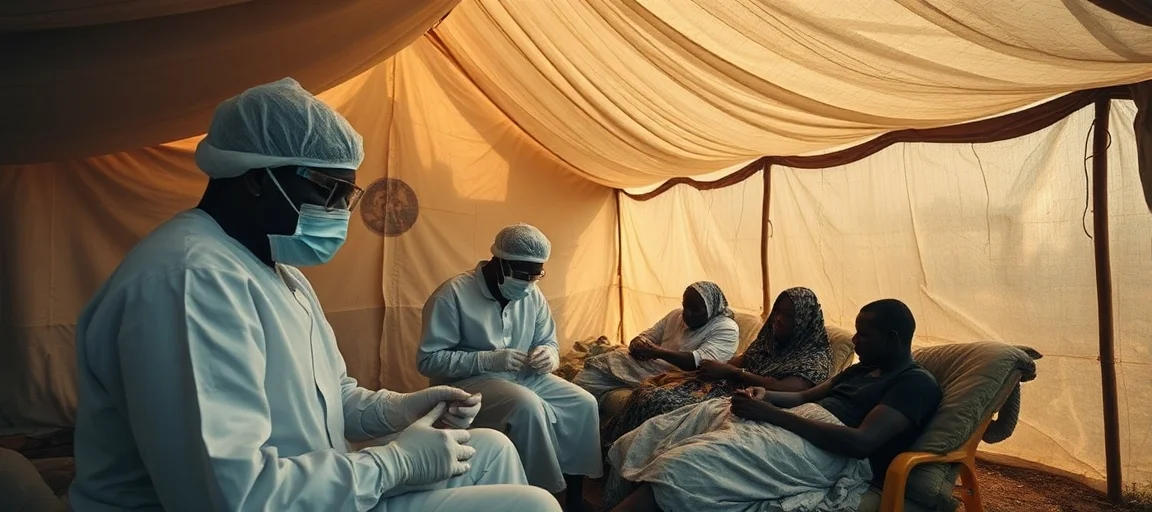
The African continent is confronting a significant public health challenge as a new Ebola Emergency: Africa Faces Rising Health Crisis grips several nations. The World Health Organization (WHO) recently declared the ongoing outbreak in the Democratic Republic of Congo (DRC) and Uganda a "Public Health Emergency of International Concern," signaling the gravity of the situation. This rising health crisis is particularly concerning due to the involvement of the Bundibugyo strain of the virus, for which there are currently no approved vaccines or specific treatments, making containment efforts more complex and urgent.
- Understanding Ebola: A Persistent Threat
- Recent Outbreaks and Affected Regions
- Challenges in Containing the Virus
- International and Local Response Efforts
- The Broader Health Implications for Africa
- Future Preparedness and Prevention Strategies
- Expert Perspectives on the Ebola Emergency: Africa Faces Rising Health Crisis
- Conclusion: Addressing the Ebola Emergency: Africa Faces Rising Health Crisis
- Frequently Asked Questions
- Further Reading & Resources
Understanding Ebola: A Persistent Threat
Ebola Virus Disease (EVD) is a severe, often fatal illness in humans. The virus is transmitted to people from wild animals and spreads in the human population through direct contact with the blood, secretions, organs, or other bodily fluids of infected people, and with surfaces and materials contaminated with these fluids. Symptoms typically include fever, fatigue, muscle pain, headache, and sore throat, followed by vomiting, diarrhea, and, in some cases, bleeding. The infectiousness of the virus increases as patients become sicker, with the highest risk of transmission at the time of death.
There are five known species of Ebola virus that can infect humans: Reston, Sudan, Tai Forest, Bundibugyo, and Zaire. While some strains have approved vaccines and treatments, like rVSV-ZEBOV (Ervebo) and Ad26/MVA (Zabdeno/Mvabea) for the Zaire strain, the current outbreak involves the Bundibugyo strain, which historically has a case fatality rate between 25% and 50% and lacks specific therapeutics or approved vaccines. This absence of targeted interventions underscores the critical need for robust public health measures to control its spread.
Recent Outbreaks and Affected Regions
The current Ebola emergency primarily affects the Democratic Republic of Congo (DRC) and Uganda. As of May 19, 2026, the outbreak, caused by the Bundibugyo virus, has seen over 500 suspected cases and more than 130 suspected deaths in the DRC, with confirmed cases also reported in Uganda. The outbreak is concentrated in the Ituri Province of the DRC, with cases also emerging in North Kivu, including the city of Goma. Uganda has reported two confirmed cases linked to travel from the DRC.
This marks the 17th Ebola outbreak in the DRC since 1976, with the most recent Zaire Ebola outbreak having concluded in December 2025. The persistent recurrence of Ebola in the region highlights underlying vulnerabilities in health systems and societal factors. The affected areas are often characterized by ongoing insecurity, humanitarian challenges, and significant population movement, all of which complicate response efforts and increase the risk of wider transmission.
Challenges in Containing the Virus
The containment of Ebola outbreaks in Africa is consistently hampered by a multitude of complex challenges. These are not merely medical but are deeply intertwined with socioeconomic, political, and cultural factors.
Weak Public Health Infrastructure
Many of the countries impacted by Ebola possess fragile healthcare systems that struggle to effectively intervene and treat patients. This fragility manifests in several ways:
- Limited Disease Surveillance: There is often limited disease surveillance in place, making early detection and rapid response difficult.
- Dearth of Medical Equipment and Supplies: Even before outbreaks, there is frequently a shortage of essential medical equipment and supplies, including adequate personal protective equipment (PPE) for healthcare workers.
- Insufficient Healthcare Workforce: Countries like Liberia and Sierra Leone have historically faced extremely low doctor-to-patient ratios, a situation exacerbated by Ebola outbreaks which lead to the infection and death of healthcare workers, further reducing an already scarce workforce.
Logistical and Geographical Hurdles
The vast and often challenging geography of affected regions, coupled with inadequate infrastructure, presents significant logistical obstacles.
- Poor Roads and Long Distances: In countries like the DRC, which is Africa's second-largest by land area, bad roads and long distances complicate the rapid deployment of medical supplies, personnel, and patient transport.
- Insecurity and Conflict: Many outbreak zones, particularly in eastern DRC, are marred by armed conflict and insecurity. This not only endangers response workers but also displaces populations, creating vulnerable groups like internally displaced persons (IDPs) and refugees, and hindering access to affected communities.
Community Mistrust and Cultural Practices
Community engagement is a critical, yet often challenging, aspect of Ebola response. A lack of trust in healthcare systems and traditional practices can impede effective containment.
- Fear and Mistrust: Past outbreaks have led to a loss of trust in healthcare systems, with communities fearing infection if they seek medical care. This can result in people resisting treatment or hiding cases.
- Traditional Burial Practices: Traditional burial practices, which often involve direct contact with the deceased, can significantly contribute to the spread of Ebola, as the virus is highly virulent at the time of death.
- Misinformation and Disbelief: Widespread disbelief, ignorance, and cultural beliefs can lead to non-cooperation with response teams and a reluctance to report cases or comply with isolation measures.
International and Local Response Efforts
Despite the formidable challenges, a concerted effort involving international organizations, national governments, and local communities is underway to tackle the current Ebola emergency.
World Health Organization (WHO) and Partner Actions
The WHO's declaration of a Public Health Emergency of International Concern (PHEIC) mobilizes global resources and coordination. The WHO and its partners are implementing several key strategies:
- Emergency Response Mechanisms: Activating emergency response mechanisms, enhancing contact tracing, and scaling up laboratory testing are priorities.
- Medical Supplies and Funding: The WHO has dispatched medical supplies to the DRC and released funds from its contingency fund for emergencies.
- Coordination and Expertise: Organizations like the Africa CDC and the European Centre for Disease Prevention and Control (ECDC) are deploying experts to support coordination and operational planning.
- One Health Approach: Integrating human and veterinary public health surveillance under a "One Health" framework is encouraged to address the role of animal reservoirs in virus spread.
National Government and Local Initiatives
African governments, often supported by international partners, are leading the on-the-ground response.
- Infection Prevention and Control (IPC): Strengthening IPC measures in health facilities and communities is crucial to prevent nosocomial transmission and protect healthcare workers.
- Community Engagement: Intensive community engagement, working with local and religious leaders, is considered critical to building trust, addressing misinformation, and ensuring adherence to public health guidelines.
- Surveillance and Contact Tracing: Rapid case finding and contact tracing are essential to break chains of transmission. This involves identifying those who may have been exposed and monitoring them for symptoms.
- Supportive Care: Since there is no specific vaccine or treatment for the Bundibugyo strain, treatment focuses on supportive care, including pain relief, maintaining blood pressure, reducing vomiting and diarrhea, and ensuring adequate hydration.
The Global Response Landscape
The international community's response has evolved over the years, learning from past large-scale outbreaks, such as the 2014-2016 West Africa Ebola epidemic. While there have been criticisms of delayed responses in the past, current efforts emphasize speed and coordination. The U.S. has implemented enhanced travel screening and entry restrictions for travelers from high-risk countries and is deploying CDC experts to assist with containment.
The Broader Health Implications for Africa
Beyond the immediate loss of life, the Ebola emergency casts a long shadow over the broader health landscape and socioeconomic stability of affected African nations.
Strain on Healthcare Systems
Already fragile healthcare systems face immense pressure during an Ebola outbreak.
- Disruption of Routine Services: The diversion of resources and personnel to Ebola response leads to the disruption of routine healthcare services, including vaccinations, maternal care, and treatment for other prevalent diseases like HIV, tuberculosis, and malaria. This can result in increased mortality from these preventable and treatable conditions.
- Healthcare Worker Shortages: The infection and death of healthcare workers, coupled with fear among the remaining staff, can lead to clinic closures and a significant reduction in available health services.
Economic and Social Impact
Ebola outbreaks have far-reaching economic and social consequences.
- Economic Disruptions: Border closures, curfews, transportation disruptions, and the fear of movement can halt economic activities, impacting trade, farming, and livelihoods. This can lead to soaring food prices and increased food insecurity.
- Social Fabric Strain: The fear of contagion can erode social trust and cohesion, leading to stigmatization of survivors and communities. The trauma of epidemics can persist in affected populations for years.
Future Preparedness and Prevention Strategies
Building long-term resilience against future Ebola outbreaks requires sustained investment and strategic planning.
Strengthening Health Security
- Integrated Surveillance: Developing and integrating human and veterinary public health surveillance and laboratory services for early detection of new virus variants is crucial within a "One Health" framework.
- Sustainable Investment: Moving beyond short-term interventions during active outbreaks, there is a need for sustainable investment in strengthening health systems to meet international health regulations and address underlying structural determinants of these outbreaks.
- Cross-Border Collaboration: Enhanced cross-border collaboration and regional coordination are vital, as Ebola does not respect national boundaries, and population movement can quickly spread the virus.
Community Resilience and Engagement
- Tailored Communication: Effective risk communication that is culturally sensitive and addresses community concerns is essential to build trust and encourage compliance with public health measures.
- Local Capacity Building: Empowering local communities and health workers with knowledge, resources, and training can significantly improve early detection, response, and overall resilience.
- Survivor Care: Investing in survivor care programs is important not only for the well-being of individuals but also to monitor for potential virus persistence and transmission events.
Expert Perspectives on the Ebola Emergency: Africa Faces Rising Health Crisis
Experts underscore the urgent nature of the current situation. Dr. Anne Ancia, WHO's representative in the DRC, highlighted the "significant uncertainty about the number of infections and how far the virus has spread," noting the potential for the outbreak to be larger than currently described. She also warned that, despite efforts to develop a vaccine, "it is not two months before the outbreak will be done," reminding of previous outbreaks that took years to contain. The rapid spread across borders, weak health systems, and ongoing humanitarian crises in the affected regions amplify the risk. The lack of an approved vaccine for the Bundibugyo strain presents a significant hurdle, making non-pharmaceutical interventions like isolation, contact tracing, and safe burial practices even more critical.
Conclusion: Addressing the Ebola Emergency: Africa Faces Rising Health Crisis
The current Ebola Emergency: Africa Faces Rising Health Crisis serves as a stark reminder of the persistent threat posed by infectious diseases and the critical importance of robust global health security. While immediate response efforts focus on containment, the long-term solution lies in strengthening fragile health systems, fostering community trust, and investing in research and development for vaccines and treatments across all Ebola strains. Collective action, sustained funding, and a commitment to equitable health infrastructure are paramount to prevent future outbreaks from escalating into humanitarian catastrophes and ensure a healthier, more secure future for the African continent.
Frequently Asked Questions
Q: What is the Bundibugyo strain of Ebola, and why is it concerning?
A: The Bundibugyo strain is one of five Ebola species that can infect humans. It's concerning because, unlike the Zaire strain, there are currently no approved vaccines or specific treatments available for it, making containment reliant on public health measures.
Q: Which African countries are primarily affected by the current Ebola emergency?
A: The current Ebola emergency primarily affects the Democratic Republic of Congo (DRC) and Uganda. Outbreaks are often concentrated in specific provinces, but cross-border travel can lead to wider spread.
Q: What are the main challenges in containing Ebola outbreaks in Africa?
A: Key challenges include weak public health infrastructure, logistical hurdles due to vast geography and insecurity, and community mistrust stemming from traditional practices and misinformation. These factors complicate early detection and rapid response.