Ebola Crisis Deepens in DR Congo; Vaccine Hope Rises Amid Bundibugyo Outbreak
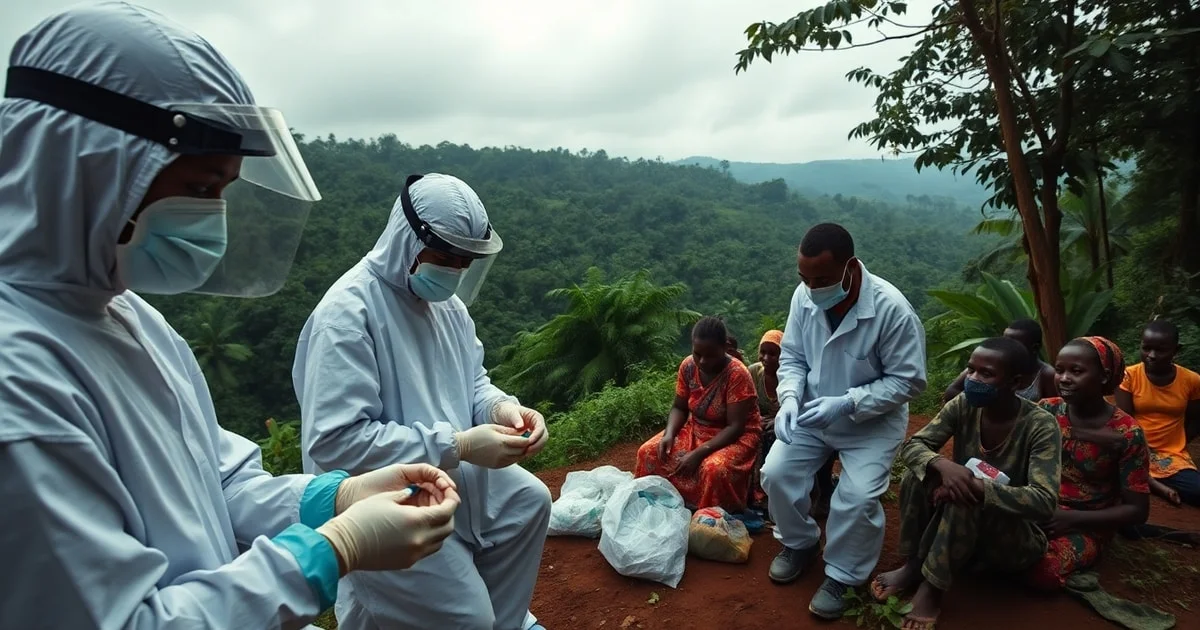
The Democratic Republic of Congo (DRC) is once again at the epicenter of a grave health emergency as an Ebola Crisis Deepens in DR Congo; Vaccine Hope Rises amidst a rapidly escalating outbreak of the Bundibugyo virus. This latest resurgence, confirmed by the Ministry of Health on May 15, 2026, in the northeastern Ituri Province, has been swiftly declared a Public Health Emergency of International Concern (PHEIC) by the World Health Organization (WHO), underscoring the severe and widespread threat it poses. The situation in the Democratic Republic of Congo is particularly worrisome due to the specific strain of Ebola involved, which currently lacks an approved vaccine or targeted treatment, intensifying global efforts to accelerate research and development.
The Deepening Ebola Crisis in DR Congo
The current Ebola outbreak marks the 17th recorded instance of the deadly virus in the DRC since its initial identification in 1976. As of June 2, 2026, the crisis has seen a significant number of cases, with 321 confirmed cases and 48 confirmed deaths reported across the DRC. Ituri Province remains the most severely affected region, accounting for 299 of these confirmed cases across 15 health zones. The disease has also spread beyond national borders, with neighboring Uganda reporting 15 confirmed cases, including one fatality, highlighting the challenge of cross-border transmission.
The outbreak is unfolding in a region already grappling with profound humanitarian and security challenges. Decades of entrenched conflict, characterized by the activities of numerous armed groups and widespread population displacement, create an exceptionally complex environment for public health interventions. This instability not only complicates the identification and isolation of cases but also hinders the safe and timely delivery of aid and medical supplies. The swiftness of the current outbreak and its geographic spread have raised alarm bells among global health authorities, prompting an urgent call for coordinated action and increased international support.
Understanding the Bundibugyo Viral Threat
Unlike previous major Ebola outbreaks in the DRC, such as the devastating 2018-2020 epidemic, the current crisis is primarily driven by the Bundibugyo virus (BDBV) species, Orthoebolavirus bundibugyoense. This distinction is critical because, while significant progress has been made in developing vaccines and treatments for the Zaire ebolavirus (EBOV) species, there is currently no approved vaccine or specific therapeutic treatment specifically targeting the Bundibugyo strain.
The Bundibugyo virus, first identified in Uganda in 2007, has historically been associated with a slightly lower case fatality rate compared to other Ebola species, though severe disease and death can still occur. Patients infected with BDBV present with symptoms similar to other Ebola strains, including fever, generalized body pain, weakness, vomiting, and in some cases, bleeding. The absence of a proven medical countermeasure for BDBV places immense pressure on traditional public health responses, such as rapid case identification, contact tracing, isolation, and safe burial practices, which become the primary tools for containment.
Vaccine Hope Rises: The Path to Protection
While the immediate challenge of the Bundibugyo outbreak is the lack of a specific approved vaccine, the broader narrative of Ebola Crisis Deepens in DR Congo; Vaccine Hope Rises is rooted in the success stories and ongoing scientific endeavors inspired by previous outbreaks. The global health community is actively working to bridge this critical gap, drawing lessons from past triumphs and investing heavily in accelerated research and development.
A significant beacon of hope comes from the experience with the Zaire ebolavirus. During the 2018-2020 Ebola outbreak in the DRC, Merck's rVSV-ZEBOV vaccine, branded Ervebo, proved to be a highly effective tool. A real-world study conducted during that epidemic demonstrated an impressive 84% effectiveness against Ebola virus disease 10 or more days after vaccination. This single-dose vaccine was deployed using a "ring vaccination" strategy, targeting contacts of confirmed cases, contacts of contacts, and frontline healthcare workers. Over 300,000 people were vaccinated, significantly contributing to the control and eventual end of that outbreak. The efficacy was consistent across sexes and age groups, reinforcing its robustness even in challenging environments. This success underscores the transformative potential of vaccines in controlling Ebola epidemics.
For the current Bundibugyo outbreak, the "vaccine hope" centers on two main fronts. Firstly, intense efforts are underway to assess whether existing Ebola vaccines, particularly Ervebo (rVSV-ZEBOV), could offer any cross-protection against the Bundibugyo virus. While Ervebo is effective against the Zaire strain, there is currently extremely limited and inconclusive evidence regarding its efficacy against BDBV. Gavi, the Vaccine Alliance, and the Coalition for Epidemic Preparedness Innovations (CEPI) are actively collaborating to support urgent research in this area, recognizing that a clinical trial would be necessary to generate definitive evidence.
Secondly, accelerated research and development efforts are focused on creating new candidate vaccines and investigational therapeutics specifically designed to target the Bundibugyo virus. Global health leaders are exploring the potential use of these experimental countermeasures, with WHO and partners supporting their evaluation. This rapid R&D pipeline represents the cutting edge of scientific response, aiming to develop tailored solutions for emerging threats. The experience gained from the swift development and deployment of the Zaire strain vaccine provides a crucial framework and accelerated timeline for these new initiatives.
Challenges in Vaccine Development and Deployment for Bundibugyo
Developing and deploying a new vaccine for the Bundibugyo virus presents unique and formidable challenges. The process involves rigorous clinical trials to establish safety, immunogenicity, and efficacy, which can be time-consuming, especially in resource-limited settings. Regulatory hurdles, ethical considerations, and the need for robust international collaborations further complicate the pathway to licensure. The journey from a promising candidate to an approved vaccine typically spans several phases. Phase 1 trials focus on safety in small groups of healthy volunteers. Phase 2 trials evaluate dosage and initial efficacy in larger populations. Phase 3 trials, critical for demonstrating effectiveness and confirming safety on a broad scale, often require thousands of participants, which is particularly challenging to conduct during an active outbreak amidst population displacement and insecurity. Each phase demands meticulous data collection, ethical oversight, and considerable financial investment.
Even if a candidate vaccine shows promise, the logistical difficulties of deployment in remote, conflict-affected areas of the DRC are immense. These include establishing and maintaining a stringent cold chain, training healthcare workers in vaccine administration, and ensuring secure access to vulnerable populations. Beyond the cold chain, other logistical hurdles include the procurement and distribution of ancillary supplies like syringes and safety boxes, managing waste, and implementing community-wide educational campaigns. Public trust is paramount, and misinformation can lead to vaccine hesitancy, making community engagement as crucial as the science itself. Furthermore, the limited infrastructure for mass manufacturing and rapid scale-up for specific, rare strains like Bundibugyo means that global production capabilities may not be immediately adaptable. The volatile security situation, characterized by armed conflict and attacks on health facilities, can severely disrupt vaccine delivery efforts and endanger frontline workers.
The Socio-Political Landscape Exacerbating the Crisis
The Democratic Republic of Congo's enduring socio-political instability acts as a significant amplifier of the Ebola crisis. The eastern provinces, including Ituri, North Kivu, and South Kivu, have been gripped by protracted armed conflict, leading to widespread displacement and a breakdown of essential services. This environment fosters immense challenges for health responders.
Armed groups, political protests, and general insecurity frequently disrupt response activities, hindering contact tracing, safe burials, and the functioning of Ebola treatment centers. Studies have shown that violent events can significantly increase Ebola virus transmission rates, with targeted violence against Ebola response efforts having the largest impact. This direct interference can injure healthcare workers, damage facilities, and ground essential personnel, severely impairing epidemiological surveillance and control measures.
Mistrust within communities, often fueled by historical grievances and misinformation, further complicates the response. Local residents have, at times, protested against stringent medical protocols, particularly those related to the handling of victims' bodies, which can conflict with traditional burial rites. Such protests have even led to attacks on health centers, creating a climate of fear and making it difficult for health workers to gain community acceptance.
Community Engagement and Local Trust
Recognizing the critical role of community acceptance, the World Health Organization and its partners have increasingly emphasized community-centered approaches. WHO Director-General Tedros Adhanom Ghebreyesus, during his visit to the outbreak's epicenter in Ituri, stressed that community trust is decisive in bringing the rapidly evolving outbreak under control. He highlighted the importance of listening to local communities, understanding their challenges, and supporting their solutions rather than imposing external strategies.
Initiatives like training community representatives to raise awareness of good hygiene practices, distributing hygiene kits, and adapting response strategies to local contexts are crucial. Engaging women's groups, religious leaders, business representatives, and young people in the response builds vital confidence and ensures that interventions are culturally sensitive and effective.
International Response and Humanitarian Aid
The international community has mobilized rapidly to support the DRC and Uganda in containing the Bundibugyo outbreak. The WHO has allocated significant funds and scaled up support to both governments, focusing on strengthening surveillance, contact tracing, clinical preparedness and management, delivery of supplies, and community engagement.
Organizations like Doctors Without Borders/Médecins Sans Frontières (MSF) have launched large-scale responses, deploying medical, logistical, and support teams to Ituri and neighboring areas. MSF teams are working closely with the Congolese Ministry of Health to scale up Ebola response activities, particularly in regions like Bunia, Mongbwalu, and Fataki. The Centers for Disease Control and Prevention (CDC) is also supporting affected countries and maintaining readiness, with personnel on the ground in both the DRC and Uganda. Humanitarian organizations like ACTED are installing handwashing stations, rehabilitating latrines, distributing hygiene kits, and training community leaders on protective measures.
Impact on Regional and Global Health Security
The current Ebola outbreak in the DRC and its spread to Uganda pose a substantial threat to regional and global health security. The highly mobile populations in the affected areas, driven by mining-related movements and displacement due to conflict, increase the risk of wider transmission. The potential for the virus to reach densely populated urban centers or cross more international borders is a constant concern.
A weak public health infrastructure in many parts of the region means that local health systems can be quickly overwhelmed, struggling to cope with the influx of suspected cases and lacking basic protective equipment for healthcare workers. Moreover, resources and personnel often get redirected towards Ebola response, potentially disrupting broader healthcare services, including maternal and neonatal care, contraception, and other essential public health programs. This highlights the need for a holistic approach that simultaneously addresses the Ebola outbreak while safeguarding other critical health services. The economic fallout for affected communities can also be severe, with trade restrictions, disruption to local markets, and a loss of livelihood for those unable to work or cultivate land due to fear or illness. This economic instability further exacerbates humanitarian needs and can fuel resentment, complicating aid efforts.
The Path Forward: Sustained Efforts for Eradication
Controlling and ultimately eradicating Ebola in the DRC requires a sustained, multi-faceted effort that transcends immediate crisis response. Key elements of a successful path forward include:
- Accelerated R&D for Bundibugyo: Prioritizing and funding the research and development of a specific vaccine and effective therapeutics for the Bundibugyo virus is paramount. This includes exploring the cross-protective capabilities of existing vaccines.
- Enhanced Surveillance and Response Capacity: Strengthening disease surveillance systems, laboratory diagnostic capacity, and rapid response teams in the DRC and neighboring countries is essential for early detection and containment.
- Community-Led Interventions: Shifting from top-down mandates to community-led strategies that respect local customs and build trust is fundamental. Engaging local leaders, traditional healers, and community members in the design and implementation of response activities can overcome resistance and foster cooperation.
- Addressing Underlying Drivers: Long-term solutions require addressing the root causes of vulnerability, including chronic conflict, poverty, and weak governance. Promoting peace, stability, and equitable access to healthcare and resources will create a more resilient environment against future outbreaks.
- Robust International Collaboration: Continued and coordinated international support, including financial aid, technical expertise, and resource sharing, is crucial. This ensures that frontline health workers have the necessary supplies, protective measures, and training to safely and effectively combat the virus.
The current Ebola Crisis Deepens in DR Congo; Vaccine Hope Rises reflects a critical juncture. While the immediate absence of an approved Bundibugyo vaccine poses significant challenges, the scientific community's accelerated R&D efforts, coupled with lessons learned from previous successful vaccination campaigns against other Ebola strains, offer a genuine prospect of future protection. However, effectively navigating this crisis demands more than just medical interventions; it necessitates unwavering commitment to community engagement, security, and sustained global solidarity to protect the vulnerable populations of the Democratic Republic of Congo and global health alike.
Frequently Asked Questions
Q: What is the current status of the Ebola outbreak in DR Congo?
A: The Democratic Republic of Congo is experiencing its 17th Ebola outbreak, driven by the Bundibugyo virus, with over 300 confirmed cases and deaths primarily in Ituri Province. The WHO has declared it a Public Health Emergency of International Concern.
Q: Why is the Bundibugyo Ebola strain particularly concerning?
A: Unlike the more common Zaire ebolavirus, for which an effective vaccine (Ervebo) exists, there is currently no approved vaccine or specific treatment for the Bundibugyo strain. This intensifies reliance on public health measures and urgent R&D.
Q: Is there hope for a Bundibugyo vaccine?
A: Yes, global health organizations like Gavi and CEPI are supporting accelerated research and development efforts to create new candidate vaccines specifically targeting the Bundibugyo virus. Lessons from Zaire ebolavirus vaccine success offer a framework for rapid progress.