Drones Hit UAE Nuclear Plant; Iraq Linked to Attack Raises Alarm
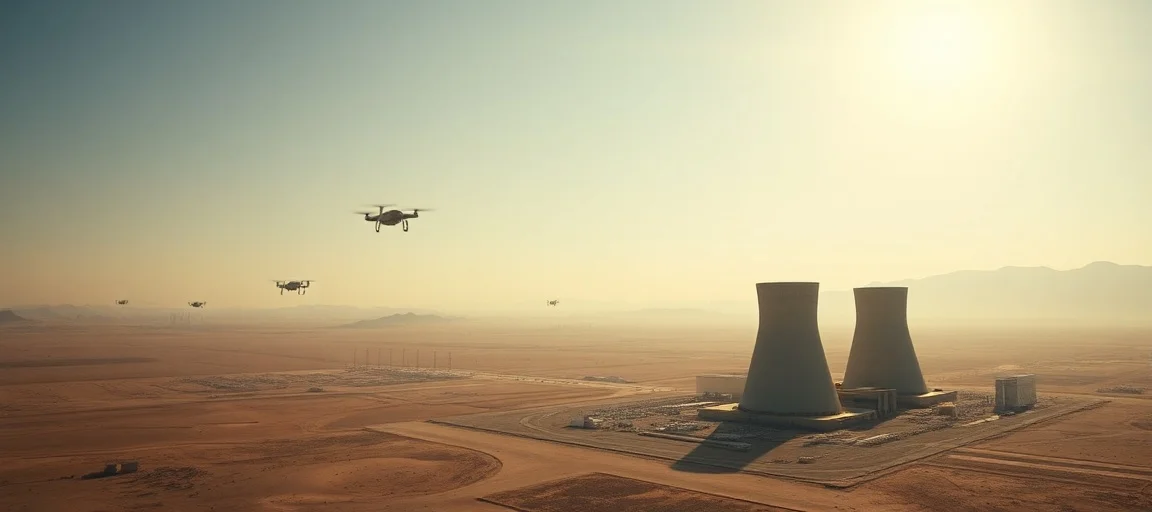
Reports have emerged of a significant drone attack hitting a nuclear plant in the United Arab Emirates, an incident which has seen Iraq linked to the attack and sent shockwaves through the region. This development marks a serious escalation in tensions and raises profound questions about regional security. The attack on a UAE Nuclear Plant by suspected drones has drawn international concern and calls for de-escalation, highlighting the volatile nature of the Middle East's geopolitical landscape and the growing threat of unmanned aerial vehicle (UAV) warfare.
- Alleged Drone Attack on UAE Nuclear Facility
- Drones Hit UAE Nuclear Plant; Iraq Linked to Attack: Unraveling Allegations
- International Reactions and Calls for De-escalation
- Impact and Future Implications
- Frequently Asked Questions
- Further Reading & Resources
- Conclusion: A Precedent for Regional Instability
Alleged Drone Attack on UAE Nuclear Facility
The alleged drone attack on a critical Emirati nuclear facility has ignited widespread concern regarding the security of vital infrastructure in the Middle East. Initial reports suggest that several unmanned aerial vehicles penetrated UAE airspace, targeting the Barakah Nuclear Energy Plant located in the Al Dhafra region of Abu Dhabi. The Barakah plant is the Arab world's first multi-unit operating nuclear power plant and a cornerstone of the UAE's strategy for clean energy diversification.
While official statements from UAE authorities regarding the extent of the damage, if any, have been cautious, the very notion of a successful penetration of the plant's sophisticated air defense systems by hostile drones is deeply troubling. Such an incident underscores the evolving nature of modern warfare, where readily available and relatively inexpensive drone technology can be weaponized to target high-value assets. The precision and coordination attributed to the alleged attack point towards a level of sophistication that goes beyond amateur operations, suggesting state-sponsored involvement or well-equipped non-state actors. The exact type and origin of the drones used in the alleged attack remain subjects of intense investigation, with preliminary analyses focusing on their operational range and payload capabilities.
Barakah Plant: A Strategic Target
The Barakah Nuclear Energy Plant holds immense strategic importance for the UAE. It is a critical component of the nation's energy infrastructure, designed to provide a significant portion of its electricity needs and reduce its carbon footprint. The plant's four reactors are a symbol of the UAE's technological ambition and its commitment to a sustainable energy future. Targeting such a facility carries not only the risk of potential environmental catastrophe, should a reactor be compromised, but also significant economic disruption and a profound psychological impact on the populace. The plant's robust safety protocols and advanced security measures are designed to withstand various threats, yet the alleged drone incident highlights the persistent challenges posed by asymmetric warfare.
The security implications extend beyond the immediate physical damage. An attack, even if unsuccessful in causing significant operational disruption, could erode investor confidence in the region, disrupt global energy markets, and trigger a broader security crisis. The fact that the plant is a nuclear facility amplifies these concerns exponentially, drawing immediate international scrutiny from bodies like the International Atomic Energy Agency (IAEA) and various global powers invested in nuclear non-proliferation and safety.
Drones Hit UAE Nuclear Plant; Iraq Linked to Attack: Unraveling Allegations
Following the reported drone incursions, an obscure group, reportedly operating from within Iraq, swiftly claimed responsibility for the operation. While the veracity of such claims is often difficult to ascertain immediately, particularly in a region rife with proxy conflicts and disinformation campaigns, the alleged link to Iraq has added a complex layer to the ongoing crisis. The group, identifying itself as "True Promise Brigades" or a similar entity, issued statements via social media channels and obscure news outlets, asserting their involvement and citing grievances against the UAE's foreign policy or its presence in regional conflicts.
The Iraqi government has, thus far, vehemently denied any involvement or complicity in the alleged attack, condemning any actions that would destabilize regional security. Iraqi officials have pledged to investigate the claims and ensure that Iraqi territory is not used as a launching pad for attacks against neighboring states. However, the presence of numerous armed groups within Iraq, some with strong ties to external state actors and operating with varying degrees of autonomy, complicates Baghdad's ability to control all activities originating from its soil. This dynamic often leads to accusations and counter-accusations, making it difficult to pinpoint direct state responsibility, even when non-state actors are involved.
Past Precedents and Regional Tensions
The alleged link to Iraq is not unprecedented in the context of recent regional aggressions. In recent years, several drone and missile attacks targeting Saudi Arabia and the UAE have been attributed to or claimed by groups operating from Yemen or Iraq. These incidents often occur amidst escalating geopolitical tensions, particularly those involving Iran and its allies or proxy conflicts across the Middle East. The use of drones has become a favored tactic for these groups, offering a relatively low-cost, high-impact method of projecting power and causing disruption, often without directly implicating state sponsors.
The specific motivations behind the alleged Drones Hit UAE Nuclear Plant; Iraq Linked to Attack scenario could stem from a variety of factors:
- Regional Power Dynamics: A desire to exert pressure on the UAE regarding its foreign policy stance, its involvement in certain regional conflicts, or its growing economic and political influence.
- Proxy Warfare: The incident could be a manifestation of broader proxy conflicts, with the alleged Iraqi-linked group acting on behalf of a larger state actor seeking to send a message or escalate tensions without direct confrontation.
- Internal Dissension: The attack might also be an attempt by specific factions within Iraq to challenge the authority of the central government or to advance their own political agendas.
Understanding these underlying dynamics is crucial for deciphering the true nature and implications of the alleged attack.
International Reactions and Calls for De-escalation
The international community has responded to the alleged drone attack with a mix of concern and condemnation, urging all parties to exercise restraint and work towards de-escalation. Major global powers, including the United States, European Union member states, and the United Nations, have issued statements underscoring the dangers of attacks on civilian infrastructure, particularly nuclear facilities, and emphasizing the need for a thorough investigation.
The International Atomic Energy Agency (IAEA) has likely offered its expertise to assess the security situation at the Barakah plant and ensure its continued safe operation. The IAEA's role is critical in maintaining global nuclear safety and security standards, and any threat to a nuclear facility is taken with the utmost seriousness. The incident serves as a stark reminder of the global interconnectedness of nuclear safety and the potential for regional conflicts to have far-reaching international consequences.
Diplomatic Efforts and Security Consultations
Behind the scenes, intense diplomatic efforts are likely underway to prevent further escalation. This includes bilateral discussions between the UAE and Iraq, as well as multilateral consultations involving other regional and international actors. The goal is to gather intelligence, verify claims, and collectively pressure any parties responsible to cease hostile activities. Security analysts and intelligence agencies worldwide are undoubtedly scrutinizing the technical details of the drone attack, seeking to identify the specific capabilities and operational patterns of the perpetrators.
Such consultations often involve:
- Intelligence Sharing: Exchange of information between allied nations to understand the origin and capabilities of the attacking drones.
- Security Assessments: Reviews of existing air defense systems and critical infrastructure protection protocols in the UAE and wider Gulf region.
- Sanctions and Deterrence: Discussions about potential punitive measures against responsible parties and strategies to deter future attacks.
The stability of the Persian Gulf is intrinsically linked to global energy security and trade. Any significant disruption or escalation in this vital waterway could have ripple effects across the world economy, making a diplomatic resolution and de-escalation a paramount objective for the international community.
Impact and Future Implications
The alleged drone attack on the UAE's Barakah Nuclear Energy Plant, with its purported links to Iraq, has profound implications that extend across various domains. The incident not only highlights immediate security vulnerabilities but also signals a worrying trend in regional conflict.
Regional Security Landscape Transformed
The most immediate impact is on the regional security landscape. Attacks on critical infrastructure, especially nuclear facilities, raise the stakes considerably. It could prompt the UAE and its allies to bolster their air defense capabilities, potentially leading to increased military spending and closer security cooperation. This could manifest as renewed discussions around integrated air and missile defense systems, involving key partners like the United States, and potentially influencing arms deals and military exercises in the Gulf. Furthermore, it might exacerbate existing proxy conflicts, drawing more actors into direct or indirect confrontations. The incident sets a dangerous precedent, potentially encouraging other non-state actors or rival nations to consider similar tactics, thus increasing the overall risk profile of the region.
The psychological impact on the population is also significant. The targeting of a symbol of national progress and a source of essential energy can create widespread anxiety and a sense of vulnerability, potentially leading to calls for stronger government action and a more aggressive stance against perceived threats.
Evolution of Drone Warfare
The alleged attack further underscores the evolving nature of drone warfare. Drones offer advantages in terms of deniability, cost-effectiveness, and precision, making them attractive to both state and non-state actors. The sophistication reportedly observed in this incident, if confirmed, indicates that adversaries are becoming more adept at overcoming advanced defensive measures. This necessitates a continuous re-evaluation and upgrade of counter-drone technologies and strategies, including:
- Advanced Radar Systems: To detect small, fast-moving drones at greater ranges.
- Electronic Warfare: To jam or disrupt drone control signals.
- Laser Defense Systems: For kinetic interception of incoming threats.
- Cybersecurity Measures: To protect against hacking and manipulation of drone systems.
The proliferation of drone technology, both commercial and military-grade, presents a persistent challenge to conventional security paradigms, requiring innovative and multi-layered defense solutions.
Nuclear Safety and Proliferation Concerns
Beyond the immediate security and military implications, the targeting of a nuclear facility raises serious concerns about nuclear safety and proliferation. Even a failed attack could highlight vulnerabilities that could be exploited in the future, potentially leading to a catastrophic accident or the spread of radioactive material. The international community, led by bodies like the IAEA, will likely intensify its efforts to reinforce security protocols around nuclear power plants worldwide and promote robust physical protection systems. This includes reviewing perimeter security, drone detection and neutralization capabilities, and emergency response plans for radiological incidents.
The incident also adds another layer of complexity to non-proliferation efforts. If non-state actors or less stable regimes perceive drone attacks on nuclear facilities as an effective tactic, it could incentivize them to acquire or develop such capabilities, further destabilizing an already fragile region. Such developments could challenge the foundational principles of the Nuclear Non-Proliferation Treaty (NPT) and make international oversight significantly more difficult. The long-term consequences could include a breakdown of arms control regimes and an increased risk of nuclear-related incidents globally.
Frequently Asked Questions
Q: What is the significance of the Barakah Nuclear Energy Plant?
A: The Barakah plant is the UAE's first multi-unit operating nuclear power plant, critical for its energy diversification and a symbol of its technological ambition. Targeting it risks environmental, economic, and psychological impact.
Q: Which group claimed responsibility for the alleged drone attack?
A: An obscure group, reportedly operating from Iraq and identifying itself as "True Promise Brigades" or similar, swiftly claimed responsibility via social media. The Iraqi government has denied involvement and pledged investigations.
Q: What are the broader implications of this drone attack?
A: The attack highlights evolving drone warfare capabilities, transforms the regional security landscape, and raises serious international concerns about nuclear safety and the proliferation of advanced military technologies and tactics.
Further Reading & Resources
- International Atomic Energy Agency (IAEA) Official Website
- Emirates Nuclear Energy Corporation (ENEC) Official Website
- United Nations Security Council Resolutions
Conclusion: A Precedent for Regional Instability
The alleged Drones Hit UAE Nuclear Plant; Iraq Linked to Attack incident marks a critical juncture in regional geopolitics, underscoring the urgent need for de-escalation, rigorous investigation, and enhanced international cooperation. While the full scope of the attack and the exact culpability of all parties remain under intense scrutiny, the event has undeniably sent shockwaves through the Middle East and beyond. It highlights the growing menace of drone warfare and the profound security challenges facing critical infrastructure in an increasingly volatile world. Addressing these complex threats will require not only robust defensive measures but also sustained diplomatic engagement to tackle the root causes of regional instability and prevent future acts of aggression. The international community must remain vigilant and united in safeguarding global peace and security.