Deadly Rainstorms Hit China's Chongqing: 3 Dead, 19 Missing
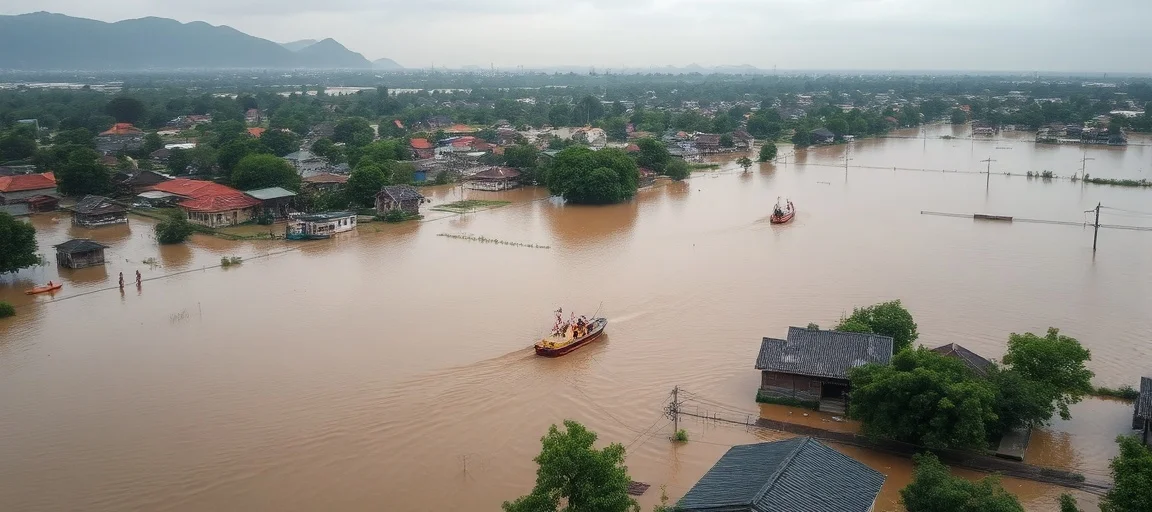
Intense and unprecedented rainfall has lashed China's southwestern municipality of Chongqing, leading to widespread flooding, landslides, and a tragic loss of life. Authorities confirmed that deadly rainstorms hit China's Chongqing: 3 dead, 19 missing in the aftermath of the severe weather event, which began impacting the region on May 20, 2026. The extreme precipitation has devastated communities, submerged critical infrastructure, and prompted urgent large-scale rescue operations across the affected areas of the vast municipality.
- Chongqing Hit by Catastrophic Deluge
- Escalating Crisis: Search and Rescue Operations Underway
- Economic and Social Ramifications After Deadly Rainstorms Hit China's Chongqing
- Government Response and Relief Efforts
- Long-Term Recovery and Climate Change Considerations
- Conclusion: Chongqing Faces a Challenging Path Ahead
- Frequently Asked Questions
- Further Reading & Resources
Chongqing Hit by Catastrophic Deluge
The mountainous terrain of Chongqing, a major economic hub and populous municipality in southwestern China, has been particularly vulnerable to the recent torrential downpours. The region experienced an onslaught of heavy rainfall, with some areas recording precipitation levels unseen in decades. The initial reports indicated that the rainstorms, which intensified rapidly, caught many residents off guard, leading to the immediate and tragic consequences of fatalities and disappearances.
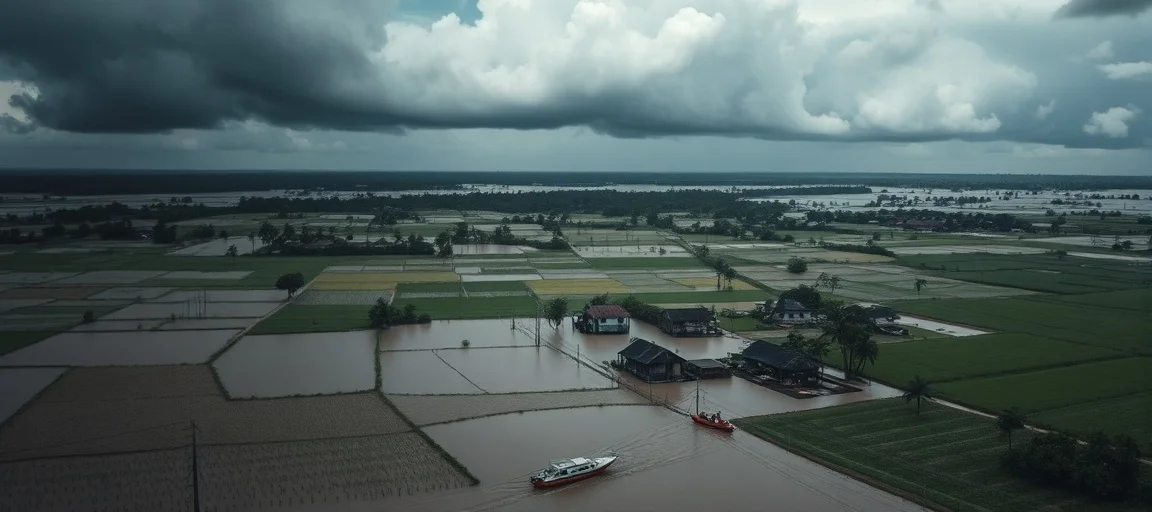
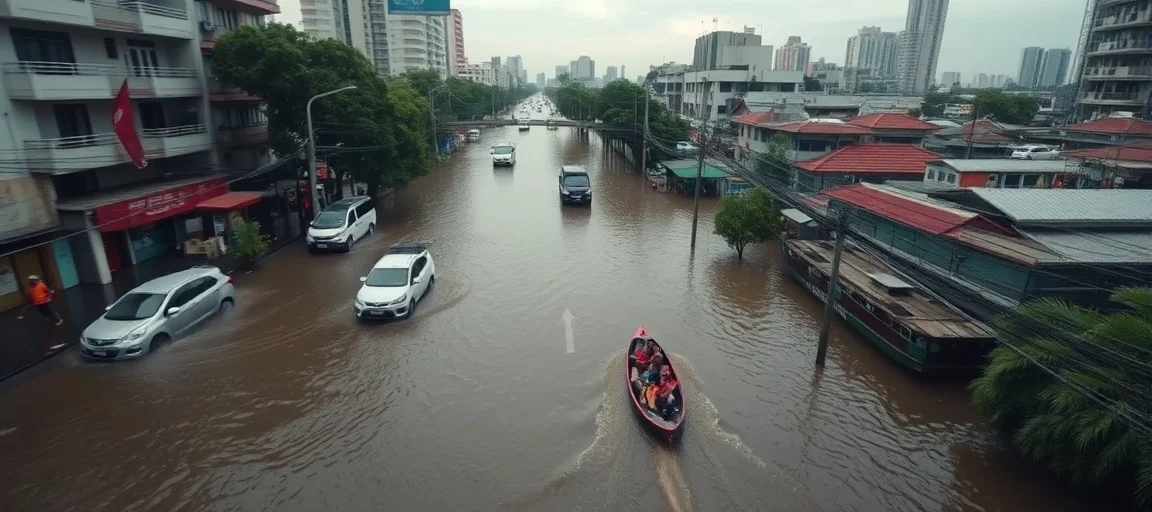
The scale of the disaster quickly escalated as rivers overflowed their banks, turning streets into raging torrents and triggering numerous landslides. These landslides, a common hazard in Chongqing's rugged landscape, have not only caused structural damage but have also obstructed critical transportation routes, complicating rescue and relief efforts. The sheer volume of water overwhelmed drainage systems, leading to extensive urban and rural flooding, displacing thousands of people from their homes. Local meteorologists have attributed the intensity of these rainstorms to a confluence of atmospheric conditions, warning that such extreme weather events may become more frequent in the future.
Geographical Vulnerability and Impact
Chongqing's unique geography, characterized by its position at the confluence of the Yangtze and Jialing rivers and its predominantly mountainous landscape, makes it inherently susceptible to flooding and landslides during heavy rainfall. The recent deluge exacerbated these pre-existing vulnerabilities, as water cascaded down hillsides, picking up debris and causing immense destruction. The municipality's sprawling population, including dense urban centers and numerous rural communities, means that a wide range of areas, from bustling city districts to remote villages, have felt the direct impact of the storms.
The immediate aftermath saw emergency services struggling to reach some of the most isolated communities, which were cut off by impassable roads and communication disruptions. The focus quickly shifted to search and rescue, with a desperate effort to locate the 19 individuals reported missing amidst the chaos and destruction. The tragic loss of three lives underscores the extreme danger posed by these weather events, prompting authorities to issue severe weather warnings and implement emergency response protocols across the region.
Escalating Crisis: Search and Rescue Operations Underway
In response to the unfolding disaster, a massive search and rescue operation was immediately launched across Chongqing. Thousands of emergency personnel, including firefighters, police, and military units, have been mobilized to aid affected communities. Their primary objectives have been to evacuate stranded residents, provide urgent medical assistance, and search for the missing individuals. The difficult terrain, coupled with ongoing adverse weather conditions, has presented significant challenges to these operations, making every rescue effort a perilous undertaking.
Rescue teams have been utilizing a variety of resources, including inflatable boats, specialized vehicles, and even drones, to navigate the flooded areas and reach isolated residents. The urgency of the situation is paramount, as the window for finding survivors dwindles with each passing hour. Local hospitals and medical centers are on high alert, prepared to receive and treat those injured or suffering from exposure as a result of the storms.
Evacuations and Shelter Provisions
To mitigate further casualties and protect vulnerable populations, large-scale evacuation orders were issued for areas at high risk of flooding and landslides. Thousands of residents have been moved to temporary shelters set up in schools, community centers, and other public buildings. These shelters are providing essential services, including food, water, and medical care, to those displaced by the disaster. The psychological impact on evacuees, many of whom have lost their homes and livelihoods, is also a significant concern, with social workers providing support where possible.
The rapid deployment of resources for evacuation and sheltering highlights the immediate priority placed on human life and safety. Authorities are working tirelessly to ensure that all those displaced have access to basic necessities and a safe environment until they can return to their homes or find alternative long-term accommodation. The sheer number of people affected underscores the immense logistical challenge faced by the local government in managing this crisis.
Economic and Social Ramifications After Deadly Rainstorms Hit China's Chongqing
The deadly rainstorms hit China's Chongqing: 3 dead, 19 missing, and their impact extends far beyond the immediate casualties and displacements. The economic ramifications are expected to be substantial, with damage to agriculture, infrastructure, and local businesses. Chongqing is a significant agricultural producer, and widespread crop destruction will likely have a ripple effect on local food supplies and the livelihoods of farmers. Roads, bridges, and communication networks have been damaged or destroyed, disrupting transportation and trade.
The long-term social impact is also a serious concern. Communities have been torn apart, and many individuals face the daunting task of rebuilding their lives from scratch. The trauma of experiencing such a devastating natural disaster can have lasting psychological effects, requiring sustained support for affected populations. The disruption to daily life, including school closures and interruptions to essential services, further exacerbates the challenges faced by residents.
Infrastructure Devastation
The torrents of water have caused extensive damage to Chongqing's infrastructure. Roads have been washed away, bridges have collapsed, and railway lines have been submerged or undermined. Power outages are widespread, and in some areas, water supply systems have been compromised. The repair and reconstruction of this vital infrastructure will be a monumental task, requiring significant financial investment and time. The disruption to transportation networks has also hampered the delivery of aid to remote areas, compounding the difficulties faced by rescue teams.
The municipality's robust industrial base, including manufacturing and technology sectors, may also experience disruptions due to power outages, damaged supply chains, and difficulties for employees to reach workplaces. This could have a broader economic impact beyond the immediate region. The assessment of the full extent of infrastructure damage is ongoing, but early indications suggest a long and arduous recovery process.
Agricultural Losses and Food Security
Chongqing's agricultural sector has been severely hit. Vast swathes of farmland have been submerged, destroying crops such as rice, corn, and vegetables. Livestock has also been lost in some areas. This destruction not only represents a significant financial blow to farmers but also raises concerns about local food security in the coming months. The government will need to implement measures to support farmers, including financial aid and assistance with replanting, to help them recover from these losses. The impact on agricultural supply chains could also lead to price fluctuations in local markets.
The longer-term implications for the region's agricultural output will depend on the speed and effectiveness of recovery efforts. Ensuring access to food and essential supplies for affected communities will remain a top priority for authorities in the aftermath of the immediate crisis.
Government Response and Relief Efforts
The Chinese government has mobilized a comprehensive response to the disaster in Chongqing. President Xi Jinping and other top officials have called for an all-out effort to conduct rescue and relief work, prioritize the safety of the people, and minimize casualties. The central government has allocated emergency funds and resources to support the local authorities in their recovery efforts. This includes dispatching specialized disaster relief teams and providing essential supplies such as tents, blankets, and food.
Local government agencies in Chongqing have activated their highest emergency response levels, coordinating efforts across various departments, including meteorology, water resources, emergency management, and transportation. Regular briefings are being held to update the public on the situation and provide guidance to affected residents. The focus remains on immediate relief, but discussions are also beginning on long-term recovery and resilience-building strategies to better withstand future extreme weather events.
Public Appeals and Community Solidarity
Amidst the devastation, there has been a strong outpouring of public support and community solidarity. Local volunteer groups have swiftly organized to assist in relief efforts, helping with evacuations, distributing aid, and providing comfort to those in temporary shelters. Donations of food, clothing, and other necessities have been pouring in from individuals and organizations across the municipality and beyond. This collective response underscores the resilience of the community in the face of adversity.
The spirit of cooperation between government agencies, NGOs, and ordinary citizens has been crucial in the initial stages of the disaster response. Social media platforms have also played a role in disseminating information, coordinating volunteer efforts, and helping people connect with loved ones in affected areas.
Long-Term Recovery and Climate Change Considerations
As the immediate crisis subsides, the focus will inevitably shift towards the long and arduous process of recovery and rebuilding. This will involve not only physical reconstruction but also addressing the psychological and economic toll on the affected communities. Lessons learned from the deadly rainstorms hit China's Chongqing: 3 dead, 19 missing will be crucial in developing more robust disaster preparedness and response mechanisms for the future.
Experts are also increasingly linking the intensity and frequency of such extreme weather events to the broader phenomenon of climate change. While no single event can be solely attributed to climate change, scientific consensus suggests that a warming planet leads to more erratic weather patterns, including more powerful rainstorms and increased risks of flooding and landslides. This disaster serves as a stark reminder of the urgent need for both adaptation strategies to cope with existing climate impacts and mitigation efforts to reduce greenhouse gas emissions globally.
Building Resilience Against Future Disasters
In the wake of this catastrophic event, there will be a strong emphasis on building greater resilience within Chongqing's infrastructure and communities. This could include upgrading drainage systems, reinforcing vulnerable slopes to prevent landslides, and implementing stricter building codes in flood-prone areas. Early warning systems for severe weather events will also likely be enhanced to provide residents with more time to prepare and evacuate.
Furthermore, public education campaigns will be vital to raise awareness about disaster preparedness and to equip residents with the knowledge and skills needed to respond effectively during emergencies. Investing in green infrastructure, such as wetlands and permeable surfaces, could also help manage stormwater runoff more effectively and reduce the impact of future floods.
Conclusion: Chongqing Faces a Challenging Path Ahead
The recent deadly rainstorms hit China's Chongqing: 3 dead, 19 missing have brought immense tragedy and destruction to the region. The immediate focus remains on locating the missing and supporting those displaced, while the long-term challenge of rebuilding shattered communities and infrastructure looms large. The disaster underscores the vulnerability of even well-developed regions to the escalating impacts of extreme weather.
As rescue and relief efforts continue, the resilience of the people of Chongqing, coupled with comprehensive government support and international solidarity, will be paramount in navigating the difficult path to recovery. This event serves as a stark reminder of the urgent need for robust disaster preparedness and a global commitment to addressing the underlying causes of climate change, which are contributing to the increased frequency and intensity of such devastating natural phenomena. The road ahead for Chongqing will be challenging, but the determination to overcome adversity remains strong.
Frequently Asked Questions
Q: What is the current casualty count from the Chongqing rainstorms?
A: Authorities have confirmed 3 fatalities, and 19 individuals are currently reported missing. Rescue operations are ongoing to locate the missing and assist affected residents.
Q: What caused the severe rainstorms in Chongqing?
A: Local meteorologists attribute the intense rainfall to a confluence of atmospheric conditions. Experts increasingly link such extreme weather events to broader climate change patterns.
Q: How is the Chinese government responding to the disaster?
A: The government has launched a comprehensive response, mobilizing thousands of emergency personnel, allocating emergency funds, and providing essential supplies. Large-scale evacuations and the establishment of temporary shelters are also underway.