Crucial Mideast Talk: Navigating Complex Geopolitical Landscapes
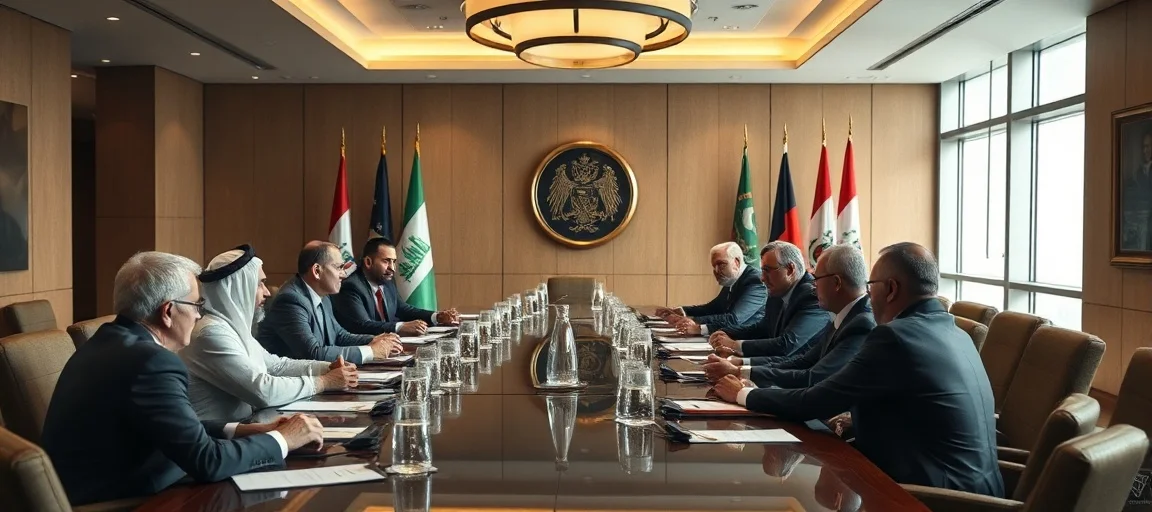
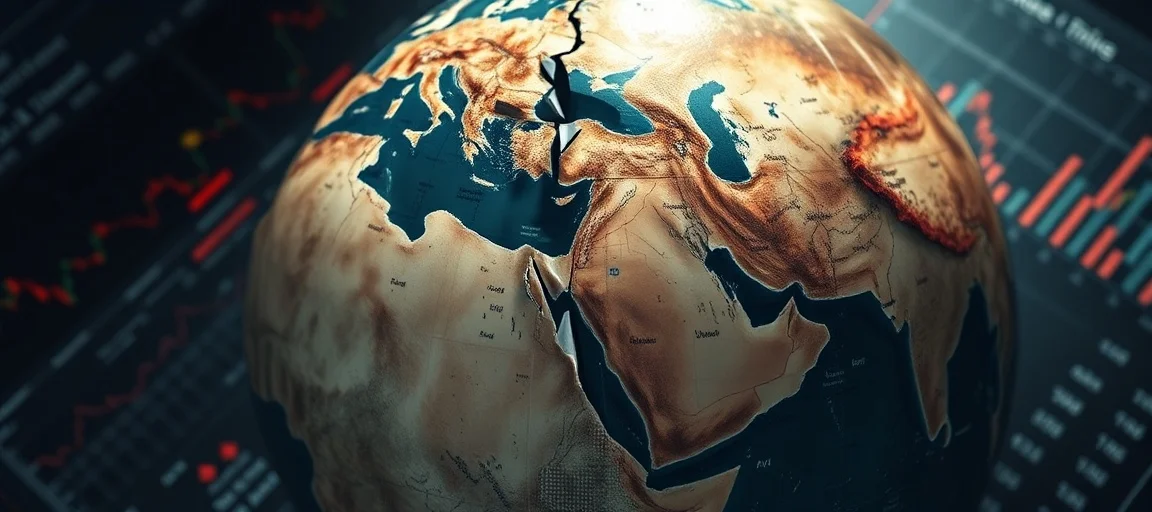
The Middle East remains a focal point of global attention, characterized by intricate historical narratives and evolving political dynamics. Amidst this complexity, the ongoing Mideast Talk represents a crucial effort by various regional and international actors to foster stability, address long-standing conflicts, and forge pathways for cooperation. These diplomatic engagements are essential for navigating the complex geopolitical landscapes that define the region, impacting everything from security alliances to economic development. Understanding the nuances of these discussions is paramount for anyone keen on current global events.
Background Context of Mideast Talk
The history of the Middle East is rich with periods of both profound cooperation and deep-seated conflict, making every iteration of Mideast talk a continuation of a multifaceted historical dialogue. For decades, the region has been a crucible of geopolitical ambition, resource competition, and ideological differences, all of which contribute to the challenging environment for peacemaking. The foundational issues, such as the Israeli-Palestinian conflict, regional rivalries like those between Iran implications of the Iran nuclear deal and Saudi Arabia, and the humanitarian crises stemming from various civil wars the evolution of regional conflicts, consistently frame the agenda of these high-level discussions.
Historical Overview of Dialogue
Past diplomatic initiatives have often been characterized by episodic breakthroughs followed by periods of stagnation or renewed conflict. Landmark agreements, such as the Oslo Accords in the 1990s and the Abraham Accords more recently, demonstrate the potential for progress when conditions align and key players commit to dialogue. However, these successes have rarely fully resolved the underlying tensions. The historical context reveals that effective Mideast talk requires sustained engagement, a willingness to compromise, and robust international backing to overcome deeply entrenched mistrust and divergent interests.
Key Players and Stakes
Numerous actors hold significant stakes in the outcome of Mideast talk. Regional powers like Saudi Arabia, Iran, Egypt, Turkey, and Israel are central, each with their own national interests, security concerns, and regional influence. Beyond the immediate region, global powers such as the United States exploring US foreign policy shifts, the European Union, Russia, and China also play pivotal roles, often acting as mediators, guarantors, or providers of humanitarian aid and economic incentives. Their involvement is driven by a range of strategic concerns, including energy security, counter-terrorism efforts, and maintaining global stability. The stakes are extraordinarily high, encompassing the lives and livelihoods of millions, the stability of global energy markets, and the broader international security architecture.
Recent Developments in Mideast Talk
In recent years, the landscape of Mideast talk has seen significant shifts, driven by evolving alliances, new economic imperatives, and persistent security challenges. The focus has expanded beyond traditional peace processes to encompass broader regional stability, economic integration, and environmental cooperation. Despite persistent obstacles, there have been renewed efforts to engage in dialogue across historical divides.
Current Initiatives and Agendas
Several notable initiatives underscore the current diplomatic landscape. For instance, ongoing efforts to de-escalate tensions between Saudi Arabia and Iran, facilitated by third parties like China, have yielded some progress, including the restoration of diplomatic ties. This development has ripple effects across the region, potentially easing proxy conflicts and fostering a more stable environment for broader discussions. Simultaneously, various international forums continue to address the Israeli-Palestinian conflict, albeit with limited success in achieving a comprehensive resolution. The emphasis often shifts to humanitarian aid, economic development projects, and maintaining existing ceasefires.
Furthermore, discussions around climate change and water scarcity have begun to emerge as critical components of Mideast talk agendas. These shared challenges, which transcend political boundaries, present unique opportunities for cooperation and build confidence among nations that might otherwise be at odds. Initiatives focusing on renewable energy projects and cross-border water management are gaining traction, reflecting a growing recognition that common threats require collective solutions.
Key Obstacles and Challenges
Despite these efforts, significant obstacles continue to impede progress in Mideast talk. Deep-seated mistrust, fueled by historical grievances and ongoing proxy conflicts, remains a formidable barrier. The lack of a unified regional vision, coupled with external interventions that sometimes exacerbate divisions, complicates the path to sustainable peace. Economic disparities and the struggle for resources further compound these challenges, often leading to internal instability and regional competition.
Moreover, the shifting geopolitical alliances, particularly the strategic interests of global powers, can sometimes create additional complexities. While international engagement is crucial, divergent interests among global actors can inadvertently undermine cohesive diplomatic efforts. The persistent issue of non-state actors and extremist groups also poses a significant threat, capable of derailing fragile peace processes and escalating violence. These multifaceted challenges necessitate innovative and adaptable diplomatic strategies to achieve meaningful and lasting resolutions.
Regional Impact and International Implications of Mideast Talk
The outcomes of Mideast talk reverberate far beyond the immediate geographical confines of the Middle East. They have profound regional impacts on the lives of millions and significant international implications for global stability, economic markets, and security frameworks.
Economic Consequences of Diplomacy
Successful diplomatic engagements and agreements can unlock substantial economic opportunities for the region. Reduced tensions and increased stability are vital for attracting foreign investment, fostering trade, and promoting tourism, all of which contribute to job creation and economic growth. Projects like regional energy grids, integrated transport networks, and shared technological initiatives become viable when political trust is established. The restoration of diplomatic ties between major regional players, for example, often leads to the reopening of trade routes and new economic partnerships, benefiting populations across the Middle East. Conversely, prolonged conflict and political instability deter investment, disrupt supply chains, and cripple economic development, pushing millions into poverty and increasing humanitarian needs.
The economic implications extend globally. The Middle East's role as a major energy producer means that regional stability directly impacts global oil and gas prices. Disruptions in the region can lead to volatility in international markets, affecting economies worldwide. Therefore, successful Mideast talk that leads to greater stability is not just a regional benefit but a global economic imperative.
Security Ramifications Across Borders
The security ramifications of Mideast talk are equally critical. Resolution of conflicts and de-escalation of tensions contribute directly to regional security, reducing the likelihood of interstate warfare and proxy conflicts. Cooperation on counter-terrorism initiatives, intelligence sharing, and border security becomes more feasible when diplomatic channels are open and trust is being built. This helps to contain extremist ideologies and prevent the proliferation of weapons, including those of mass destruction.
Internationally, the security of the Middle East is intrinsically linked to global security. The rise of extremist groups, refugee crises, and the flow of illicit arms often have their origins or exacerbations in regional conflicts. Effective Mideast talk can mitigate these threats, reducing the pressure on international humanitarian systems and lessening the risk of broader geopolitical confrontations. Global powers are therefore keen to see stable and secure outcomes from these discussions, as it directly impacts their own national security interests and the wider international order.
Expert Perspectives and Future Outlook
Understanding the various perspectives from seasoned diplomats and analysts is crucial for gauging the potential trajectory of Mideast talk. These experts offer insights into the complexities of negotiations and the realistic pathways forward.
Diplomatic Assessments
Many seasoned diplomats emphasize that genuine progress in the Middle East hinges on a fundamental shift from zero-sum thinking to a more collaborative approach. Veteran negotiators often highlight the importance of incremental steps, confidence-building measures, and sustained, quiet diplomacy over grand, public declarations. They argue that successful Mideast talk requires an understanding of each party's core security concerns and a willingness to offer tangible concessions. Furthermore, the role of reliable mediators, who can maintain impartiality and facilitate difficult conversations, is frequently cited as indispensable. Experts also point to the need for durable mechanisms to monitor and enforce agreements, preventing backsliding and ensuring accountability.
Some analysts also suggest that the younger generation of leaders in the region may be more pragmatic and open to dialogue, driven by economic development needs rather than solely ideological considerations. This demographic shift, they contend, could present new opportunities for breakthrough.
Potential Pathways to Resolution
Looking ahead, several potential pathways could lead to more enduring resolutions in the Middle East. One promising avenue involves broadening the scope of Mideast talk to include issues of shared prosperity and environmental sustainability. By focusing on common challenges such as water scarcity, renewable energy, and regional economic integration, nations might find common ground that transcends political disputes. Collaborative projects in these areas can build trust and create interdependencies, making conflict less appealing.
Another pathway involves strengthening regional security architectures, potentially through a series of non-aggression pacts or regional security forums. Such frameworks could provide platforms for ongoing dialogue, crisis management, and confidence-building measures, gradually reducing the reliance on external security guarantees and fostering indigenous solutions. The role of multilateral organizations in supporting these initiatives, both financially and diplomatically, remains critical. Ultimately, sustained international commitment and flexible diplomatic strategies will be essential for navigating the complex challenges and harnessing the opportunities that define the future of Mideast talk.
Conclusion
The ongoing Mideast Talk represents a vital, continuous process in a region of profound global significance. From historical legacies to contemporary challenges, these diplomatic efforts aim to navigate the intricate geopolitical landscapes and foster a more stable and prosperous future. While obstacles like deep-seated mistrust and shifting alliances persist, recent initiatives and evolving regional dynamics offer glimmers of hope. The economic prosperity and security of the Middle East, and by extension, the world, are inextricably linked to the success of these crucial discussions. Sustained dialogue, creative solutions, and genuine commitment from all parties will remain essential in transforming aspirations for peace into tangible realities across the region.
Frequently Asked Questions
Q: What is "Mideast Talk" about?
A: "Mideast Talk" refers to ongoing diplomatic efforts and discussions among regional and international actors aimed at resolving conflicts, fostering stability, and promoting cooperation in the Middle East. These talks address issues from peace processes to economic development.
Q: Who are the main participants in Mideast Talk?
A: Key regional participants include Saudi Arabia, Iran, Egypt, Turkey, and Israel. Major global powers like the United States, European Union, Russia, and China also play significant roles as mediators or stakeholders.
Q: What are the biggest challenges to successful Mideast Talk?
A: Major challenges include deep-seated historical mistrust, ongoing proxy conflicts, divergent national interests, economic disparities, and external interventions. The presence of non-state actors also complicates peace processes.