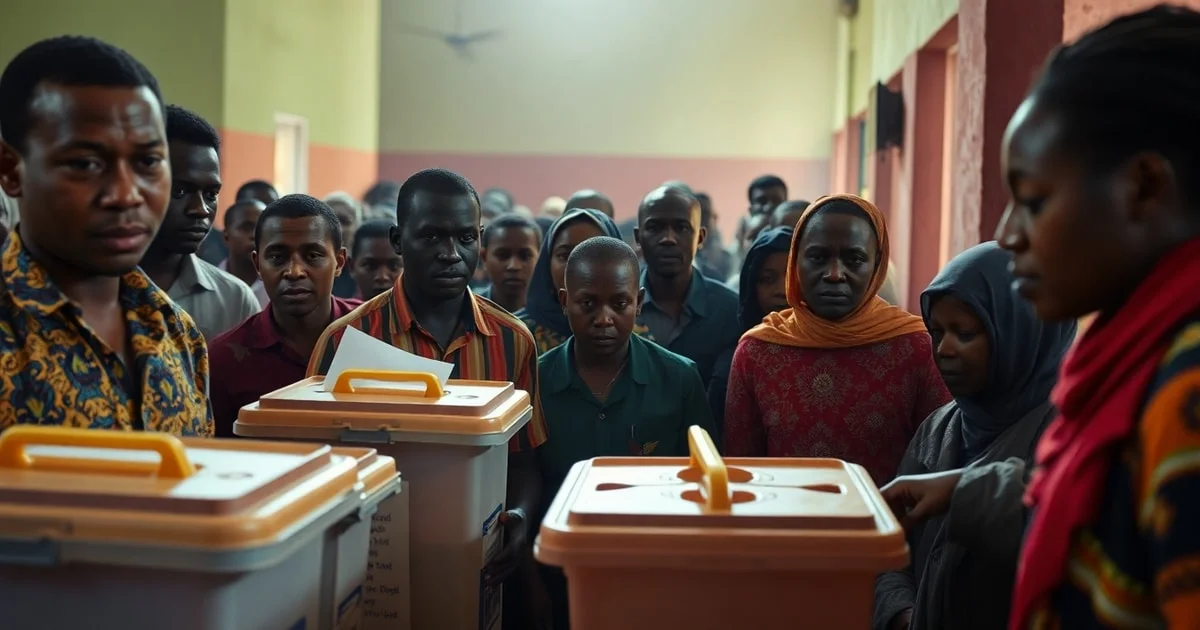
Congo Ebola Outbreak Spreads: Wild Meat Link Eyed in Resurgence
The Democratic Republic of Congo (DRC) is once again grappling with the terrifying specter of Ebola, as a recent resurgence of the deadly virus sees the Congo Ebola outbreak spreads: wild meat link eyed by health authorities as a potential primary vector. This concerning development has prompted swift international and national responses to contain the highly contagious disease, which has historically devastated communities across the region. The current outbreak, emerging in areas already vulnerable to public health crises, underscores the persistent challenges in disease surveillance and control in the heart of Africa, a topic often explored in depth in discussions about Challenges of Healthcare Infrastructure in Sub-Saharan Africa.
- Understanding the Latest Ebola Resurgence in Congo
- The Wild Meat Link: A Major Concern in the Congo Ebola Outbreak Spreads
- Symptoms and Transmission of Ebola Virus Disease
- Public Health Response and International Aid
- Challenges in Containing the Outbreak
- Impact on Local Communities and Beyond
- Conclusion: Confronting the Congo Ebola Outbreak Spreads: Wild Meat Link Eyed
- Frequently Asked Questions
- Further Reading & Resources
Understanding the Latest Ebola Resurgence in Congo
Ebola Virus Disease (EVD), often simply referred to as Ebola, is a severe, often fatal illness affecting humans and other primates. The latest outbreak in the Democratic Republic of Congo represents a critical public health challenge, with cases reported in multiple localities, indicating a potentially wider spread than initially anticipated. This resurgence comes at a time when the global health community continues to grapple with various infectious diseases, placing additional strain on already stretched resources.
The History of Ebola in the Democratic Republic of Congo
The DRC has a long and tragic history with Ebola, having experienced numerous outbreaks since the virus was first identified near the Ebola River in 1976. The country has been the epicenter of several significant epidemics, including the devastating 2018-2020 outbreak in North Kivu and Ituri provinces, which became the second-largest Ebola epidemic in history. These past experiences, while tragic, have equipped the DRC's health sector with valuable, albeit hard-won, expertise in managing and responding to EVD. Each new outbreak, however, presents unique challenges, often exacerbated by geographical, logistical, and socio-economic factors.
Geographic Scope of the Current Outbreak
The current Ebola outbreak, declared a Public Health Emergency of International Concern (PHEIC) by the World Health Organization (WHO) on May 16, 2026, is primarily centered in the Ituri Province of the Democratic Republic of Congo. Cases have also been reported in North Kivu and South Kivu provinces. Alarmingly, imported cases originating from Ituri have been identified in Uganda, including its capital city, Kampala. This regional spread is a significant concern, especially given the high population movement and cross-border travel in the affected areas. The outbreak is caused by the Bundibugyo virus, a rarer strain of Ebola for which no licensed vaccine or approved targeted antiviral treatment currently exists, complicating containment efforts.
The Bundibugyo Strain: A New Challenge
Unlike previous major outbreaks, which were predominantly caused by the Zaire ebolavirus, this current crisis is attributed to the Bundibugyo virus (BDBV). This particular strain was first identified in Uganda in 2007. The absence of an existing licensed vaccine or specific antiviral treatment for Bundibugyo virus presents a considerable challenge for health responders. This means that individuals vaccinated against the Zaire strain are still vulnerable to the Bundibugyo virus, requiring a different approach to treatment and prevention.
The Wild Meat Link: A Major Concern in the Congo Ebola Outbreak Spreads
One of the most pressing concerns in the current outbreak is the suspected link to wild meat, often referred to as bushmeat. Consuming or handling infected animals is a well-known pathway for zoonotic diseases like Ebola to jump from animals to humans, initiating an outbreak.
Zoonotic Transmission and Bushmeat
Ebola viruses are zoonotic, meaning they can be transmitted from animals to humans. Understanding Zoonotic Diseases and Pandemic Prevention is crucial for public health. Fruit bats are considered the natural hosts for Ebola viruses, carrying the virus without showing symptoms. Other animals, such as chimpanzees, gorillas, monkeys, forest antelope, and porcupines, can become infected through contact with bats and then transmit the virus to humans. This typically occurs through the handling of sick or dead infected animals, particularly during hunting, butchering, or preparing them for consumption. The consumption of wild meat is a common practice in many parts of the DRC, driven by cultural traditions and food insecurity.
Challenges in Addressing the Wild Meat Link
Addressing the wild meat link presents a multifaceted challenge. Cultural practices surrounding hunting and consumption of bushmeat are deeply ingrained in many communities. Economic factors, such as reliance on bushmeat for protein or income, further complicate efforts to discourage these practices. Moreover, distinguishing between safe and unsafe wild meat is virtually impossible without specialized testing, which is often unavailable in remote areas. Public health campaigns aimed at educating communities about the risks associated with wild meat consumption and promoting safer alternatives are crucial but require significant resources and culturally sensitive approaches.
Symptoms and Transmission of Ebola Virus Disease
Ebola is characterized by sudden onset of fever, intense weakness, muscle pain, headache, and sore throat. This is followed by vomiting, diarrhea, rash, impaired kidney and liver function, and in some cases, both internal and external bleeding.
How Ebola Spreads Among Humans
Ebola is highly contagious and spreads through direct contact with the blood, secretions, organs, or other bodily fluids of infected people, and from contaminated surfaces and materials (e.g., bedding, clothing). The virus can also persist in certain body fluids of survivors, leading to potential transmission even after recovery. Funeral rites involving direct contact with the body of the deceased have also been identified as significant transmission pathways in past outbreaks, as bodies of Ebola victims remain highly infectious.
The Incubation Period and Diagnosis
The incubation period, which is the time interval from infection with the virus to the onset of symptoms, can range from 2 to 21 days. Early diagnosis is critical for effective treatment and containing the spread of the disease. However, initial symptoms can be non-specific, often mistaken for other common tropical diseases like malaria or typhoid, which can delay diagnosis and lead to further transmission. Laboratory confirmation through RT-PCR (reverse transcription polymerase chain reaction) testing is essential for definitive diagnosis.
Public Health Response and International Aid
The declaration of a Public Health Emergency of International Concern by the WHO highlights the severity and potential for regional and international spread of this outbreak, emphasizing the need for Global Health Security in an Interconnected World. This declaration triggers enhanced international cooperation and resource mobilization to support the affected countries.
Containment Strategies
Containment efforts focus on several key pillars:
- Surveillance and Contact Tracing: Rapid identification of suspected cases and meticulous tracing of all contacts are crucial to break chains of transmission. This involves identifying everyone who may have come into contact with an infected person and monitoring them for symptoms.
- Isolation and Treatment: Suspected and confirmed cases are isolated in dedicated Ebola treatment centers where they receive supportive care. While there's no specific cure for Bundibugyo virus, supportive care, including fluid and electrolyte replacement, maintaining oxygen status and blood pressure, and treating other infections, can significantly improve survival rates.
- Safe and Dignified Burials: Implementing safe burial practices is paramount to prevent further spread from deceased individuals, while also respecting cultural norms.
- Community Engagement: Building trust and engaging with communities is vital for the success of any response. This includes educating the public about Ebola, its transmission, and prevention measures, and addressing misconceptions and fears.
- Vaccination: While a specific vaccine for the Bundibugyo strain is not yet available, research and development efforts are likely to be intensified. Existing vaccines against the Zaire strain offer no protection against BDBV.
International Cooperation and Funding
Organizations like the WHO, UNICEF, Médecins Sans Frontières (Doctors Without Borders), and various national and international NGOs are actively involved in supporting the DRC and Uganda's response efforts. This includes providing technical expertise, medical supplies, personal protective equipment (PPE), and financial aid. Direct Relief, for instance, has prepared a $2.5 million emergency shipment for clinics in Goma, including protective gear, supportive care treatments, and diagnostics. The Africa CDC has also warned that ten other African nations are at risk, underscoring the need for broad regional preparedness.
Challenges in Containing the Outbreak
The current Ebola outbreak in the Democratic Republic of Congo faces significant challenges that complicate containment efforts, making the situation particularly precarious.
Insecurity and Conflict
The eastern provinces of the DRC, where the outbreak is concentrated, are plagued by chronic insecurity and armed conflict. The presence of numerous militias and armed groups can hinder access for health workers, disrupt surveillance activities, and make it dangerous to deliver aid. Attacks on healthcare facilities have been reported, further compromising the ability to respond effectively. This instability often leads to population displacement, making contact tracing and monitoring extremely difficult.
Weak Healthcare Infrastructure
Many areas in the DRC have severely limited healthcare infrastructure, lacking adequate facilities, trained personnel, and essential medical supplies. This weakness in the health system makes it challenging to detect cases early, isolate patients effectively, and provide quality care. The cost of healthcare can also be prohibitive for many people, leading them to avoid seeking formal medical attention.
Public Mistrust and Misinformation
Past outbreaks have often been met with public mistrust towards health authorities and interventions, sometimes fueled by misinformation or rumors. This can lead to resistance to vaccination campaigns, contact tracing, and safe burial practices, severely undermining response efforts. Effective communication and community engagement strategies are crucial to build trust and ensure cooperation.
Mobility and Cross-Border Movements
The affected region, particularly Ituri Province, shares borders with Uganda and South Sudan, and experiences significant population movement due to trade, mining activities, and displacement from conflict. This high degree of mobility dramatically increases the risk of cross-border transmission, as evidenced by cases reported in Uganda. Monitoring and controlling movement across these porous borders are incredibly challenging.
Impact on Local Communities and Beyond
The human and socio-economic impact of an Ebola outbreak extends far beyond the immediate health crisis, particularly in already vulnerable regions.
Human Toll and Health System Strain
The most direct impact is the loss of life, with the Bundibugyo strain having a fatality rate between 21% and 50%. Beyond fatalities, survivors often face long-term health complications. The outbreak places immense strain on an already fragile healthcare system, diverting resources and personnel from other essential health services. Healthcare workers themselves are at high risk of infection, as seen by reported deaths among them.
Socio-Economic Disruptions
Ebola outbreaks cause significant socio-economic disruptions. Fear of the disease can lead to restrictions on movement, impacting trade, agriculture, and other economic activities. This can exacerbate food insecurity in regions already facing acute challenges. Children may miss school, and social stigma associated with the disease can lead to ostracism of survivors and their families.
Regional and Global Implications
The spread of Ebola beyond the DRC's borders, as seen with cases in Uganda, highlights the regional implications. Without effective containment, there is a risk of wider regional spread to neighboring countries. While the global risk is currently considered low, ongoing vigilance and preparedness are essential to prevent international transmission.
Conclusion: Confronting the Congo Ebola Outbreak Spreads: Wild Meat Link Eyed
The current Congo Ebola outbreak spreads: wild meat link eyed presents a grave challenge to public health in the Democratic Republic of Congo and the wider Central African region. The emergence of the Bundibugyo strain, coupled with ongoing insecurity, weak health infrastructure, and the complexity of addressing traditional practices like wild meat consumption, creates a difficult environment for disease control. The international community, in collaboration with national health authorities, must sustain and intensify efforts in surveillance, rapid response, community engagement, and research into effective treatments and vaccines for this particular strain. Preventing further spread and mitigating the devastating impact on human lives and livelihoods requires a coordinated, comprehensive, and culturally sensitive approach, driven by lessons learned from past epidemics.
Frequently Asked Questions
Q: What is the current status of the Ebola outbreak in Congo?
A: The current outbreak is centered in Ituri Province, with cases in North Kivu and South Kivu, and imported cases in Uganda. It is caused by the Bundibugyo virus, a strain for which there is no licensed vaccine or specific antiviral treatment, complicating containment efforts. The WHO declared it a Public Health Emergency of International Concern.
Q: How is wild meat linked to the spread of Ebola?
A: Ebola is a zoonotic disease, meaning it can jump from animals to humans. Handling or consuming infected wild animals (bushmeat) like bats, chimpanzees, or forest antelope is a known pathway for human infection. This practice is common in some DRC communities due to cultural traditions and food insecurity.
Q: What are the main challenges in containing this specific outbreak?
A: Key challenges include chronic insecurity and conflict in affected regions, hindering access for health workers and disrupting surveillance. Additionally, weak healthcare infrastructure, public mistrust, misinformation, and high cross-border population mobility complicate efforts to isolate cases and trace contacts effectively.