China Tech Surge: Navigating Innovation and Global Impact

The landscape of global technology is undergoing a profound transformation, with the China Tech sector experiencing an unprecedented surge in innovation and market influence. This rapid evolution, characterized by significant advancements across various industries, is reshaping economic paradigms and challenging established technological hegemonies. Navigating this dynamic environment requires a deep understanding of the key drivers behind China's technological prowess, from state-backed initiatives to a burgeoning private sector, and its widespread global impact.
The Ascendance of China Tech: A New Era of Innovation
China's technological rise has been a decades-long endeavor, but recent years have seen an acceleration that positions it at the forefront of several critical industries. Once primarily known for manufacturing and adopting foreign technologies, China has successfully transitioned into a hub for original research and development, particularly in areas deemed strategic for national growth and global competitiveness. This shift is fueled by massive investments in R&D, a vast talent pool, and supportive government policies aimed at fostering self-sufficiency and leadership in future technologies.
Strategic National Priorities
Beijing's overarching national strategies, such as "Made in China 2025" and the pursuit of "dual circulation," underscore a commitment to developing indigenous technological capabilities and reducing reliance on foreign components. These policies incentivize domestic innovation and aim to create resilient supply chains, especially in sensitive sectors like semiconductors and advanced materials. The focus extends beyond economic growth, intertwining technological advancement with national security and geopolitical objectives.
Investment in Research and Development
China's expenditure on research and development has consistently increased, surpassing many developed nations in absolute terms. This investment is channeled into both fundamental research and applied science, supporting a network of national laboratories, universities, and corporate R&D centers. The sheer scale of this investment underpins the rapid progress seen in areas like artificial intelligence, quantum computing, and biotechnology.
Key Sectors Driving Chinese Technological Growth
The multifaceted expansion of China Tech is evident across several pivotal sectors, each contributing significantly to the nation's domestic and international standing. From consumer electronics to heavy industry, Chinese firms are not only competing but often leading in innovation.
Artificial Intelligence (AI)
China has emerged as a global leader in artificial intelligence, driven by extensive data resources, government support, and a competitive private sector. Companies like Baidu, Alibaba, and Tencent are at the forefront of AI research and application, developing advanced facial recognition systems, natural language processing, and smart city solutions. The integration of AI into everyday life, from smart retail to autonomous vehicles, is pervasive across Chinese society, providing a unique environment for rapid iteration and deployment of AI technologies. The country's strong foundation in data collection and processing capabilities further accelerates AI development and allows for large-scale algorithmic training.
Electric Vehicles (EVs) and Green Technology
The EV market in China is the largest in the world, characterized by fierce domestic competition and rapid technological advancement. Brands such as BYD, Nio, and XPeng have not only dominated their home market but are increasingly making inroads into international territories. Beyond EVs, China is also a major player in renewable energy technologies, including solar panels, wind turbines, and battery storage solutions. This focus on green tech aligns with environmental goals and positions China as a key contributor to global efforts against climate change, while also creating new economic growth points. The emphasis on sustainable development has spurred innovation in areas like efficient energy storage and smart grid technologies.
Semiconductors
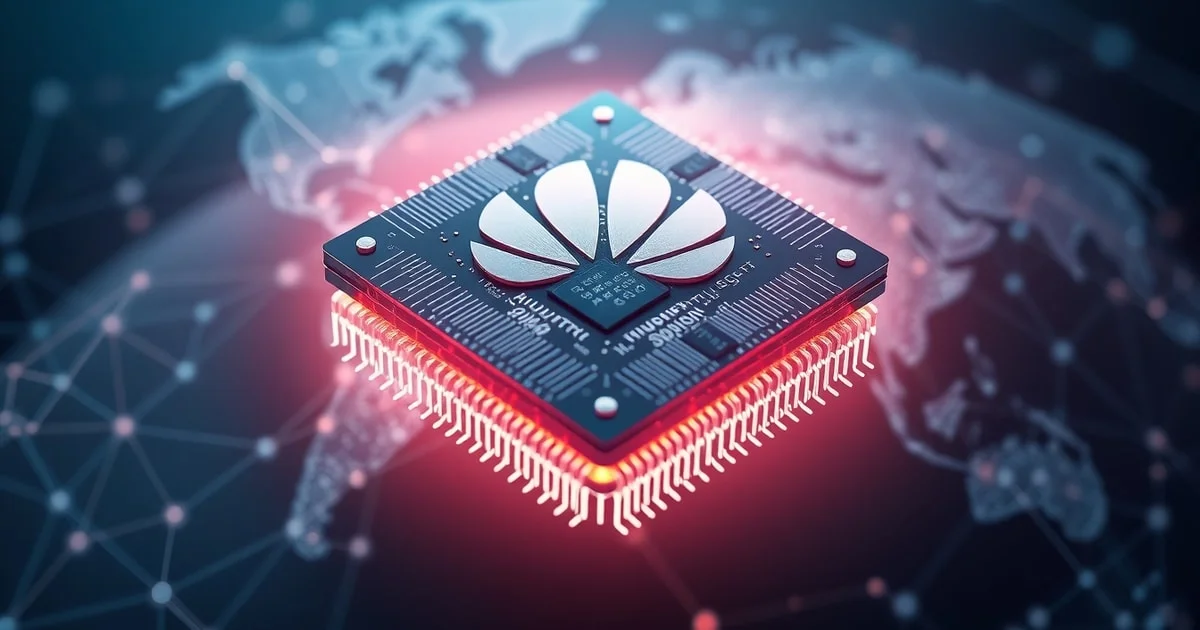
The semiconductor industry remains a critical battleground for technological supremacy. While China still faces challenges in advanced chip manufacturing, it has made significant strides in design, packaging, and the production of mature node chips. Huge investments are pouring into domestic semiconductor companies, with the goal of achieving self-sufficiency and reducing reliance on foreign suppliers. This push is seen as a strategic imperative to secure China's technological future amidst geopolitical tensions and supply chain vulnerabilities. The long-term vision involves nurturing an entire indigenous ecosystem, from materials to sophisticated manufacturing equipment.
E-commerce and Digital Services
Chinese e-commerce platforms like Alibaba's Taobao and JD.com continue to innovate, offering integrated services that combine online shopping with social media, financial services, and logistics. The sheer scale of digital adoption in China, coupled with a highly sophisticated mobile payment ecosystem, provides a fertile ground for companies to experiment with new business models and user experiences. Live-streaming commerce, for instance, has become a massive industry, driving sales and creating new forms of digital engagement. This dynamic environment encourages continuous innovation in user experience and logistical efficiency.
Expert Opinions and Future Outlook
Industry analysts and geopolitical observers offer varied perspectives on the future trajectory of China's technological ambitions. While acknowledging the impressive progress, many highlight the ongoing challenges and potential flashpoints.
Geopolitical Implications
"China's tech advancements are inherently intertwined with its geopolitical strategy," states Dr. Marcus Thorne, a specialist in international relations. "The pursuit of technological self-reliance isn't just about economic growth; it's about national security and asserting global influence. This often creates friction with Western nations, particularly the United States, as competition for technological dominance intensifies." The decoupling efforts and export controls imposed by some countries are seen as attempts to slow China's progress in critical areas, leading to increased domestic investment and accelerated indigenous development in China.
Innovation vs. Imitation
Historically, China has faced criticism for intellectual property theft and reverse engineering. However, experts increasingly point to a shift towards genuine innovation. "While some legacy issues persist, it's undeniable that Chinese companies are now leading in several cutting-edge fields," notes James Harrington, a technology analyst. "They are not just mimicking; they are often inventing new applications and business models, particularly in consumer-facing technologies and scalable AI solutions." This shift is critical for China to move up the value chain and secure its position as a true global innovation powerhouse.
Talent Pool and Ecosystem
China boasts the world's largest pool of STEM graduates, a demographic advantage that fuels its innovation engine. The intense competition within the domestic market also fosters rapid product cycles and a strong entrepreneurial spirit. This dynamic ecosystem, characterized by agile startups and massive tech giants, continually pushes the boundaries of what is technologically possible. The rapid urbanization and increasing disposable income also provide a vast domestic market for new technologies to be tested and refined.
Global Impact and Challenges for China Tech
The rise of China's technology sector carries significant implications for the global economy, international relations, and the future of technological development worldwide. It presents both opportunities for collaboration and challenges for established players.
Supply Chain Reshaping
The drive for technological self-sufficiency in China is leading to a restructuring of global supply chains. As China strengthens its domestic capabilities in semiconductors, advanced manufacturing, and critical raw materials, it could reduce global reliance on a few key suppliers, potentially leading to more diversified but also more localized production networks. This shift could have profound effects on manufacturing hubs and trade flows worldwide. The emphasis on domestic production is a double-edged sword, offering resilience but also potentially increasing costs or reducing global efficiency in certain sectors.
Standards and Norms
As China's technological influence grows, so does its potential to shape international technical standards and norms, particularly in emerging fields like 5G, AI governance, and blockchain. Chinese companies and research institutions are actively contributing to international standards bodies, which could lead to a divergence in technological ecosystems or foster greater collaboration, depending on geopolitical dynamics. The debate around data privacy and censorship, for instance, highlights differing approaches to technology governance that could influence global standards.
Data Security and Privacy Concerns
The pervasive integration of technology into daily life in China, combined with its unique regulatory environment, raises questions about data security and privacy for international users and businesses. Concerns about data access by the state and the potential for technology to be used for surveillance purposes have led to heightened scrutiny of Chinese tech products and services in many Western countries. Navigating these concerns will be crucial for Chinese tech companies seeking to expand their global footprint and build trust with international consumers.
Competition and Collaboration
The expansion of China Tech intensifies global competition across various industries, pushing companies worldwide to innovate faster and more efficiently. At the same time, it also opens avenues for collaboration, especially in addressing global challenges like climate change, pandemics, and sustainable development, where shared technological solutions are critical. Finding a balance between competition and cooperation will be key to fostering a healthy global technological landscape. Many Western companies continue to find the Chinese market attractive due to its scale and innovative consumer base, leading to complex partnerships.
Conclusion
The ongoing China Tech surge represents a pivotal moment in the history of global innovation. Driven by ambitious national strategies, massive R&D investments, and a dynamic entrepreneurial spirit, China is rapidly transforming from a technology adopter to a technology leader in critical sectors such as AI, EVs, and semiconductors. While this ascent presents both significant opportunities for global progress and complex challenges related to geopolitics, supply chain resilience, and digital governance, its trajectory will undoubtedly continue to reshape the global technological landscape for years to come. Understanding these dynamics is essential for anyone seeking to comprehend the forces driving the 21st-century economy.
Frequently Asked Questions
Q: What are the main drivers behind China's rapid tech surge?
A: China's tech surge is primarily driven by massive government investment in R&D, strategic national policies like "Made in China 2025," a vast talent pool of STEM graduates, and intense domestic market competition fostering rapid innovation and product cycles.
Q: Which key sectors are contributing most to China's technological growth?
A: Major sectors include Artificial Intelligence (AI) due to extensive data and government support, Electric Vehicles (EVs) and green technology with global market dominance, advancements in semiconductor design, and innovative e-commerce and digital services platforms.
Q: What are the global implications of China's growing tech influence?
A: China's tech rise is reshaping global supply chains, potentially influencing international technical standards, and raising concerns about data security and privacy. It also intensifies global competition while opening avenues for potential international collaboration on shared challenges.