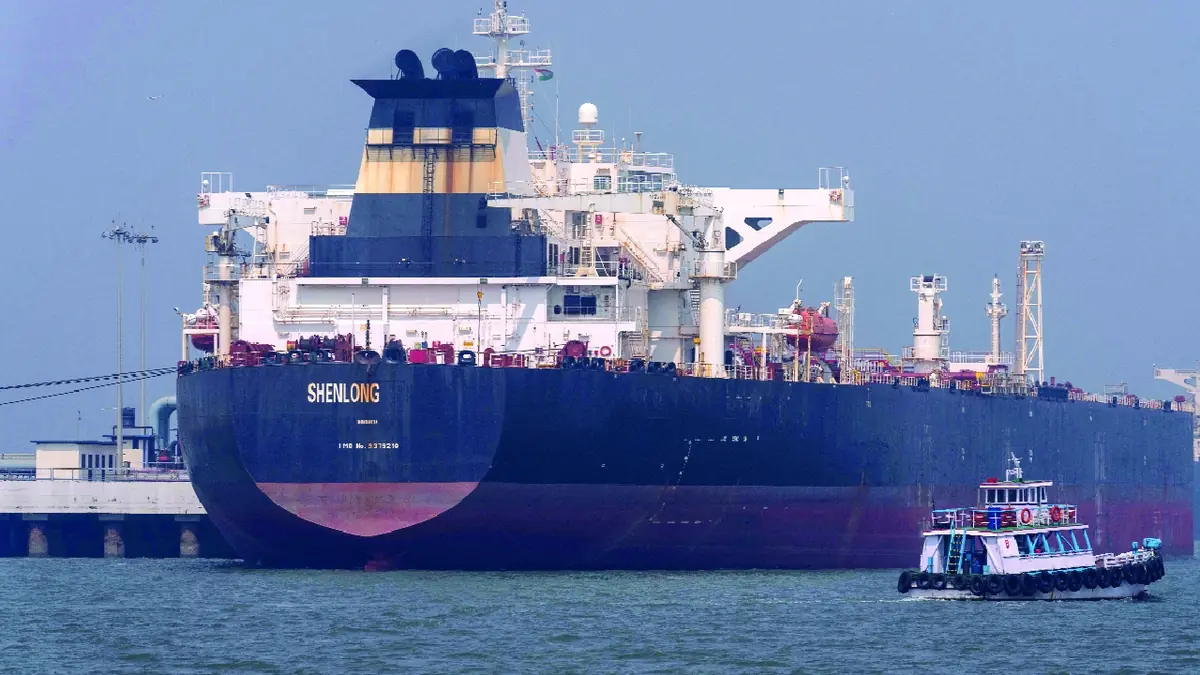
Asia Diversifies Oil Supply Amid Middle East Tensions: A Strategic Shift
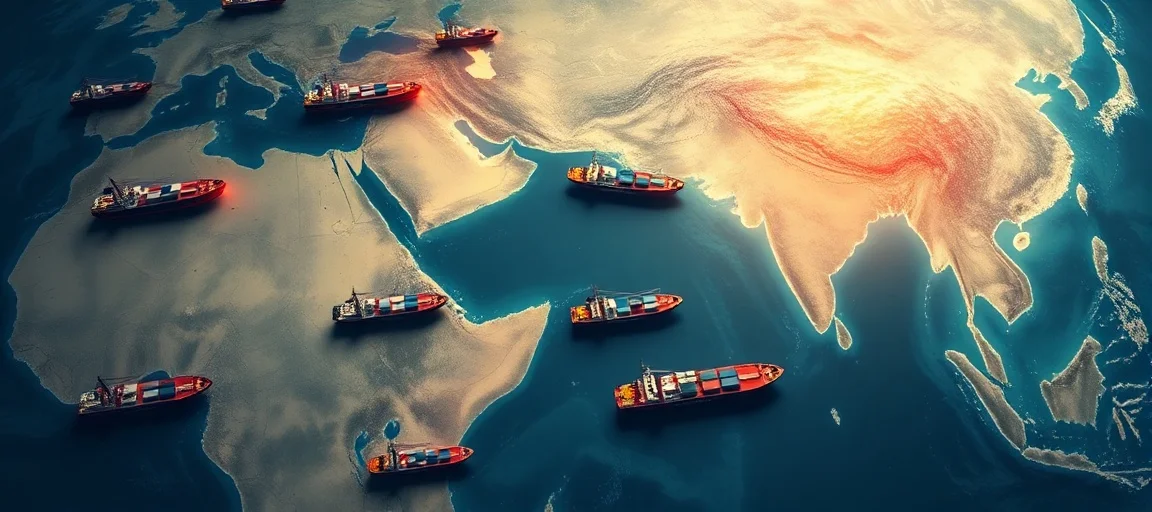
The global energy landscape is undergoing a profound transformation, driven by a confluence of geopolitical shifts and the imperative for enhanced energy security. For decades, Asia, the world's primary energy consumption hub, has heavily relied on oil supplies from the Middle East. However, escalating Middle East tensions are now compelling Asian nations to embark on a significant strategic pivot. This crucial shift sees Asia Diversifies Oil Supply Amid Middle East Tensions to safeguard economic stability and future growth. This critical reorientation involves exploring new energy sources, bolstering strategic reserves, and investing in renewable alternatives, marking a pivotal moment in global energy dynamics.
Background: A Region Reliant on Middle Eastern Oil
Asia's rapid economic expansion over the past few decades has been inextricably linked to a consistent and affordable supply of crude oil. Countries like China, India, Japan, and South Korea emerged as industrial powerhouses and consumer markets, their growth fueled largely by oil flowing from the Persian Gulf. The consistent flow of crude from the Arabian Gulf, particularly via the Strait of Hormuz, became the bedrock of their industrialization and the engine of their burgeoning consumer societies. Historically, the Middle East offered a geographic proximity and vast reserves that made it the most logical and cost-effective supplier. While providing significant economic advantages in terms of cost and volume, this intense concentration of supply also inherently embedded a strategic risk, as the region's political complexities could, and often did, translate directly into energy market volatility.
The interconnectedness of global energy markets means that any instability in a major oil-producing region, such as the Middle East, sends ripples across the world. For Asian nations, a disruption in oil flow could translate into higher energy costs, impacting manufacturing, transportation, and consumer prices, potentially stifling economic momentum. This inherent risk has long been acknowledged, but recent events have accelerated the urgency for proactive measures. The economic implications of supply chain vulnerabilities have been starkly highlighted in recent years, pushing energy security to the forefront of national policy agendas across the continent.
Asia Diversifies Oil Supply Amid Middle East Tensions
In response to the growing uncertainties, Asia Diversifies Oil Supply Amid Middle East Tensions through a multi-pronged approach aimed at enhancing its energy resilience. This strategic shift is not merely about finding new sellers but also about fundamentally reshaping energy portfolios for long-term sustainability and reduced risk.
The Imperative for Energy Security
Energy security, traditionally defined as the uninterrupted availability of energy sources at an affordable price, has broadened to encompass resilience against geopolitical shocks, cyber threats, and climate change impacts. For Asia, the imperative for energy security is paramount given its continued robust economic growth projections and its large, energy-hungry populations. Governments across the continent are now viewing energy independence and diversification as critical components of national security, moving beyond short-term fixes to implement long-term strategic adjustments. This includes building robust infrastructure, fostering international partnerships, and developing domestic energy capabilities.
Exploring New Frontiers: Non-Middle Eastern Sources
Asian nations are actively forging new supply relationships with oil-producing regions outside the Middle East. West Africa, particularly countries like Angola and Nigeria, has emerged as a significant alternative, offering crude oil grades that suit Asian refineries, often light sweet crude ideal for gasoline and diesel production. Latin American producers, notably Brazil and Guyana, are also increasing their exports to Asian markets, leveraging new offshore discoveries and expanding production capabilities, including heavy crude varieties that offer refiners flexibility. Furthermore, North America, particularly the United States, has become a more prominent supplier of crude oil and liquefied natural gas (LNG) to Asia, a development largely driven by the U.S. shale revolution and expanded export infrastructure, which offers both light crude and increasing volumes of natural gas for power generation. Russia, despite Western sanctions following its conflict in Ukraine, remains a key, albeit complex, supplier for some Asian countries, offering discounted crude, which has further complicated global energy flows and pricing dynamics by creating parallel markets and trade routes.
Beyond traditional crude, the global LNG market is also experiencing a similar diversification trend. Asian buyers, once heavily reliant on Qatar and Australia, are increasingly turning to the United States and even emerging African producers for natural gas, often secured through long-term contracts that provide stability. This dual diversification in both oil and gas reflects a comprehensive strategy to de-risk the entire hydrocarbon supply chain. However, these new partnerships are not without their inherent challenges, including longer shipping routes that increase transit times and freight costs, differing crude oil specifications that may require refinery adjustments, and the need for establishing robust new logistical arrangements. Despite these operational complexities and the capital expenditure required, the strategic benefit of reduced reliance on a single, volatile region often outweighs these considerations, offering long-term resilience and flexibility.
Strategic Petroleum Reserves and Stockpiling
A critical component of Asia's diversification strategy involves the expansion and optimization of strategic petroleum reserves (SPRs). Countries like China, India, Japan, and South Korea have invested heavily in building massive underground storage facilities, often salt caverns or abandoned mines, to hold emergency oil supplies. For instance, China's SPR capacity has grown exponentially, aiming to cover several months of import needs, while India has aggressively developed its own underground caverns along its coastline. These reserves provide a crucial buffer against sudden supply disruptions caused by geopolitical events, natural disasters, or technical failures, allowing nations to sustain their economies for extended periods without immediate imports. The strategic decision to increase SPR capacities reflects a lessons-learned approach from past oil shocks, such as the 1970s energy crises, and a forward-looking perspective on potential future volatilities. Regular exercises and inventory management ensure these reserves are ready for immediate deployment when needed, serving as a powerful deterrent against market manipulation and a stabilizing force during crises.
Investment in Renewable Energy and Alternatives
Beyond diversifying traditional oil sources, Asian nations are making substantial, long-term investments in renewable energy technologies and alternative fuels. This fundamental strategy aims to reduce overall fossil fuel dependency, thereby diminishing the impact of oil market volatilities and aligning with global climate goals. Countries like China and India are leading the world in renewable energy deployment, particularly in large-scale solar farms and wind power projects, alongside significant hydroelectric expansion. Japan and South Korea, with fewer indigenous fossil fuel resources, are heavily investing in hydrogen as a future energy carrier, advanced nuclear technologies, and offshore wind development. This monumental shift is driven not only by climate change concerns and international commitments but also by the acute recognition that indigenous renewable energy sources offer the ultimate form of energy security – reducing import reliance to zero for domestic power generation. The transition, however, is gradual and requires massive capital investment, continuous technological advancement, grid modernization, and significant policy support to integrate intermittent renewable sources effectively.
Geopolitical Dynamics Driving Diversification
The urgency for Asia's diversification strategy is directly proportional to the escalating geopolitical complexities within and surrounding the Middle East. A series of interconnected events and enduring rivalries have created an environment of persistent instability, making the region an increasingly unreliable anchor for global energy supplies.
The Red Sea Crisis and Shipping Disruptions
The ongoing Red Sea crisis, marked by attacks on commercial shipping in the Bab el-Mandeb Strait and the Red Sea, has been a major catalyst for concern. These attacks have forced many shipping companies to reroute vessels around the Cape of Good Hope, adding significant time and cost to voyages between the Middle East and Asia. The longer routes not only increase fuel consumption and insurance premiums but also delay crucial deliveries, impacting just-in-time supply chains. The crisis underscores the vulnerability of choke points in global maritime trade and has highlighted the need for Asian importers to consider alternative routes or source from regions that don't rely on these contested waterways.
Regional Conflicts and Supply Vulnerabilities
Beyond the Red Sea, various regional conflicts and proxy wars continue to simmer across the Middle East. Tensions in the Persian Gulf, including Strait of Hormuz transits, have periodically threatened oil flows. Any escalation in these conflicts, or direct attacks on oil infrastructure, could lead to severe supply disruptions, pushing global oil prices to unprecedented levels. Asian nations, having witnessed these patterns repeatedly, understand that relying too heavily on a region prone to such volatility carries unacceptable risks for their domestic economies. This understanding fuels the strategic imperative to cast a wider net for energy sources.
Global Power Shifts and Trade Routes
The broader landscape of global power dynamics also plays a role. The shifting alliances and rivalries among major global powers, some of whom have significant stakes in the Middle East, add another layer of complexity. The potential for these larger geopolitical contests to impact regional stability and, by extension, energy supplies, is a constant concern. Furthermore, discussions around new trade corridors and geopolitical spheres of influence are also influencing Asian decisions on where to source their energy and how to transport it, with an eye towards minimizing exposure to politically charged routes.
Economic Implications and Challenges
While the strategic imperative for diversification is clear, the process is not without its economic implications and significant challenges for Asian nations.
Rising Costs and Logistics
Sourcing oil from further afield often entails higher transportation costs due to longer shipping distances and potentially less efficient logistical chains. For example, crude from the Americas or West Africa takes weeks longer to reach Asian ports compared to the mere days required from the Persian Gulf. This increased transit time not only escalates freight charges and insurance premiums but also ties up capital longer, impacting working capital for trading companies. New trade agreements and infrastructure investments, such as upgrading port facilities or building new pipelines to distribute diversified crude inland, also come with a significant price tag. These increased operational and capital costs can translate into higher import bills for governments and, ultimately, higher energy prices for consumers and industries, potentially impacting inflation, manufacturing competitiveness, and overall economic growth. The transition therefore demands meticulous financial planning, thorough cost-benefit analyses, and a willingness to balance immediate economic outlays with the long-term strategic benefits of enhanced energy security and reduced geopolitical risk.
Building New Infrastructure
Diversifying oil supplies often necessitates substantial investments in new infrastructure, both at home and in partner nations. This could include expanding port capacities to handle larger or different types of crude oil tankers, modifying existing refinery configurations to process diverse crude grades (e.g., from light sweet to heavier sour crudes), or building new pipelines and storage facilities to facilitate distribution. Beyond physical infrastructure, establishing new supply routes also critically necessitates strengthening diplomatic and economic ties with new supplier nations. This involves negotiating complex, multi-year supply contracts, establishing favourable trade deals, fostering reciprocal investment agreements, and cultivating significant political goodwill. This comprehensive infrastructural and diplomatic effort demands considerable financial resources, strategic foresight, and sustained commitment over many years, highlighting the monumental scale of Asia's strategic energy reorientation.
Impact on Bilateral Relations
The shift away from traditional Middle Eastern suppliers can also have implications for bilateral relations. Many Asian countries have long-standing diplomatic and economic ties with Middle Eastern nations, rooted in decades of energy trade. A significant reduction in oil imports could alter the dynamics of these relationships, potentially impacting other areas of trade, investment, and political cooperation. Navigating these changes requires delicate diplomacy to maintain stable relations while pursuing national energy security objectives.
Expert Perspectives on Asia's Energy Future
Energy analysts widely agree that Asia's drive for diversification is a long-term, irreversible trend. Dr. Anya Sharma, a senior energy policy researcher at the East Asian Institute, notes, "The era of singular reliance on any one region for critical energy needs is rapidly drawing to a close for Asia. The geopolitical realities of the 21st century demand a distributed, resilient energy portfolio. It's not just about oil, but a holistic approach to energy security that includes gas, renewables, and advanced technologies."
Similarly, market strategists emphasize the economic rationality behind the shift. Mr. Kenji Tanaka, Chief Commodities Analyst at Tokyo's Marubeni Research Institute, states, "While there are initial costs associated with diversifying supply chains, the long-term benefits of price stability and reduced geopolitical risk far outweigh them. We are seeing Asian national oil companies actively negotiating long-term contracts with new partners, signaling a strategic commitment rather than a temporary adjustment." Experts also highlight the role of technological advancements in making alternative sources more viable and efficient, from enhanced oil recovery techniques in new fields to breakthroughs in renewable energy storage.
Frequently Asked Questions
Q: Why are Asian nations diversifying their oil supply?
A: Asian nations are diversifying due to escalating Middle East tensions, which cause supply chain vulnerabilities and price volatility. They aim to enhance energy security, mitigate geopolitical risks, and ensure stable economic growth by reducing reliance on a single, volatile region.
Q: What new oil sources are Asian countries exploring?
A: Asia is forging new relationships with countries in West Africa (e.g., Angola, Nigeria), Latin America (e.g., Brazil, Guyana), and North America (e.g., USA). Some also maintain complex ties with Russia for discounted crude, further complicating global energy flows.
Q: How do strategic petroleum reserves (SPRs) contribute to energy security?
A: SPRs provide a crucial buffer of emergency oil supplies, allowing nations to sustain their economies during sudden disruptions from geopolitical crises or natural disasters. They mitigate immediate impact and provide time to secure alternative sources, stabilizing market prices.
Conclusion
The decision by Asian nations to strategically diversify their oil supply amid Middle East tensions marks a pivotal and necessary evolution in global energy policy. Driven by a volatile geopolitical landscape, the imperative to secure uninterrupted energy flows, and the long-term vision of a sustainable energy future, countries across Asia are actively re-drawing their energy maps. From forging new partnerships with non-Middle Eastern producers and bolstering strategic reserves to accelerating investments in renewable energy, this comprehensive strategy aims to mitigate risks and enhance resilience. While presenting economic and logistical challenges, this proactive approach to how Asia Diversifies Oil Supply Amid Middle East Tensions is crucial for safeguarding the continent's economic stability and ensuring its continued growth in an increasingly uncertain world.