San Diego Mosque Shooting: FBI Probes Hate Crime After Tragic Attack
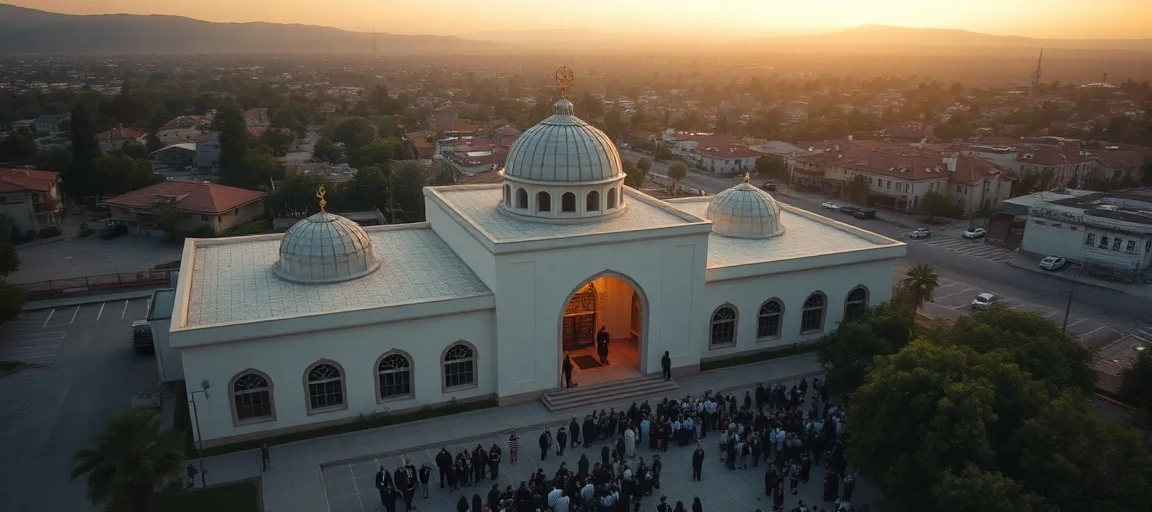
The city of San Diego is reeling from a tragic incident at the Islamic Center of San Diego, where a violent attack by two teenagers resulted in the deaths of three individuals. This heinous event has immediately prompted a major San Diego Mosque Shooting: FBI Probes Hate Crime investigation, aiming to uncover the full extent of the perpetrators' motives and affiliations. The devastating attack, which occurred on Monday, May 18, 2026, has sent shockwaves through the local community and ignited urgent conversations about rising threats and hate crimes targeting religious institutions nationwide. Federal authorities, including the FBI, are meticulously examining all evidence to ensure justice is served and to prevent similar tragedies in the future.
- Background of the San Diego Mosque Shooting Incident
- FBI's Role: Probing the San Diego Mosque Shooting as a Hate Crime
- Impact on the Muslim Community and Interfaith Relations
- Legal Proceedings and Justice
- Preventing Future Hate Crimes and Promoting Tolerance
- Conclusion
- Frequently Asked Questions
- Further Reading & Resources
Background of the San Diego Mosque Shooting Incident
The horrific events of May 18, 2026, unfolded at the Islamic Center of San Diego, the largest mosque in San Diego County, which also houses a school. The attack targeted a place of worship and community gathering, leading to profound sorrow and widespread condemnation. Local law enforcement and federal agencies quickly responded to the scene, establishing a perimeter and commencing an immediate investigation into the circumstances surrounding the shooting.
The Initial Attack
On Monday, May 18, 2026, two teenagers, identified as Cain Clark, 17, and Caleb Vazquez, 18, launched a violent assault on the Islamic Center of San Diego. The assailants killed three people during the incident. Police Chief Scott Wahl stated that the mother of one suspect had reported her son missing and suicidal hours before the shooting, also noting that several weapons and her vehicle were gone from their home. This report initiated a search for the teens, which tragically intersected with the mosque attack.
The victims have been identified as Amin Abdullah, a beloved security guard, along with Mansour Kaziha and Nadir Awad. Accounts from authorities and witnesses commend Abdullah's heroic actions. He reportedly opened fire when the shooters arrived and attempted to force their way inside. Even after being wounded in the lobby, he continued firing, forcing the attackers back outside where they fatally shot him. His bravery is credited with slowing the assailants and preventing them from reaching approximately 140 schoolchildren who were just steps away within the center. This act of self-sacrifice is believed to have saved numerous lives. The attackers subsequently took their own lives, with officials confirming their deaths were from apparent self-inflicted gunshot wounds.
Immediate Aftermath and Community Response
In the immediate aftermath, law enforcement secured the area, and emergency services tended to the wounded and the deceased. The incident caused immense grief and alarm within the Muslim community and the broader San Diego populace. A reunification center was quickly established for the families affected by the tragedy.
San Diego Police Chief Scott Wahl expressed the gravity of the situation, stating, "This is every community's worst nightmare". San Diego Mayor Todd Gloria echoed this sentiment, emphasizing, "Hate has no home in San Diego. Islamophobia has no home in San Diego. An attack on any San Diegan is an attack on all San Diegans, and we will not stand for it in America's finest city". In Los Angeles, more than 100 miles north, police increased patrols at mosques, Islamic centers, and places of worship as a precautionary measure. This collective response highlighted a strong stance against hatred and a commitment to community safety and solidarity.
FBI's Role: Probing the San Diego Mosque Shooting as a Hate Crime
The gravity of the attack, particularly its potential motivations, immediately brought in federal investigative agencies. The FBI quickly initiated a comprehensive investigation, explicitly probing the incident as a hate crime. Their involvement underscores the serious nature of the attack and the commitment to thoroughly examine any underlying biases.
Defining a Hate Crime
For the purposes of collecting statistics and guiding investigations, the FBI defines a hate crime as a traditional offense—such as murder, arson, or vandalism—with an added element of bias. This bias must be motivated, in whole or in part, by an offender's prejudice against a victim's race, color, religion, national origin, sex, disability, or actual or perceived sexual orientation. Hate itself is not a crime, and the FBI is careful to protect freedom of speech and other civil liberties while investigating.
In this San Diego Mosque Shooting: FBI Probes Hate Crime case, the designation is crucial as it elevates the offense beyond a standard violent crime, acknowledging the specific targeting of a religious community. The FBI investigates hundreds of such cases annually, working to detect and prevent incidents through law enforcement training, public outreach, and partnerships with community groups.
Investigative Procedures
Mark Remily, the lead FBI agent in San Diego, confirmed that authorities have uncovered writings authored by the suspects that express white supremacist views and a broad hatred towards various groups, including Jewish people, Muslims, the LGBTQ+ community, Black people, women, and both the political left and right. These writings reportedly included hateful rhetoric and calls for Muslims to be "exterminated". Remily noted that the pair "didn't discriminate on who they hated".
Investigators also found a significant cache of weaponry, including at least 30 guns, ammunition, and a crossbow, at two residences connected to the suspects. The FBI is actively working to determine if the shooters had broader plans beyond the Islamic Center of San Diego. The execution of search warrants is a standard part of piecing together how and why the attack occurred. Despite no specific threat being made against the Islamic Center itself, investigators found that the suspects engaged in "generalized hate rhetoric," which is a key factor in the hate crime determination. The investigation will also delve into their digital footprints, associations, and how they acquired their arsenal, exploring any online platforms they used for radicalization or communication.
Impact on the Muslim Community and Interfaith Relations
The San Diego Mosque Shooting has had a profound and immediate impact on the Muslim community, not just in San Diego but across the nation. Attacks on places of worship, particularly those driven by hate, create a pervasive sense of vulnerability and fear. This incident comes amid rising threats and hate crimes targeting both Muslim and Jewish communities, forcing increased security measures at religious institutions.
Fear and Resilience
Muslim American organizations have been quick to highlight the rise in anti-Muslim rhetoric across the U.S., with Mohamed Gula, interim CEO of Emgage Action, stating, "Words have consequences". Statistics show a concerning trend: Islamophobic hate crimes remained five times higher than before the 9/11 attacks by 2014, with spikes observed during election years and after major terrorist attacks. More recently, the Council on American-Islamic Relations (CAIR) reported a significant increase in complaints of Islamophobia incidents, noting a 182% jump in anti-Islam and anti-Arab incidents in 2023 compared to the previous year. In 2024, CAIR received 647 complaints of hate crimes and incidents, a 453% increase over the number of complaints received in 2022.
Victims of anti-Muslim hate crimes often suffer from depression, emotional stress, anxiety, and fear. Many incidents go unreported due to a lack of trust in authorities or fear of backlash. The constant threat makes it difficult for Muslim Americans to foster community life, and youths often police each other within their own communities. Despite this, communities often demonstrate remarkable resilience, coming together to support one another and advocate for greater safety and understanding.
Calls for Unity and Understanding
In response to such acts of hatred, there are often widespread calls for unity, interfaith dialogue, and increased understanding. Community leaders, interfaith groups, and public officials frequently emphasize the importance of standing together against bigotry and intolerance. The San Diego incident is no exception, with Mayor Gloria's strong condemnation serving as a testament to the city's resolve.
Advocacy groups like the Center for American Progress define an "Islamophobia megaphone" as a network that works to misrepresent Islam and Muslims in the United States, leading to biased perceptions and discrimination. Counteracting this requires active efforts to promote accurate information, engage in constructive dialogue, and build bridges between different faith groups. The incident also highlights the need for a more balanced portrayal of Muslims in media, as this can impact how they are perceived by wider society.
Legal Proceedings and Justice
While the perpetrators in the San Diego Mosque Shooting took their own lives, the FBI's hate crime probe is ongoing, focusing on the broader context of the attack, including radicalization, potential co-conspirators, and the recovery of extensive weaponry. Even without the immediate prosecution of the primary attackers, legal proceedings can still unfold to ensure a full understanding of the crime and its implications.
Suspect Identification and Charges
The identification of Cain Clark and Caleb Vazquez as the perpetrators is a critical step in understanding the incident. Although they are deceased, the investigation will delve into their digital footprints, associations, and how they acquired their arsenal. This involves extensive forensic analysis of their devices and any online platforms they used for radicalization or communication. The discovery of a "manifesto" glorifying past mass shooters and containing anti-Islamic, antisemitic, racist, and misogynistic rhetoric is a key piece of evidence in establishing their bias motivation.
In cases where perpetrators survive, the legal system would pursue charges related to murder, attempted murder, and hate crime enhancements. Hate crime enhancements can lead to more severe penalties, reflecting the societal harm caused when crimes are motivated by bias. The purpose of these enhancements is not just punishment but also to send a clear message that such acts are unacceptable and will be met with the full force of the law.
The Path to Conviction
While a traditional conviction is not possible for the deceased attackers, the investigation aims to formally document the incident as a hate crime. This classification is vital for several reasons:
- Statistical Reporting: It contributes to the national data on hate crimes, which informs policy decisions and resource allocation for prevention and protection.
- Community Acknowledgment: It formally recognizes the discriminatory nature of the attack, validating the experiences of the targeted community.
- Prevention: Understanding the radicalization pathways and motivations can help authorities and communities develop better strategies to identify and intervene with individuals at risk of committing similar acts.
The legal process, even without living defendants, focuses on establishing facts, confirming motivations, and providing a comprehensive account of the crime. This ensures that the victims' experiences are acknowledged and that the underlying hatred is confronted.
Preventing Future Hate Crimes and Promoting Tolerance
The San Diego Mosque Shooting serves as a stark reminder of the ongoing challenge of hate crimes and the critical need for proactive measures to prevent such atrocities and foster a more tolerant society. Preventing these crimes requires a multi-faceted approach involving education, community engagement, and legislative action.
Educational Initiatives
Education plays a vital role in combating prejudice and fostering understanding. Initiatives aimed at teaching tolerance, empathy, and respect for diverse cultures and religions can significantly impact societal attitudes. This includes:
- Anti-Bias Education: Programs in schools and communities that address stereotypes, prejudice, and discrimination.
- Interfaith Dialogue: Promoting conversations and collaborations between different religious communities to build bridges of understanding and solidarity.
- Digital Literacy: Educating individuals, especially youth, about the dangers of online radicalization and misinformation, as the San Diego attackers were reportedly radicalized online.
Such educational efforts can help dismantle the "Islamophobia industry" and counter the negative narratives that fuel hatred against Muslim communities.
Legislative Action
Robust hate crime legislation and its diligent enforcement are essential. Laws that specifically address bias-motivated crimes provide law enforcement with the tools to investigate and prosecute these offenses effectively. Furthermore, legislative efforts can support:
- Increased Funding for Security: Providing resources for religious institutions to enhance their security measures, especially in light of rising threats.
- Monitoring and Reporting: Strengthening mechanisms for monitoring hate speech and hate group activities, while balancing civil liberties.
- Support for Victims: Ensuring that victims of hate crimes receive adequate support, including counseling, legal assistance, and community resources.
The FBI is authorized to investigate crimes in which perpetrators act based on bias against religion, among other categories. This legal framework is a critical component of holding individuals accountable and deterring future acts of hatred. However, consistent enforcement and community cooperation are paramount.
Conclusion
The San Diego Mosque Shooting: FBI Probes Hate Crime is a tragic reminder of the persistent danger of religious extremism and hatred. The senseless loss of three lives at the Islamic Center of San Diego has deeply affected the community, but it has also galvanized a collective resolve to stand against intolerance. The ongoing FBI investigation, meticulously uncovering the perpetrators' radicalized ideologies and the full scope of their hateful intentions, is crucial for both justice and prevention. As communities mourn and rebuild, the incident underscores the urgent need for continued efforts in education, interfaith dialogue, and robust legal frameworks to combat hate crimes and foster a society where all individuals can worship and live without fear.
Frequently Asked Questions
Q: What happened in the San Diego Mosque Shooting?
A: On May 18, 2026, two teenagers attacked the Islamic Center of San Diego, killing three people, including a heroic security guard. The attackers later took their own lives, with officials confirming their deaths were from apparent self-inflicted gunshot wounds.
Q: Why is the FBI investigating this as a hate crime?
A: The FBI is probing the incident as a hate crime due to writings found from the suspects expressing white supremacist views and broad hatred towards various groups, including Jewish people, Muslims, and the LGBTQ+ community. This indicates a bias-motivated attack.
Q: How has the San Diego community reacted to the shooting?
A: The San Diego community, including local officials, has expressed deep sorrow and strong condemnation, emphasizing unity against hate and increasing security measures at places of worship. There's a collective resolve to stand against intolerance and support affected families.