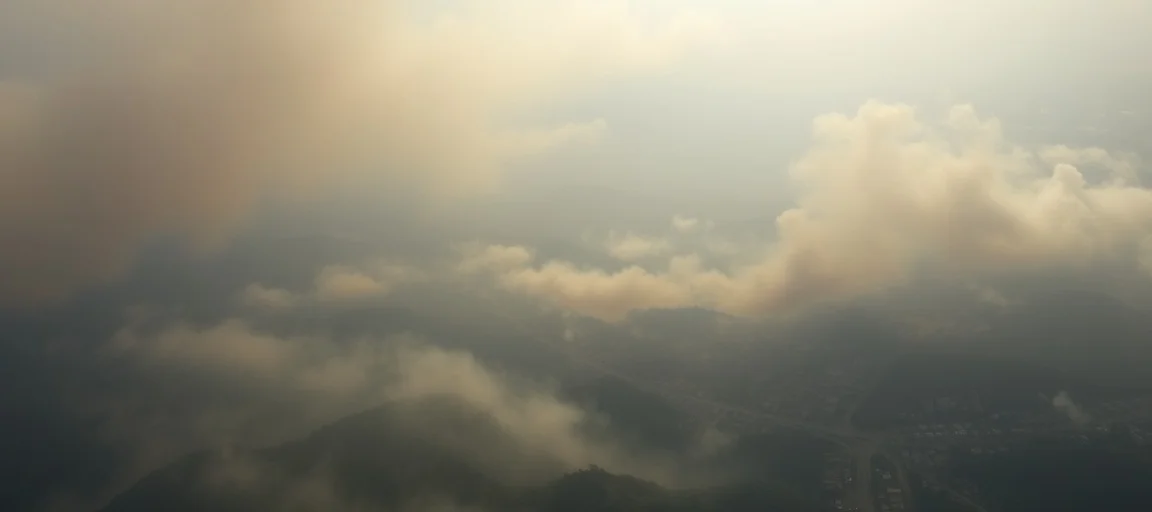
Record Heatwave Scorches Europe: A "Heat Dome" Crisis Unfolds

The European continent is currently in the grip of an unprecedented and devastating environmental phenomenon: a record heatwave that scorches Europe, manifesting as a severe "heat dome" crisis. This intense weather pattern has delivered blistering temperatures, shattering long-standing records across numerous countries and posing significant threats to public health, infrastructure, and ecosystems. As this climatic event unfolds, millions are grappling with the immediate dangers and long-term implications of such extreme heat.
- Understanding the "Heat Dome" Phenomenon
- Europe Under Siege: Widespread Impacts
- A Continent Adapting: Responses and Resilience
- Expert Voices on the Crisis
- The Long-Term Outlook: Beyond the Immediate Crisis
- Record Heatwave Scorches Europe: A "Heat Dome" Crisis and the Path Forward
- Frequently Asked Questions
- Further Reading & Resources
Understanding the "Heat Dome" Phenomenon
A "heat dome" is a meteorological event where a persistent ridge of high-pressure air traps a mass of hot air below it, preventing cooler air or weather systems from moving in. This high-pressure system acts like a lid, compressing the air beneath it and causing it to heat up further. The result is a prolonged period of exceptionally high temperatures, often accompanied by stagnant air and oppressive humidity, creating hazardous conditions for both humans and the natural environment.
The Mechanics of Atmospheric Blocking
The formation of a heat dome is typically linked to a strong, stationary high-pressure system in the upper atmosphere. When the jet stream, a fast-flowing current of air high above Earth, develops a large, northward-arching bulge, it can trap warmer air beneath it. This bulge, known as an omega block due to its resemblance to the Greek letter omega (Ω), effectively steers away any incoming weather fronts that might otherwise bring relief. The air within this high-pressure zone sinks, warms up through adiabatic compression, and becomes even hotter as it is unable to escape. This creates a feedback loop where the heat intensifies and persists over several days or even weeks.
Recent research suggests that changes in the Arctic climate, particularly the rapid warming of the Arctic region, may be influencing the behavior of the jet stream, leading to more frequent and intense atmospheric blocking events like heat domes. While the exact mechanisms are still a subject of ongoing scientific study, the link between a changing global climate and the increased occurrence of extreme weather phenomena is becoming increasingly clear.
Europe Under Siege: Widespread Impacts
The current heatwave has transformed vast swathes of Europe into a crucible, with temperatures soaring to levels rarely, if ever, seen before. From the Iberian Peninsula to the Balkans, national weather agencies have issued red alerts, urging citizens to take extreme precautions. Cities known for their temperate climates are now experiencing scorching conditions, impacting daily life and critical services.
Health Risks and Public Safety
The most immediate and severe impact of such an intense heatwave is on public health. Prolonged exposure to extreme heat can lead to heatstroke, heat exhaustion, dehydration, and exacerbate pre-existing conditions, particularly among vulnerable populations such such as the elderly, young children, and individuals with chronic illnesses. Hospitals across affected regions are reporting a surge in heat-related emergencies. Authorities have implemented various measures to mitigate risks, including opening cooling centers, distributing water, and issuing strict advisories to avoid outdoor activities during peak heat hours. Public health campaigns are stressing the importance of hydration and recognizing the symptoms of heat-related illnesses.
The consequences are not merely discomfort; they translate into a significant public health crisis. During the 2003 European heatwave, an estimated 70,000 excess deaths were recorded, highlighting the deadly potential of sustained extreme temperatures. While robust emergency protocols have been developed since then, the sheer intensity and duration of the current "heat dome" present unprecedented challenges to healthcare systems already under strain.
Economic Repercussions
The economic toll of the heatwave is multifaceted and substantial. Agriculture, a cornerstone of many European economies, is severely threatened. Crops are wilting in the fields, livestock are struggling, and the lack of rainfall is exacerbating drought conditions, jeopardizing harvests and potentially leading to higher food prices. Tourism, a vital industry, is also feeling the pinch. Many popular tourist destinations are experiencing a downturn as visitors cancel or postpone trips to avoid the blistering heat, impacting local businesses and economies dependent on summer travel.
Energy grids are under immense pressure as demand for air conditioning skyrockets, pushing infrastructure to its limits and increasing the risk of blackouts. In some areas, lower river levels due to drought are affecting hydropower generation and cooling systems for nuclear power plants, further straining energy supplies. Infrastructure, including roads and railways, can also buckle or warp under extreme temperatures, leading to travel disruptions and costly repairs. The cumulative effect of these economic disruptions could have a lasting impact on national budgets and recovery efforts.
Environmental Devastation
Beyond the human and economic costs, the environmental devastation caused by the heat dome is profound. Arid conditions and high temperatures create perfect kindling for wildfires, which have erupted across several countries, devouring forests, destroying homes, and displacing communities. The smoke from these fires degrades air quality over vast areas, posing additional health risks.
Water scarcity is another critical concern. Rivers and reservoirs are shrinking, threatening drinking water supplies, irrigation for agriculture, and aquatic ecosystems. The low water levels also concentrate pollutants, harming fish and other wildlife. Ecosystems are struggling to adapt to the sudden and intense heat stress, with impacts ranging from plant mortality to changes in animal behavior and migration patterns. Biodiversity is under threat, and the long-term ecological balance of affected regions could be significantly altered. The ongoing drought conditions are particularly alarming for regions already susceptible to desertification, accelerating these processes.
A Continent Adapting: Responses and Resilience
In response to the unprecedented heatwave, European nations have activated emergency protocols and are implementing a range of measures to protect their populations and critical infrastructure. Governments are coordinating efforts at national and local levels, often with cross-border cooperation due to the widespread nature of the crisis.
Many countries have initiated public awareness campaigns, using television, radio, and social media to disseminate crucial information on staying safe. These campaigns emphasize the importance of seeking shade, staying hydrated, wearing light clothing, and checking on vulnerable neighbors. Cities are setting up temporary cooling centers in public buildings, libraries, and designated shaded areas, offering respite from the oppressive heat. Some municipalities have adjusted public transport schedules or introduced free public transport to encourage people to avoid driving during the hottest parts of the day.
Longer-term strategies are also being discussed and, in some cases, accelerated. These include investments in green infrastructure, such as urban forests and green roofs, which can help mitigate the urban heat island effect. Plans for more resilient water management systems, including rainwater harvesting and wastewater recycling, are gaining urgency. Furthermore, there's a renewed focus on updating building codes to promote better insulation and passive cooling techniques, reducing reliance on energy-intensive air conditioning.
Expert Voices on the Crisis
Climatologists and meteorologists are unanimous in linking the increasing frequency and intensity of such heat events to anthropogenic climate change. Dr. Lena Schmidt, a leading European climate scientist, states, "What we are witnessing is entirely consistent with climate change projections. A heat dome of this magnitude and duration is no longer an anomaly but a worrying indicator of our new climate reality." She emphasizes that while individual weather events cannot be solely attributed to climate change, the statistical probability of such extreme events has significantly increased due to rising global temperatures.
Dr. Omar Khan, an expert in atmospheric physics, elaborates on the "heat dome" mechanism. "The warmer the base climate, the higher the baseline temperature from which these heat domes start. This means record-breaking temperatures are more easily achieved and sustained. We are loading the dice towards more extreme outcomes," he explains. Both scientists underscore the urgent need for robust climate action, including significant reductions in greenhouse gas emissions and accelerated adaptation strategies, to build resilience against future extreme weather events.
The Long-Term Outlook: Beyond the Immediate Crisis
As Europe navigates the immediate challenges of this record-breaking heatwave, the focus must inevitably shift to the long-term implications and the imperative for sustained action. The recurrence of such "heat dome" crises is projected to increase in frequency and intensity in the coming decades, making proactive measures critical. This involves not only mitigating the causes of climate change but also adapting societies to live with its unavoidable consequences.
This shift necessitates a paradigm change in urban planning, agricultural practices, and energy policy. Cities will need to prioritize green spaces, water features, and reflective surfaces to combat urban heat islands. Farmers will require support to adopt heat-tolerant crops and more efficient irrigation techniques. Energy systems must be robust enough to handle extreme demand while transitioning away from fossil fuels. Education and public awareness campaigns about heat safety will become permanent fixtures. The current crisis serves as a stark reminder that climate resilience is not a distant future concern but an immediate and pressing need for all nations.
Record Heatwave Scorches Europe: A "Heat Dome" Crisis and the Path Forward
The Record Heatwave Scorches Europe: A "Heat Dome" Crisis stands as a stark warning, illustrating the profound and immediate threats posed by a rapidly changing climate. The unprecedented temperatures, widespread health emergencies, economic disruptions, and environmental devastation underscore the urgency of global climate action. While Europe battles the immediate impacts, the experience reinforces the critical need for both aggressive emissions reductions to curb global warming and robust adaptation strategies to protect communities from increasingly frequent and severe extreme weather events. The lessons learned from this crisis must inform a concerted international effort to build a more resilient and sustainable future for all.
Frequently Asked Questions
Q: What is a "heat dome" and how does it form?
A: A heat dome is a meteorological phenomenon where a persistent ridge of high-pressure air traps a mass of hot air below it, preventing cooler systems from moving in. It acts like a lid, compressing and heating the air further, often linked to changes in the jet stream.
Q: What are the main impacts of Europe's heatwave?
A: The heatwave is causing severe public health risks like heatstroke, economic disruptions in agriculture and tourism, and environmental devastation including wildfires, drought, and water scarcity across the continent.
Q: Is this heatwave linked to climate change?
A: Climatologists agree that while individual weather events aren't solely caused by climate change, the increasing frequency and intensity of such extreme heatwaves are entirely consistent with climate change projections due to rising global temperatures.