Putin in China: Strengthening Russia-China Alliance for Global Influence
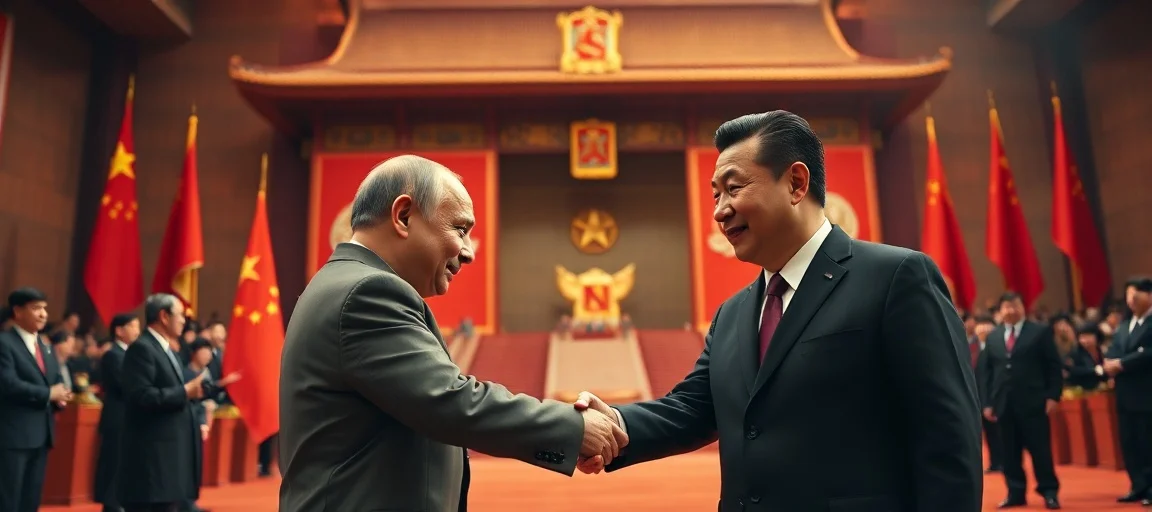
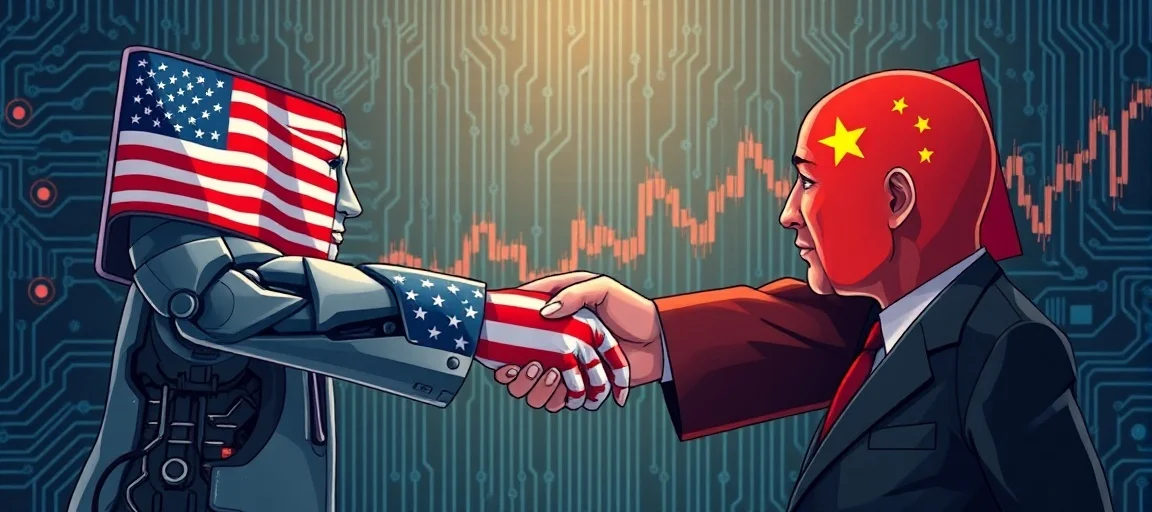
The recent diplomatic journey of Vladimir Putin to China serves as a definitive move in strengthening the Russia-China alliance for global influence. Putin in China: Strengthening Russia-China Alliance has become a rallying cry for proponents of a multipolar world order, signaling a shift away from the unipolar dominance of the late 20th century. This visit is not merely a courtesy call; it is a strategic orchestration of economic, military, and political interests that binds the world's largest landmass with its largest manufacturing powerhouse. As Western sanctions continue to isolate Moscow, Beijing has emerged as a critical lifeline, providing both a market for Russian energy and a source of high-tech components.
The Strategic Depth of the Beijing Summit
The meeting between President Vladimir Putin and President Xi Jinping represents a deepening of the "no-limits" partnership first declared in February 2022. This alliance is built on a foundation of shared grievances against the Western-led international system. Both leaders have frequently criticized what they perceive as "hegemonic" behavior by the United States and its allies.
The Multi-Polar Vision:
At the heart of the discussions was the shared vision of a world where no single power dictates international norms. By aligning their foreign policies, Russia and China aim to provide an alternative pole of attraction for the Global South. This involves strengthening institutions like the BRICS bloc and the Shanghai Cooperation Organization (SCO), which serve as platforms for nations that feel marginalized by the G7.
Symbolism and Protocol:
The optics of the visit—red carpets, grand banquets, and high-level military delegations—were designed to show the world that Russia is far from isolated. For China, hosting Putin is a way to demonstrate its autonomy from Western pressure, signaling that it will choose its partners based on its own national interests rather than the dictates of Washington.
Putin in China: Strengthening Russia-China Alliance Through Energy
Energy remains the bedrock of the bilateral relationship. With European markets largely closed to Russian gas, the pivot to the East has accelerated.
Power of Siberia and Beyond:
The "Power of Siberia" pipeline is already a vital artery, but the proposed "Power of Siberia 2" remains a major talking point. This pipeline would transport gas from the Yamal region—originally destined for Europe—to China via Mongolia. While price negotiations are often complex, the strategic necessity for both sides makes the project's eventual completion a cornerstone of the alliance.
Oil and Coal Exports:
Russia has overtaken Saudi Arabia as China’s top oil supplier. This trade is increasingly settled in Chinese Yuan, bypassing the SWIFT system and the US dollar. This de-dollarization is a critical component of their mutual defense against financial sanctions.
-
Trade Volume Targets: The two nations have already surpassed their goal of 250 billion.
-
Infrastructure Integration: Investments in Arctic shipping routes and new rail links are designed to shorten the logistics chain between Russian natural resources and Chinese industrial hubs.
Military and Security Synergy
The defense relationship between Moscow and Beijing has evolved from simple arms sales to deep technological and operational cooperation. This synergy is a direct response to the perceived encirclement by NATO in Europe and AUKUS in the Indo-Pacific.
Joint Military Exercises
In recent years, the frequency and complexity of joint military drills have increased. These exercises, ranging from naval maneuvers in the Sea of Japan to aerial patrols over the East China Sea, serve two purposes: they improve interoperability between the two militaries and send a clear message of deterrence to the West.
Technology Sharing:
While China was once a student of Russian military technology, the relationship is now more reciprocal. China’s advancements in artificial intelligence, drone technology, and satellite surveillance are of immense interest to a Russia currently engaged in a high-intensity conflict. Conversely, Russia’s experience in electronic warfare and hypersonic missile development remains world-class.
Space and High-Tech Frontiers
The alliance extends beyond the terrestrial atmosphere. Russia and China have signed agreements to build a joint Lunar Research Station. This partnership is a direct competitor to NASA’s Artemis program, setting the stage for a new space race that is divided along geopolitical lines.
Cooperation in Artificial Intelligence:
Both nations view AI as a critical tool for future warfare and internal security. By sharing data sets and research, they aim to achieve "technological sovereignty," ensuring they are not dependent on Western software or hardware.
Economic Resilience and De-dollarization
The Russia-China alliance is also a financial fortress. The two countries are aggressively pursuing a financial infrastructure that is immune to Western interference.
The Rise of the Yuan:
The Chinese Yuan has become the most traded currency on the Moscow Exchange. This shift is not just a necessity for Russia; it is a boon for China's ambitions to internationalize its currency. By creating a Yuan-based trade ecosystem, Beijing is slowly chipping away at the "exorbitant privilege" of the US dollar.
Agricultural Trade:
Beyond energy, China is opening its massive market to Russian agricultural products. From wheat to poultry, the diversification of trade ensures that the economic relationship is multifaceted and resilient to sector-specific shocks.
Western Reactions and Global Consequences
The strengthening of this alliance has caused significant alarm in Western capitals. The US and the EU have warned China against providing "lethal aid" to Russia’s military efforts.
Sanctions Pressure:
The West has responded by targeting Chinese banks and firms that are suspected of facilitating Russia's "war machine." However, these "secondary sanctions" are a double-edged sword. If applied too broadly, they risk alienating Beijing and accelerating the very decoupling they seek to manage.
The Indo-Pacific Balance:
For countries like Japan, South Korea, and Australia, the Russia-China alliance presents a nightmare scenario of a two-front challenge. The coordination between Moscow and Beijing forces these nations to increase their own defense spending and deepen their ties with the United States, further polarizing the region.
Frequently Asked Questions
Q: Is the Russia-China alliance a formal military treaty?
A: No, it is currently a "strategic partnership." Both nations prefer the flexibility of an alliance without the binding obligations of a formal mutual defense treaty like NATO, though they cooperate as if one exists.
Q: How does the Ukraine conflict affect this relationship?
A: While China maintains a neutral public stance, it provides significant economic and diplomatic cover for Russia. The conflict has made Russia the junior partner in the relationship, given its increased economic dependence on Beijing.
Q: Can the West drive a wedge between Putin and Xi?
A: Currently, this seems unlikely. The shared ideological goal of challenging Western hegemony outweighs the historical mistrust or minor territorial disputes that once plagued the Soviet-Sino relationship.
Conclusion
In summary, Putin in China: Strengthening Russia-China Alliance is a transformative event in 21st-century diplomacy. The visit has cemented a partnership that spans from the depths of the Arctic to the peaks of the high-tech sector. By integrating their economies and synchronizing their geopolitical strategies, Russia and China are creating a formidable bloc that the West can no longer ignore or easily contain.
As we look toward the future, the stability of the global order will increasingly depend on the interactions between this Eastern alliance and the Western-led coalition. Whether this leads to a new Cold War or a stable multipolar equilibrium remains the defining question of our age. What is certain is that the bond between Moscow and Beijing is stronger than it has been in decades, and its impact will be felt in every corner of the globe, from energy prices to the security of international borders.