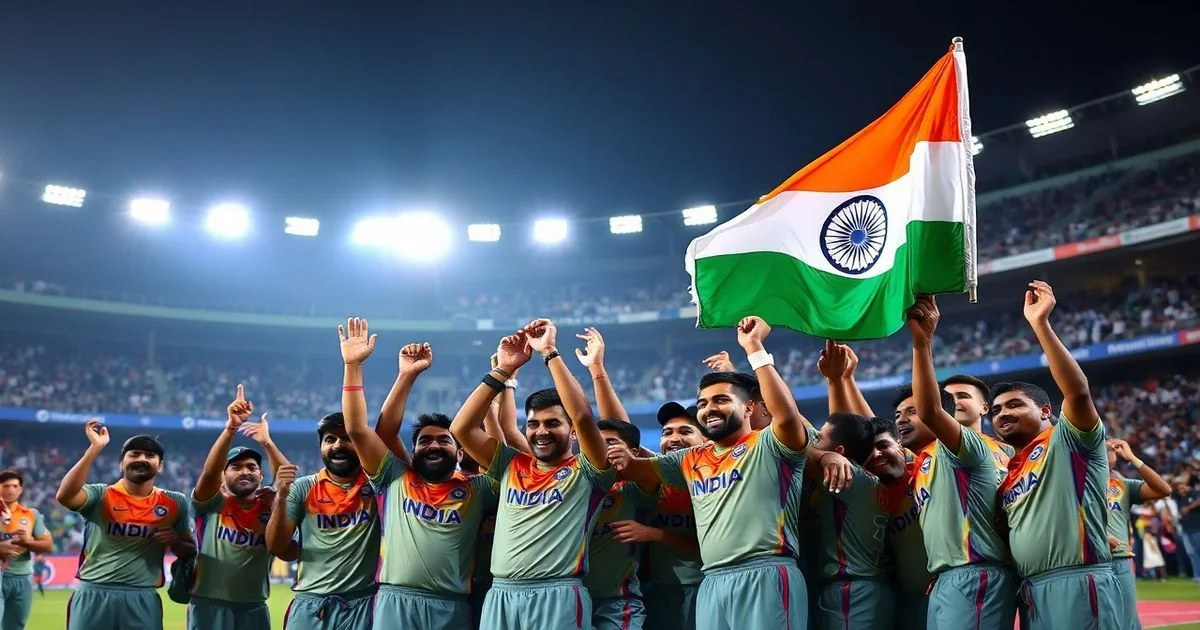
India Wins: Historic Victory in Cricket World Cup 2023
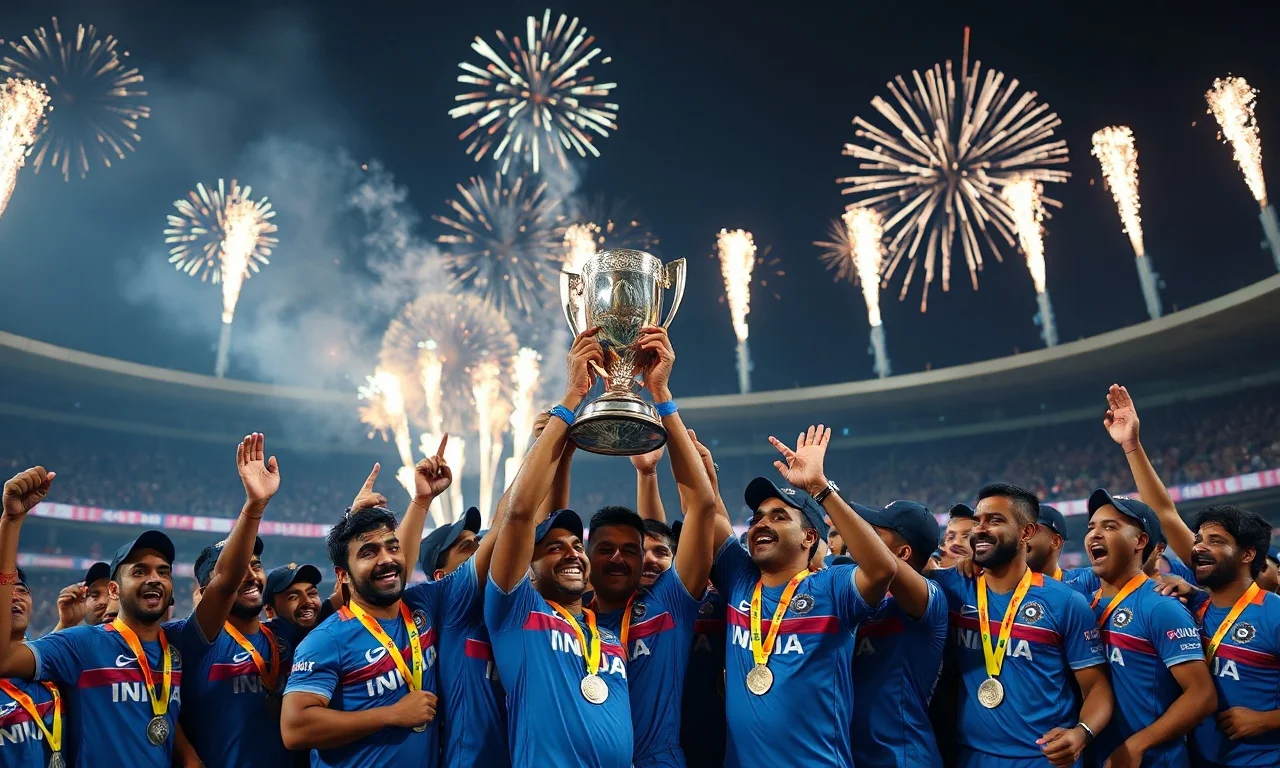
The entire nation erupted in joy as India Wins the historic final victory of the Cricket World Cup 2023, cementing their legacy on the world stage and bringing the trophy home after a twelve-year hiatus. The Narendra Modi Stadium in Ahmedabad became the epicenter of a global celebration as the "Men in Blue" delivered a clinical performance against a formidable Australian side. This triumph is not just a sporting achievement; it is a testament to the grit, strategy, and unparalleled talent that defines modern Indian cricket.
- The Road to Glory: A Perfect Campaign
- How India Wins: Tactical Brilliance on the Field
- The Shami Impact: From Bench to Best
- Expert Analysis and Global Reactions
- Historical Context: 1983, 2011, and 2023
- Impact of the Victory on the Nation
- Technical Breakdown: The Science of Victory
- Conclusion
- Frequently Asked Questions
- Further Reading & Resources
The Road to Glory: A Perfect Campaign
India’s journey to the 2023 World Cup final was a masterclass in consistency and dominance. Unlike previous editions where teams often stumbled in the group stages, the Indian squad led by Rohit Sharma maintained an unbeaten streak that left critics and fans in awe. From the very first match against Australia in Chennai to the high-stakes semifinal against New Zealand, the team functioned like a well-oiled machine.
The strategy was clear: aggressive batting at the top, stability in the middle order, and a bowling attack that could dismantle any lineup on any surface. Rohit Sharma’s selfless approach provided the necessary impetus in the powerplay, often demoralizing bowlers before the middle order even stepped onto the pitch. This platform allowed the likes of Virat Kohli and KL Rahul to build substantial innings without the pressure of a creeping run rate.
Statistical Dominance in the Group Stages
-
Unbeaten Run: India entered the final with a 10-0 record, the first time a host nation has dominated the tournament so thoroughly.
-
Net Run Rate: Throughout the tournament, India maintained a positive Net Run Rate (NRR) that remained head and shoulders above their nearest competitors.
-
Bowling Prowess: The Indian bowling unit, led by Jasprit Bumrah and Mohammed Shami, bowled out the opposition in seven of the eleven matches played.
How India Wins: Tactical Brilliance on the Field
The final match against Australia was a spectacle of tactical maneuvers. Winning the toss and electing to bat, India faced early jitters but recovered through a disciplined partnership between Virat Kohli and KL Rahul. While the pitch offered some assistance to the spinners, the Indian batsmen showed remarkable maturity in playing the long game.
The Kohli-Rahul Partnership
Virat Kohli’s 120-run knock was the backbone of the Indian innings. It wasn't just about the boundaries; it was about the strike rotation and the ability to find gaps under immense pressure. KL Rahul provided the perfect foil, anchoring the other end and ensuring that Australia could not make significant inroads during the middle overs.
-
The Accumulation Phase: Between overs 15 and 35, Kohli and Rahul added 110 runs, focusing on keeping the scoreboard ticking without taking unnecessary risks.
-
The Acceleration: In the final ten overs, the lower order, including Ravindra Jadeja and Suryakumar Yadav, pushed the total past the 320-mark, which proved to be a psychological barrier for the chasing side.
Defending the Total
The defense of 325 was a masterclass in bowling execution. Jasprit Bumrah opened with a spell of 5 overs, conceding only 12 runs and taking two crucial wickets. However, the game-changer was Mohammed Shami. His ability to move the ball both ways, even under the humid conditions of Ahmedabad, proved too much for the Australian top order.
By the 30th over of the Australian chase, the required run rate had climbed above 8 per over. The introduction of Ravindra Jadeja and Kuldeep Yadav created a stranglehold in the middle overs, forcing the Australian batsmen to take risks that led to their eventual downfall.
The Shami Impact: From Bench to Best
One of the most compelling narratives of this tournament was the rise of Mohammed Shami. Initially left out of the playing XI for the first few games, Shami was brought in following an injury to Hardik Pandya. What followed was one of the greatest individual bowling performances in World Cup history.
Shami’s five-wicket hauls against New Zealand and Sri Lanka were pivotal, but his performance in the final was the cherry on top. He finished the tournament as the highest wicket-taker, proving that experience and swing are still the ultimate weapons in the ODI format. His success highlights the depth of Indian cricket, where even world-class players have to wait for their opportunity.
Expert Analysis and Global Reactions
The cricketing world has been unanimous in its praise for India’s performance. Former captains and analysts have pointed out that this Indian team is perhaps the most balanced squad to ever take the field in a World Cup.
"Cricket is a game of uncertainties, but one thing is certain – the Indian team has shown remarkable character and skill throughout this tournament," said former Indian cricketer and Coach, Ravi Shastri. "The way they have performed under pressure is a testament to their dedication and hard work. This isn't just about individual brilliance; it's about a collective vision that has been realized on the grandest stage."
International commentators also noted the "Narendra Modi Stadium effect," where the roar of over 100,000 fans created an atmosphere that was both intimidating for the opposition and inspiring for the home team. The tactical shift from being a spin-heavy team to a pace-dominant powerhouse is a trend that many believe will redefine Indian cricket for the next decade.
Historical Context: 1983, 2011, and 2023
To understand the weight of this victory, one must look back at India’s history in the World Cup. The 1983 win at Lord’s was a miracle that put India on the cricketing map. The 2011 win at Wankhede was a tribute to the legendary Sachin Tendulkar. The 2023 victory, however, feels like the assertion of a superpower.
-
1983: Underdogs defeating the mighty West Indies.
-
2011: Favorites winning at home after 28 years.
-
2023: Dominant favorites fulfilling their destiny with professional clinicality.
This victory bridges the gap between the eras of Kapil Dev, MS Dhoni, and now Rohit Sharma. Each win has contributed to the massive infrastructure and financial muscle that the BCCI commands today, but the 2023 win is purely about the technical superiority of the players.
Impact of the Victory on the Nation
The socio-economic impact of this win cannot be understated. Major cities saw a surge in consumer spending, with electronic retailers reporting record sales of television sets and smartphones leading up to the final. The "blue jersey" became the most sought-after apparel in the country, symbolizing national pride.
Celebrations and National Pride
In the wake of the final whistle, celebrations broke out from Kashmir to Kanyakumari. The win has served as a unifying force, transcending political and social boundaries. The Indian government has already hinted at a massive victory parade in Mumbai, reminiscent of the 2007 T20 World Cup celebrations.
For the youth of India, this win provides a set of modern icons. Players like Shubman Gill and Mohammed Siraj represent a new India—confident, skilled, and unafraid of the global stage. The victory is expected to trigger a fresh wave of investment in grassroots cricket, ensuring that the pipeline of talent remains robust for years to come.
Technical Breakdown: The Science of Victory
While the emotional narrative is strong, the technical data behind the win is equally fascinating. Analysis of the final match shows that India’s "dot ball percentage" was the highest in the tournament. By denying the Australians easy singles, the Indian bowlers induced errors that resulted in wickets.
Furthermore, the fielding standards of the Indian team reached new heights. The "Medal for the Best Fielder" tradition started in the dressing room by fielding coach T. Dilip fostered a culture of excellence. Every run saved on the boundary was a psychological blow to the opposition, further solidifying the sense that this team was unbeatable.
Conclusion
As India Wins the Cricket World Cup 2023, it marks a momentous occasion in the nation's sporting history. The team's journey, marked by determination, skill, and teamwork, serves as an inspiration to millions. This victory is not the end of a journey but the beginning of an era where Indian cricket stands at the pinnacle of global sports.
The "Men in Blue" have shown the world that with the right preparation and a selfless mindset, any goal is achievable. India Wins, and the celebration begins for a billion fans who have waited a decade for this glorious day.
Frequently Asked Questions
Q: Who was the top scorer in the 2023 World Cup final?
A: Virat Kohli was the top scorer for India in the final match, contributing a vital 120 runs that helped set a competitive total against Australia.
Q: How many wickets did Mohammed Shami take in the tournament?
A: Mohammed Shami ended the tournament as the leading wicket-taker with 24 wickets, despite not playing the first few matches of the campaign.
Q: Where was the 2023 Cricket World Cup final held?
A: The final match was held at the Narendra Modi Stadium in Ahmedabad, Gujarat, which is currently the largest cricket stadium in the world.