Hezbollah Drone Targets IDF in Northern Israel: Escalating Tensions
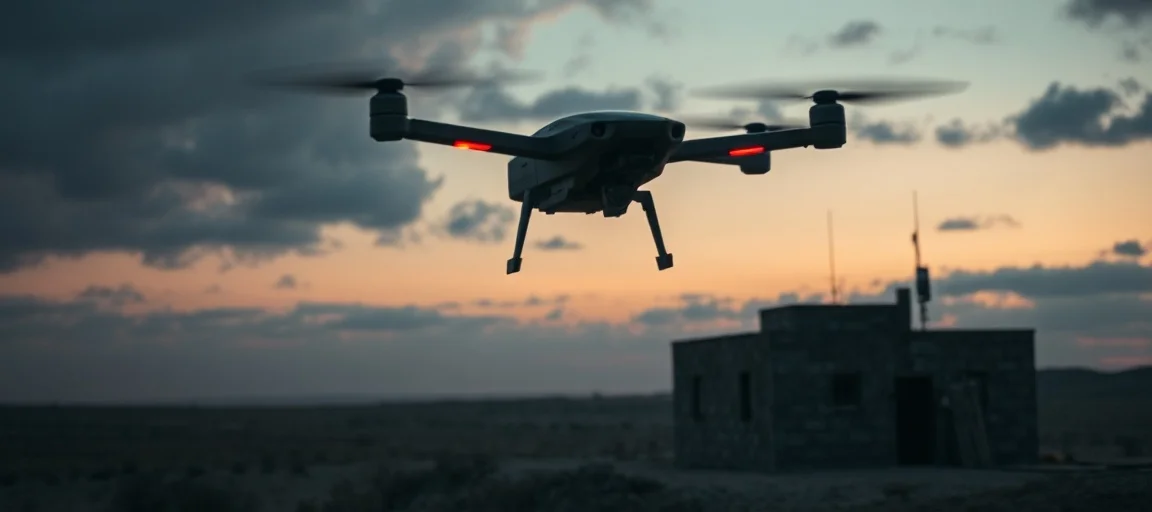
The volatile northern border of Israel is witnessing a significant escalation as Hezbollah Drone Targets IDF in Northern Israel, signaling a critical and concerning shift in the ongoing conflict. These recent actions by Hezbollah, including missile barrages and drone incursions, have intensified regional tensions and challenged Israel's sophisticated defense systems. The deliberate deployment of advanced unmanned aerial vehicles, particularly fiber-optic guided drones, represents a new tactical dimension in the long-standing hostilities between the two entities, leading to injuries and raising fears of a broader confrontation.
- Background Context of the Israel-Hezbollah Conflict
- Key Details of Recent Hezbollah Drone Targets IDF in Northern Israel
- Hezbollah's Evolving Drone Capabilities
- IDF's Defensive Measures and Challenges
- Regional Implications of Escalating Drone Warfare
- International Reactions and Calls for De-escalation
- Expert Analysis and Future Outlook
- Conclusion
- Frequently Asked Questions
- Further Reading & Resources
Background Context of the Israel-Hezbollah Conflict
The conflict between Hezbollah and Israel is deeply rooted in decades of geopolitical friction, dating back to Hezbollah's formation in 1982 with Iranian backing to resist Israel's occupation of southern Lebanon. This enduring rivalry has seen numerous confrontations, including major military operations like the 1993 "Seven-Day War" and the 2006 "July War," both of which resulted in significant casualties and destruction.
The current phase of intense hostilities along the Israel-Lebanon border sharply escalated following the October 7, 2023, Hamas attacks on Israel, with Hezbollah initiating rocket and artillery fire in solidarity with Palestinians. This has led to a prolonged exchange of bombardments, displacing hundreds of thousands of civilians on both sides of the border. Despite various attempts at de-escalation and U.S.-brokered ceasefire agreements—such as those in November 2024 and April 2026—violations have been frequent and hostilities have continued, often with deadly consequences.
The United Nations Interim Force in Lebanon (UNIFIL) has been deployed along the "Blue Line," the UN-demarcated withdrawal line between Lebanon and Israel, since 1978 to monitor the cessation of hostilities and ensure stability. However, UNIFIL has consistently reported violations of UN Security Council Resolution 1701 by both sides, including Israeli forces crossing into Lebanese territory and Hezbollah engaging in military activities. The mission's ability to maintain peace remains challenged by the escalating intensity of the conflict.
Key Details of Recent Hezbollah Drone Targets IDF in Northern Israel
Recent reports highlight a significant surge in Hezbollah's military operations, particularly the use of unmanned aerial vehicles (UAVs) against Israeli targets. On May 24, 2026, Hezbollah announced it had conducted 12 attacks within a 24-hour period against Israeli forces in southern Lebanon and northern Israel. These attacks specifically targeted military vehicles, drone jamming systems, and launchers of Israel's Iron Dome air defense system. Hezbollah claimed direct hits on a technical device and a command vehicle at the Jal Al-Allam site in northern Israel and attacked troop gatherings in Deir Siryan and Bayyada using artillery and drones.
This recent flurry of activity follows a pattern of sustained aggression. Earlier in the week, on May 22, 2026, air-raid sirens blared across numerous northern Israeli communities as Hezbollah launched fresh drone strikes, including FPV drones and Ababil loitering munitions, against artillery positions and an Iron Dome launcher. Just days prior, on May 20, 2026, Colonel Meir Biderman, commander of the IDF's 401st Armored Brigade, was seriously wounded by an explosive Hezbollah drone in southern Lebanon. Furthermore, on May 23, 2026, an IDF soldier, Staff Sgt. Noam Hamburger, was tragically killed in northern Israel by an explosive drone strike near the Lebanese border, with another soldier seriously wounded.
These incidents underscore Hezbollah's increasing reliance on advanced drone technology to challenge Israeli military operations and defenses, marking a new, more lethal phase in the ongoing cross-border conflict.
Hezbollah's Evolving Drone Capabilities
Hezbollah has significantly upgraded its drone capabilities, marking a critical shift in the nature of its engagement with the IDF. A key development is the widespread adoption of fiber-optic first-person view (FPV) attack drones. These drones are relatively inexpensive, disposable, and are reportedly assembled and modified in workshops within southern Lebanon. This makes them highly accessible for sustained deployment.
Unjammable Technology
The primary advantage of these fiber-optic drones lies in their guidance system. Unlike traditional drones that rely on radio frequencies or satellite signals, these modified aircraft are tethered directly to the operator's control station by a physical fiber-optic cable. This cable, which can extend between 10 to 30 kilometers, allows the drone to reach distant targets without emitting wireless signals. Consequently, these drones are immune to Israel's sophisticated electronic warfare (EW) jamming systems, which are designed to intercept and disrupt radio communications. Military analyst Hassan Jouni noted that this renders traditional early-warning systems "blind" to their approach.
Stealth and Precision
Beyond their unjammable nature, Hezbollah's FPV drones are also difficult to detect. They are often constructed from lightweight fiberglass, which minimizes their thermal or radar signature. This stealth capability allows them to bypass conventional detection systems and even, in some instances, the "Trophy" active protection system installed on Israeli Merkava tanks, which is designed to intercept incoming projectiles.
Operators manually steer these drones using high-resolution optical cameras that transmit uncompressed video through the fiber-optic cable, enabling them to guide the drones into specific vulnerabilities of targets, such as a tank's turret or tracks. This level of precision, combined with anti-armor shaped charges, offers a cheap and effective alternative to conventional anti-tank missiles.
Adapting to Modern Warfare
Hezbollah's tactical shift in drone usage is heavily influenced by lessons learned from the ongoing conflict in Ukraine, where both sides have increasingly relied on tethered drones to operate in heavily jammed environments. Military analysts describe FPV drones not as a strategic threat that alters the overall balance of power, but as a significant tactical capability due to their low cost, precision, accessibility, and difficulty to thwart. This technology has allowed Hezbollah to move away from a traditional command and control structure towards more guerrilla-style warfare, operating in smaller, more independent cells that conduct opportunistic attacks.
These drones serve multiple purposes, including reconnaissance, identifying enemy movements and vulnerabilities, directing fire, and correcting strikes, effectively acting as "force multipliers" that significantly shorten the time between target detection and engagement.
IDF's Defensive Measures and Challenges
The escalating threat posed by Hezbollah's advanced drone capabilities has presented the Israel Defense Forces (IDF) with significant challenges, forcing a re-evaluation of its defensive strategies along the northern border. Despite possessing highly advanced military technology, Israel has openly acknowledged its struggle to effectively counter the frequent drone attacks emanating from Lebanon.
Funding and Development for Counter-Drone Systems
In response to this growing threat, Israel has approved substantial emergency funding, including an estimated $700 million plan aimed at developing robust counter-drone defenses. This comprehensive initiative focuses on several key areas:
- Fixed Radar Systems: Deployment of enhanced radar systems along the northern border to improve detection capabilities against low-flying, stealthy drones.
- Specialized Munitions: Procurement of millions of specialized shotgun rounds designed specifically for intercepting short-range drones.
- Mobile Defense Systems: Development of new mobile defense systems intended to protect troops and armored vehicles directly in combat zones. One such system is the SMASH Hopper, a lightweight remote-controlled weapon station developed by Smart Shooter, which can engage both ground and aerial threats, including small drones, with high precision while keeping operators at a safe distance.
- Drone Dome Systems: The IDF has also deployed "Drone Dome" anti-drone jamming systems, although Hezbollah's fiber-optic drones are designed to be immune to such electronic countermeasures.
Adapting Battlefield Tactics
Beyond technological solutions, the IDF is also adapting its battlefield practices to mitigate the drone threat. This includes installing protective canopies over tanks and deploying portable radar systems to provide real-time warnings to infantry forces. There is also an increasing need for greater dispersion of forces, reducing exposure time, and changing routine operational patterns in the border area, as FPV drones are particularly effective against forces during moments of transition or temporary exposure.
Limitations and Vulnerabilities
Despite these efforts, the unique characteristics of Hezbollah's fiber-optic drones continue to pose significant hurdles. Their immunity to electronic jamming and minimal thermal/radar signatures mean that traditional air defense systems struggle to detect and intercept them effectively. While the Iron Dome is an effective system against rockets and artillery shells, its cost-effectiveness against cheap, numerous drones is debated, and Israel is exploring ground-based laser systems as a cheaper alternative, though these have their own limitations like weather dependency and slower fire rates. The ability of these drones to bypass even the "Trophy" system on Merkava tanks highlights a doctrinal gap that Israel is urgently working to address.
Regional Implications of Escalating Drone Warfare
The increased use of drones by Hezbollah against IDF positions in northern Israel carries profound regional implications, significantly raising the risk of a wider and more devastating conflict. The current hostilities are already part of a broader Middle Eastern crisis that began with the Gaza war.
Humanitarian Crisis and Displacement
One of the most immediate and tragic consequences is the deepening humanitarian crisis in Lebanon. Since March 2, 2026, Israeli assaults in Lebanon have resulted in over 3,100 deaths and 1.6 million displaced individuals, straining medical systems and regional stability. Civilian infrastructure, including hospitals, has been damaged in these strikes. This massive displacement, affecting over 20% of Lebanon's population, creates immense pressure on the already fragile country.
Violation of International Law and Ceasefire Agreements
The continuous cross-border exchanges, including Israeli incursions and Hezbollah's attacks, frequently violate UN Security Council Resolution 1701, which calls for a cessation of hostilities and a weapons-free zone south of the Litani River. UNIFIL, the UN peacekeeping mission, has repeatedly voiced "deep concern" over these breaches and urged both sides to de-escalate.
Furthermore, the persistent fighting occurs despite U.S.-mediated ceasefires, such as the one extended in April 2026, which aimed to halt hostilities. Israel's assertion that the ceasefire does not apply to Lebanon, while Iran makes its own peace deal conditional on stopping the war in Lebanon, highlights the complex and often contradictory dynamics at play.
Political Instability and Iranian Influence
The Lebanese government has publicly condemned Hezbollah's renewed strikes, recognizing that the group's actions endanger and undermine the Lebanese state by drawing it into a broader conflict. This creates significant internal political instability within Lebanon, further complicated by U.S. sanctions targeting Lebanese officials for allegedly blocking Hezbollah disarmament efforts.
Iran's role as Hezbollah's primary backer is central to the regional dynamics. Statements from Iran indicating that its agreement with the United States is conditional on stopping the war in Lebanon underscore Tehran's strategic leverage and influence over Hezbollah's actions. This intertwining of local conflicts with broader regional power struggles makes de-escalation exceptionally difficult and constantly risks a wider conflagration involving multiple state and non-state actors.
International Reactions and Calls for De-escalation
The escalating drone warfare and ongoing conflict along the Israel-Lebanon border have drawn significant international attention and numerous calls for de-escalation and adherence to international law. Global leaders and organizations are increasingly concerned about the humanitarian toll and the potential for a broader regional conflagration.
United Nations' Stance
The United Nations Interim Force in Lebanon (UNIFIL), tasked with monitoring the "Blue Line," has consistently expressed "deep concern" over the breaches of UN Security Council Resolution 1701 by both Israeli and Hezbollah forces. UNIFIL peacekeepers have observed Israeli soldiers crossing into Lebanese areas and recorded numerous Israeli airstrikes, gunfire incidents, and airspace violations, alongside Hezbollah's rocket and shell fire into Israel. The UN peacekeeping mission emphasizes the "extremely dangerous development" of continued heavy exchanges of fire and uses its liaison mechanisms to urge maximum restraint and de-escalation from both sides. The UN Human Rights Chief has described the scale of killing and destruction in Lebanon as "horrific," underscoring the severe humanitarian impact of the ongoing hostilities.
International Appeals for a Comprehensive Ceasefire
Several international actors have called for a more comprehensive ceasefire that includes Lebanon. French President Emmanuel Macron has emphasized the necessity of including Lebanon in any ceasefire agreement to ensure lasting peace. Italy's foreign minister also voiced strong anger after Italian peacekeepers operating with UNIFIL came under warning fire in southern Lebanon, urging Israel to avoid disproportionate reactions that could lead to a renewed devastating conflict. These statements reflect a shared international desire to prevent the conflict from spiraling further out of control.
Concerns over Regional Spillover
The international community remains acutely aware that the ongoing exchanges between Hezbollah and Israel are part of a larger Middle Eastern crisis, with the risk of regional spillover constantly present. Reports indicating that Iran is making its agreement with the United States conditional on stopping the war in Lebanon highlight the interconnectedness of regional conflicts and the influence of external powers. This complex web of alliances and antagonisms makes the diplomatic path to a stable resolution particularly challenging, reinforcing the urgent need for international coordination and pressure to achieve a lasting cessation of hostilities.
Expert Analysis and Future Outlook
Military analysts and geopolitical experts are closely observing the evolving tactics in the Israel-Hezbollah conflict, particularly the implications of Hezbollah's advanced drone capabilities. The consensus is that while these FPV drones may not represent a strategic game-changer in the overall military balance, they undoubtedly pose a significant tactical challenge to the IDF.
Tactical Friction and Psychological Pressure
Omar Maarabouni, a Lebanon-based military analyst, described the introduction of fiber-optic FPV drones as a "turning point" rooted in lessons from previous confrontations. Experts suggest that these drones expose Israel's low-altitude vulnerabilities and impose considerable "tactical friction, psychological pressure, and operational costs" on Israel's forces operating in southern Lebanon. Their low cost, precision, accessibility, and resistance to interception make them a potent tool for a non-state actor against a technologically superior state army.
Hezbollah's shift towards dispersed "combat nodes" and a more flexible, guerrilla-style operational model, with drones central to their tactics, makes their presence harder to detect and target. This new approach aims to prevent Israel from establishing permanent positions or building infrastructure in border villages. The drones are effectively acting as "force multipliers," dramatically shortening the time between target identification and strike, thereby enhancing Hezbollah's operational effectiveness.
Escalation Risks and De-escalation Paths
The current pattern of strikes and counter-strikes carries an inherent risk of miscalculation, potentially leading to an uncontrollable escalation into a wider regional war. The assassination of senior commanders in Hezbollah's elite Radwan Force has reportedly led to fighters operating with greater independence, which could further complicate command and control over attacks and responses.
De-escalation efforts face significant hurdles. The ongoing violations of ceasefire agreements, the humanitarian crisis, and the deeply entrenched political positions of both sides, alongside the complex interplay of regional and international actors like Iran and the United States, all contribute to a highly precarious situation. Any sustainable de-escalation would likely require a comprehensive agreement that addresses the underlying causes of the conflict, guarantees adherence to international resolutions, and provides security assurances for all parties involved. Without such a breakthrough, the northern Israeli border remains a flashpoint for continued instability and potential large-scale conflict.
Conclusion
The recent surge in drone attacks by Hezbollah, particularly the deployment of advanced fiber-optic guided UAVs, marks a significant and dangerous evolution in the conflict along Israel's northern border. These sophisticated yet inexpensive drones have demonstrated their ability to bypass advanced Israeli defense systems, inflict casualties, and restrict IDF movements, effectively challenging the established military dynamics in the region. The continuous exchange of fire, despite existing ceasefires, underscores the fragile security situation and the constant threat of a wider conflagration.
The humanitarian crisis in Lebanon, the violations of international resolutions, and the complex geopolitical landscape, heavily influenced by Iran, all contribute to a deeply unstable environment. While Israel is investing heavily in counter-drone technologies and adapting its tactics, the innovative nature of Hezbollah's drone warfare demands ongoing vigilance and strategic adjustments. The international community's calls for de-escalation and a comprehensive resolution highlight the urgent need to address this escalating threat. The persistent reality of Hezbollah Drone Targets IDF in Northern Israel serves as a stark reminder of the volatile nature of the conflict and the imperative for diplomatic solutions to avert further catastrophe.
Frequently Asked Questions
Q: What is the primary tactical advantage of Hezbollah's fiber-optic drones?
A: These drones are guided by a physical fiber-optic cable, making them immune to traditional electronic warfare jamming systems used by Israel. This allows them to operate undetected and with high precision in heavily contested environments, bypassing conventional defenses.
Q: How is Israel responding to the escalating drone threat from Hezbollah?
A: Israel is investing significantly in counter-drone defenses, including advanced radar systems, specialized munitions, and new mobile defense systems like SMASH Hopper. They are also adapting battlefield tactics, such as installing protective canopies on tanks and changing operational patterns.
Q: What are the broader regional implications of the increased drone warfare?
A: The escalating drone warfare risks a wider regional conflict, deepens the humanitarian crisis in Lebanon with massive displacement, and exacerbates political instability within Lebanon. It also highlights Iran's strategic influence over Hezbollah, making de-escalation challenging.