Hegseth: US Committed to Pacific Security, China Alarm Intensifies
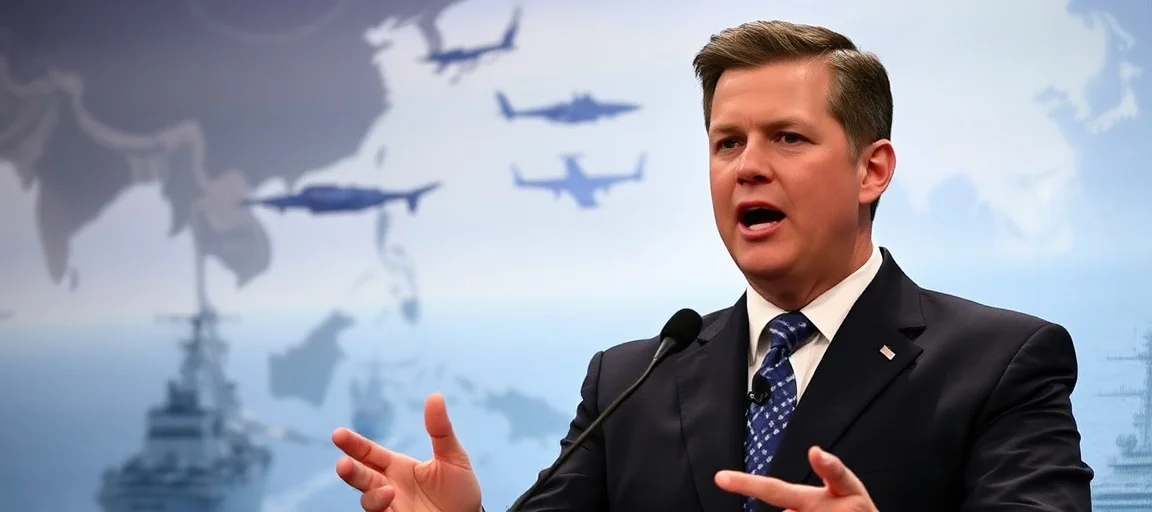
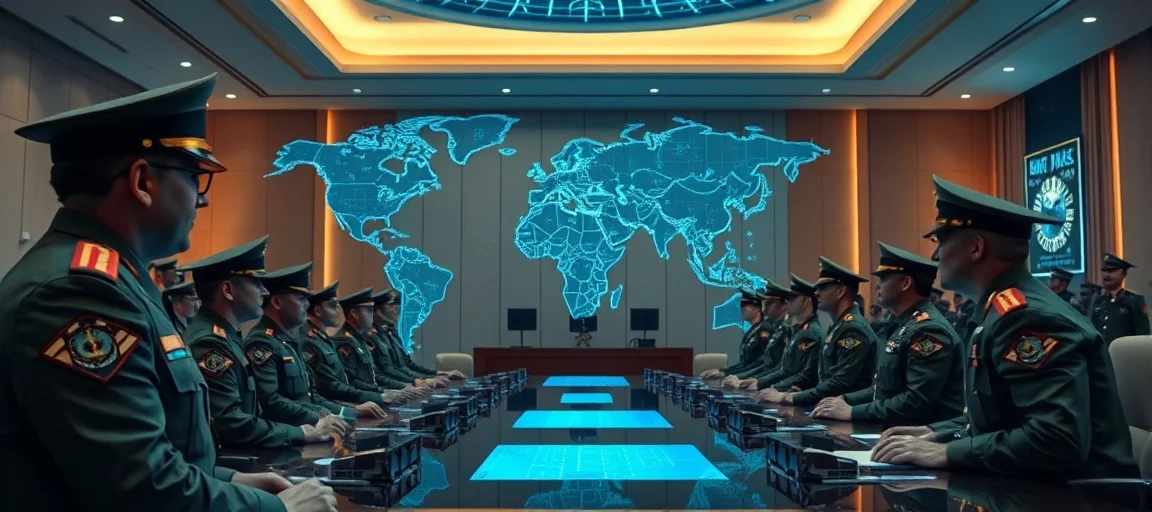
In a pivotal address at the Shangri-La Dialogue in Singapore, U.S. Defense Secretary Pete Hegseth underscored America's unwavering dedication to the Indo-Pacific region, articulating a clear stance that the US Committed to regional stability. His remarks, delivered on May 30, 2026, were framed by a palpable sense of concern, as Hegseth: US Committed to Pacific Security, China Alarm over Beijing's escalating military activities continues to grow. The Defense Secretary's comments emphasized the critical need to maintain a "lasting and favorable balance of power" in the Pacific, warning that a region dominated by any single hegemon would destabilize the existing equilibrium. This powerful declaration from Secretary Hegseth signals a renewed focus on strategic partnerships and collective defense in the face of what the U.S. perceives as a rapidly evolving security landscape.
- US Reaffirms Steadfast Commitment to Indo-Pacific Security
- Hegseth: US Committed to Pacific Security, China Alarm and Regional Dynamics
- The Call for Burden Sharing and Enhanced Alliances
- The Role of Key Regional Players and Economic Considerations
- Shifting Dynamics and Diplomatic Engagement
- The Future of Pacific Security
- Frequently Asked Questions
- Further Reading & Resources
US Reaffirms Steadfast Commitment to Indo-Pacific Security
U.S. Defense Secretary Pete Hegseth used the prominent platform of the Shangri-La Dialogue, Asia's premier security forum, to deliver a forceful message regarding Washington's enduring commitment to the Indo-Pacific region. His statements on May 30, 2026, aimed to reassure allies and partners that the United States would not abandon them in confronting the mounting military and economic pressures emanating from China. Hegseth articulated that the region holds "profound implications for U.S. security and prosperity," highlighting its significance as the world's largest and most dynamic market area. This commitment aligns with the broader U.S. Indo-Pacific Strategy, which aims for a region that is free, open, connected, prosperous, secure, and resilient. For more on the strategic importance of various nations in the region, see our analysis on Indo-Pacific Alliances.
The Secretary stressed that America's approach in the Pacific is centered on "deterrence by denial along the first island chain," signaling a strategic focus on preventing an adversary from achieving its objectives through military means. He pledged to bolster defenses across the Western Pacific, reinforcing the U.S. capacity to respond to regional threats. This strategic pivot emphasizes the development of new capabilities, concepts of operation, military activities, and a more resilient force posture to defend U.S. interests and deter aggression against its allies and partners, including across the Taiwan Strait. The long-standing security architecture, built on ironclad treaty alliances with nations like Australia, Japan, the Republic of Korea, the Philippines, and Thailand, remains a foundational element of this strategy, enabling regional democracies to flourish.
Hegseth: US Committed to Pacific Security, China Alarm and Regional Dynamics
A central theme of Secretary Hegseth's address was the "rightful alarm" over China's historic military buildup and the ongoing expansion of its military activities across the Asia-Pacific region and beyond. He warned that China's actions posed a direct threat to the regional balance of power, stating that a Pacific "dominated by any hegemon would unravel the regional balance of power and undermine the equilibrium we all seek to preserve." This sentiment was echoed by others, noting China's quiet extension of its military reach through the construction of numerous ports, airports, and communications projects that could potentially exclude the U.S. and its allies in a conflict scenario.
The U.S. Defense Secretary pointed to specific concerns, including China's aggressive stance toward Taiwan. He noted that China's military is "rehearsing for the real deal," conducting numerous exercises to simulate a blockade of the self-governing island, which Beijing claims as its own. These activities, including an unprecedented number of air incursions by advanced fighter jets and bombers, naval drills, and threatening propaganda, are seen as attempts to coerce Taiwan and destabilize regional peace. This situation is further detailed in our deep dive on Taiwan's Geopolitical Importance.
Furthermore, China's military expansion extends to establishing overseas military bases and abusing commercial arrangements at host country ports for military functions, often obscuring their true purpose. Examples include reports of secret military agreements with Cambodia and Huawei's plans to construct telecom towers in the Solomon Islands, raising concerns about potential security risks. The militarization of artificial islands in the South China Sea, despite previous promises not to do so, further underscores Beijing's assertive posture and its use of intimidation against Southeast Asian coastal states, threatening vital shipping lanes and resource access. This includes the deployment of anti-ship missiles, surface-to-air missile systems, and fighter aircraft to these strategically located outposts.
The Call for Burden Sharing and Enhanced Alliances
Secretary Hegseth also emphasized that the burden of securing the Indo-Pacific cannot be borne by the United States alone. He called on allies and partners to contribute more to their own defense, shifting away from a model of dependency towards one of true partnership. Hegseth asserted that "a favorable balance of power requires capable allies with real military strength, real industrial capacity, and real political resolve." He described the previous arrangement, where regional security rested disproportionately on American military power while allies allowed their defense capabilities to atrophy, as an "unsustainable crutch" and a "bad deal for the American taxpayer."
This push for increased allied contributions aligns with the Trump administration's broader foreign policy approach, which stresses that America seeks "partners, not protectorates." The U.S. plans a generational investment of 1 trillion spent last year, to expand America's military dominance. Hegseth explicitly stated that the U.S. expects "every single ally and partner to match that kind of resolve" by increasing their own defense spending. For nations that rise to this challenge, the benefits will be clear, as the U.S. strategy prioritizes working with "model allies" who are capable, clear-eyed, and ready to defend their national interests and bolster collective deterrence.
The Role of Key Regional Players and Economic Considerations
The U.S. strategy recognizes the crucial role of key regional players in maintaining stability. Secretary Hegseth specifically lauded India as a "critical anchor to hold the line" in the Indo-Pacific, acknowledging its military modernization efforts and growing role in the Indian Ocean region. He highlighted expanding defense cooperation with India, including co-production initiatives for advanced capabilities like Javelin anti-tank guided munitions, as tangible steps to improve collective readiness. This collaboration underscores the U.S. vision of a powerful India acting in its own self-interest to advance the shared goal of maintaining a balance of power across the region and promoting a rules-based international order.
Beyond military cooperation, economic factors also play a significant role. Hegseth cautioned against the risks of economic dependence on China, stating that it "only deepens their malign influence and complicates our defense decision space during times of tension." This highlights the intricate balance many Indo-Pacific nations attempt to strike, with Beijing often being their primary trading partner while simultaneously feared as a regional bully due to its aggressive claims on natural resources. The U.S. seeks to offer an alternative, emphasizing partnerships that support economic prosperity without compromising security interests, such as through resilient supply chains and diversified trade relationships. The broader context of these economic rivalries is explored in our article on the US-China Trade Relations.
Shifting Dynamics and Diplomatic Engagement
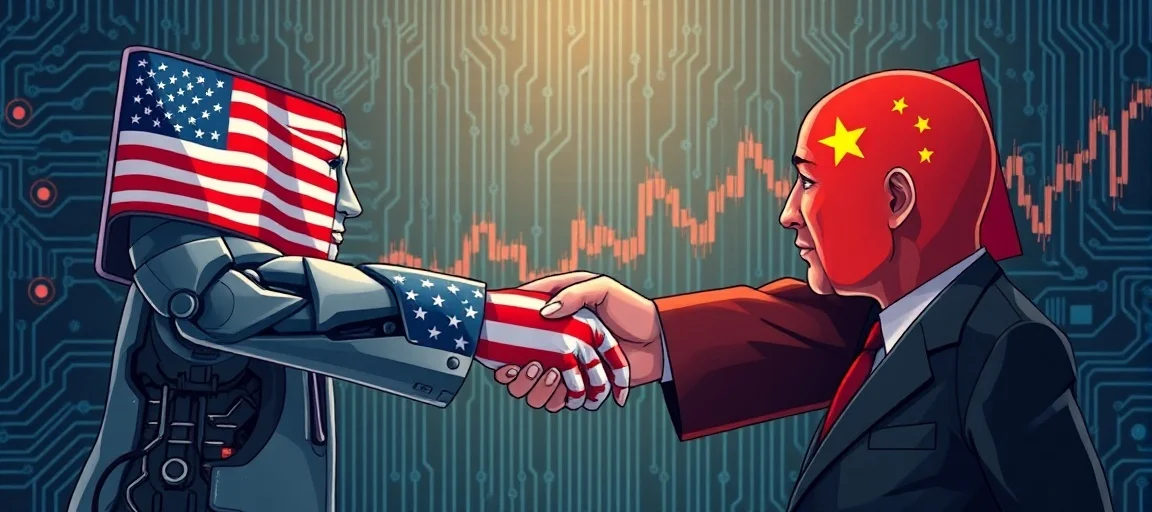
While Hegseth's message was firm on security commitments and concerns about China, there was also a diplomatic nuance. He noted that relations between the United States and China had improved under President Donald Trump's leadership, with increased military-to-military communication. This suggests an attempt to manage competition while maintaining channels for dialogue, aiming for a "constructive relationship of strategic stability, based on fairness and reciprocity." However, this pursuit of stability does not diminish the U.S. priority to ensure that China is not allowed to dominate the Indo-Pacific through coercion or military might.
The U.S. continues to reinvigorate its network of partnerships and alliances, building coalitions and deepening engagement in multilateral institutions. Initiatives like Pacific Partnership 2026, the U.S. Navy's largest annual maritime humanitarian and civic assistance effort in the Indo-Pacific, exemplify this approach. This mission, which includes personnel from Australia, Canada, Japan, New Zealand, and others, focuses on enhancing multilateral cooperation, strengthening national capacities for disaster and emergency response, and deepening strategic partnerships. Such efforts are crucial for fostering regional interoperability, building trust among nations that share a vision for a free, open, and secure Indo-Pacific, and presenting a united front against challenges to the established order.
The Future of Pacific Security
The discussions at the Shangri-La Dialogue and Secretary Hegseth's pronouncements paint a clear picture of an Indo-Pacific region grappling with significant geopolitical shifts. The U.S. is intent on reinforcing its position as a Pacific nation, committed to upholding international law and norms, and ensuring freedom of navigation. The increasing assertiveness of China, coupled with its rapid military modernization and growing influence in developing nations through initiatives like the Belt and Road, means that the calls for collective defense and greater burden-sharing from allies will likely intensify. The stakes involve not just military control, but also economic dominance and the future of democratic governance in the region.
The future stability of the Pacific will depend on a delicate balance between deterrence and diplomacy. While the U.S. pledges to prioritize lethal capabilities, strategic discipline, and business-like cooperation, it also acknowledges the need for stable peace and respectful relations with China. This includes maintaining open lines of communication to prevent miscalculation while simultaneously pushing back against aggressive actions. However, the unwavering message from Secretary Hegseth is that the United States will maintain the military strength necessary to ensure China respects Washington's role in the Indo-Pacific and adheres to international rules. The ongoing dynamic will shape not only the security landscape but also the economic and political trajectories of nations across this vital region for decades to come, demanding sustained vigilance and collaborative action from all stakeholders.
Frequently Asked Questions
Q: What was the primary message from U.S. Defense Secretary Pete Hegseth at the Shangri-La Dialogue?
A: Hegseth's main message was a strong reaffirmation of the U.S.'s unwavering commitment to Indo-Pacific security. He emphasized the critical need to maintain a stable balance of power and deter any single hegemon from dominating the region, specifically addressing concerns over China's military expansion.
Q: Why is China's military expansion causing alarm in the Indo-Pacific?
A: China's extensive military buildup, aggressive actions in the South China Sea, increased pressure on Taiwan, and establishment of overseas military bases are seen as direct threats to regional stability. These actions challenge international norms and raise concerns about Beijing's long-term strategic intentions.
Q: What does the U.S. expect from its allies regarding Indo-Pacific security?
A: The U.S. expects its allies to increase their contributions to their own defense and share the burden of regional security. Secretary Hegseth called for partners to develop real military strength, industrial capacity, and political resolve, moving towards true partnership rather than dependency on American military power.
Further Reading & Resources
- U.S. Department of State: Indo-Pacific Strategy
- U.S. Department of Defense: Indo-Pacific
- Council on Foreign Relations: The Indo-Pacific
- CSIS: Asia/Pacific Programs
In summary, the recent statements by U.S. Defense Secretary Pete Hegseth at the Shangri-La Dialogue underscore a critical juncture in Indo-Pacific geopolitics. His firm declaration that Hegseth: US Committed to Pacific Security, China Alarm over Beijing's military expansion is "rightful" sets the tone for continued U.S. engagement and a renewed emphasis on collective security. The path forward will require sustained American leadership, robust alliances, and a clear-eyed approach to managing the complex relationship with China, all aimed at preserving a free, open, and stable Indo-Pacific.