Europe Anxious Over US Troop Cuts, Ukraine Conflict Deepens
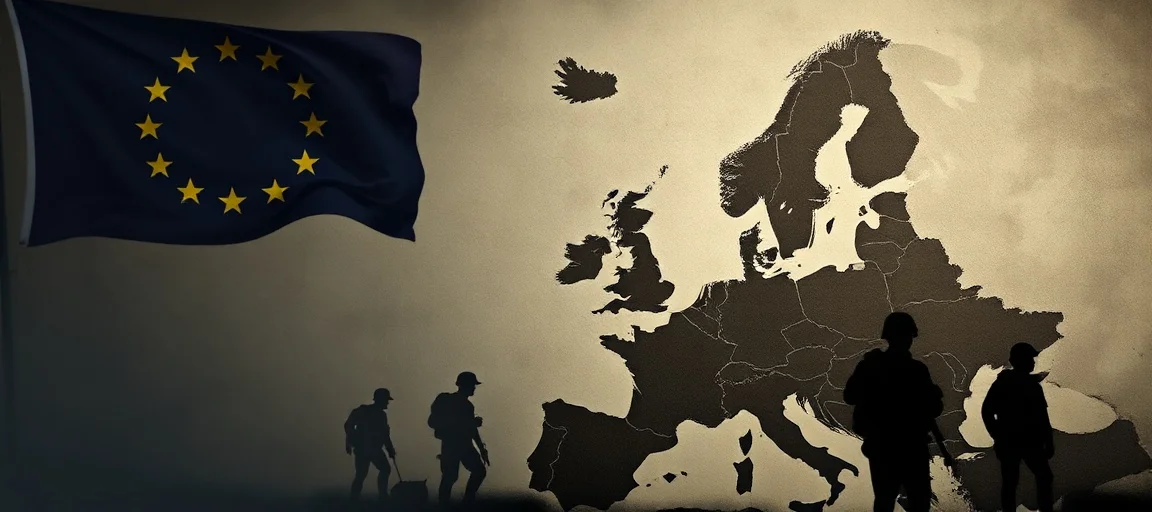
Europe finds itself increasingly anxious, navigating a period of profound uncertainty marked by potential US troop cuts and the deepening, escalating conflict in Ukraine. These intertwined concerns have ignited significant debate among European leaders and security analysts, casting a long shadow over the continent's future defense posture. The looming prospect of US troop cuts, coupled with the relentless struggle in Eastern Europe, creates a complex and challenging environment where Europe Anxious Over US Troop Cuts, Ukraine Conflict continues to escalate. This dual challenge necessitates a re-evaluation of continental security strategies and strengthens calls for greater European self-reliance in defense matters.
- A Shifting Transatlantic Security Paradigm
- The Enduring Shadow of the Ukraine Conflict
- European Reactions and Strategic Rethinking
- Economic and Social Ramifications
- The Future of European Security: Europe Anxious Over US Troop Cuts, Ukraine Conflict
- Frequently Asked Questions
- Further Reading & Resources
A Shifting Transatlantic Security Paradigm
The long-standing bedrock of European security has been the transatlantic alliance, primarily underpinned by the robust military commitment of the United States. For decades, the presence of US troops and military infrastructure across Europe has served as a crucial deterrent and a tangible expression of collective defense under NATO. However, recent political rhetoric and strategic considerations in Washington have signaled a potential reassessment of this arrangement, leading to widespread concern among European allies. Understanding the nuances of this transatlantic alliance is crucial for grasping current geopolitical shifts.
Historical Context of US Military Presence in Europe
The United States has maintained a substantial military footprint in Europe since World War II, initially to counter the Soviet threat and later to ensure stability and deter aggression in the post-Cold War era. Major deployments have included bases in Germany, Italy, and the UK, housing tens of thousands of service members and critical assets. This presence has been pivotal not only for immediate defense but also for joint training, intelligence sharing, and rapid deployment capabilities in times of crisis. The US commitment has been viewed as indispensable for maintaining a credible deterrence against various threats, particularly against an increasingly assertive Russia.
Drivers Behind Potential US Troop Reductions
Discussions surrounding potential US troop reductions are multi-faceted. Domestically, there is a recurring debate in the United States about the cost-benefit analysis of extensive overseas deployments and a desire to refocus military resources towards other strategic theaters, particularly the Indo-Pacific region, to counter China's growing influence. Economically, some argue that European nations, with their strong economies, should bear a greater share of their own defense burden, reducing reliance on American taxpayers. Politically, a shift towards an "America First" foreign policy stance has often questioned the intrinsic value of these long-term commitments, advocating for a more transactional approach to alliances. These internal pressures contribute significantly to the apprehension felt across European capitals, prompting a re-evaluation of collective security arrangements.
The Enduring Shadow of the Ukraine Conflict
While the discussion around US troop levels continues, the brutal reality of the ongoing conflict in Ukraine remains the most immediate and devastating threat to European stability. Now entering its third year, the conflict shows no signs of abating, continuing to exact a heavy toll on human lives, infrastructure, and the international order. Its protracted nature has forced Europe to confront conventional warfare on its doorstep, fundamentally altering security perceptions and revealing vulnerabilities in existing defense structures.
Escalation and Stalemate on the Eastern Front
The conflict in Ukraine has evolved into a grinding war of attrition, characterized by intense fighting along extended front lines, particularly in the Donbas region and the south. Despite significant military aid from Western allies, Ukrainian forces continue to face immense pressure, often outmatched in artillery and air power. Russia has demonstrated a surprising resilience in its war economy, adapting to sanctions and mobilizing resources, maintaining an unwavering commitment to its strategic objectives. Recent reports indicate that both sides are preparing for potential new offensives, suggesting a continued cycle of violence and destruction in the foreseeable future. The humanitarian crisis deepens daily, with millions displaced, critical infrastructure devastated, and the long-term impact on the region's demography and economy growing ever more severe.
Broader Regional Instability
Beyond the immediate battlefields, the Ukraine conflict has reverberated across the broader region, exacerbating existing tensions and creating new security challenges. Moldova and Georgia, for example, remain vulnerable to Russian influence and potential aggression, with separatist regions serving as potential flashpoints. The Baltic states (Estonia, Latvia, Lithuania) and Poland, frontline NATO members, feel particularly exposed, intensifying their calls for stronger defensive postures and increased allied presence, including pre-positioning of equipment and forces. The conflict has also triggered significant shifts in energy markets and global supply chains, disrupting trade routes and adding economic instability to the geopolitical anxieties. The prospect of an isolated and unconstrained Russia continues to worry neighboring countries, leading to a palpable sense of unease and a scramble for enhanced security measures.
European Reactions and Strategic Rethinking
The dual pressures of potential US troop reductions and the persistent Ukraine conflict have spurred a critical re-evaluation of defense strategies and capabilities across Europe. Leaders are grappling with how to bolster their collective security and reduce dependence on external guarantees, fostering a sense of shared responsibility. This period of introspection is driving new initiatives and strengthening existing alliances within the continent.
Calls for Greater European Strategic Autonomy
A recurring theme in European discourse is the urgent need for "strategic autonomy" – the capacity for Europe to act independently in defense and foreign policy when necessary. This concept predates the current crises but has gained significant momentum recently, particularly championed by France and Germany. Proponents argue that a more self-reliant Europe would be better equipped to handle regional crises, negotiate on the global stage, and ensure its own security even if transatlantic commitments waver. This involves investing more in military research and development, standardizing equipment, streamlining decision-making processes within European defense frameworks, and developing indigenous capabilities in critical areas like space and cyber defense. The debate around European strategic autonomy is complex, balancing independence with alliance commitments.
Increased Defense Spending and Collaborative Efforts
In response to the heightened threat environment, many European nations have significantly increased their defense budgets, moving closer to or exceeding NATO's target of 2% of GDP. Germany, traditionally cautious about military spending, has announced a substantial special fund for its armed forces, marking a historic shift in its defense policy and pledging to meet the 2% target consistently. Other nations, including Poland, which now spends over 3% of its GDP on defense, and the Baltic states, have also committed to substantial increases and modernization programs. Furthermore, there's a growing emphasis on collaborative defense projects, such as joint procurement of military hardware (e.g., next-generation fighter jets or tanks), enhanced interoperability exercises, and shared intelligence platforms, aiming to maximize efficiency and strengthen collective capabilities across the continent.
NATO's Enduring Relevance and Internal Debates
While European strategic autonomy is gaining traction, NATO remains the cornerstone of collective defense for most of the continent. The alliance has shown renewed unity and purpose in the face of the Ukraine conflict, expanding its presence on the Eastern Flank through enhanced Forward Presence (eFP) battlegroups and reaffirming its Article 5 commitment to mutual defense. The accession of Finland and Sweden has further strengthened the alliance's northern flank. However, internal debates persist regarding burden-sharing, the optimal strategy for deterrence against Russia, and the long-term implications of potential US troop reductions. The uncertainty adds complexity, forcing NATO members to consider how to maintain the alliance's strength and credibility in a potentially altered landscape, emphasizing the need for robust European contributions to collective security.
Economic and Social Ramifications
The geopolitical anxieties in Europe extend beyond military considerations, significantly impacting economic stability and societal cohesion. The ripple effects of the Ukraine conflict and the uncertainty surrounding defense arrangements are felt in various sectors, from energy prices to public sentiment, shaping policy decisions across the continent.
Economic Strain and Resource Allocation
The war in Ukraine has profoundly disrupted global supply chains, particularly for energy, food, and critical raw materials, leading to persistent inflationary pressures across Europe. Nations are diverting substantial financial resources towards defense spending and supporting Ukraine, potentially at the expense of other public services, social programs, or economic investments. The projected reconstruction efforts in Ukraine, once feasible, will also require massive international funding, posing another significant economic challenge for European economies. Furthermore, sanctions against Russia, while necessary to exert pressure, have also had economic repercussions for European industries historically dependent on Russian resources, forcing a costly restructuring of trade relationships. Understanding the impact on global supply chains is critical for economic stability.
Energy Security Concerns
Europe's historic reliance on Russian energy supplies was starkly exposed by the conflict. While significant strides have been made to diversify energy sources, including increased imports of LNG from the US and Qatar, and build up strategic reserves, concerns about energy security persist, especially for the upcoming winter months. The sabotage of the Nord Stream pipelines highlighted the vulnerability of energy infrastructure. The transition to renewable energy sources has been accelerated as a strategic imperative, but the immediate future still involves navigating volatile global energy markets and ensuring stable supplies. This strategic vulnerability highlights the interconnectedness of security, economics, and environmental policy, making energy independence a top priority.
Public Opinion and Political Landscape
The ongoing crises have profoundly impacted public opinion across Europe. There is a heightened awareness of security threats and a general increase in public support for stronger defense, but also apprehension about the potential for further escalation and the economic costs. The political landscape is becoming increasingly polarized, with debates over defense spending, immigration (driven by refugee flows from Ukraine), and foreign policy taking center stage in national elections. The rise of populist parties often capitalizes on economic anxieties and security fears, challenging mainstream political establishments. Leaders face the delicate task of balancing security imperatives with domestic priorities and public sentiment, especially as the cost of living continues to rise, potentially fueling social unrest.
The Future of European Security: Europe Anxious Over US Troop Cuts, Ukraine Conflict
The challenges facing Europe are immense, yet they are also catalyzing a renewed sense of urgency and collective action. The continent stands at a critical juncture, with decisions made today shaping its security architecture for decades to come. The question of how Europe will adapt to a potentially reduced US military presence while simultaneously confronting an aggressive Russia is paramount for its long-term stability and prosperity.
Strengthening Internal Cohesion and Alliances
One of the most crucial responses for Europe is to strengthen its internal cohesion and reinforce existing alliances. The European Union's role in coordinating defense and security policies is becoming more pronounced through initiatives like the Strategic Compass and the European Defence Fund, working alongside NATO. Bilateral and multilateral defense agreements among European states are also gaining importance, fostering deeper military cooperation, joint training exercises, and enhanced interoperability. The goal is to present a united front, both politically and militarily, capable of deterring aggression, managing crises effectively, and projecting stability in its neighborhood and beyond.
Technological Advancement and Cyber Security
Beyond conventional military might, European nations are increasingly focusing on technological advancement in defense. This includes investing in cutting-edge military technologies, such as advanced drones, artificial intelligence for battlefield awareness and decision-making, quantum computing for secure communications, and sophisticated surveillance systems, to maintain a qualitative edge against potential adversaries. Cyber security has also emerged as a critical domain, with nations bolstering their defenses against state-sponsored cyberattacks that can disrupt critical infrastructure, undermine democratic processes, and compromise national security. These substantial investments are vital for a modern defense strategy in an evolving threat landscape, reflecting a commitment to future-proofing European security.
Diplomacy and Deterrence
While military readiness and enhanced defense capabilities are essential, diplomacy remains a crucial tool for de-escalation and conflict resolution. European leaders continue to engage in diplomatic efforts to find a peaceful resolution to the Ukraine conflict, even as the immediate prospects appear bleak, maintaining pressure on Russia through sanctions and international isolation. The strategy involves a delicate balance of robust deterrence through military strength, economic leverage, and persistent diplomatic engagement to prevent further escalation, address root causes of conflict, and lay the groundwork for eventual peace and stability. This dual approach aims to safeguard European interests while keeping channels open for dialogue with adversaries when conditions allow.
Frequently Asked Questions
Q: What are Europe's main security concerns today?
A: Europe's primary security concerns revolve around the potential for US troop reductions, which could weaken the transatlantic alliance, and the ongoing, escalating conflict in Ukraine, which destabilizes the region and poses a direct threat to peace.
Q: Why is the US military presence important for European security?
A: The US military presence in Europe has historically provided a crucial deterrent against aggression, enabled vital joint training and intelligence sharing, and signified a strong commitment to collective defense under NATO's Article 5, making it a cornerstone of regional stability.
Q: What is Europe doing to enhance its own security in response to these challenges?
A: European nations are increasing defense spending significantly, pursuing greater strategic autonomy through coordinated defense initiatives, and strengthening internal cooperation within the EU and NATO. They are also investing heavily in technological advancements and cyber security to bolster their capabilities.