US Storm Alert: Severe Weather Conditions Hit Multiple States
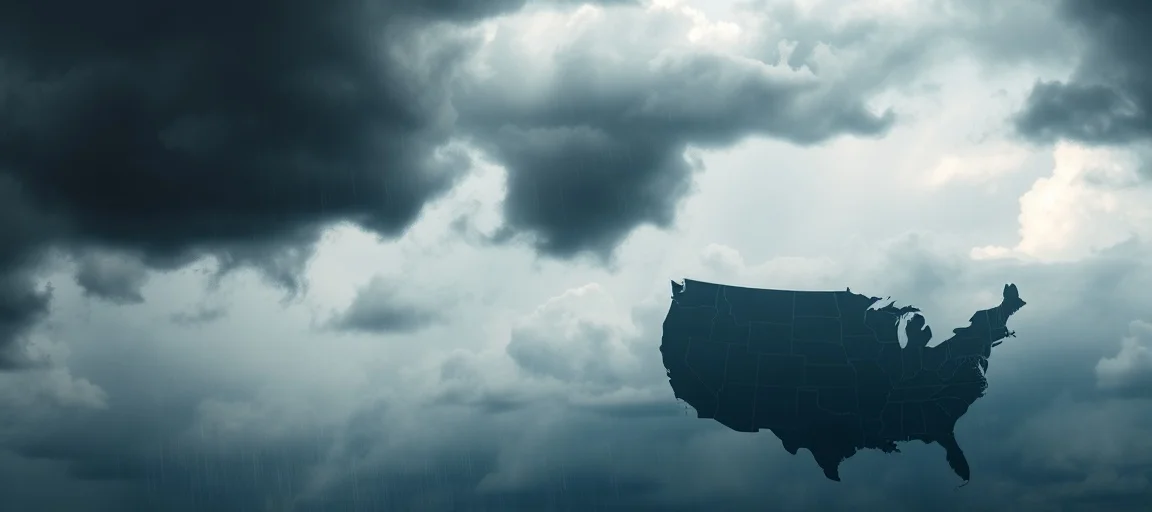
A powerful US Storm has triggered severe weather conditions across multiple states, bringing torrential rainfall, destructive winds, and severe lightning. Meteorologists warn that this system could escalate, urging communities from the Southern Plains to the Midwest to prepare immediately. By tracking the path of this natural event, emergency personnel hope to minimize the impact on public safety and critical infrastructure.
- Understanding the Dynamics of the US Storm
- Severe Weather Conditions and Regional Impacts
- Infrastructure Damage and Economic Fallout
- Emergency Preparedness and Critical Safety Protocols
- Government Relief and NGO Interventions
- Expert Perspectives and Meteorological Outlook
- Conclusion
- Frequently Asked Questions
- Further Reading & Resources
Understanding the Dynamics of the US Storm
The current US Storm is driven by a unique confluence of major atmospheric anomalies. A high-altitude jet stream dip has allowed cold, dry Canadian air to sweep southward across the Great Plains. Simultaneously, a robust low-pressure system over the Southwest has pulled warm, highly humid air from the Gulf of Mexico northward. When these two dramatically different air masses collided, they set the stage for explosive atmospheric instability.
Meteorologists use the term "supercellular development" to describe the spinning updrafts that have formed along the leading edge of this cold front. This boundary, commonly referred to as the dryline, acts as a trigger for severe weather. As the warm, moist air is forced rapidly upward over the dense cold air, it condenses into massive cumulonimbus clouds. These clouds can reach altitudes of over 50,000 feet, generating the intense energy required to produce destructive winds, massive hail, and tornadoes.
Another factor intensifying this weather event is the atmospheric shear. Wind shear, which involves variations in wind speed and direction at different altitudes, helps sustain the rotation of severe thunderstorms. This rotational energy is what transforms standard convective systems into long-track supercells, which are capable of staying active for several hours and traveling across multiple state lines.
Severe Weather Conditions and Regional Impacts
The geographic scale of this system has resulted in varied impacts across the United States. While some regions are facing catastrophic wind damage, others are experiencing historic rainfall accumulations that threaten to overwhelm local water management infrastructure.
Southern Plains: Tornado Alley Reawakens
In Texas and Oklahoma, the primary threat has manifested as violent tornadoes. Several radar-confirmed tornadoes have touched down in northern Texas, flattening structures and knocking down vital transmission lines. The National Weather Service (NWS) has issued multiple Tornado Emergencies—the highest level of alert—for densely populated suburban areas.
Local emergency management teams in Oklahoma report that wind gusts exceeding 80 miles per hour have accompanied these storms. This intense velocity is equivalent to a category-one hurricane, causing severe damage to roofs, uprooting century-old trees, and rendering roads impassable due to fallen debris. Debris management remains a top priority for local municipal authorities as they work to clear primary evacuation routes.
Midwest and Central Plains: Historic Rain and Flooding
Further north, in Kansas and Missouri, the storm's momentum has slowed, resulting in prolonged periods of torrential rain. This phenomenon, known as "training," occurs when multiple storms pass over the exact same area in rapid succession. Consequently, localized rainfall totals have exceeded six inches within a twelve-hour window.
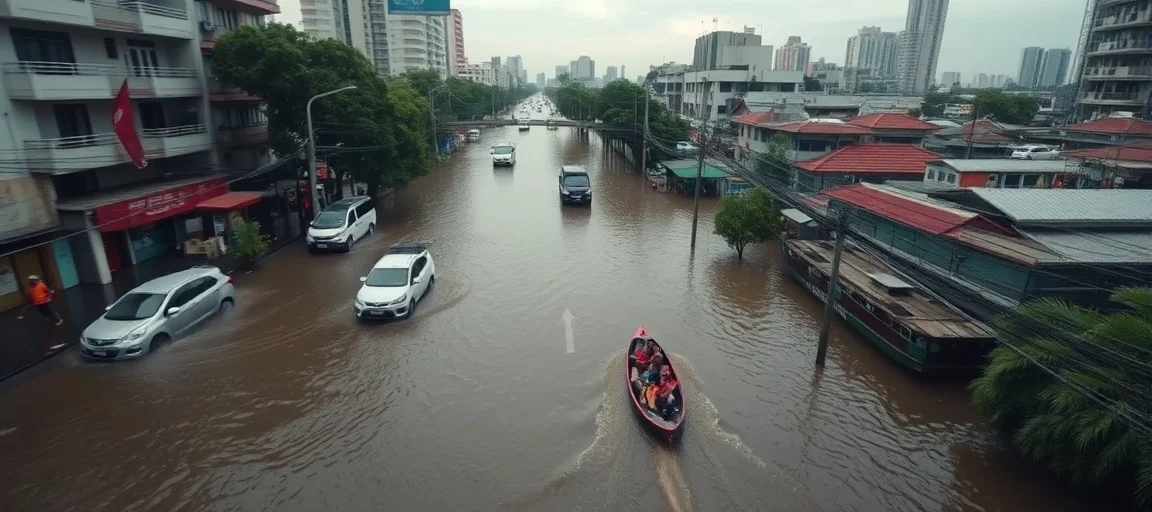
This heavy volume of water has triggered severe flash flooding. Small creeks and urban drainage systems have quickly overflowed, inundating residential neighborhoods and ground-level businesses. Emergency rescue teams have been deployed to perform high-water rescues, pulling stranded motorists from vehicles that became trapped in rapidly rising waters.
Eastern Expansion and Forecasted Paths
Predictive models suggest that the storm system will continue its eastward trajectory over the coming days. The Ohio Valley and parts of the Deep South are projected to experience severe thunderstorms as the cold front pushes forward. Residents in these path zones must monitor local broadcasts closely, as the threat of damaging winds and isolated tornadoes remains elevated.
Infrastructure Damage and Economic Fallout
The physical damage left in the wake of the storm has initiated a complex economic recovery process. Utility providers, logistics companies, and agricultural businesses are already assessing the immediate financial consequences of this multi-state disaster.
Power Grid Instability and Utility Outages
High winds and falling trees have severely damaged transmission infrastructure. Hundreds of thousands of customers across the affected states are currently without electricity. Utility companies have activated mutual aid agreements, bringing in additional line crews from neighboring states to accelerate grid restoration.
However, repairing high-voltage transmission towers is a time-consuming process that requires stable weather. In areas still experiencing active lightning and high winds, utility crews must delay operations to protect worker safety. This delay means some communities could remain without power for several days, highlighting the vulnerability of the regional energy grid.
Disruption of Supply Chains and Transit Networks
The storm has also impacted the national supply chain. Major interstate highways, including key shipping corridors, have been closed due to flooding, fallen debris, and overturned commercial vehicles. This gridlock has delayed freight shipments, affecting retail and manufacturing sectors nationwide.
Additionally, air travel has experienced widespread disruptions. Major regional airport hubs have canceled or delayed thousands of flights, leaving travelers stranded and forcing airlines to reroute aircraft. The economic impact of these logistical delays is estimated to reach hundreds of millions of dollars.
Emergency Preparedness and Critical Safety Protocols
To protect lives during extreme atmospheric events, adhering to established safety protocols is essential. Understanding the distinction between a weather "watch" and a "warning" can save lives.
Tornado Safety Measures:
When a tornado warning is active, immediate action is required to avoid flying debris.
- Seek shelter in a basement, storm cellar, or an interior room on the lowest floor of a sturdy building.
- Avoid windows, as high winds can shatter glass, turning fragments into dangerous projectiles.
- Use mattresses, heavy blankets, or helmets to shield your head and chest from falling objects.
Flash Flood Guidelines:
Flooding is one of the leading causes of weather-related fatalities in the country.
- Never attempt to drive through flooded roads, as even shallow moving water can sweep a vehicle away.
- Turn around, don't drown is the standard directive issued by emergency management agencies.
- If water begins to enter your home, move to the highest floor or roof, but avoid trapping yourself in an attic.
Government Relief and NGO Interventions
A coordinated response is underway to support the devastated communities. The Federal Emergency Management Agency (FEMA) is working alongside state governments to establish disaster recovery centers and distribute essential aid.
Federal Emergency Declarations:
The President has declared a federal state of emergency for several hardest-hit counties. This designation releases critical federal funding to assist with temporary housing, infrastructure repairs, and individual household grants. FEMA has deployed logistics experts to coordinate the distribution of food, clean drinking water, and medical supplies.
Non-Governmental Organizations (NGOs):
The American Red Cross and other volunteer groups have opened emergency shelters to house displaced residents. These organizations are providing hot meals, basic healthcare services, and mental health support to families who have lost their homes. Local food banks and community centers are also accepting donations to assist in the long-term recovery process.
Expert Perspectives and Meteorological Outlook
Meteorologists emphasize that the intensity of this system is a reminder of the shifting patterns of North American weather. Historically, spring storms have always presented a threat to the central United States, but the frequency of highly organized convective systems appears to be rising.
Dr. Maria Rodriguez, a lead meteorologist at the National Weather Service, highlighted the challenges of modern forecasting during a recent briefing: "The rapid intensification of this storm system underscores the need for continuous technological upgrades in radar and satellite imaging. While our predictive models gave communities several days of notice, the localized severity of the tornadoes and rainfall was incredibly difficult to pinpoint until hours before touchdown."
Climate scientists also point out that warmer sea surface temperatures in the Gulf of Mexico provide additional thermal energy and moisture to the atmosphere. This moisture acts as fuel, raising the ceiling for maximum rainfall potential and wind velocity during seasonal storm setups.
Conclusion
This historic US Storm has brought severe weather conditions across multiple states, causing significant disruption and damage. From tornadic destruction in the Southern Plains to widespread flooding in the Midwest, the scale of this event has tested the limits of regional infrastructure. As emergency crews continue their recovery efforts and communities begin the long process of rebuilding, staying informed and prepared remains the most effective defense against the unpredictable power of nature.
Frequently Asked Questions
Q: What states are most affected by the current US storm?
A: Texas, Oklahoma, Kansas, and Missouri are facing the most severe impacts, including tornado risks and flash flooding.
Q: How should residents prepare for severe lightning and winds?
A: Secure loose outdoor items, stay indoors away from windows, and ensure emergency kits are fully stocked.
Q: Where can citizens access real-time storm updates?
A: Real-time warnings are broadcasted by the National Weather Service (NWS) and local emergency broadcast systems.