Xi Arrives in N. Korea: New Era of Ties?
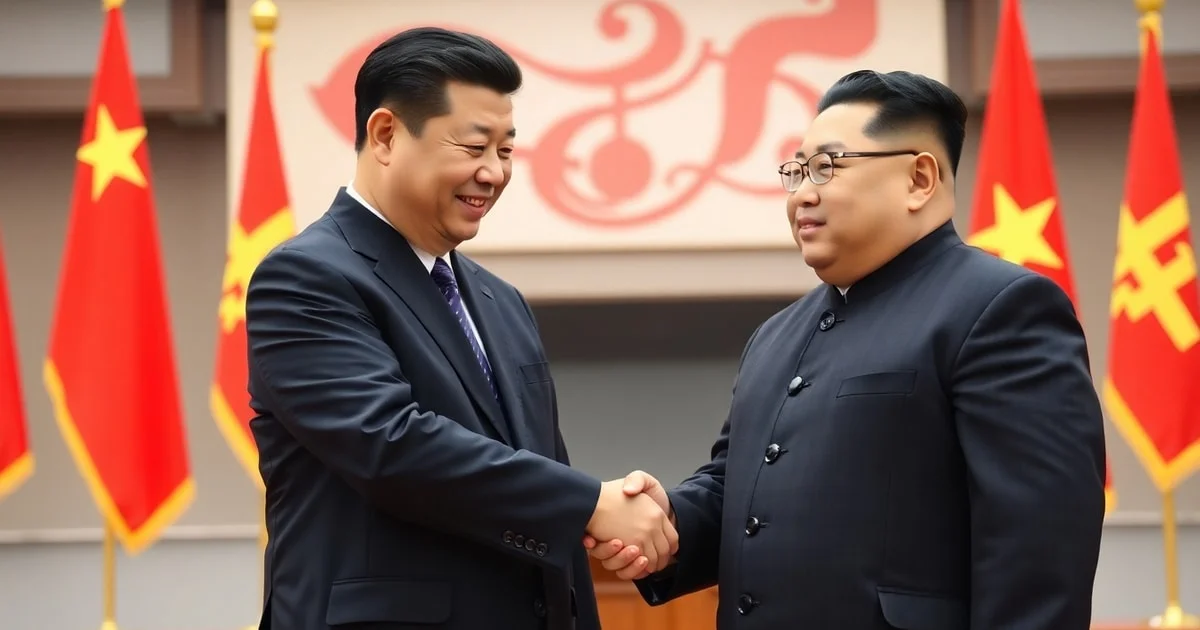
Chinese President Xi Jinping recently traveled to Pyongyang, meaning Xi Arrives in N. Korea: New Era of Ties? for the geopolitical landscape. This high-stakes visit represents a pivot point in East Asian diplomatic relations, occurring while the world watches the tenuous interplay between the nuclear-armed North, its primary economic patron in Beijing, and its anxious counterparts in Seoul and Washington.
Historical Foundations of the Beijing-Pyongyang Axis
The bilateral relationship between China and the Democratic People's Republic of Korea (DPRK) has served as a cornerstone of Northeast Asian stability for decades. Often described as being "as close as lips and teeth," the historical bond is rooted in the shared experiences of the Korean War and the Cold War-era communist solidarity. However, this alliance is far from static.
For Beijing, the DPRK functions as a vital strategic buffer against Western-aligned forces in South Korea and the presence of US military personnel. For Pyongyang, China provides the essential economic lifeline—food, fuel, and trade—that allows the regime to withstand intense international isolation. Despite this mutual necessity, the relationship has faced significant tremors. In recent years, China’s support for United Nations-led sanctions in response to North Korean ballistic missile testing created a period of noticeable diplomatic frost.
Understanding Xi Arrives in N. Korea: New Era of Ties?
The arrival of the Chinese leader in Pyongyang is viewed by analysts as a calculated signaling move. By visiting, Xi is not merely reinforcing the traditional alliance; he is asserting Beijing’s centrality in any potential resolution to the Korean Peninsula’s security dilemma.
The "new era" mentioned in state media suggests a shift toward more normalized, high-level strategic communication. This move aims to ensure that no future denuclearization deal—whether involving Washington or Seoul—happens without Beijing’s seat at the table. The summit serves as a reminder to the international community that China maintains leverage that no other nation possesses, effectively countering Western pressure campaigns.
The Complexity of Denuclearization
The nuclear question remains the primary point of contention in international relations regarding the peninsula. During the summit, the narrative shifted toward a "phased approach" for peace. China has long advocated for the "dual-track" approach: simultaneously pursuing the denuclearization of the peninsula and the establishment of a peace mechanism to replace the temporary armistice of 1953.
Strategic Objectives
- Maintaining Regional Stability: Beijing fears that a sudden collapse of the North Korean regime would result in a massive refugee crisis and potential reunification with the South, which would place a US-allied military force directly on the Chinese border.
- Economic Integration: The visit likely covered plans for infrastructure projects and economic assistance that could bypass some aspects of the current global sanctions regime, provided these actions do not cross the threshold of UN violations.
- Counter-balancing the US: By engaging directly with Kim Jong-un, Xi effectively maneuvers around the stalled US-North Korea dialogue, positioning China as the indispensable mediator.
Regional Reactions and Global Implications
The geopolitical reverberations of this meeting have been felt far beyond the Korean Peninsula. In Tokyo and Seoul, officials are monitoring whether this newfound warmth will lead to a more assertive North Korean stance in future negotiations.
Washington, meanwhile, has expressed concern. While the United States theoretically supports any diplomatic effort to lower regional tensions, the US Department of State has historically remained skeptical of China’s willingness to exert genuine pressure on Pyongyang. The Biden administration continues to emphasize that the path forward must be total, verifiable, and irreversible denuclearization, a goal that increasingly seems at odds with the current Beijing-Pyongyang consensus.
Economic Diplomacy as a Tool
The economic dimension cannot be ignored. Historically, North Korea has been almost entirely dependent on trade with its northern neighbor. When trade drops, the regime faces existential risks. By reaffirming support, Beijing provides the breathing room for Pyongyang to manage its internal economic development while simultaneously keeping the regime tethered to the Chinese sphere of influence.
Long-Term Regional Stability
If the visit indeed marks the beginning of a "new era," we must consider what that looks like in practice. Will the North Korean leadership be more willing to engage in technical talks now that they have a confirmed security guarantee from their most powerful ally? Or will they feel empowered to continue their current trajectory, knowing that Beijing will prevent a total economic collapse?
The answer likely lies in the middle. The current situation creates a delicate dance where the North avoids isolation through Beijing, while Beijing avoids chaos through a controlled, albeit difficult, partnership with the North. The "new era" likely describes a status quo reinforced rather than a major shift in the underlying strategic ambitions of the involved parties.
Conclusion
The recent trip by the Chinese President has fundamentally shifted the optics of regional diplomacy. As we analyze the question: "Xi Arrives in N. Korea: New Era of Ties?" it becomes clear that this event is less about immediate policy breakthroughs and more about a strategic realignment. The relationship between China and the DPRK is entering a phase of deeper coordination, one that complicates the goals of Western powers while solidifying the regional influence of the PRC. As the geopolitical landscape shifts, the world must stay vigilant to how this renewed partnership influences the future of global security.
Frequently Asked Questions
Q: Why did Xi visit Pyongyang?
A: To strengthen bilateral ties and discuss regional security, effectively asserting China's central role in upcoming diplomatic negotiations regarding the peninsula.
Q: Will this end the nuclear crisis?
A: It is unlikely to end the crisis in the short term, but it adds a new diplomatic layer that necessitates China's involvement in any future denuclearization agreements.
Q: What is the US reaction?
A: The US remains largely skeptical, viewing the meeting as a potential hurdle to their own "denuclearization first" policy and a sign of continued Chinese support for the North.