Southeast Asia's Nuclear Shift Gains Pace: A New Energy Era Dawns
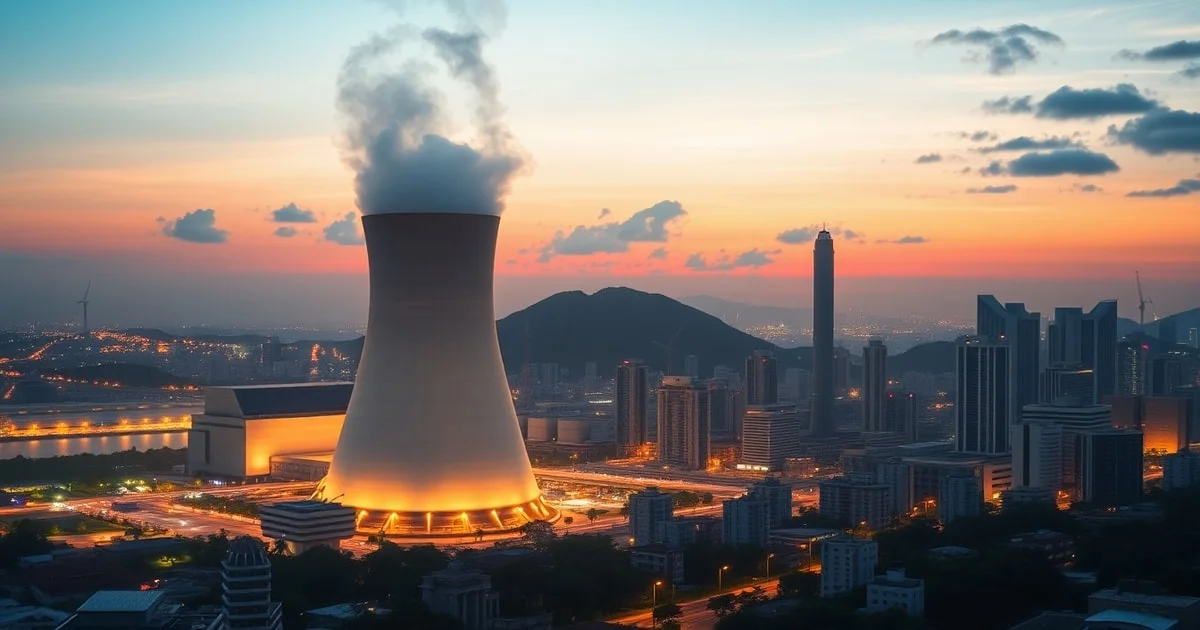
Southeast Asia is witnessing a pivotal transformation in its energy landscape. A growing number of nations in the region are actively pursuing nuclear power, signaling a significant Southeast Asia's nuclear shift gains pace. This compelling pivot towards atomic energy is driven by a confluence of factors, including surging electricity demand, ambitious decarbonization targets, and a heightened focus on energy security amidst global geopolitical uncertainties. The commitment to developing nuclear capabilities marks a new energy era for a region historically reliant on fossil fuels.
- The Imperative for Change: Why Nuclear Power Now?
- Nations Leading the Charge in Southeast Asia's Nuclear Shift Gains Pace
- The Philippines: Ambitious Targets and Regulatory Progress
- Indonesia: Advancing Towards 2032 Commissioning
- Vietnam: Reactivating a Nuclear Program with Urgency
- Thailand: Exploring SMRs for Future Energy Mix
- Malaysia: Re-evaluating Nuclear for Decarbonization and Security
- Other Nations and Regional Cooperation
- Economic and Environmental Implications
- Geopolitical Ramifications and Safety Concerns
- Expert Perspectives and Future Outlook
- Conclusion
- Frequently Asked Questions
- Further Reading & Resources
The Imperative for Change: Why Nuclear Power Now?
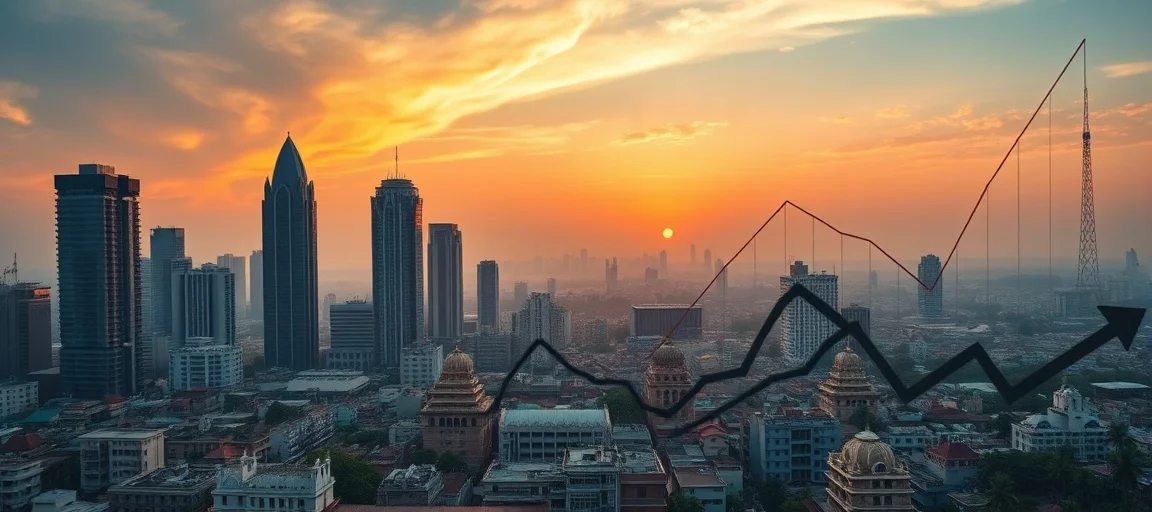
Southeast Asia's economies are among the fastest-growing globally, leading to a substantial and continuous increase in electricity demand. Over the past two decades, ASEAN electricity demand has more than doubled, rising from approximately 458 TWh in 2003 to 1,258 TWh in 2023. Projections indicate that regional energy demand could triple by 2050, surging from around 1,200 TWh to 4,300 TWh. This rapid expansion, fueled by industrialization, urbanization, and the burgeoning needs of data centers and artificial intelligence (AI) infrastructure, presents a formidable challenge for sustainable energy provision.
Historically, this demand has largely been met by fossil fuels, with coal and gas dominating the energy mix. In 2023 alone, electricity demand grew by 3.6%, with this additional demand entirely met by coal and gas, causing power sector emissions to rise by 6.6%. However, the global push for decarbonization, coupled with increasing volatility in fossil fuel prices and supply chain disruptions exacerbated by geopolitical tensions, has made traditional energy sources less viable and desirable for long-term energy security.
Nuclear energy offers a powerful solution to these multifaceted challenges. As a low-carbon, reliable, and baseload power source, it can complement intermittent renewable energy sources like solar and wind, providing the stability required for modern grids and supporting net-zero commitments. The International Atomic Energy Agency (IAEA) has emphasized nuclear power's role in accelerating the deployment of clean energy alongside renewables to meet global climate goals.
Nations Leading the Charge in Southeast Asia's Nuclear Shift Gains Pace
Several nations across Southeast Asia are now firmly committed to integrating nuclear power into their energy strategies, with some making significant progress in policy, regulatory frameworks, and international partnerships. This decisive move underscores the region's determination to achieve energy independence and environmental sustainability.
The Philippines: Ambitious Targets and Regulatory Progress
The Philippines has emerged as one of the most advanced countries in Southeast Asia regarding nuclear energy development. A 2022 executive order reinstated nuclear energy into the national energy policy, aiming for 1,200 MW of nuclear capacity by 2032, increasing to 2,400 MW by 2035, and a substantial 4,800 MW by 2050. This ambitious roadmap is driven by the country's chronic power shortages, high electricity prices, and the need for stable baseload capacity to support an increasingly renewables-heavy grid.
A significant step forward was the enactment of the Philippine National Nuclear Energy Safety Act in September 2025, which established an independent nuclear safety regulator and codified rules for secure nuclear development. The government plans to begin accepting nuclear power plant license applications in 2026, with PhilAtom overseeing the integration of nuclear energy into the national mix. The potential recommissioning of the mothballed Bataan Nuclear Power Plant (BNPP), completed in 1984 but never operated, is also under a feasibility study by Korea Hydro & Nuclear Power (KHNP). Furthermore, U.S.-based NuScale Power has proposed significant investments in Small Modular Reactors (SMRs) for the country.
Indonesia: Advancing Towards 2032 Commissioning
Indonesia, Southeast Asia's largest economy, is also at the forefront of the nuclear shift. The country aims to commission its first nuclear power plant between 2032 and 2034, with an initial capacity of 500 MW under its 2025–2034 Electricity Supply Business Plan (RUPTL). This is part of a broader strategy to achieve up to 44 GW of nuclear capacity by 2060, with 35 GW for electricity generation and 9 GW for hydrogen production starting from 2045. This strategic move aligns with Indonesia's pledge to reduce emissions by 29% by 2030 and its commitment to achieving net-zero emissions.
Potential sites for the first facilities are in Sumatra and Kalimantan, with a prioritization of Small Modular Reactor (SMR) technology due to its flexibility and scalability, especially suited for Indonesia's dispersed territories and industrial clusters. International players, including South Korea, Russia, France, and China, have expressed strong interest in Indonesia's nuclear sector, recognizing its commitment to innovative solutions like floating SMRs and a roadmap targeting over 20 nuclear power plants by mid-century. Rosatom, Russia's state-owned nuclear energy company, is actively engaged in discussions, offering comprehensive cooperation, including SMRs and personnel training.
Vietnam: Reactivating a Nuclear Program with Urgency
Vietnam has reactivated its nuclear power program with renewed political alignment and legislative clarity, nearly a decade after shelving its initial plans. The National Assembly approved restarting the program in November 2024, with ambitious targets to commission the Ninh Thuan 1 and 2 nuclear power plants as early as 2030 or 2031, and no later than 2035. The estimated investment for this revival is approximately $22 billion, positioning Vietnam as a significant re-entry market for nuclear power in the region.
Driving this acceleration are Vietnam's high economic growth targets and projected electricity demand increases of 12–14% annually, necessitating a sevenfold expansion of generation capacity by 2050. Like its neighbors, Vietnam is also committed to achieving Net Zero Emissions by 2050, making nuclear energy a strategic complement to expanding renewables and LNG. Vietnam has signed agreements with Russia, Japan, and South Korea to strengthen technical expertise and investment flows. Specifically, an intergovernmental agreement was signed with Russia in March 2026 for the construction of the Ninh Thuan 1 plant, utilizing Rosatom's VVER-1200 reactors.
Thailand: Exploring SMRs for Future Energy Mix
Thailand is actively exploring the inclusion of nuclear power, particularly Small Modular Reactors (SMRs), in its future energy mix. The draft 2024 Power Development Plan (PDP) considers two SMR units, each with a capacity of approximately 300 MWe, to be located in the northeastern and southern regions of Thailand, with operations expected to begin by 2037. This marks Thailand's third attempt to integrate nuclear energy, with a renewed focus on advanced nuclear technologies to diversify its energy mix and meet long-term energy demands.
The move is aligned with Thailand's commitment to achieving carbon neutrality by 2050 and net-zero greenhouse gas emissions by 2065. While SMRs offer flexibility and enhanced safety systems, Thailand is conducting feasibility studies, technology assessments, and public engagement initiatives to maximize long-term benefits. Thailand has also signed a nuclear cooperation agreement with the U.S. and an MoU with Korea on SMR technology transfer, feasibility, and training.
Malaysia: Re-evaluating Nuclear for Decarbonization and Security
Malaysia, heavily reliant on fossil fuels (over 80% of its electricity generation), is re-evaluating nuclear energy as a crucial component of its long-term national electricity strategy. The Malaysian government has indicated a renewed openness to including nuclear power to meet clean energy goals, transition away from fossil fuels, and achieve carbon neutrality by 2050. The 13th Malaysia Plan (2026-2030) formally includes nuclear energy as a clean, safe, and competitive source.
MyPOWER Corporation, an agency under the Ministry of Energy Transition and Water (PETRA), has been appointed as the Nuclear Energy Programme Implementing Organisation (NEPIO) to lead and coordinate Malaysia's phased nuclear energy program, guided by the IAEA Milestones Approach. While no decision has been made on the specific technology or capacity, feasibility studies are underway, focusing on technical, economic, and environmental aspects. SMRs are being explored for their advantages in scalability, cost savings, advanced safety features, and reduced environmental impact.
Other Nations and Regional Cooperation
Other nations like Laos, Cambodia, Myanmar, and Singapore are also showing growing interest in nuclear energy as part of their long-term infrastructure and energy security strategies. Myanmar, for instance, has signed agreements with Russia to develop its own SMR. Singapore has entered a nuclear cooperation agreement with the U.S., focusing on expertise exchange.
The ASEAN Network of Regulatory Bodies on Atomic Energy (ASEANTOM) and the IAEA are playing crucial roles in providing assistance, technical guidance, and support for capacity building across the region to ensure safe and secure nuclear energy applications. The Asian Development Bank (ADB) also lifted its ban on financing nuclear power plant construction in 2025, signaling increased support for nuclear development in Asia.
Economic and Environmental Implications
The embrace of nuclear energy in Southeast Asia carries significant economic and environmental implications. Economically, the region's nuclear ambitions are projected to require substantial investments, with Wood Mackenzie estimating US$208 billion to develop 25 GW of capacity by 2050. While the upfront capital costs for nuclear plants, particularly SMRs, can be higher than some alternatives, they offer long-term benefits in terms of stable operating costs and energy security. SMRs, despite a higher levelized cost of electricity (LCOE) compared to conventional large nuclear plants, are favored due to their deployment speed and reduced regulatory complexity.
Environmentally, nuclear power is a crucial tool for decarbonization. By shifting away from fossil fuels, these nations can significantly reduce their greenhouse gas emissions, aligning with global climate change commitments. For instance, Indonesia's nuclear plans directly support its net-zero emission goals. Nuclear energy provides a reliable, low-carbon baseload power source that can help countries meet their rapidly increasing electricity demand without exacerbating climate change.
Geopolitical Ramifications and Safety Concerns
The accelerating nuclear shift also has significant geopolitical ramifications. International players like Russia, China, the U.S., France, Japan, and South Korea are keenly interested in Southeast Asia's emerging nuclear market, offering various technologies, financing, and expertise. This competition and cooperation could reshape regional alliances and influence energy security dynamics. Russia, through Rosatom, has been particularly active, securing agreements with Indonesia and Vietnam. China is also positioning itself as a key partner, leveraging its domestic industrial capacity and offering state backing for capital costs.
Safety remains a paramount concern for nuclear power. High-profile incidents like Chernobyl and Fukushima have ingrained public skepticism about nuclear technology. Consequently, Southeast Asian nations are emphasizing rigorous safety standards and international cooperation. The IAEA's Milestones Approach guides countries through the complex process of developing nuclear infrastructure, focusing on legal frameworks, regulatory bodies, and human resource development. The development of advanced safety features in SMRs, such as passive cooling systems, aims to address some of these historical concerns, making them potentially safer than older-generation plants. Capacity building and workforce development are crucial to ensure safe and secure operation.
Expert Perspectives and Future Outlook
Experts largely view Southeast Asia's nuclear ambitions as a necessary step to meet soaring energy demand and climate targets. The International Energy Agency (IEA) projects a robust 4% annual increase in electricity demand in Southeast Asia, stressing the need for diverse energy solutions. The region's unique challenges, such as fragmented archipelagos and developing power grids, make SMRs a particularly attractive option due to their compact size, modularity, and versatility.
However, challenges remain, including political opposition, potential cost overruns, long-term uranium fuel security, and the crucial aspect of public acceptance. Sustaining public trust requires clear policy direction, long-term planning, and transparent communication about safety and benefits.
The future outlook suggests a continued acceleration of nuclear deployment in the region. As SMR technologies mature and achieve wider deployment, their costs are expected to decline, making them more competitive. International collaboration and adherence to global safety standards will be critical for the successful and responsible integration of nuclear power into Southeast Asia's energy future.
Conclusion
The evidence is clear: Southeast Asia's Nuclear Shift Gains Pace as nations increasingly turn to atomic energy to power their burgeoning economies and achieve ambitious climate goals. Driven by soaring electricity demand, the imperative for energy security, and the global push for decarbonization, countries like the Philippines, Indonesia, and Vietnam are making significant strides in developing nuclear power programs. While challenges related to investment, public perception, and safety remain, the region's commitment to robust regulatory frameworks and international cooperation signals a determined trajectory towards a nuclear-powered future. This strategic pivot promises a more stable, secure, and sustainable energy landscape for millions across Southeast Asia.
Frequently Asked Questions
Q: Why are Southeast Asian countries turning to nuclear power now?
A: Southeast Asian nations are increasingly adopting nuclear power primarily due to rapidly rising electricity demand, ambitious climate change goals requiring decarbonization, and a heightened focus on energy security amidst global geopolitical uncertainties. Nuclear energy provides a stable, low-carbon baseload power source vital for modern grids.
Q: Which Southeast Asian countries are leading in nuclear power development?
A: The Philippines, Indonesia, and Vietnam are at the forefront of this shift. The Philippines has set ambitious capacity targets and regulatory reforms, while Indonesia aims for its first plant by 2032-2034. Vietnam has reactivated its program with urgency, targeting commissioning by 2030-2035.
Q: What are the main challenges for nuclear power adoption in Southeast Asia?
A: Key challenges include the substantial upfront capital investment required for nuclear power plants, addressing public acceptance and skepticism regarding safety, ensuring long-term uranium fuel security, and developing robust, independent regulatory frameworks and skilled workforces for safe operation.
Further Reading & Resources
- World Nuclear Association - Nuclear Power in ASEAN
- International Atomic Energy Agency (IAEA) - The IAEA Milestones Approach
- International Energy Agency (IEA) - Southeast Asia Energy Outlook
- Reuters - Southeast Asia eyes nuclear power to cut emissions, boost energy security
- Asian Development Bank - Financing Nuclear Power in Developing Countries