Viral Video: Florida Airboat Fires on Alligator Ignites Debate
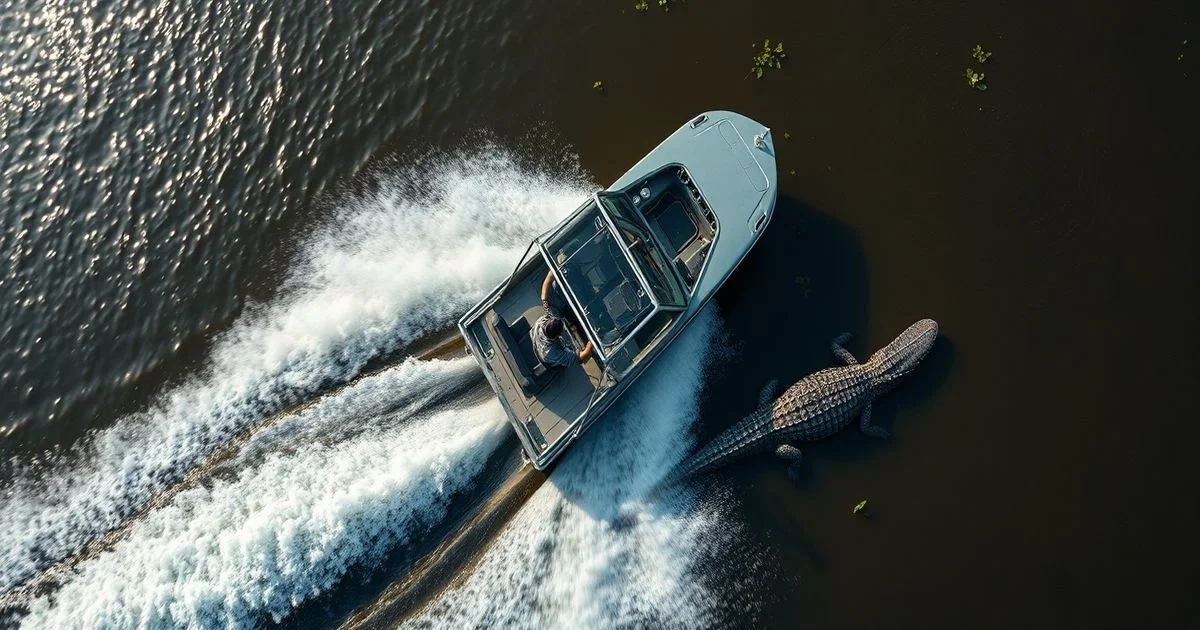
A startling incident captured on video, showing a Florida airboat operator appearing to fire upon an alligator, has rapidly become a viral video: Florida airboat fires on alligator across social media platforms, igniting a fervent debate among wildlife enthusiasts, legal experts, and the general public. The footage, which shows the tense confrontation in a seemingly tranquil Florida waterway, has prompted immediate investigations by state wildlife authorities and raised significant questions about human-wildlife interactions and responsible tourism practices in the Sunshine State. The incident has sent ripples throughout the community, with many demanding accountability and a thorough review of the actions depicted.
Background and Initial Reports
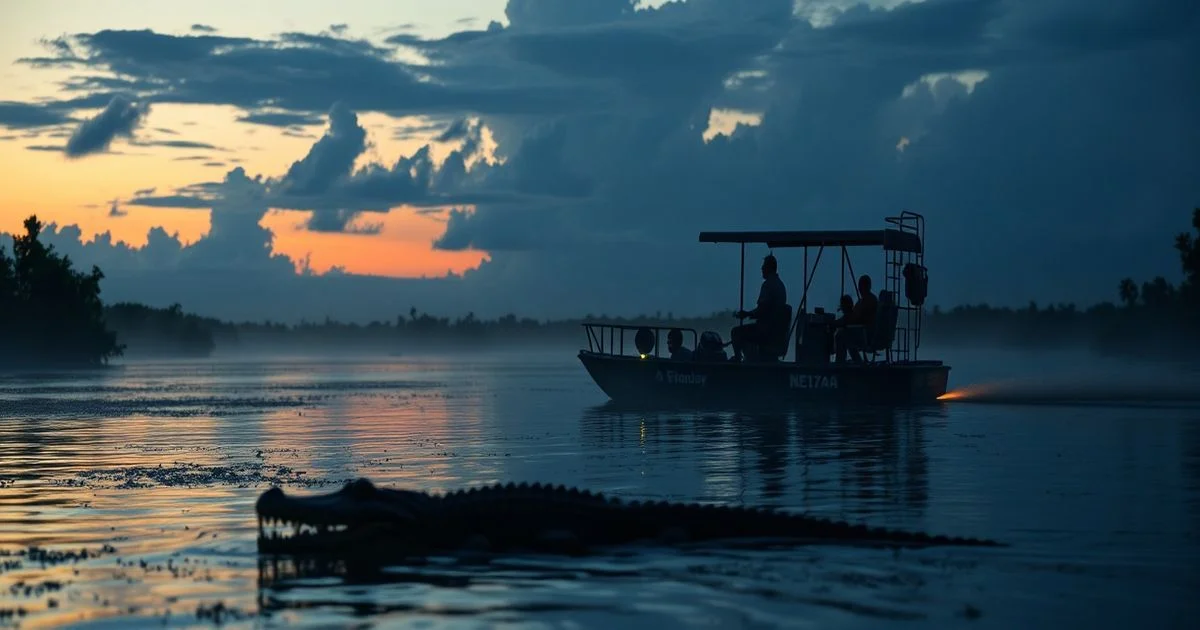
The viral video, which surfaced online earlier this week, depicts a scene many found deeply disturbing. It begins with an airboat navigating through what appears to be a remote, marshy area characteristic of Florida's Everglades or other wetland ecosystems. The calm is abruptly broken when an alligator is seen in close proximity to the vessel. Without clear provocation evident in the widely shared clip, a person identified as the airboat operator appears to discharge a firearm in the direction of the reptile. The short, yet impactful, video quickly disseminated across various social media channels, drawing millions of views and an outpouring of strong reactions.
The Incident Unfolds
The exact circumstances leading up to the alleged firing remain under investigation. Reports suggest the video was initially uploaded by a passenger on the airboat, though the original source and context have been difficult to definitively establish due to rapid re-sharing. Eyewitness accounts, if available, have yet to be widely publicized by authorities. What is undeniable, however, is the visual evidence of a firearm being discharged in the presence of a wild animal, an action that has immediately triggered a response from the Florida Fish and Wildlife Conservation Commission (FWC). The FWC has publicly acknowledged the existence of the video and confirmed that they are actively investigating the incident, stressing the importance of protecting Florida's native wildlife. This incident bears resemblance to previous cases that have sparked public outcry, such as the Viral Alligator Shooting Sparks Outrage in Florida Everglades: Streamer Under Investigation, highlighting a recurring pattern of concern regarding human interaction with these apex predators.
The footage has led to considerable speculation regarding the operator's motives. Was it an act of self-defense, a perceived threat, or an egregious violation of wildlife protection laws? These questions are at the forefront of the FWC's inquiry. The clarity of the video, despite its brevity, has provided sufficient detail for preliminary assessments, but a comprehensive understanding will likely require interviews with all individuals present on the airboat and a detailed examination of the incident site.
The Viral Video: Florida Airboat Fires on Alligator and Its Legal Fallout
The legal ramifications for such an act in Florida are substantial, especially concerning protected wildlife like alligators. Florida's statutes are stringent when it comes to harming or harassing alligators, which are classified as a "Species of Special Concern" and are regulated under strict FWC guidelines. This classification reflects a historical shift from near extinction to a recovered, yet still managed, population, making their protection a priority. Any unauthorized killing or injuring of an alligator can lead to severe penalties, including hefty fines and potential jail time, underscoring the state's commitment to conservation.
Florida Wildlife Regulations
Florida law explicitly prohibits the taking, possessing, or harming of alligators without a proper permit. This includes shooting, trapping, or any other method that could injure or kill the animal. Exceptions typically apply only in cases of documented self-defense where a direct and imminent threat to human life is present, or through specific, highly regulated hunting seasons with appropriate tags. The FWC rigorously enforces these regulations to maintain ecological balance and ensure the safety of both wildlife and the public. Penalties for violating alligator protection laws can range from second-degree misdemeanors to third-degree felonies, depending on the severity of the act and whether the alligator was killed. These legal frameworks are designed to deter irresponsible behavior and preserve a vital component of Florida's natural heritage. The FWC's investigation will meticulously examine every facet of the incident against these strict legal standards.
Public Reaction and Debate
The release of the viral video: Florida airboat fires on alligator has unleashed a torrent of public commentary across various online platforms. Social media users have expressed a spectrum of emotions, from outrage and condemnation of the airboat operator's actions to discussions about self-defense and human-wildlife conflict. Conservation groups and animal welfare organizations have swiftly decried the incident, calling for maximum penalties if wrongdoing is confirmed. They emphasize the importance of coexisting with wildlife and adhering to ethical guidelines, especially for commercial operators who interact with the natural environment on a daily basis.
Conversely, some individuals have voiced support for the operator, speculating about unseen threats or the need for immediate action in unpredictable wilderness encounters. This division highlights the complex relationship humans have with nature and the differing perspectives on managing wildlife interactions. The incident serves as a stark reminder of the power of viral content to bring niche issues to the global forefront, sparking conversations that transcend local boundaries. The public debate also extends to the responsibility of tour operators. Airboat tours are a popular tourist attraction in Florida, offering unique glimpses into the state's diverse ecosystems. This incident raises questions about the training provided to operators, their adherence to safety protocols, and their understanding of wildlife protection laws. The tourism industry, a significant economic driver for Florida, now faces pressure to address these concerns and reassure visitors that such incidents are anomalies and not reflective of standard practices.
The Broader Context: Human-Wildlife Encounters in Florida
Florida is renowned for its abundant and diverse wildlife, making encounters with animals like alligators a common occurrence. However, as human populations expand and more people venture into natural habitats, the potential for conflict increases significantly. This incident is not isolated but part of a larger narrative of managing human-wildlife interfaces in a rapidly developing state, where urban sprawl and recreational activities increasingly overlap with natural ecosystems. The sheer volume of tourists and new residents exploring Florida's unique environments necessitates a constant re-evaluation of how humans and wildlife can coexist safely and respectfully.
Growing Concerns
Alligators are an integral part of Florida's ecosystem, playing a vital role as apex predators. While generally shy, they can become aggressive if provoked, cornered, or accustomed to human feeding—an illegal and dangerous practice that makes them lose their natural fear of humans. The FWC consistently advises caution around alligators and provides guidelines for safe coexistence, emphasizing that feeding alligators is illegal and dangerous, as it can make them lose their natural fear of humans. The growing number of interactions, sometimes leading to tragic outcomes, fuels calls for stricter enforcement and expanded public awareness campaigns, particularly in areas popular with tourists or undergoing rapid development.
The viral video underscores growing concerns among environmentalists about the increasing pressure on Florida's natural habitats. Habitat loss, coupled with increased recreational activities in wilderness areas, inevitably leads to more frequent and sometimes perilous interactions between humans and wildlife. This incident, therefore, is not just about one airboat operator and one alligator; it reflects the broader challenges of conservation and responsible development in a state celebrated for its unique biodiversity. It highlights the need for continuous education and awareness campaigns for both residents and tourists about proper conduct in wildlife-rich environments. Moreover, the psychological impact on the public watching such a video is significant. For many, it reinforces negative stereotypes about human disrespect for nature. For others, it fuels a sense of urgency for stronger protections and more stringent oversight of commercial and recreational activities in sensitive ecological zones. The debate extends beyond legalities to the ethical responsibilities inherent in sharing space with wild animals.
Lessons Learned and Future Prevention
The widespread attention generated by the viral video: Florida airboat fires on alligator presents a critical opportunity for reflection and proactive measures. Regardless of the investigation's outcome, the incident has highlighted several areas where improvements in public education, operator training, and enforcement could be beneficial. This scrutiny offers a chance to reinforce ethical tourism practices and strengthen conservation efforts across the state. The long-term implications for Florida's ecotourism industry, a vital economic driver, could be substantial, depending on how effectively authorities and businesses respond to these concerns.
Calls for Education and Enforcement
One of the primary lessons is the ongoing need for robust public education campaigns regarding wildlife safety and respect. Many organizations are calling for increased efforts to inform both residents and visitors about the critical importance of maintaining a safe distance from wild animals and understanding their natural behaviors. This includes clear guidelines on what to do if an alligator is encountered and strict warnings against any form of harassment. For commercial operators, like those running airboat tours, the incident could prompt a review of licensing requirements and mandatory training programs. Emphasizing wildlife ethics, FWC regulations, and de-escalation techniques in potentially hazardous situations could become standard practice. This would ensure that those leading tours are not only knowledgeable about the ecosystem but also exemplary stewards of its inhabitants. Enhanced oversight by the FWC, including regular inspections and compliance checks for tour operators, might also be considered to prevent future incidents.
Technological Impact and Accountability
The role of technology in this incident cannot be overstated. The very fact that a mobile phone recorded the event and facilitated its rapid global dissemination means that actions in public and semi-public spaces are increasingly subject to scrutiny. This serves as a powerful deterrent against unlawful or unethical behavior, as the likelihood of being documented and exposed has never been higher. The ease with which this video became viral ensures that the FWC faces significant pressure to conduct a thorough and transparent investigation, as the public waits for justice to be served. This phenomenon of digital exposure leading to increased accountability is a growing trend, as explored in discussions around Social Media Giants Liable: Addiction Trial Verdict Reshapes Tech Accountability. Moving forward, the incident may also spur discussions on the use of non-lethal deterrents in human-wildlife conflicts. While firearms might be considered a last resort in extreme self-defense scenarios, exploring and implementing other methods to deter potentially aggressive wildlife could reduce the need for lethal force. This includes understanding alligator behavior patterns, employing specific maneuvering techniques for airboats, and educating passengers on appropriate reactions during encounters to minimize conflict.
Frequently Asked Questions
Q: What are Florida's laws regarding alligators?
A: Florida law strictly prohibits harming, harassing, or possessing alligators without a proper permit. Violations can lead to severe penalties, including substantial fines and potential jail time, with exceptions only for documented self-defense or regulated hunting seasons.
Q: Why did the Florida airboat video go viral?
A: The video's shocking depiction of an airboat operator allegedly firing upon an alligator quickly captured global attention. It sparked widespread outrage and debate across social media about human-wildlife interactions, conservation ethics, and responsible tourism in sensitive ecological areas.
Q: How does the FWC respond to such incidents?
A: The Florida Fish and Wildlife Conservation Commission (FWC) actively investigates reports of unauthorized harm to alligators. Their process involves gathering evidence, interviewing witnesses, and determining if state or federal wildlife protection laws were violated, leading to appropriate legal action against offenders.