Viral TikTok Challenge Causes Severe Burns in Child: A Urgent Safety Warning
Viral TikTok Challenge Causes Severe Burns in Child: A Urgent Safety Warning
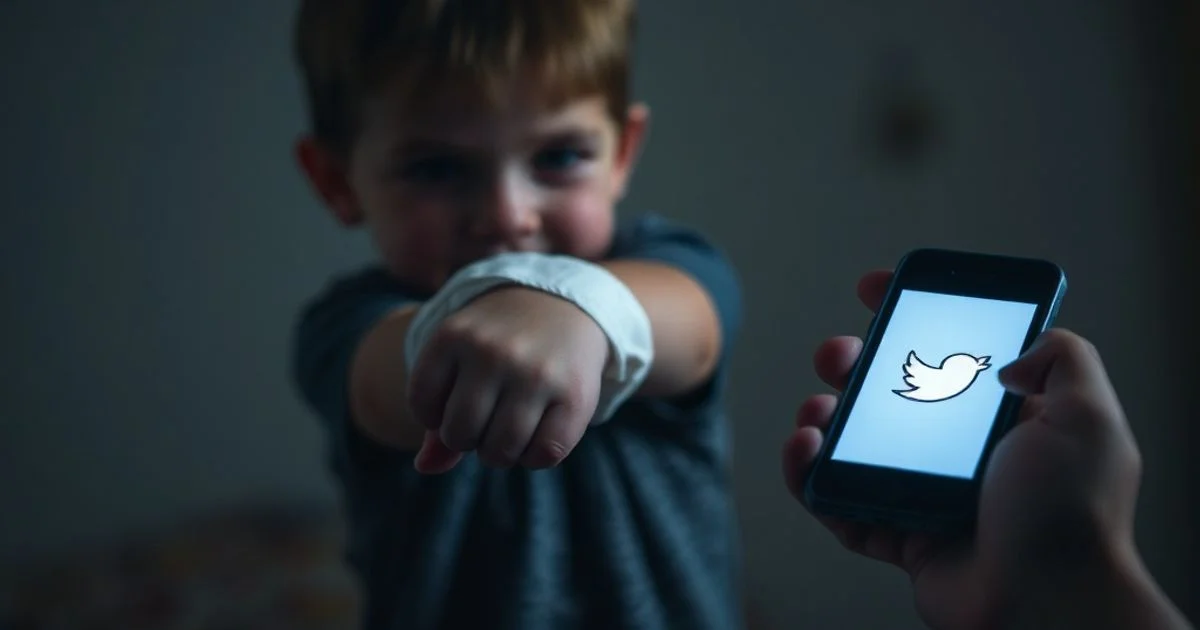
In a harrowing incident that underscores the grave dangers lurking in the digital realm, a viral TikTok challenge has caused severe burns in a child, sending shockwaves through communities and reigniting urgent discussions about online safety. This distressing event serves as a critical and compelling warning to parents, guardians, and children alike about the perilous nature of unchecked social media trends and the profound impact they can have. The incident highlights the immediate need for heightened vigilance and proactive measures to protect young, impressionable minds from potentially life-altering harm.
The Dangers of Online Trends
The pervasive nature of social media platforms like TikTok means that viral trends, both harmless and hazardous, spread with unprecedented speed. While many challenges are innocent and foster creativity, a disturbing number encourage risky, even life-threatening, behaviors. Children and teenagers, often seeking validation, peer acceptance, or simply an adrenaline rush, can feel immense pressure to participate in these trends without fully comprehending the potential consequences. This susceptibility makes them particularly vulnerable to challenges that can result in serious injury or, tragically, worse.
Social media challenges can range from lighthearted dances to extremely dangerous stunts that defy common sense. Past incidents have involved everything from choking games, often referred to as the "Blackout Challenge," which have tragically led to fatalities, to challenges encouraging the consumption of harmful substances or performing dangerous physical feats. The allure of going "viral" or gaining likes and views can overshadow any rational assessment of risk for young users, making platforms a breeding ground for potentially catastrophic activities. Parents and caregivers are often caught off guard by the rapid evolution and emergence of these trends, struggling to keep pace with what their children might encounter online.
Understanding the Specific Challenge
The recent incident causing severe burns to a child involved a dangerous trend encouraging users to microwave a popular stress-relief toy, often referred to as a "NeeDoh" cube, to make it more pliable. This seemingly innocuous activity takes a perilous turn when the gel-filled toy, made of polyvinyl alcohol, is subjected to extreme heat. The internal pressure and temperature can build rapidly, causing the toy to rupture or explode. When this happens, the molten goo inside, which can reach temperatures exceeding 200°F, is expelled, becoming a sticky, napalm-like substance that adheres to the skin and causes deep, severe scald burns.
Multiple cases have emerged across the country, with burn centers reporting an increase in young patients arriving with injuries directly linked to this specific challenge. These incidents serve as a stark reminder that even seemingly harmless objects can become dangerous weapons when misused in pursuit of viral fame. The insidious nature of such challenges lies in their ability to appear benign or even fun, drawing in children who are unaware of the science behind the combustion and the devastating physical toll it can inflict.
A Viral TikTok Challenge Causes Severe Burns in Child: The Incident Details
The latest tragic example of a viral TikTok challenge causing severe burns in a child highlights the critical need for immediate intervention and awareness. In one documented case, a 7-year-old Missouri girl, Scarlett Selby, was left in a coma with life-threatening burns after a NeeDoh toy exploded in her face during the challenge. Scarlett had frozen the toy and then, following steps she had seen online, put it in the microwave to make it softer. Her father, Josh Selby, witnessed the horrifying moment as the toy erupted, covering her face and chest in molten goo. Doctors were gravely concerned about swelling around her mouth and airway, leading them to induce a coma for three days, and her lips were so severely burned that she required tube feeding for a week.
Another incident involved a 10-year-old Cleveland girl who suffered second-degree burns on her hands and fingers after attempting "The Microwave NeeDoh TikTok Challenge". Similarly, a 9-year-old Illinois boy, Caleb Chabolla, sustained second-degree burns to his face and hands when his NeeDoh Nice Cube exploded as he tried to retrieve it from the microwave. His mother described the traumatic scene, recalling Caleb crying, "It burns, it burns," and noting that the right side of his face appeared "kind of melting off". These accounts paint a vivid picture of the intense pain and severe physical trauma inflicted by such reckless online trends.
The injuries sustained in these incidents often include second-degree and even third-degree burns, affecting critical areas such as the face, hands, and chest. The sticky nature of the molten gel exacerbates the burns, making them deeper and more challenging to treat. The immediate aftermath is typically excruciating, requiring extensive medical care and often leading to long-term physical and psychological scarring.
The Medical Aftermath and Recovery
The medical treatment for severe burns in children is an arduous and painful journey. Initial management often follows advanced pediatric life support principles, focusing on airway, breathing, circulation, disability, and exposure (ABCDE). Doctors prioritize preventing infection, managing intense pain, and promoting healing. Children with burns often require intravenous pain medication, especially before wound care procedures, which can be highly distressing.
For second-degree burns, medical professionals may need to cut away dead skin, and while some fortunate children avoid skin grafts, many will likely develop scars. Third-degree burns, characterized by deep skin with white or charred appearance and a loss of sensation, frequently necessitate skin grafts to prevent severe scarring and aid recovery. The healing process can take weeks to months, and long-term care may involve specialized dressings, topical creams, physical therapy, and even compression garments to minimize scar growth and itching.
Dr. Alice Fagin, a burn surgeon at Shriners Children's Ohio, emphasizes that these toys were never meant to be heated, and doing so is "playing a dangerous game". She warns that the hot gel is sticky and adheres to the skin, causing deeper, more severe burns, and even 15 seconds in a microwave can elevate the temperature to over 200°F. The physical impact is compounded by significant psychological trauma for both the child and their family, especially if the treatment requires transfer to a specialist burns unit far from home.
Expert Opinions on Social Media Safety
Child safety experts and medical professionals are united in their call for increased awareness and proactive measures to combat the dangers posed by viral social media challenges. Organizations like Shriners Children's have issued urgent warnings, highlighting the rising number of burn injuries directly linked to these online trends. Dr. Colleen Ryan, a surgeon at Shriners Children's Boston, notes a correlated increase in children presenting with severe burn injuries from challenges like microwaving sugar for candied fruit (Tanghulu), which also carries a high risk of scald burns.
Experts stress the importance of open communication between parents and children. Discussing online trends and the potential dangers in a calm, non-judgmental manner is crucial to fostering an environment where children feel safe to share what they encounter online. Parents should familiarise themselves with the platforms their children use and establish clear rules regarding screen time, content consumption, and online interactions. Encouraging critical thinking skills helps children evaluate the risks associated with online content, rather than blindly following trends.
Mental health professionals also highlight the broader negative impacts of social media on youth, including issues related to self-esteem, body image, and addictive usage patterns. The constant comparison and pressure to perform for an online audience can exacerbate these issues, making children more susceptible to risky behaviors for validation.
The Role of Platforms in Moderation
Social media platforms, including TikTok, bear a significant responsibility in mitigating the spread of dangerous content. TikTok states that users under 13 are not allowed on the platform, and accounts for those under 16 are automatically set to private with restricted features like direct messaging. They offer features like "Family Pairing" which allow parents to link their accounts with their child's to manage privacy, screen time, messaging, and content settings. Additionally, "Restricted Mode" can be enabled to filter out content deemed unsuitable for all ages.
However, critics argue that these measures are often insufficient. Age verification processes can be easily bypassed by children entering false birth dates, and the powerful "For You" page algorithm can still expose users to inappropriate or dangerous content despite restrictions. While TikTok has implemented features like a default 60-minute daily screen time cap for users under 18, teens can often override this. The platform's ability to make content go viral instantly means that dangerous challenges can quickly gain traction before moderators can intervene. There is an ongoing debate about the adequacy of platform moderation and the need for more robust, proactive systems to identify and remove hazardous content more effectively. Legal discussions also emerge regarding the liability of platforms when children are harmed by viral challenges.
Preventing Future Incidents
Preventing future incidents like the one where a viral TikTok challenge causes severe burns in a child requires a multi-faceted approach involving parents, educators, social media platforms, and the children themselves. Education is paramount, focusing on digital literacy and critical evaluation of online content.
For Parents and Guardians:
- Open Communication: Regularly talk to your children about what they see online. Create a safe space where they feel comfortable discussing trends, even if they're risky, without fear of immediate punishment.
- Stay Informed: Be aware of popular social media platforms and the types of challenges that are trending. Resources from child safety organizations can provide valuable insights.
- Utilize Parental Controls: Take advantage of in-app safety features like "Family Pairing," "Restricted Mode," and screen time management tools offered by platforms like TikTok. Consider setting strong passwords and not allowing secret passwords for devices.
- Model Good Behavior: Demonstrate responsible digital habits yourself. Limit your own screen time and engage in critical thinking about online content.
- Monitor for Warning Signs: Watch for unexplained injuries, increased secrecy around phone use, or sudden interest in dangerous stunts. These could be indicators of participation in risky challenges.
For Children and Teens:
- Think Before You Click: Understand that not everything online is safe or real. Question the motives behind challenges and consider the potential harm before participating.
- Prioritize Real-Life Safety: Remember that online popularity is not worth risking your physical well-being.
- Report Dangerous Content: If you see a challenge that looks harmful, report it to the platform and talk to a trusted adult.
Educators also play a vital role in integrating digital citizenship and online safety into school curriculums, teaching students how to navigate the digital world responsibly and critically.
Resources for Parents and Guardians
Numerous organizations offer guidance and support for parents navigating the complexities of child safety online:
- Internet Matters: Provides comprehensive guides on TikTok safety and general online safety advice.
- Common Sense Media: Offers reviews and advice on apps, games, and movies, including detailed information on TikTok's features and risks.
- Shriners Children's: Actively warns about dangerous social media trends causing burn injuries and offers resources on burn prevention and care.
- Kids Mental Health Foundation: Provides insights into how much social media is healthy for children and signs of readiness for social media.
- National Children's Hospital and Mayo Clinic Health System: Offer guidance on understanding the dangers of social media for teens and practical tips for parents to safeguard their children's online experiences.
- Poison Control Centers: Important resource for incidents involving ingestion of harmful substances often promoted in viral challenges.
Conclusion
The recent severe burn incidents stemming from a viral TikTok challenge serve as a stark and painful reminder of the critical importance of digital vigilance and parental guidance in today's interconnected world. While social media offers avenues for connection and creativity, it also harbors significant risks, particularly for impressionable youth who may not fully grasp the severe consequences of online trends. The case of a viral TikTok challenge causes severe burns in a child underscores the urgent need for a collective effort from parents, educators, platforms, and children themselves to prioritize safety over fleeting online fame. By fostering open dialogue, utilizing available safety tools, and promoting critical thinking, we can collectively strive to create a safer digital environment and prevent further avoidable tragedies.