Viral NCAA Coach Rant Sparks Debate on Coaching: A Deep Dive
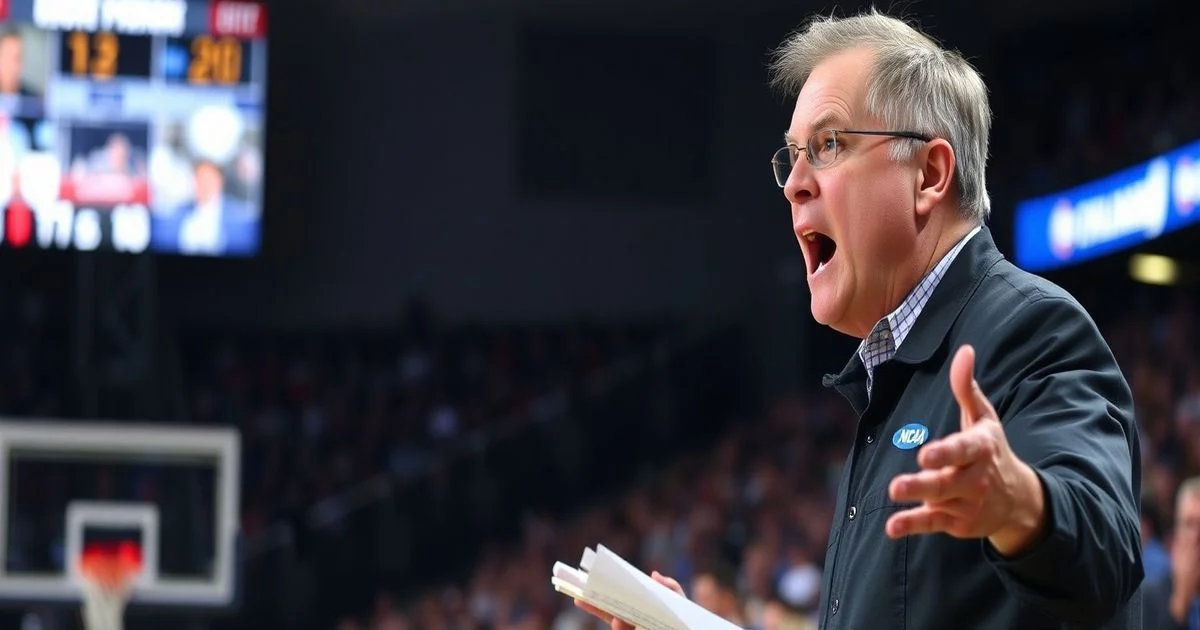
In the high-stakes world of collegiate athletics, passion often collides with pressure, leading to moments that captivate audiences and ignite widespread discussion. Recently, a particularly intense Viral NCAA Coach Rant Sparks Debate on Coaching, bringing renewed scrutiny to leadership styles, athlete welfare, and the relentless demands placed upon those guiding young student-athletes. This compelling event has pushed crucial conversations about the culture of college sports to the forefront, challenging long-held notions of what constitutes effective and ethical coaching. Similar debates on policy and fairness have emerged in other athletic arenas, such as when the IOC banned transgender women from the Olympics.
- Viral NCAA Coach Rant Sparks Debate on Coaching: Recent Incidents and Systemic Issues
- The Enduring Debate on Coaching Philosophy
- Pressure Cooker: Why Coaches Explode
- Player Welfare at the Forefront
- NCAA's Stance and the Call for Ethical Guidelines
- Beyond the Sidelines: Broader Implications
- Conclusion: The Evolving Landscape of NCAA Coaching
- Frequently Asked Questions
- Further Reading & Resources
Viral NCAA Coach Rant Sparks Debate on Coaching: Recent Incidents and Systemic Issues
The current college sports landscape has witnessed several high-profile incidents where coaches' emotions have spilled over, leading to viral moments that reverberate far beyond the athletic arena. These outbursts, while distinct in their triggers, collectively contribute to an ongoing national dialogue about appropriate conduct and the boundaries of coaching intensity.
High Point's Clayman Challenges the System
A prime example occurred during the opening weekend of the 2026 men's NCAA Tournament, when High Point head coach Flynn Clayman delivered an instantly viral postgame speech. Following his team's historic upset victory over Wisconsin, Clayman used the platform to voice a passionate critique of the college basketball system. He lamented the struggles mid-major programs face in scheduling games against high-major teams during the regular season, a factor he argued unfairly impacts their tournament seeding and national recognition. Clayman's fiery address resonated with many who feel the current metrics and scheduling practices disadvantage smaller conferences, challenging the perceived fairness of the collegiate athletic structure. His remarks, "Nobody would play us. Just like they wouldn't play Miami (Ohio)," highlighted a systemic issue, transforming a celebratory moment into a broader call for change within NCAA basketball.
Syracuse's Legette-Jack on Tournament Fairness
Just days later, Syracuse women's basketball coach Felisha Legette-Jack added another significant voice to the conversation. After her team's elimination from the NCAA Tournament by powerhouse UConn, Legette-Jack expressed her deep frustration with the tournament's bracket format. She pointed out that Syracuse had faced UConn in the second round in both of her NCAA Tournament appearances with the Orange, and five of the program's past seven tournament berths overall, with three of those games occurring on UConn's home court. This consistent pairing, in her view, raised questions about equitable seeding and the integrity of the selection process, sparking debate on whether smaller programs are truly given a fair shot against established giants. Her comments resonated with concerns about potential biases in tournament placement, adding another layer to the public's examination of NCAA operations.
Another notable incident from the previous year involved Florida baseball coach Kevin O'Sullivan, whose heated argument with NCAA and Coastal Carolina officials over a game delay in the 2025 NCAA Tournament also garnered significant attention. His visibly angry exchange, captured on video, underscored the intense pressure and emotional investment coaches have in their teams and the competitive environment.
The Enduring Debate on Coaching Philosophy
These viral moments are not isolated incidents but rather symptoms of a deeper, ongoing philosophical debate within college sports: how should coaches lead and motivate their athletes in an increasingly scrutinized environment? The discussion often pits traditional "tough love" approaches against a growing emphasis on athlete mental health and well-being.
Old School Grit vs. Modern Sensitivity
The divide in coaching philosophy was starkly illustrated by comments from two of college basketball's most prominent figures, Michigan State's Tom Izzo and UConn's Dan Hurley. Ahead of their Sweet 16 matchup in March 2026, both coaches defended their intense, emotional sideline styles, arguing that "basketball — and society — have gotten soft". Izzo, known for his "fiery, intense coaching style, often getting in the faces of his players during games," stated he wouldn't apologize for his approach, which has led to consistent success. He lamented that what used to be understood as good coaching is now often treated as controversial, questioning why "we're supposed to just hug and kiss everybody".
This perspective finds support from figures like basketball legend Charles Barkley, who went on his own viral rant defending Izzo during the NCAA Tournament. Barkley asserted that yelling at players is "called coaching," and those who "don't want to be coached, probably shouldn't come to Michigan State". This viewpoint emphasizes the developmental aspect of demanding coaching, suggesting it builds resilience and prepares athletes for higher levels of competition and life itself.
The Role of Accountability in Coaching
Central to the "tough love" argument is the concept of accountability. Coaches like Izzo and Hurley believe that demanding high standards and holding players accountable for their performance and effort is crucial for success and character development. Izzo explicitly stated, "Accountability is going to be big until I leave". This perspective suggests that effective coaching involves pushing athletes beyond their comfort zones, even if it sometimes appears harsh to outside observers.
However, critics argue that this approach can cross a line into abuse, potentially harming athletes' mental and physical health. The modern understanding of sports psychology and athlete well-being calls for a more nuanced approach, one that balances high expectations with empathy, clear communication, and support. The debate often centers on where that line exists and who is responsible for policing it. The NCAA's own principles emphasize sportsmanship and ethical conduct, stating that "student-athletes, coaches, and all others associated with these athletics programs and events should adhere to such fundamental values as respect, fairness, civility, honesty, and responsibility".
Pressure Cooker: Why Coaches Explode
The intense environment of NCAA athletics creates a unique pressure cooker for coaches, contributing to the emotional outbursts that occasionally go viral. Understanding these pressures is key to comprehending the context of such incidents.
The Win-at-All-Costs Mentality
College sports, particularly at the Division I level, are big business. Universities invest heavily in their athletic programs, and winning records often translate into increased revenue, donor engagement, and institutional prestige. This creates an enormous "win-at-all-costs" mentality that trickles down to head coaches. Their job security, salary, and professional reputation are intrinsically linked to their team's performance. The pressure to secure championships, achieve high rankings, and even simply make it to the NCAA Tournament can be overwhelming, pushing coaches to their emotional limits. An article from Forbes highlights that burnout is becoming more common in the coaching profession, often due to long hours, pressure to win, and lack of support.
Social Media Amplification and Scrutiny
In the era of ubiquitous smartphones and instant sharing, every sideline reaction, every locker room speech, and every post-game comment is subject to immediate and often relentless public scrutiny. A moment of frustration, once confined to a local broadcast or newspaper report, can now become a global phenomenon within minutes. The NCAA itself acknowledged the widespread social media harassment faced by athletes, coaches, and officials, with a pilot study identifying various forms of online abuse and threats. This constant digital surveillance amplifies the stakes of every public action by a coach, turning private moments of intense emotion into viral content that fuels national debates, similar to how viral human chain rescues or other dramatic events captivate the public. The pressure to maintain composure under such relentless observation adds another layer of stress to an already demanding profession.
Player Welfare at the Forefront
While coaching intensity can be a powerful motivator, its potential impact on student-athletes' well-being has become a central focus of the debate. Concerns about "toxic coaching" and its mental and physical tolls are increasingly influencing how coaching effectiveness is evaluated.
Defining the Line: Tough vs. Abusive Coaching
There is a growing consensus that a clear distinction must be drawn between "tough coaching" aimed at development and "abusive coaching" that causes harm. Coaching abuse can take various forms, including physical, verbal, and psychological, and has "long-lasting implications on the physical and mental health of athletes". The Drake Group, a nonprofit focused on collegiate athletics, has recommended adopting a "Coaching Code of Ethics" to lay out standards that all coaches would be expected to comply with, making athletics staff mandatory reporters of any violations. This initiative underscores the need for clear guidelines to protect student-athletes from practices that may prioritize winning over their health and safety.
Reports of coaching abuse, such as accusations against Colgate University's women's lacrosse coach for weight shaming and pressuring players to play through injuries, highlight the real-world consequences when the line is crossed. Such incidents demonstrate that while demanding accountability is important, it must not come at the expense of an athlete's dignity or well-being.
The Mental and Physical Toll on Student-Athletes
The impact of coaching styles on student-athletes' mental health is a critical aspect of the current debate. A toxic coach can lead to increased anxiety, depression, and burnout, as well as a loss of confidence and self-worth. Pushing athletes to play through injuries, a common concern cited in discussions of coaching abuse, can result in "disability or chronic pain" and significantly shorten careers. Furthermore, a toxic environment can discourage academic focus, creating an imbalance between athletics and scholarly pursuits. Many athletes even report losing their love for the sport entirely after experiencing toxic coaching. These serious consequences necessitate a re-evaluation of coaching methodologies and a stronger emphasis on supportive, holistic athlete development. Frequent coaching changes themselves can also negatively impact student-athletes' emotional well-being, leading to increased stress and decreased satisfaction.
NCAA's Stance and the Call for Ethical Guidelines
The NCAA, as the governing body for collegiate athletics, plays a crucial role in establishing and enforcing standards for coach behavior. However, the recent debates highlight perceived gaps and inconsistencies in its current framework.
Existing Ethical Frameworks and Their Limitations
The NCAA emphasizes principles of sportsmanship and ethical conduct, requiring individuals associated with member institutions, including coaches, to "act with honesty and sportsmanship at all times". Its guidelines, found in the NCAA Division I Manual, touch on respecting officials, avoiding inciting crowds, and promoting character development. Head coaches are presumed responsible for violations within their programs and are expected to promote an "atmosphere of compliance".
Despite these existing frameworks, critics argue that the guidelines often lack the specificity and enforcement mechanisms needed to effectively address issues of coaching abuse and ensure consistent athlete protection across all institutions. The current system often leaves universities with the flexibility to police their own affairs, which may lead to inconsistent outcomes for coaches accused of misconduct. This lack of clear, universally enforced standards contributes to the ongoing debate and the feeling that more needs to be done.
The Drake Group's Recommendations and Future Directions
In response to these concerns, organizations like The Drake Group have advocated for more robust oversight. Their 2016 position statement recommended the adoption of a "Coaching Code of Ethics" that would provide clear standards and require athletic staff to be mandatory reporters of any violations they witness. This recommendation aims to mitigate underreporting and ensure that "there is a clear line between tough coaching and abusive coaching that coaches should not have the freedom to cross".
The push for a more comprehensive code reflects a broader desire within college sports for greater accountability and transparency. Enhanced oversight from universities, the NCAA, and state agencies, alongside potential changes in student-athlete status (such as employee recognition), are considered pathways to prevent coaching abuse and protect student-athletes' rights more effectively. Such changes would represent a significant shift, moving beyond a compliance-only approach to foster a culture where athlete well-being is unequivocally prioritized.
Beyond the Sidelines: Broader Implications
The ripple effects of viral coach rants and the subsequent debates extend far beyond individual programs, influencing recruitment, institutional reputation, and the very future of college athletics.
These incidents can significantly impact a university's brand and its ability to attract top talent. Prospective student-athletes and their families are increasingly aware of coaching cultures, and viral controversies can deter recruits who prioritize a supportive and healthy environment. A toxic coaching environment can also lead to higher transfer rates, disrupting team cohesion and program stability. Universities are under pressure to ensure their athletic programs reflect the institution's broader educational and ethical values, as negative publicity can damage their overall reputation.
Moreover, the discourse sparked by these rants contributes to the ongoing evolution of college sports. As student-athletes gain more agency through NIL (Name, Image, and Likeness) policies and discussions around their potential employee status, the power dynamics within teams are shifting. Similar shifts are seen across professional leagues, influencing areas like WNBA salaries and player pay. This evolving landscape demands that coaching styles adapt, favoring approaches that empower and respect athletes rather than relying solely on traditional hierarchical models. The scrutiny of coaching behavior is likely to intensify, pushing institutions and the NCAA to develop more robust mechanisms for accountability and athlete protection.
Conclusion: The Evolving Landscape of NCAA Coaching
The recent spate of viral NCAA coach rants has served as a powerful catalyst, propelling critical discussions about the multifaceted nature of coaching in college sports into the national spotlight. From passionate appeals for systemic fairness to staunch defenses of "tough love" methodologies, these incidents underscore the complex pressures coaches face and the profound impact their leadership styles have on student-athletes. As the debate continues, it is clear that the future of NCAA coaching will require a delicate balance between competitive drive and unwavering commitment to athlete welfare. Navigating this evolving landscape demands ongoing dialogue, clearer ethical guidelines, and a sustained focus on fostering environments where both athletic excellence and holistic student development can thrive. This Viral NCAA Coach Rant Sparks Debate on Coaching moment is not merely a fleeting news cycle, but a pivotal point demanding a re-evaluation of what it means to lead, motivate, and protect the next generation of collegiate stars.
Frequently Asked Questions
Q: What specific incidents sparked the recent national debate on NCAA coaching?
A: The debate was primarily sparked by viral postgame rants from High Point's head coach Flynn Clayman, who criticized systemic disadvantages for mid-major programs, and Syracuse women's basketball coach Felisha Legette-Jack, who questioned the fairness of NCAA Tournament bracket pairings. These incidents brought broader issues of coaching conduct and fairness into public view.
Q: How do "old school" coaching philosophies compare with modern approaches to athlete welfare?
A: "Old school" philosophies often emphasize "tough love" and intense accountability, believing it builds resilience. Modern approaches, however, increasingly prioritize athlete mental health, well-being, and a more nuanced balance between high expectations and empathetic support, drawing a clearer line between tough coaching and potential abuse.
Q: What measures are being proposed or considered to improve ethical standards and accountability in NCAA coaching?
A: Organizations like The Drake Group advocate for a comprehensive "Coaching Code of Ethics" with clear standards and mandatory reporting of violations. There's also a call for enhanced oversight from universities and the NCAA, as well as ongoing discussions about student-athlete rights and potential changes in their status to ensure greater protection and prevent coaching abuse.