Viral Fall: Pakistan Deputy PM's Unexpected Tumble Sparks Global Buzz
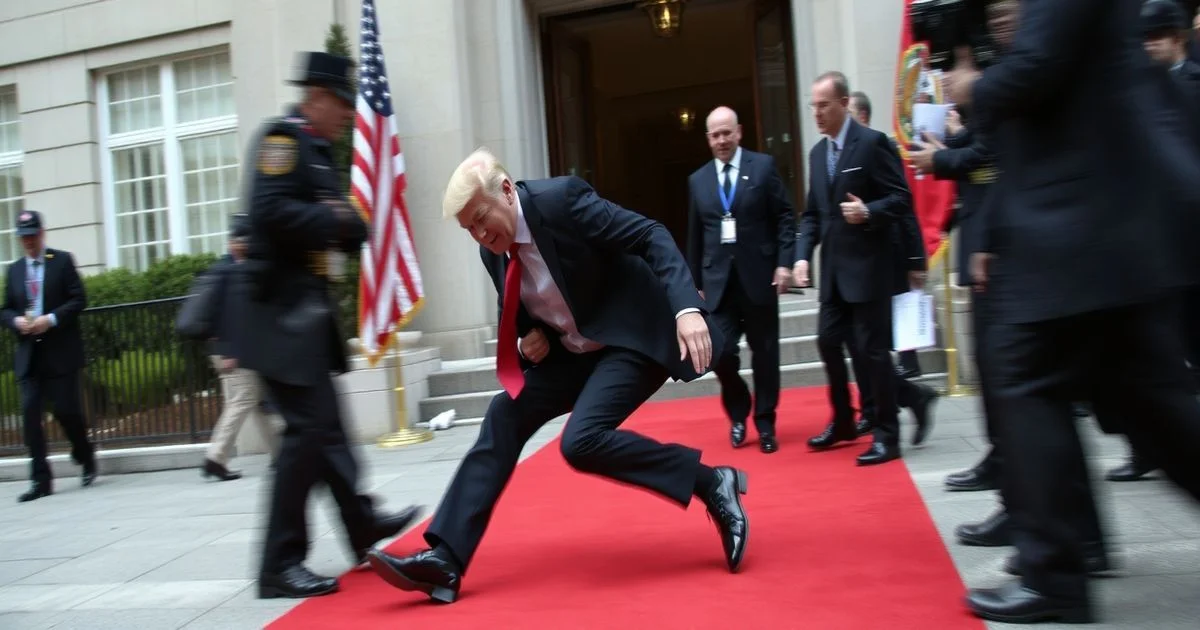
In a moment that quickly captivated international headlines and social media, Pakistan's Deputy Prime Minister and Foreign Minister, Ishaq Dar, experienced a widely documented, Viral Fall: Pakistan Deputy PM's Unexpected Tumble during a high-profile diplomatic reception in Islamabad on March 29, 2026. The unexpected tumble of the senior statesman, occurring as he welcomed foreign dignitaries, swiftly became a topic of global buzz, igniting discussions ranging from diplomatic protocol to the pervasive nature of viral content in modern news cycles. The incident, captured on camera, momentarily disrupted the formal proceedings and drew immediate attention to the challenges faced by public figures under constant scrutiny.
- The Incident Unfolds: A Moment of Protocol Disruption
- Background Context: Who is Ishaq Dar?
- The Power of Social Media: Viral Fall: Pakistan Deputy PM's Unexpected Tumble Goes Global
- Official Response and Health Update
- Political Implications and Public Perception
- Security and Protocol Scrutiny
- Historical Precedents of Public Falls
- Beyond the Tumble: The Deputy PM's Ongoing Work
- Lessons Learned and Future Considerations
- Conclusion
- Frequently Asked Questions
- Further Reading & Resources
The Incident Unfolds: A Moment of Protocol Disruption
The incident occurred on Sunday, March 29, 2026, at the Ministry of Foreign Affairs in Islamabad, a venue typically synonymous with gravitas and meticulously choreographed diplomatic exchanges. Deputy Prime Minister Ishaq Dar was in the process of formally welcoming a delegation of foreign ministers, including Egypt's Foreign Minister Badr Abdelatty, for crucial quadrilateral consultations aimed at addressing escalating tensions in the Middle East. These high-stakes discussions involved representatives from Saudi Arabia, Egypt, and Turkiye, with a stated focus on de-escalating the Iran-US conflict and exploring peace initiatives.
As Dar stepped forward on the red carpet to greet his Egyptian counterpart, he reportedly lost his footing, leading to an unexpected stumble and fall. Eyewitness accounts and circulating video footage depict a swift reaction from security personnel and officials present, who immediately rushed to assist the Deputy PM, helping him regain his feet almost instantaneously. Despite the brief but noticeable disruption, Dar quickly recomposed himself and, with remarkable composure, continued with the diplomatic proceedings. The incident, though fleeting, was a stark reminder of the human element in even the most formal of settings. The quick recovery ensured that the critical agenda of the meeting, focused on regional stability and international dialogue, remained on track.
Background Context: Who is Ishaq Dar?
Ishaq Dar is a prominent and long-serving figure in Pakistani politics, currently holding the significant portfolios of both Deputy Prime Minister and Foreign Minister. His political career spans several decades, marked by various stints in key ministerial positions, primarily in finance. Known for his close association with the Pakistan Muslim League-Nawaz (PML-N) party, Dar has played a pivotal role in Pakistan's economic policy and international relations for many years. His current appointment as Deputy Prime Minister underscores his seniority and influence within the government, reflecting his extensive experience and trusted position within the ruling elite.
Before this incident, Dar had been actively engaged in critical diplomatic efforts, including leading Pakistan's participation in sensitive discussions concerning regional stability and international relations. The meeting during which the fall occurred was particularly significant, aiming to position Pakistan as a mediator in a complex geopolitical landscape, specifically concerning de-escalation between the United States and Iran. Such high-level engagements bring immense pressure and constant public visibility, where every action, intentional or otherwise, can be scrutinized globally, leading to intense media and public interest in even minor events.
The Power of Social Media: Viral Fall: Pakistan Deputy PM's Unexpected Tumble Goes Global
In an age dominated by instantaneous information sharing, it was inevitable that the Viral Fall: Pakistan Deputy PM's Unexpected Tumble would rapidly transcend traditional news channels and explode across social media platforms. Within moments of the incident, videos began circulating widely, primarily on platforms like X (formerly Twitter), transforming a momentary mishap into a global talking point. The speed and reach of these platforms ensured that what happened in Islamabad was soon being viewed, shared, and commented upon by millions worldwide, highlighting the immense power of digital media in shaping public discourse.
Initial Reactions and Speculation
Initial reactions on social media varied widely. Many users expressed concern for Dar's well-being, acknowledging the human aspect of such an unfortunate public incident. The immediate visual evidence of the fall prompted a wave of empathy from users across borders, demonstrating a shared humanity. However, as is common with viral content involving public figures, speculation also quickly mounted. Questions arose about the cause of the fall—whether it was a misstep, an issue with the red carpet, a momentary lapse in concentration, or perhaps a health-related concern. The immediate assistance provided by security personnel helped assuage some concerns, but the raw footage continued to fuel discussion and debate about the circumstances surrounding the incident.
Humour and Memes
Predictably, the incident also gave rise to a wave of memes and humorous commentary. The unscripted nature of the fall, juxtaposed with the formality of the diplomatic setting, created a fertile ground for comedic interpretations, reminiscent of other viral on-air exchanges that have sparked widespread discussion. Screenshots and short video clips were repurposed with witty captions, some playfully mocking the situation, while others offered satirical takes on Pakistani politics and diplomacy. This phenomenon underscores how quickly public incidents involving prominent figures can become fodder for internet humour, often overshadowing the gravity of the event itself. Some online commentators even drew parallels to previous awkward moments involving Pakistani leadership, contributing to a broader narrative of public figures navigating the digital age.
International Coverage
Beyond the immediate social media buzz, major international news outlets quickly picked up on the story. The visual nature of the incident, combined with the high diplomatic profile of the individual involved and the critical nature of the meetings he was hosting, made it newsworthy globally. Reports emerged from various countries, detailing the fall, the immediate aftermath, and the ongoing diplomatic efforts. This widespread coverage further cemented the incident's status as a viral event, bringing a brief, unexpected spotlight onto Pakistan's diplomatic activities and showcasing the interconnectedness of global news cycles, where a local incident can rapidly become an international headline.
Official Response and Health Update
In the wake of the incident, there was an official response from Deputy PM Dar's camp, keen to manage the narrative and provide clarity. His son, Ali Dar, took to social media to provide an update on his father's condition. He confirmed that despite the fall, Ishaq Dar had managed to complete all his scheduled high-level meetings throughout the day, albeit with some discomfort. This swift return to duty was highlighted as a sign of his dedication.
Later, medical examinations revealed that the Deputy PM had sustained a hairline fracture in his shoulder. Ali Dar assured the public that the injury was being managed with medication and precautionary measures, and it would not impede his father's official duties in the short term. This swift and transparent communication from his family helped to manage public concern and counter unverified rumors that might otherwise have spread, particularly concerning his health and fitness for office. The ability of a senior official to continue with critical diplomatic engagements despite a physical injury highlighted a commendable dedication to duty, ensuring that the diplomatic agenda proceeded as planned.
Political Implications and Public Perception
An event like a public fall, particularly for a high-ranking political figure, can carry various implications for public perception and political discourse. While many might view it simply as an unfortunate accident, the relentless gaze of modern media and public opinion means such moments are rarely devoid of broader interpretation, often becoming symbolic or illustrative of larger narratives.
Domestic Political Discourse
Domestically, the incident sparked a mix of sympathy and criticism. Supporters rallied around Dar, praising his resilience and commitment to duty by continuing with the high-stakes meetings despite his injury. They emphasized that such an accident could happen to anyone and should not detract from his significant contributions to the nation, painting him as a dedicated public servant. Conversely, some political opponents or critics seized upon the moment, using it to highlight perceived vulnerabilities, questioning his physical vigor, or to craft narratives suggesting broader issues within the government's competence or public image. The incident became a brief talking point in the ongoing political debates, offering another angle for both praise and critique within Pakistan's often fractious political landscape.
International Diplomatic Lens
From an international diplomatic perspective, the impact was likely minimal in terms of policy or substantive relations. Such incidents are generally understood as personal mishaps rather than reflections on a nation's foreign policy or leadership capabilities. Diplomatic protocols are designed to accommodate human errors without disrupting the gravitas of international relations. However, the viral spread of the video meant that the incident was seen by diplomats and leaders worldwide, potentially adding an informal, human dimension to the perception of Pakistan's leadership. While protocol ensures the dignity of such events, the unscripted nature of the fall momentarily broke through the carefully constructed facade of international diplomacy, underscoring the universal vulnerability of even the most powerful figures to simple human errors.
Security and Protocol Scrutiny
The unexpected tumble of a Deputy Prime Minister on a red carpet naturally prompts questions regarding the security and protocol arrangements for high-profile events. While seemingly minor, such incidents can lead to internal reviews of event management, venue safety, and dignitary escort procedures, ensuring that all aspects of official gatherings are meticulously planned and executed.
Security and protocol teams are meticulously trained to ensure the safety and smooth conduct of official receptions involving senior government officials and foreign dignitaries. This includes everything from crowd control and access management to ensuring the physical environment is safe and free of hazards. In this instance, the quick reaction of the security personnel to assist Ishaq Dar was a testament to their training and professionalism, preventing any further discomfort or potential injury.
However, such a prominent fall might lead to re-evaluations of specific elements to prevent future occurrences:
- Red Carpet Conditions: Were there any uneven surfaces, loose carpets, or other environmental factors that contributed to the fall? These details would be scrutinized to prevent similar incidents, ensuring all pathways are secure and well-maintained.
- Escort Procedures: While Dar was being welcomed, the precise choreography of the escort might be reviewed to ensure maximum support and minimize any potential for missteps, especially for elderly or less agile dignitaries, offering unobtrusive assistance where necessary.
- Contingency Planning: The seamless continuation of the event despite the brief interruption showcased effective contingency planning, but the incident could still prompt a refinement of responses to unexpected disruptions, enhancing readiness for various scenarios.
Ultimately, while the fall was an accident, it serves as a valuable case study for event organizers and security details to reinforce best practices and ensure optimal safety and dignity for all participants in high-stakes diplomatic gatherings.
Historical Precedents of Public Falls
Public figures, including politicians and celebrities, are no strangers to unexpected tumbles that capture media attention. These incidents, while often embarrassing for those involved, serve as poignant reminders of their shared humanity, cutting through the carefully constructed image of invulnerability. Throughout history, various leaders have had their moments of awkward public falls, and the reactions have varied significantly, from public ridicule to widespread sympathy.
For instance, former US President Gerald Ford was famously prone to tripping, leading to a public perception that was sometimes unfairly critical, even inspiring late-night comedy sketches. More recently, numerous politicians globally have had minor falls captured on camera, often during speeches, stair climbs, or greetings. A notable example involved a political analyst in Pakistan who fell from his chair during a live TV panel discussion in 2020, also garnering significant viral attention. These incidents, while momentarily embarrassing, rarely have long-term political repercussions unless they are indicative of a more serious health issue or a perceived lack of fitness for office.
The common thread among these incidents is the instant public reaction amplified by modern media, turning even minor mishaps into global chatter within hours. Before the internet, such moments might have been confined to local news or personal anecdotes. Today, a single stumble can become a global phenomenon, dissected and discussed endlessly online. This constant scrutiny places immense pressure on public figures to maintain an almost flawless public persona, making any unscripted moment ripe for viral dissemination and analysis.
Beyond the Tumble: The Deputy PM's Ongoing Work
While the Viral Fall: Pakistan Deputy PM's Unexpected Tumble captured headlines, it is crucial to remember that it represents a fraction of Ishaq Dar's ongoing responsibilities and Pakistan's broader diplomatic agenda. The incident occurred amidst highly significant quadrilateral consultations aimed at addressing the Middle East crisis. Pakistan's role in attempting to mediate between the United States and Iran, and its efforts to promote de-escalation, are weighty matters with far-reaching implications for regional and global stability.
Despite his injury, Dar continued to brief visiting dignitaries on the prospects of potential US-Iran talks in Islamabad, emphasizing Pakistan's readiness to facilitate dialogue. He highlighted Pakistan's historical role as a responsible state keen on promoting peace and conflict resolution. The visiting foreign ministers reportedly expressed their full support for this initiative, indicating that the diplomatic momentum was not derailed by the personal mishap. This dedication underscores that while viral moments can momentarily dominate attention, the substantive work of governance and foreign policy continues unabated, often behind the scenes, away from the immediate glare of social media. The focus remains squarely on strategic engagements and Pakistan's position in regional and global affairs, far beyond a single unscripted moment.
Lessons Learned and Future Considerations
The viral spread of the Deputy PM's fall offers several insights for both public figures and media observers in an increasingly interconnected world. For politicians, it highlights the intense and unforgiving nature of the public eye in the digital age. Every public appearance, every gesture, is potentially a viral moment, subject to immediate capture, widespread distribution, and endless interpretation. This necessitates not just preparedness for diplomatic discussions, but also an acute awareness of one's surroundings and the ever-present cameras, requiring a heightened level of self-awareness and caution.
For media houses and the general public, the incident serves as a reminder of the nuanced way we consume news. While the immediate reaction might be amusement or concern, it is vital to contextualize such events within the broader narrative of a politician's work and a nation's diplomatic efforts. The incident reinforces the importance of focusing on substantive policy and governance rather than allowing fleeting viral moments to overshadow critical national and international issues that truly impact lives and shape geopolitical landscapes.
It also prompts a discussion on the ethics of online commentary. While humor is a natural human response, the line between lighthearted jest and undue mockery, especially concerning an accidental injury to a public figure, remains a pertinent ethical consideration in the digital public square. Responsible engagement demands a balance between entertainment and respect, even when dealing with public mishaps.
Conclusion
The Viral Fall: Pakistan Deputy PM's Unexpected Tumble of Ishaq Dar in Islamabad was a fleeting yet widely publicized event that momentarily stole the global spotlight. It underscored the unpredictable nature of public life for high-ranking officials and the pervasive influence of social media in amplifying such moments across the world. While the incident quickly generated a mix of concern, humor, and debate, Deputy Prime Minister Dar's swift recovery and continuation of his duties reaffirmed his commitment to the critical diplomatic tasks at hand. This unexpected tumble serves as a vivid illustration of how even the most minor incidents can briefly capture collective attention, reminding us of the human element behind political figures and the relentless scrutiny they face in an interconnected world, where every step is potentially broadcast globally.
Frequently Asked Questions
Q: Who is Ishaq Dar and what is his role?
A: Ishaq Dar is Pakistan's Deputy Prime Minister and Foreign Minister. He is a veteran politician with a long career, primarily in finance, and currently oversees Pakistan's foreign policy and international relations.
Q: What was the extent of Ishaq Dar's injury?
A: Following the fall, Ishaq Dar sustained a hairline fracture in his shoulder. Despite the injury, his son confirmed that he continued with his scheduled high-level diplomatic meetings and was managing the discomfort with medication.
Q: How did social media react to the incident?
A: Social media platforms quickly amplified the incident, leading to widespread reactions including expressions of concern for Dar's well-being, speculation about the cause of the fall, and a significant amount of humorous commentary and memes that rapidly spread globally.